What are your family’s top 3 favorite meals?
Many young people fill their stomachs by eating it, the changing lifestyle has made this Chinese food an important part of our day-to-day life.
Be it children or adults, people of every class eat it with great passion. But did you know that what is used to make these dishes delicious is called Ajinomoto…
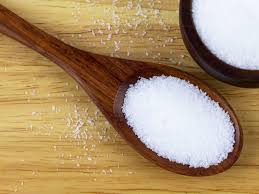
The spice of driving the mind crazy… It is also called brain broom which is in the form of white crystals. It is a chemical called monosodium glutamate (M.S.G.) which people know as Ajinomoto. It enhances the taste of the food in which it is added… Ajinomoto is a chemical that confuses the tongue after touching it and sends false messages to the brain. Due to this rotten or tasteless food also feels good. The use of this chemical disrupts the network of neurons between the organs of the body and the brain, which has far-reaching consequences. Monosodium glutamate was discovered by a Japanese scientist, Kikunai Ikeda, in 1908. Kikunai Ikeda was working at Tokyo Imperial University at the time.
The professor’s wife often made a popular Japanese stock (soup) ‘Dashi’ from seagrass called kelp. He noticed that Japanese broth made from seagrass Katsuobushi and Kombu (kelp) has a peculiar taste. … Which is different from sweet, salty, sour, and bitter taste. Professor isolated glutamic acid (Ajinomoto) from sea-grass Laminaria japonica, Kombu, by aqueous extraction and crystallization method the special flavor of this salt was named Umami. … Which became famous as a fifth flavor. … Which means pleasant taste. Professor Ikeda named this discovery monosodium glutamate and took a patent in Japan under the name of MSG. In 1909, together with the Suzuki brothers, they opened a company called Ajinomoto for its commercial production. It was commercially produced for the first time this year. The debate over whether Ajinomoto is safe for humans began when a Chinese restaurant syndrome decided not to use it because of the dishes in which Ajinomoto was used. After eating them, their customers started falling ill and the biggest thing was that the symptoms of all the sick customers were also the same. After this incident, the Medico Academic Industry also started writing about the side effects of MSG.
Ajinomoto-rich food should not be eaten during pregnancy. Consuming excessive amounts of MSG during pregnancy can be fatal for the unborn baby. Ajinomoto is a type of salt. It increases blood pressure, which hinders the delivery of the right amount of food to the child and affects the neurons of the child’s brain Due to this the development of the child in the womb is not fully done and the baby can be born mentally weak. Its consumption has also been found to cause headache, flushing, sweating, nausea (dizziness and vomiting), and weakness and in some studies, excessive consumption of it can cause brain damage and eye problems in children. MSG is a neurotransmitter, which stimulates brain cells. Stimulated neurons can cause insomnia-like conditions.
Excessive intake can also cause problems like a sudden increase in heartbeat and stretching of chest muscles. Ajinomoto can cause pain in the muscles and knees of the feet. It weakens the bones and reduces the amount of calcium taken by the body By consuming it, the amount of insulin in the body increases and its intake increases the level of glutamate in the blood. For this reason, there is a very serious effect on the body. Ultimately, it acts like an addiction. Once you eat it, you want to eat it again and again, and eating it causes harm


 Spirituality is Beyond Science
Leave a comment