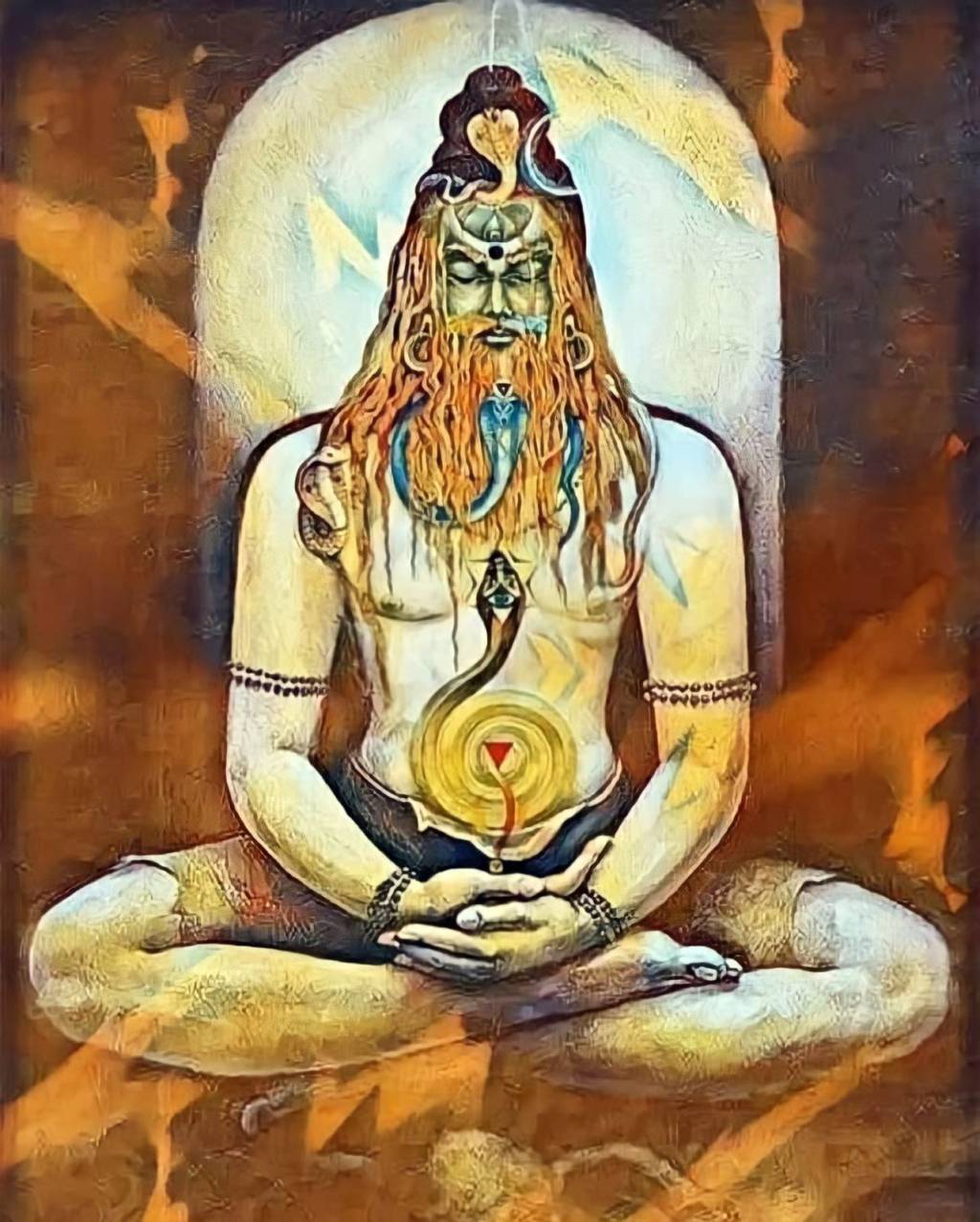
“गतिस्त्वं गतिस्त्वं त्वमेका भवानी।”

Tell us about a time when you felt out of place.

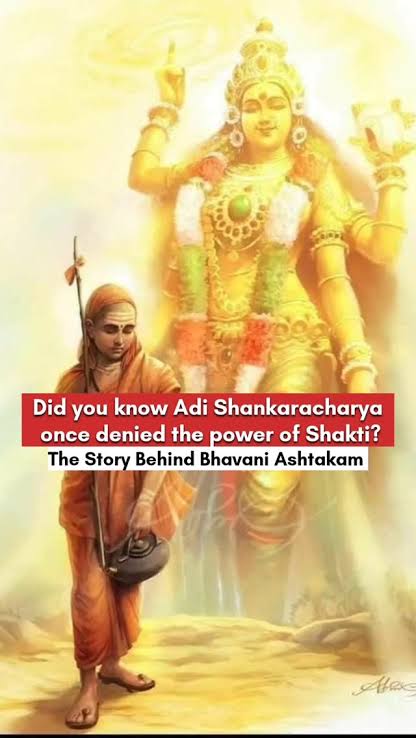
When Shankaracharya Discovered the Power of Shakti

Adi Shankaracharya is known as the master of Advaita Vedanta. But there’s a story from his life that shows us true wisdom is only complete when it embraces Shakti, the divine energy.

During his travels in Kashmir, Shankaracharya set out to refute the Shakta tradition. But soon his health broke down. With no strength left, he lay beneath a tree. At that moment, a cowherd woman passed by, carrying a pot of curd.

Thirsty and weak, Shankaracharya asked her for some curd. She replied:
“Come and take it yourself.”

He answered:
“I have no strength left to walk to you.”

Smiling, the woman said:
“Without Shakti, you cannot even move a single step. And yet you came here to deny Her?”

In that instant, Shankaracharya realized that this was not an ordinary woman—it was the Divine Mother Herself. His pride melted away, and with deep devotion he cried:
“Gatistvam gatistvam tvameka Bhavani”
(“O Mother, You alone are my refuge, my only path.”)

From this moment came the beautiful hymn Bhavani Ashtakam.

Shiva and Shakti are not separate.

Shiva is stillness; Shakti is movement.

The sun is nothing without its rays; the moon is nothing without its light.

Shiva is incomplete without Shakti.


This is the essence of Advaita—the oneness of Shiva and Shakti.

The immortal journey: beyond own limits

What does freedom mean to you?

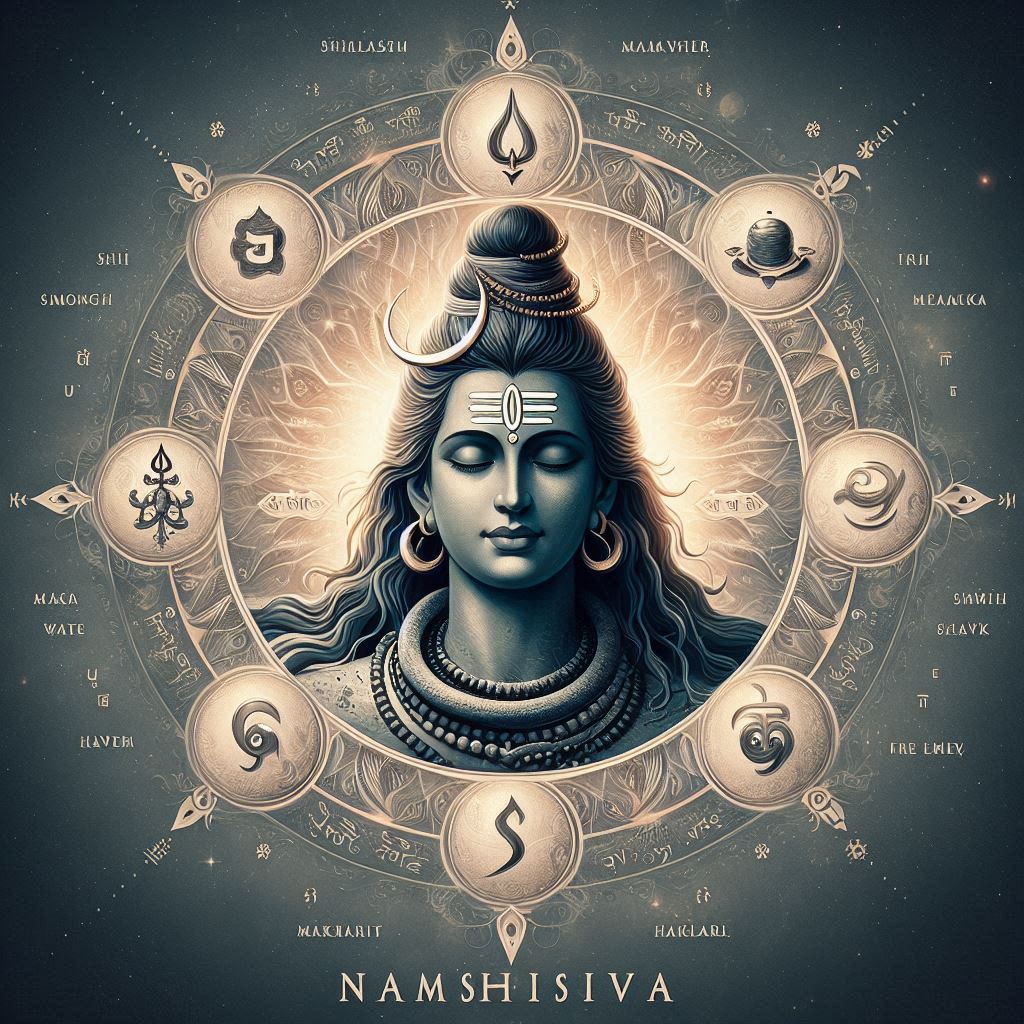
Vibrate your body with 5 : SHIVA PANCHAKSHARI MANTRA

Shiva Panchakshari Mantra “Namashivaya” is the Shiva Panchakshari mantra, which is simple to chant but profound to interpret and understand. Due to the lofty meaning behind this mantra, this is considered a universal mantra.

Na –
This first syllable corresponds to Earth element.

Ma –
This second syllable represents Water element.

Shi –
This third syllable stands for the Fire element.

Va –
This fourth syllable denotes the Air element.

Ya-
This fifth syllable relates to the Ether or Space element


Lord Shiva as the Supreme God is said to be engaged in five tasks associated with the creations. The pancha Kriyas or the five acts are

Srishti_ creating,

Sthiti_ preserving,

Samhara _ destructing

Tirodhana _ concealing
 
Anugraha _ blessing.

The five syllables of the Shiva Panchakshari mantra correspond to these five divine acts of the Supreme Shiva. ‘Om’ or Pranava mantra and ‘Namashivaya’ are said to be one and the same. While the Pranava is the crux of the divine acts, the Shiva Panchakshari mantra expounds these divine acts further. The Pranava Mantra is like the husk of the paddy while the Shiva Panchakshari mantra is like the rice inside.

Shiva consciousness is beyond time and boundry

There was a time when balance in the cosmos broke.
The Devas ( positive ) energy were weakened. Their energy faded. The Asuras( giant ) energy grew in strength. Conflicts rose. Dharma trembled.

The only way to restore harmony was to retrieve the immortal the nectar of immortality, hidden deep within the Kṣīra Sāgara, the Ocean of Milk. But to bring it out, the ocean had to be ready for twist movement

Both Devas and Asuras agreed to churn the ocean together. Mandara Mountain became the churning rod.
Vāsuki, the great serpent of Mahādeva, was the rope.
The mountain began to sink So Viṣṇu took the form of a giant tortoise (Kurma) to support it from beneath.
Thus began the divine Samudra Manthan — the twist movement (manthan)  of the Cosmic Ocean.

Many diamonds (wondrous)  things emerged:

1. Kamadhenu,
2. Airāvata,
3. Kaustubha,
4. celestial Apsarās…

Movement of somthing unexpected : Hālāhala Visha.

But before the nectar could rise From the depths of the twist movement of ocean emerged something unexpected.  A dense, bluish-black vapor arose called Hālāhala Viṣa (Halahal vish). It spread in all directions.
Its very presence began to shake the elements.
The air darkened. The ocean trembled. Neither the Devas nor the Asuras could bear its touch.
Even Agni, the god of fire, stepped back. The sages, Devas, and ṛṣis gathered and said: “There is only One who can hold this The Mahāyogī, the Ever-Compassionate  Śiva.”

Silence is Medicine

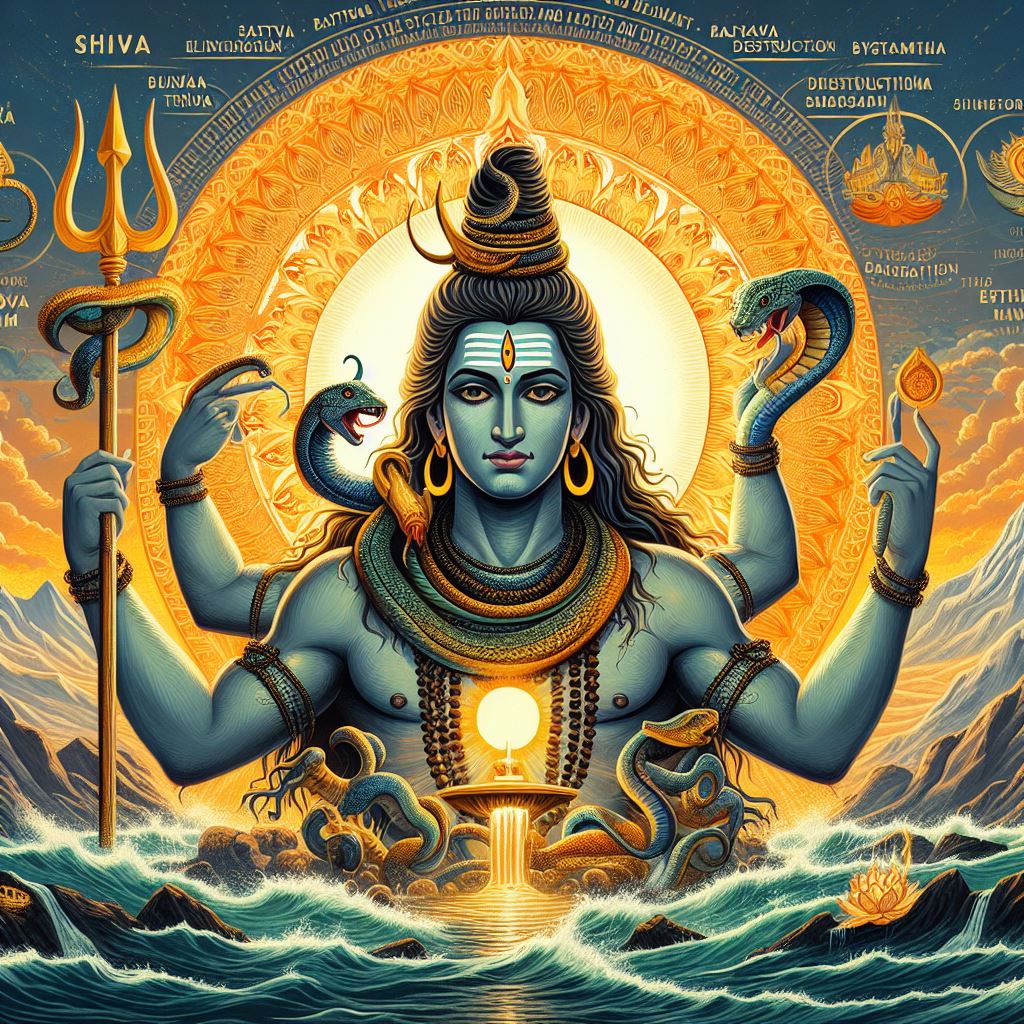
Śiva, with infinite calm, took the entire Hālāhala Viṣa in His palms and in an act of sheer compassion… He drank it. But He did not swallow. With supreme control over His own being, He held the poison in His throat  between creation and destruction. His throat turned a deep, radiant blue. From that moment onward, the sages called Him:

1. Nīlkaṇṭha — The Blue-Throated One

2. The Lord who holds back destruction

3. The One who saves by containing, not by resisting

He absorbed the chaos and remained unmoved.
But this act was not His alone. As the fire of the poison raged in His throat, maa Pārvatī Devī  His consort, His Shakti. placed Her hand gently on His neck,
preventing the poison from descending into His body.
Shakti and Śiva stood as One Stillness and Compassion united in perfect harmony.The world was saved. Balance was restored.


The eternal teaching:

True divinity does not seek reward.
True power lies in absorbing the world’s pain in silence.
Not to destroy, but to protect. That is the glory of aadiyogi shiv . This is a mirror held up to your own journey.

1. The twist movement in ocean – your mind

2. The dark poison – your ego, pain, and hidden fears

3. Śiva – your inner Self

4. Shakti – your discriminating power, your inner devotion

when you churn your being when you face the inner poison with awareness. Can you reach the nectar of immortality-   real I .

Shiva soul: Anaahat chakras

Blessed are the rare devotees who worship the Chidanandalahari (divine consciousness/bliss) that eternally dwells in the heart chakra (Anahata).
The Anahata Chakra (heart lotus) is uniquely blessed, positioned in the center of our spiritual anatomy. It lies between two crucial points: the Mooladhara (root chakra) below and the Sahasrara (crown chakra) above, where the moon continuously bathes the energy channels with divine nectar.

This heart center is especially sacred because:

1. It contains the essence of all deities

2. It embodies the spiritual power of sacred pilgrimage sites like Srishaila

3. It’s guarded by the ten vital breaths (or the deities of the ten senses)

4. It’s connected to other major energy centers that shine like jeweled islands

5. It houses the individual soul (Jivatman), which extends throughout one’s being like a vast tree

Lord Shiva: A Motivational Perspective on Spiritual Strength

Who would you like to talk to soon?

The Key to the Fullness of Life

Lord Shiva has a special place in Indian culture and religion. He is not just a deity, but also a lifestyle, a philosophy, and a spiritual guide. Shiva is called Mrityunjaya, which means ‘beyond the last moment’. He is the god of destruction, which is necessary for the creation of the new creation. Surrender to them not only gives us satisfaction in material life but also paves the way for spiritual growth. The idea “Surrender to Shiva, and he will give you everything” is not just a religious statement, but a profound truth of life. Shiva means to join yourself, within your brain, there is a pea-sized pity gland and module whose form is similar to a Shivalinga and the serpent that is wrapped around Shiva is your speech. If you have control over your speech, then it is good, otherwise, it is also like some poison

Meaning of Shiva and His Symbolism:

Shiva means ‘benefactor’. They are Trinetradhars, whose third eye symbolizes knowledge, enlightenment, and destruction. They wear the serpent around their neck, symbolizing the cycle of life and death. Shiva’s damaru depicts the sound of creation and destruction, and the trident symbolizes three gunas – Sattva, Raja, and Tama. The Ganges flowing in their locks teaches us how to calm the difficulties and disturbances of life

Meaning of surrender to Shiva:

Surrendering to Shiva means renouncing one’s ego, selfishness,s and Maya and surrendering oneself to Shiva. This dedication is a symbol of deep faith and faith. When we offer our worries, sorrows, and joys at the feet of Shiva, we attain mental peace and contentment. This dedication helps us understand the truth of our lives and connects us to the true nature of our soul

Result of Dedication:

The most important consequence of surrendering to Shiva is that we go beyond material comforts and attain spiritual satisfaction. True reverence and devotion towards Lord Shiva make us get all the things that are necessary for our life. By the grace of Shiva, we get joy, peace, power, knowledge, and prosperity in life. He takes away all our sufferings and overwhelms us with His divine energy

Story: Shivabhakta Ravana

Ravana, who was a great Shiva devotee, pleased Shiva with his devotion and penance. Ravana performed rigorous penance to please Lord Shiva and eventually Shiva granted him a boon. This story teaches us that if we worship Shiva with a true heart and remain devoted to him, then Shiva fulfills us with all our wishes.

Ways to worship Shiva

1. Meditation and Yoga:

Remembering Shiva through meditation and yoga. It is an important step towards spiritual peace and self-realization.

2. Rudrabhishek:

This is a special puja in which water, milk, curd, ghee, honey, etc. are offered to the Shivalinga. This puja is very dear to Shiva.

3. Mahamrityunjay Mantra:

This mantra is chanted to bring peace, prosperity, and health to life. This mantra is a powerful medium to get the immense grace of Shiva.

4. Keeping your body healthy:

If you are on this earth, it is through your body. If your body system is healthy then Shiva will be happy in himself, you get complete knowledge of living life, it is necessary to understand every aspect of life

Incarnations of Bhagawan Shiva

1. Piplaad:
Helps devotees overcome Shani Dosha.

2. Nandi:
Considered an aspect of Shiva.

3. Veerbhadra:
Destroyed Daksha and his yagna.the fight between ego and real I

4. Bhairav:
Emerged during a fight between Brahma and Vishnu over superiority. Belong to creation and innovation.

5. Ashwatthama:
Born from the poison Shiva consumed during the Samudra Manthan, destined to kill oppressive Kshatriyas.

6. Sharabh:
Part bird and part lion.

7. Grihpati:
Born as the son of the Brahmin Vishwanar.

8. Rishi Durvasha:
Maintains universal discipline.

9. Hanuman:
Aided Shri Rama. This is the incarnation that is dedicated only to the Supreme Mighty Power

10. Brishabh:
Represents righteousness

11. Yatinath:
A peaceful form Journey of the inner soul.

12. Krishna Darshan:
Highlights the significance of religious rituals. Dedicate to love

13. Bhichhuwarya:
Protects all creatures.

14. Sureshwar:
Took the form of Indra to test a devotee.

15. Kiraat:
Tested Arjuna means surrender to Supreme Power.

16. Sunatnartak:
Asked for Parvati’s hand in marriage.

17. Yaksheshwar:
Removed false ego from the gods.

18. Avadhoot:
Crushed Indra’s arrogance. The meaning of surrendering to Lord Shiva is not just limited to religious rituals but it is a way of life, which leads us to freedom and liberation in the true sense. When we dedicate ourselves to Shiva in every aspect of our lives, we attain all the things that bring us perfection and contentment. Surrender to Shiva helps us understand the purpose of our lives and leads us to a deep, meaningful, and prosperous life

The Guru

Who was your most influential teacher? Why?

Shri Panchadashnam Juna Akhara: An Important Tapassthan |

In ancient times, Akhara was a group of saints and saints of India who worked for the protection of the nation and the protection of religion in situations against Raj Dharma in times of crisis. The sadhus of the Akhara also used to use their weapons to protect both the nation and religion from this type of crisis. That is why there was a ground for the wrestlers under the akhara, in which all the members of the arena used to practice more than one trick in terms of keeping the body strong and protecting themselves in times of crisis. He also used to learn weapons. Even in the present time, some Akharas are still ready to bring people on the right path with knowledge, etc. when the nation is in crisis. They are ready at all times to serve the country and humanity

In Kumbh, the largest fair in India, these Akharas still participate with full dedication and take a royal bath. These Akharas would have a president whose election is subject to a complex process. The Akhara system occupies an important place in Indian culture, whose main purpose is to conduct religious and social functions. Shri Panchdashnam Juna Akhara is one of the major Akharas of India, which plays an important role during the Maha Kumbh Mela. This Akhara is located in Haridwar of Uttarakhand state and is famous for its religious and social programs. The history of Shri Panchadashnam Juna Akhara is very ancient. It finds a very prominent place during the Mahakumbh Mela, where millions of devotees consider it as their religious organization. The name of this akhara is “Juna”, as it is traditionally associated with the Juna sect, in which the company of ascetics and spiritual practice play an important role. These are the names of the Dashnami sect: Giri, Parvat, Sagar, Puri, Bharati, Saraswati, Van, Aranya, Tirtha and Ashram. Out of the 7 Akharas, Juna Akhara is their special arena. The rank of Mahamandaleshwar is the highest in any akhara

The main objective of Shri Panchadashnam Juna Akhara is to encourage public struggle and spiritual growth through meditation, penance, religious education, and service. The members of this akhara are devout in meditation and penance and study various religious texts.
Members of Sri Panchadashnam Juna Akhara regularly participate in religious programs, social service campaigns, and meditation houses. It organizes meditation and religious activities that help seekers towards spiritual growth and understanding the spiritual message The importance of this akhara is special in Indian culture, as it provides a path of spiritual growth to seekers along with conducting religious and social functions. Shri Panchdashnam Juna Akhara enjoys deep reverence and respect in society for its religious message and service efforts. Earlier it was known as Bhairav Akhara because at that time his presiding deity was Bhairav, which is a form of Shiva. At present, the presiding deity of this akhara is Lord Dattatreya, who is Rudravatara. There are also Avahanas, Alkhiya, and Brahmacharis under this akhara. It is said that Juna Akhara is the largest among the 7 Akharas of the Shiva Sanyasi sect, which has about 5 lakh Naga Sadhus and Mahamandaleshwar Sanyasis Most of these sadhus are Naga Sadhus. There are mahants according to different regions. Juna Akhara was established in 1145 when the first monastery was established at Karnaprayag in Uttarakhand. It is also called Bhairav Akhara. Its presiding deity is Shiva and Rudravatar is Guru Dattatreya God. Their center is believed to be at Hanuman Ghat in Varanasi and their ashram is near the Maya temple of Haridwar. The headquarters of Shri Panchdashnam Juna Akhara is located in Varanasi

Through this Akhara, seekers awaken their spiritual sensibility and do the work of service for society. In this form, Shri Panchadashnam Juna Akhara is an important part of Indian culture, which plays an active role in developing society through spirituality and service. At present, the Acharya of the Akhara is Mahamandaleshwar Swami Avdheshanand Giri Maharaj and the International Patron Shrimahant Harigiri Acharya Swami Parmatmanand of Shri Panch Dashnam Juna Akhara established Mrityunjaya Ashram in Tedinim in Kashi and Kankhal in 1921. According to the tradition of Juna Akhara, the Akhara is run by a 17-member committee. The presiding deity of the Akhara is Lord Dattatreya. Maa Mayadevi Temple, Anand Bhairav Temple, Shri Harihar Mahadev Parad Shivling Mahadev Temple are under this akhara

It is also described in all historical and religious books. The rules of the Akhara are very strict and the Akhara loves discipline about them. Sadhus who do not follow the rules are shown the way out. At present, there are more than five lakh sadhus in the Akhara, with the largest number of Naga monks. There are more than 120 Mahamandaleshwars in the arena at present. Whose splendor is the pride of Yatra Kumbh Mela and gives it grandeur and divinity Shri Panch Dashnam Juna Akhara does a lot of work for social reform. After the recognition of transgenders as a third gender by the Supreme Court, the Akhara not only gave the Kinnar Akhara a place in its akhara to bring them into the mainstream of society but also allowed them to put the religious flag and take a royal bath with them. In Haridwar Kumbh, Shripanch Dashnam Juna Akhara along with Agni and Ahvaan Akhara also take out their Peshwai and also take a royal bath with the same. Shri Panch Dashnam Juna Akhara was the first to take a bath while taking a Mahashivratri bath at Haridwar Kumbh. In which the saint Mahatmas of Agni and Ahvaan Akhara bathed with him and the members of Kinnar Akhara also shahi snshan with them.


Shri Panch Dashnam Juna Akhara was established in Samvat 1202 (Year-1145) Kartik Sudi 10 Tuesday in Karnaprayag of Devbhoomi Uttarakhand by Sundar Giri Maharaj, Dalpat Giri Maharaj, Laxman Giri Maharaj, Raghunath Giri Maharaj, Baikunth Giri Maharaj, Shankar Puri Maharaj Avadhuta, Veni Puri Avadhuta, Swami Dayavan, Swami Raghunath Van, Swami Prayag Bharti and Swami Neelkanth Bharti. It is also called Shri Panchayati Dashnam Junadatta Akhara or Bhairav Akhara. Their headquarters center is at Bada Hanuman Ghat in Varanasi Shri Panch Dashnam Juna Akhara has a special system of arrangement. This Akhara is a complete society where a committee of all the elder members of 52 families of sadhus is formed. All these people elect the chairman for the akhara. Once an election is held, the post belongs to the elected persons for life. These elections are held during the Kumbh Mela. In the Maharshi of the akhadas, from Mahant to Ashtakaushal Mahant and Kotwal are appointed.
The name of “Juna Akhara” is known as “Panch Dashnam Juna Akhara” because it belongs to the Panchdashnam sect. The Panchdashnam sect is a major saint sect in which the traditional number of saints is 15.

Hence, it is known as “Panch Dashnam Juna Akhara”, which signifies the 15 nomenclatures of this sect. “The 15 nomenclatures of the sect” means that the sect consists of 15 main saints, who are called by different names. These saints impart spiritual teachings, guide people, and contribute to the service of society during their lives. The initiation of the names of these 15 saints is accompanied by a specific Sanskrit word that represents their spiritual tradition This group of saints organizes various sects and saint sects and assimilates them as a social and spiritual community. Through the spiritual education and guidance of these saints, people gain religious knowledge and confidence

Origin identity

Describe your most ideal day from beginning to end.

purpose of Saptrishi


They are the seven mind-born sons of Bhagawan Brahma who live for a period of time known as a manvantara (306,720,000 Earth Years). Throughout this period, they function as representatives of Brahma. As the manvantara concludes and the universe undergoes destruction, the Saptarishis merge into Brahman, and the responsibility of replenishing the Earth is entrusted to newly designated Saptarishis. These enlightened beings bring essential knowledge and energies to fortify the processes of transition (pralaya). Naturally, they stand as the most evolved “light beings” in creation and serve as guardians of divine laws.

The first group of Saptarishi had worked closely with the Adi Yogi Shiva to maintain the balance on Earth. The present Saptarishis of Vyvasvata manvantara differs from text to text. Probably because we have lost the original texts. According to Mahabharata, Shanti Parva 12.322.27-

मरीचिरत्र्यङ्गिरसौ पुलस्त्यः पुलहः क्रतुः |
वसिष्ठश्च महातेजा एते चित्रशिखण्डिनः।।

The 7 celebrated Rishis, Marichi, Atri, Angiras, Pulastya, Pulaha, Kratu, & Vasishta of great energy, who came to be known by the name of Chitra-sikhandins.”

Srimad Bhagavatam 8.13.5 gives different name of seven sages for Vaivasvara Manvantara-

कश्यपोऽत्रिर्वसिष्ठश्च विश्वामित्रोऽथ गौतमः।
जमदग्निर्भरद्वाज इति सप्तर्षयः स्मृताः॥

Kashyapa, Atri, Vasiṣṭha, Vishwamitra, Gautama, Jamadagni & Bharadvaja are known as the seven sages.”

The Saptarshis of the Vaivasvata Manvantara According to Brahma Purana, Chapter 3 are-
Manvantaras) Atri, Vasista, Kaśyapa, Gautama, Bharadvāja, Viśvāmitra & Jamadagni. Brihadaranyaka Upanishad mentions the names of Saptrishis of Savarni Manvantara which will be the next Manvantara-

गालवो दीप्तिमान्रामो द्रोणपुत्रः कृपस्तथा।
ऋष्यशृङ्गः पितास्माकं भगवान्बादरायणः ॥ ८.१३.१५ ॥
इमे सप्तर्षयस्तत्र भविष्यन्ति स्वयोगतः।
इदानीमासते राजन्स्वे स्व आश्रममण्डले ॥ ८.१३.१६ ॥

“O King, during the eighth manvantara, the great personalities Galava, Diptiman, Parasurama, Asvatthāmā, Krpacarya, Rsyasrnga and our father, Vyasadeva, the incarnation of Narayana, will be the seven sages. For the present, they are all residing in their respective asramas.” During the onset of every Satya Yuga, Sapta Rishis come to earth and recount Dharma that is lost (by end of Kali Yuga all Dharma will be lost). This is mentioned in Chapter 31 Anusanga of Brahmanda Purana.

How Powerful Are They And What are Their Purpose?


Saptarishi, meaning “seven sages” are actually Brahmarshis. A Brahmarishi, a tatpurush compound of brahma, is a member of the highest class of Rishis, especially those who are credited with the composition of the hymns collected in the Rigveda.

A Brahmarshi is a sage who has attained enlightenment and became a Jivanmukta by completely understanding the meaning of Brahman and has attained the highest divine, infinite and self knowledge called Brahmajnana which means they have completely understood the meaning of Brahman. One cannot rise to the level of a Brahmarishi through merit alone, since the order was created divinely and is appointed by Bhagawan Brahma. Upon the passing of a Brahmarshi, they achieve Paramukti, liberating themselves from Samsara—the continuous cycle of life and death. The Saptarishi are praised in various passages within the Vedas and other literature. While the Vedic Samhitas refrain from explicitly listing these sages by name, subsequent Vedic texts like the Brahmanas, Upanishads, and Puranas provide such enumerations.

These Saptarishi are so powerful that they are capable of defeating every weapon on earth, can forecast the future, and are not influenced by the circle of life and death. In ancient Indian astronomy, the constellation of the Big Dipper is called saptarishi, with the seven stars representing seven rishis. Please note that The Ursa Major, Big Bear and Saptarishi are one and the same. Whether a person is in a worldly life or a spiritual life, he has only one dream or only goal that he should succeed in life. For which he also works and also prays to God. But even after this, there are no positive changes in his life. Due to this, the person starts losing faith in God and sometimes he starts showing himself as an atheist. In such a situation, we should not forget one thing God understands emotion, not language If the interest of others is involved in your success, then you will be successful in that work. Indian spirituality teaches us that the path to success passes through sadhana, sankirtan, and selfless service. If there is a deficiency in any one of these three, then we will face failure even after a million attempts. Therefore, one should meditate, sankirtan, and selfless service, so that one can get both permanent success and beautiful health in life

Lord shiva

Who are your favorite artists?

The Adiyogi

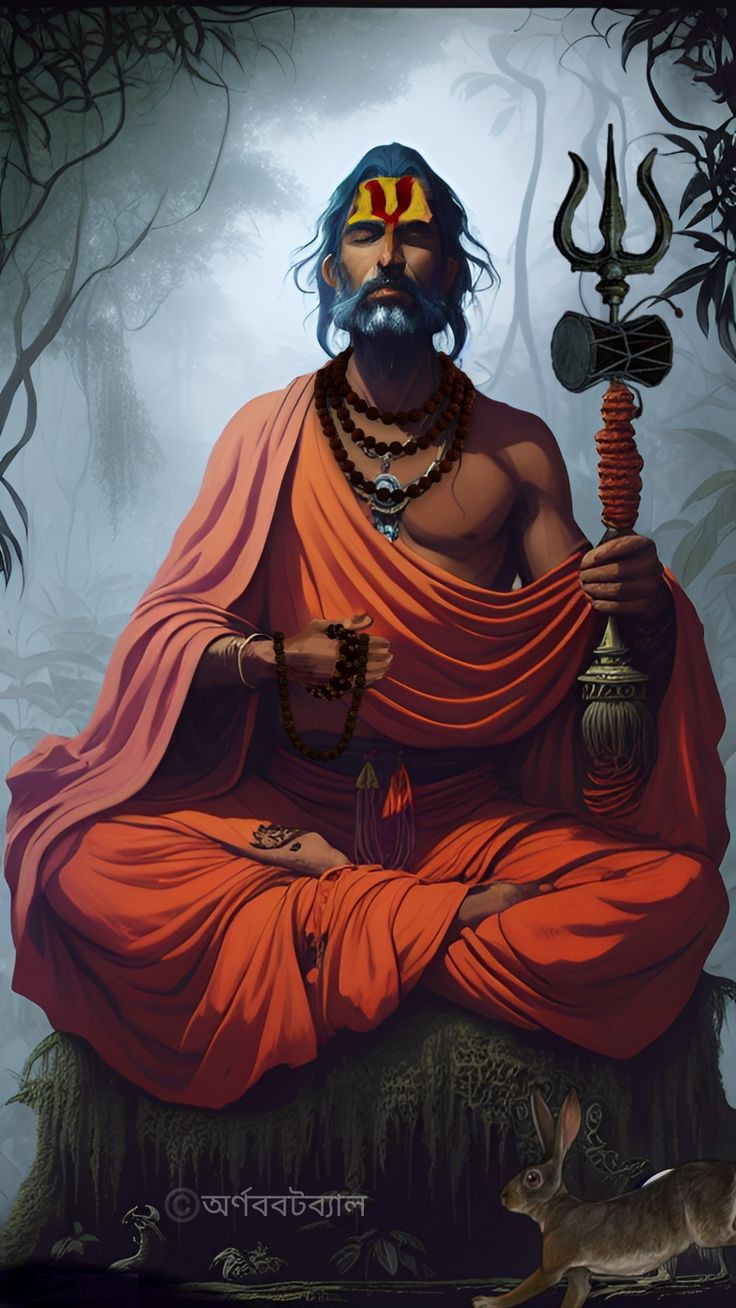
Lord Shiva is the ideal of Indian art. Adiyogi Shiva is the main basis of India’s culture and spiritual practice and is the guide. Various forms of art and learning arise from them, while sound and beej mantras have also originated from their damru. Mythology is the medium for you to understand. If you want to learn the code language, then it is very important to study the Upanishads Shiva is benevolent. Many aspects of his infinite and immense nature have emerged in many ways in Indian art. Artists have depicted him in various postures and limbs since time immemorial. Even his truth, Shivam, Sundaram form has manifested itself as beauty in Indian art. The presence of Shiva in Indian art is seen since the Harappan period. Historians have proved through archaeological evidence that Shiva worship was prevalent in the mass society in the era of the Indus Valley Civilization Archaeologists have found a seal in Mohenjodaro in which a deity is seated in the form of a yogi, just like we put Padmasana in a picture of Shiva in a meditative posture.
Let’s see. Eminent archaeologist, Marshall has firmly considered this Harappan deity as ‘Adi Shiva’. Other historians have also accepted Marshall’s view.

Lord Shiva is accepted as the linga representative. The infinite form of Lord Shiva is most commonly seen in the form of “Shivalinga”. There is a mention of Linga worship in the discipline festival and other Puranas of Ramrajya Ramayana, but its clear description is found in Matsya Purana. Initially, these forms of Shiva were installed in the main sanctum of the temples, but later the practice of installing only the linga in the temple developed According to Shiva Mahapuran, it is only an external Shiva form. According to this book, Shiva is not located outside but in Shambhavi inside. That’s why he is Shambhu. His appearance gives a sense of art. Lord Shiva has been described as having four faces, that is sweet truth speech, four Vedas.  Shiva’s two hands inspire us to maintain balance and support in every situation in life. They have control and discipline in their lives. 

In spiritual sciences, Shiva is considered to be a great knower of knowledge, yoga, and dance. Lord Dakshinamurti imparts this knowledge to his devotees. For this reason, the idols depicting Shiva as a great knowledgeable person are called ‘Dakshinamurti’. In a ‘Dakshinamurti’, Shiva appears to be a universal teacher. One of his feet is on the ground and the other is raised on the throne as if he is explaining something In Indian art, Shiva is considered as Nataraja i.e. the emperor of dance. It is said that he composed 108 types of dances. Of these, Tandav dance is the most popular. There are many sculptures showing this Tandav dance. Shiva taught this dance to his disciple Tund. That is why it got the name Tandav. The skill that the artists have displayed in sculpting the idols of Nataraja Shiva in dance pose is 😍 amazing.

Shiv Sutra : Power to choose !!

शुक्लं यजुर्वेद के रुद्राष्टाध्यायी सुत्र में उल्लेख है,
तन्मे मनः शिवसंकल्पमस्तु

इस सुत्र को हमे समझना होगा, शाब्दिक अर्थ को तो आप जानते ही होंगे। पर इस सुत्र को महाशिवरात्री के शुभ अवसर पर जिवन में पिरोना होगा। यह सुत्र हमे बताता है, और सिखाता है,अगर आप किसी हाथी पर बैठना चाहते हो तो उस हाथी के संपर्क में आपको आना होगा उसे सिखाना होगा। अगर आपके जिवन मे वह गुरु शक्ती नहीं है। तो आप उसे शिक्षा के पाठ पढ़ा सकते हैं, परंतु समय आने पर वह हाथी आपको पटक देना! अगर गुरु है, संकल्प है तो आप अवश्य विजयी होंगे। यह हाथी का संदर्भ मन से है। यही शिव सूत्र हमे ज्ञान प्रदान करता है।

यह सुत्र सिखाता है, हमारा मन शुभ संकल्प से युक्त हो। संकल्प शक्ती बहुत प्रचण्ड है। इसी सृष्टी का निर्माण भी संकल्प शक्ती के द्वारा ही हुआ है। कोई भी शुभ कार्य करने से पहले संकल्प का आव्हान होता है। फिर वह संकल्प शक्ती उस कार्य में अपने प्राण शक्ति का हुंकार करती है। अगर मन मे संशय है तो, संकल्प शक्ती कमजोर होती है। और कार्य अपूर्ण होता है। संकल्प शक्ती के व्दारा मनुष्य मे बड़े स्तर पर उत्साह, धैर्य, का आगमन होता है। संकल्प शक्ती दृढ़ संकल्प में परिवर्तित होती है। दृढ़ संकल्प की अदभुत शक्ती निश्चिय की सवारी पर सवार होती हुई अपने परम लक्ष्य तक पहुंचती है, इसलिए मन स्थिर, और एकाग्र रखना महत्वपूर्ण हैं। यही मन चुनाव करता है, की आप चाहते क्या हो? भगवान शिव शिवरात्रि की आराधना हमे जीवन को योग्य दिशा सिखाती है।

एकाग्रता की दिव्य ऊर्जा से से संकल्प शक्ती दृढ़ होती जाती है। मन अगर अस्थिर है, तो आप लक्ष्य तक नहीं पहुंच सकते हैं। यहाँ योग दर्शन के वह सूत्र का आधार लेना आवश्यक होता है,

अभ्यासवैराग्याभ्याम् तन्निरोध” अभ्यास और वैराग्य से चंचलता को कम कर सकते हैं, अर्थात अच्छी चिजो के अभ्यास की हमे तैयारी करनी होगी। इस मन को योग्य अभ्यास में लगाना होगा। आज कि परिस्थिती कुछ अलग है। हमने अपने मन को नकारात्मक चीजों मे लगाया है। मन को अभ्यास हुआ है, डिप्रेशन, छोटी असफलता पर शोक करना, रोगी बनना। इसी कारणवश जिवन को देखने का दुष्टीकोन नैराश्य लेकर आता है। जिवन रोगी बनता व्यतिथ होता है। हर कर्म असफलता को प्राप्त होता है। इस लिए हमे अपने मन पर काम करना होगा। उसे योग्य अभ्यास में लगाना होगा। संकल्प शक्ती को हमें उच्च रखना होगा। यही संकल्प शक्ती आपको “तीव्रसंवेगामासन्न” से आप लक्ष्य को जल्दी वेग पूर्ण गति के साथ हासिल कर सकते हो। असामान्य परिस्थितीयो मे भी मन घबराने नही लगेगा। विलक्षण प्रयत्नो के जोड़ से हम अपनी यात्रा पुर्ण करने में सफल होंगे। प्रयासो से क्रांती आने में विलंब नहीं है। महामना मालवीय जी हिंदू विश्वविद्यालय की स्थापना के लिए कृत संकल्पित थे। इसी संकल्प का परिणाम स्वरूप आपके सामने हैं, यही विश्वविद्यालय संपूर्ण जगत्‌ मे अपनी पहचान लेकर खड़ा है।

संकल्प शक्ति के आधार पर आप बड़ी से बड़ी चट्टानों को पार कर सकते हो। अर्थात् जीवन की समस्या आपको रोक नहीं सकेगी। अगर संकल्प शक्ति कमजोर है तो, यह स्वयं ही सर्वनाश है। मनुष्य का आध्यात्मिक जिवन और विकास इसी संकल्प शक्ती पर आधारित है। यही आत्मनिर्भर होने का राजमार्ग है। आध्यात्मिक उपलब्धी भी उस मनुष्य से दूर नहीं।

अथर्व वेद मे यही आशय पर आधारित सूत्र है,
यो वः शुष्पो हृदयेष्वंतराकृतिर्या वो मनसि प्रविष्टा । तान्त्सीवयामिहविषाघृतेन मयि सजाता रमतिर्वो अस्तु ॥

हृदय का बल और मन की संकल्पशक्ती अगर एक दिशा में आगे बढ़े तो आपको आपके परम् लक्ष्म पाने में सफलता ही प्राप्त होंगी। इसी संकल्पशक्ती के आधार पर व्यक्ती, जाती, और संस्कृती अजेय बनती जाती है। जीवात्मा से परमात्मा की यात्रा का सुगम अवसर की प्राप्ती होता है। “यथा पिण्डे तथा ब्रम्हाण्डे” । पिण्ड मे ब्रम्हाण्ड समाया है। पिण्ड का अर्थ होता शरिर, स्थुल शरिर और सुक्ष्म शरिर। ब्रम्हाण्ड का मतलब होता है “अनंत”। यह अनंत की सत्ता बाहर नहीं हमारे भीतर है। यह वो साक्षी काल होता, जो रात्रि काल भी शिव के अलंकार से श्रृंगार किया करती हैं । काल भी शिव उपासक बनकर शिव ही शिव को जपता चला जाता है, शान्ति और शक्ति का अदभूत मिलन का वह पर्व है, ‘महाशिवरात्री ”। चेतना विकास का यह अदभुत संगम है, जिसमे शांति, तेज और शक्ति संचार होता हैं।

यही जीवात्मा वह द्वार बनता जो रास्ता आपको परम् शिव तक आपको पहुंचाता है। यहां तक पहुंचने के लिए आपको जरूरत होती है, दिशा का चुनाव करने की। चुनाव करना अर्थात् “मन”। यही मन सबसे महत्वपूर्ण है, और शक्तीशाली भी। इसी मन के व्दारा मनुष्य अपनी इच्छा, संकल्प को साकार करता हैं। अर्थात पूर्ण करता है। मन शक्ती आपको (आत्मा) को इच्छाओं ‍मे जकड़ कर रखती है। हमारा जीवन इसी भ्रम जाल मे जकड़ा रहता है। अविद्या का उद्गम यहाँ से शुरू होता है। वृत्तीयाँ भी शुरू होती है। इसी लिए हमारा स्वरुप वृत्ति के सामान एक रुप होता है। इसलिए महर्षि पतंजलि सूत्र का आधार देकर सूत्र बताते है”

वृत्तिसारुप्यमितरत्र’ सा होता है। हम माया के जाल में फँसते चले जाते हैं। इसलिए महत्वपूर्ण है, मन पर नियंत्रण अथवा चंचलता को क्षीण करना। यहाँ आपको समझना है, श्वास का सबन्ध मन से होता है, और मन का सीधा संबन्ध संकल्प से होता है। संकल्प शक्ती आत्मा की शक्ती कही जाती है, संकल्प से युक्त मनुष्य सत्य का आचरण कर आत्मा तक साधना के माध्यम परम् गति को प्राप्त होता है। पुर्णत्व का दिव्य अनुभव साधक को प्राप्त होता है। श्रद्धा साधक की मानस अलंकार होती हैं

संशयात्मा विनश्यति”
जिसका मन संशय रूपी असुर से ग्रसित है, वह मनुष्य दृढ़ संकल्प को छू नहीं सकता। इसी में अपना विनाश को पात्र होता चला जाता है।

सामान्य मनुष्य काम को पूर्ण करने के लिए अपने 100% नही लगाता। अर्थात् मन लगाकर वह कार्य नही करता है। काम को पूर्ण करने में वह अपनी चंचलता का प्रदर्शन करता है। यही कारण है, उसके जिवन मे निराशा, निरुत्साह, असफलता आती है। यही नकारात्मकता की जड़ है। यही निराशा विचारों को नकारात्मक पोषण देती है। इसी आधार पर जीवन की दिशा धारा तय होती है। इसके विपरित आप अगर हर एक कार्य को अपने 100% लगाकर करते हो तो आपको सफलता मिलेगी। इसके साथ आपमें स्विकार करने की शक्ती का विकास होता है। आपका हर एक कार्य जागृती के साथ पूर्ण होता है। कार्य की गती, उत्साह को आप अनुभव कर सकने में समर्थ होंगे।

सर अडयार ने एक सिद्ध योगी से संबन्धीत अपनी किताब में लिखा है, उन दिव्य आत्मा का नाम स्वामी गोविन्ददेव था। जब इन्होंने जल से भरा हुआ घडे को आदेश दिया, उस आदेश का पालन करने के लिए वह मिट्टी का घडा जमिन से देड़ फुट तक उपर उठाता। एक समय गालव महर्षि जी के आश्रम मे अकाल पड़ा और उनके शिष्य प्यास से व्याकुल हो गए थे। इस दशा को देखने और समझने बाद महर्षि ने वहाँ के पर्वत को जल को देने का आदेश दिया। तभी वह पर्वत मे से उसी क्षण से एक जल धारा उत्पन्न हुई है।

यह पावन तपोस्थली राजस्थान के जयपुर शहर के पास गलताजी नाम से प्रख्यात है। चित्रकुट पर्वतीय श्रृंखला में महर्षि अत्री जी और उनकी भार्या अनुसया माता जी के आश्रम मे विपरित समय था। कही पर भी पीने के लिए पानी नहीं था। उस समय मे तपोनिष्ठ अत्री महर्षी आश्रम मे उपस्थित नहीं थे। पर उनकी पत्नी माँ अनुसया जी ने अपनी संकल्पशक्ती और तप के बल पर माँ गंगा का ‘आव्हान किया, तभी माँ गंगा का अवतरण हुआ। यह केवल आध्यात्मिक चमत्कार नही है। भौतिक शरिर के स्तर पर संकल्प शक्ती के बल पर अनेको चमत्कार सिद्ध हुए है। झारखंड के गहलौर का रहने वाला ‘दशरथ मांझी ने पहाड़ को खोदकर अपना रास्ता बनाया था। इस काम को पूर्ण करने के लिए उसे 22 साल लगे थे। यह कार्य केवल संकल्पशक्ती का कमाल है।

शिव तत्व : शिवो भूत्वा शिवं यजेत्”

शिव नाम परमात्मा का है (शिवु कल्याणे) इस धातु से ‘शिव’ शब्द सिद्ध होता है। ‘बहुल-मेतन्निदर्शनम्’= [धातुपाठे चुरादिगणे] इससे ‘शिवु’ धातु माना जाता है, “यः मङ्गल-मयो जीवानां मङ्गलकारी च सः शिवः”= जो [स्वयं] कल्याणस्वरूप [है] और [सबके] कल्याण का करने वाला है, इसलिये उस परमात्मा का नाम ‘शिव’ है । महाशिवरात्रि पर्व भगवान् शिव की प्रसन्नता प्राप्त करने के लिए प्रसिद्ध है। शिव का अर्थ होता है-शुभ, भला। शंकर का अर्थ होता है- कल्याण करने वाला । निश्चित रूप से उन्हें प्रसन्न करने के लिए मनुष्य को उनके अनुरूप ही बनना पड़ता है। सूत्र है- “शिवो भूत्वा शिवं यजेत्” अर्थात्- शिव बनकर शिव की पूजा करें, तभी उनकी कृपा प्राप्त हो सकती है। यह भाव गहराई से साधकों को हृदयंगम कराया जा सके तथा शिव की विशेषताओं का सही रूप उनके ध्यान में लाया जा सके, तो वास्तव में साधना के आश्चर्यजनक परिणाम मिलने लगें।

भगवान शिव के प्रति जनसाधारण में बहुत आकर्षण है; किन्तु उनके सम्बन्ध में भ्रांतियाँ भी खूब हैं, इसलिए शिव की साधना के नाम पर ही भ्रांतियां होते रहते हैं। शिवरात्रि पर्व पर सामूहिक आयोजन के माध्यम से फैली हुई भ्रांतियों का निवारण करते हुए शिव की गरिमा के अनुरूप उनके स्वरूप पर जन आस्थाएँ स्थापित की जा सकती हैं। ऐसा करना व्यक्तिगत पुण्य अर्जन और लोककल्याण दोनों दृष्टियों से बहुत महत्त्व रखता है। शिव का अर्थ है- शुभ, शंकर का अर्थ है- कल्याण करने वाला।

शुभ और कल्याणकारी चिन्तन, चरित्र एवं आकांक्षाएँ बनाना ही शिव आराधना की तैयारी अथवा शिव सान्निध्य का लाभ है। शिवलिंग का अर्थ होता है शुभ प्रतीक चिह्न-बीज । शिव की स्थापना लिंग रूप में की जाती है, फिर वही क्रमशः विकसित होता हुआ सारे जीवन को आवृत कर लेता है। शिवरात्रि पर साधक व्रत-उपवास करके यही प्रयास करते हैं। शिव अपने लिए कठोर दूसरों के लिए उदार हैं। यह अध्यात्म साधकों के लिए आदर्श सूत्र है। स्वयं न्यूनतम साधनों से काम चलाते हुए, दूसरों को बहुमूल्य उपहार देना, स्वयं न्यूनतम में भी मस्त रहना, शिवत्व का प्रामाणिक सूत्र है।

नशीली वस्तुएँ आदि शिव को चढ़ाने की परिपाटी है। मादक पदार्थ सेवन अकल्याणकारी है; किन्तु उनमें औषधीय गुण भी हैं। शिव को चढ़ाने का अर्थ हुआ- उनके शिव-शुभ उपयोग को ही स्वीकार करना, अशुभ व्यसन रूप का त्याग करना। ऐसी अगणित प्रेरणाएँ शिव विग्रह के साथ जुड़ी हुई हैं। त्रिनेत्र विवेक से कामदहन, मस्तक पर चन्द्रमा मानसिक संतुलन, गंगा-ज्ञान प्रवाह, का उपयोग विवेकपूर्वक प्रेरणा प्रवाह पैदा करने में किया जा सकता है।

महाभारत में भगवती में देवी उमा व भगवान् शिव के संवाद भीष्म जी ने शर शैय्या पर पड़े हुए युधिष्ठिर को सुनाए थे, उनमें से एक प्रसंग हम उद्धृत करते हैं,

उमोवाच,

भगवन् भगनेत्रघ्न मानुषाणां विचेष्टितम्।

सर्वमात्मकृतं चेति श्रुतं मे भगवन्मतम् ।।

लोके ग्रहकृतं सर्वं मत्वा कर्म शुभाशुभम् ।

तदेव ग्रहनक्षत्रं प्रायशः पर्युपासते।।

एष मे संशयो देव तं मे त्वं छेत्तुमर्हसि

अर्थात् भगवती उमा जी भगवान् महादेव जी से पूछती हैं, भगवन्! भगनेत्रनाशन! आपका मत है कि मनुष्यों की जो भली-बुरी अवस्था है, वह सब उनकी अपनी ही करनी का फल है। आपके इस मत को मैंने अच्छी तरह सुना; परंतु लोक में यह देखा जाता है, कि लोग समस्त शुभाशुभ कर्मफल को ग्रह जनित मान कर प्रायः उन उन ग्रह नक्षत्रों की आराधना करते रहते हैं। क्या उनकी यह मान्यता ठीक है? देव! यही मेरा संशय है। आप मेरे इस संदेह का निवारण कीजिए। इसपर भगवान् महादेव शिव जी उत्तर देते हैं,

श्रीमहेश्वर उवाच,

स्थाने संशयितं देवि शृणु तत्त्वविनिश्चयम् ।।

नक्षत्राणि ग्रहाश्चैव शुभाशुभनिवेदकाः।

मानवानां महाभागे न तु कर्मकराः स्वयम् ।।

प्रजानां तु हितार्थाय शुभाशुभविधिं प्रति ।

अनागतमतिक्रान्तं ज्योतिश्चक्रेण बोध्यते ।।

किंतु तत्र शुभं कर्म सुग्रहैस्तु निवेद्यते ।

दुष्कृतस्याशुभैरेव समवायो भवेदिति ।।

केवलं ग्रहनक्षत्रं न करोति शुभाशुभम् ।

सर्वमात्मकृतं कर्म लोकवादे ग्रहा इति ।।

देवि! तुमने उचित संदेह उपस्थित किया है। इस विषय में जो सिद्धांत मत है, उसे सुनो। ग्रह और नक्षत्र मनुष्यों के शुभ और अशुभ की सूचनामात्र देने वाले हैं। [किंतु वास्तव में] ग्रह स्वयं कोई काम नहीं करते हैं। प्रजा के हित के लिए ज्यौतिष चक्र के भूत और भविष्य के शुभाशुभ फल बोध कराया जाता है। किंतु वहां शुभ कर्मकर्मफल की सूचना शुभ ग्रहों द्वारा प्राप्त होती है और दुष्कर्म के फल फल की सूचना अशुभ ग्रहों द्वारा ग्रहों ने कुछ किया है” – यह कथन लोगों का प्रमादि और दोष पूर्ण है। मात्र है। केवल ग्रह नक्षत्र शुभाशुभ कर्मफल को उपस्थित नहीं करते हैं अपितु सारा अपना ही किया हुआ कर्म ही शुभाशुभ फल का उत्पादक होता है।

[महाभारत शान्तिपर्व, अध्याय 145]

ॐ अमंगलानां शमनं, शमनं दुष्कृतस्य च ।

दुःस्वप्ननाशनं धन्यं, प्रपद्येऽहं शिवं शुभम्।।

अशुभ तत्त्वों का भी शुभ योग सम्भव है। कुछ ओषधियों में मादकता और विषैलापन भी होता है, उसे व्यसन न बनने दें। औषधि प्रयोग तक उनकी छूट है। व्यसन बन गये हों, तो उन्हें छोड़ें, शिवजी को चढ़ाएँ। संकल्प करें कि इनका अशिव उपयोग नहीं करेंगे। भीतर के दोषों को आज समय है उनका त्याग करने का। आज संकल्पित हो जाए, अशुभ का त्याग करने के लिए। इस महाशिवरात्री के दिव्य समय पर हमे दिक्षीत होना है। आगे बढ़ना है। शिक्षीत होकर साधना का रास्ता चुनकर जिवन को दिशा देने का यह समय है। इस समय पर ख़ुद को जकड़ो मत! आप जैसे हो? जहां हो? सब भगवान शिव को अर्पित करो! खुद को खोलने का यह समय है। जिस प्रकार एक बुंद सागर मे जिस प्रकार मिल जाती है। उसी प्रकार उस बुंद मे भी सागर मौजूद है। पर एक बुद भी उस विशाल सागर का बीज तो है। आप में भी उस अनन्त सत्ता का बीज है। आप भी उस शक्ती से परिपूर्ण हो। आप संपन्न हो। आप पुत्र हो उस अनंत सत्ता के!

यह शिवरात्री के पावन अवसर पर आदियोगी शिव हमे समझाते है, मै सर्वत्र हुँ। मेरे से सभी उत्पन्न है, और मैं प्रलय कर्ता हूं। इस शिवरात्री की पावन वेला जुड़ जाओ अपने महादेव के साथ। हर भीतर जाती हुई श्वास शिव है, तो बाहर नीकलती हुई श्वास शिव है यह समर्पन का महुर्त अपने महादेव का ही है। आपकी श्वास शिव हैं। आपका विचार शिव भी। आपका शरिर भी शिव। आपका भीतर का कण-कण शिव! स्वयं को पूर्ण शक्ती से शिव में अर्पित करना और भावना रखना शिव मेरे साथ है। वह चन्द्रशेखर आदि गुरू शिव के ज्ञान को स्वयं के पिण्ड ब्रम्हांड में प्रतिष्ठीत होता हुआ देखो इसलिए आप दिव्य हो । इस महाशिवरात्री के पावन अवसर पर एक दिव्य संकल्प व्रत धारी बनो। यही युगसुष्टा का आवहान है।