What TV shows did you watch as a kid?
Ketu and Ashwagandha
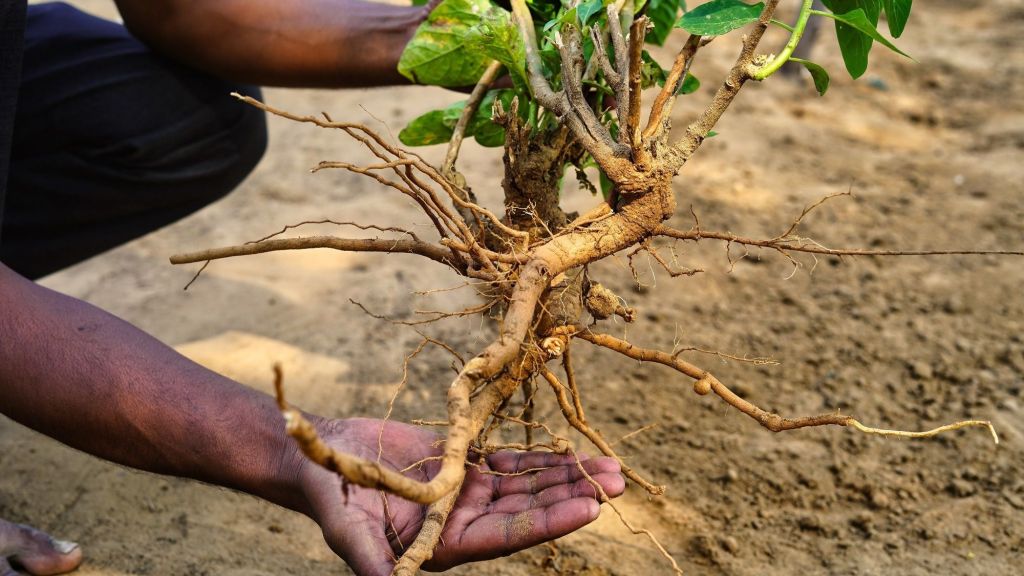
In Ayurveda, it is said that on this Earth, the only plant or herb considered “useless” is the one about which we lack knowledge. Ayurveda itself is regarded as an Upaveda of the Atharvaveda.
The Atharvaveda gives detailed descriptions of plants, their medicinal as well as astrological applications. Unfortunately, many plants are no longer correctly identified, but those that are known have proven and precise uses. While the proper therapeutic applications should always be guided by a qualified Ayurvedic physician, today, on Dakshinamurthy Ayurveda’s blog – Spirituality is Beyond Science, let’s explore the astrological and medicinal significance of Ashwagandha.
Ashwagandha is associated with Ketu, the planet that represents action and detachment. I often write that Rahu symbolizes illusion, thoughts, and desires, while Ketu represents the execution or manifestation of those thoughts into reality. In other words, Rahu is thought, Ketu is action.
So, when stress or other factors cause insomnia or restlessness, Ashwagandha helps calm Rahu’s confusion and supports Ketu’s grounding effect.
Traditional Practices with Ashwagandha
For insomnia and stress: Crush two fresh Ashwagandha leaves with your fingers, roll them into a small ball, and swallow with water.
For weight gain or general vitality: Those without weight concerns can take Ashwagandha root powder with milk, or consume Ashwagandha Pak. This is usually taken for 7 days, then paused for 7 days, and repeated as needed.
In Skin Diseases and Delayed Healing
The spread and complexity of disease cannot be assessed without understanding Rahu’s role. Rapidly growing or irregular cell behavior (such as in cancer), or wounds that resist healing, also fall under Rahu’s domain.
In such conditions, Ashwagandha leaf paste applied externally has shown benefit, especially in cases like skin disorders or diabetic foot wounds that heal slowly.
Other Classical Uses
Chronic fevers: A combination of Giloy (Guduchi) juice and Ashwagandha juice is traditionally used to bring down persistent fevers.
Insomnia & stress: When taken in appropriate amounts, Ashwagandha is one of the safest remedies, with no side effects.
Reproductive health:
In women, Ashwagandha is used in cases of Leucorrhea and irregular menstruation, often linked to the disturbed influence of Chandra (Moon) and Rahu.
In men, it helps with infertility, low sperm count, and poor sperm motility.
Spiritual and Astrological Note
Rahu’s illusions and expansions can only be balanced by Ketu’s wisdom. Therefore, during Ketu’s Mahadasha, Antardasha, or challenging transits, it is recommended to plant an Ashwagandha herb at home and nurture it. This act itself brings spiritual harmony.
At Dakshinamurthy Ayurveda Pvt. Ltd., we believe Ayurveda is not just a system of medicine but a living tradition that connects health, nature, and cosmic energies. As we often emphasize through our blog “Spirituality is Beyond Science”, true wellness is achieved when body, mind, and spirit are aligned.
⚠️ Disclaimer: The information above is meant for educational and cultural discussion. Always consult a qualified Ayurvedic practitioner before using Ashwagandha or any herbal medicine for health purposes.
🌿 Today’s Common Illnesses
In modern life, most people suffer from lifestyle-related illnesses:
Stress, anxiety & insomnia (caused by overthinking, work pressure, screen exposure)
Diabetes & hypertension (due to irregular diet, lack of exercise)
Low immunity (frequent infections, weakness)
Fertility issues in both men and women
Chronic fatigue & low energy
Ayurveda looks at these problems as imbalances in doshas (Vata, Pitta, Kapha) and weak immunity (Ojas).
🌱 Healing with Ashwagandha
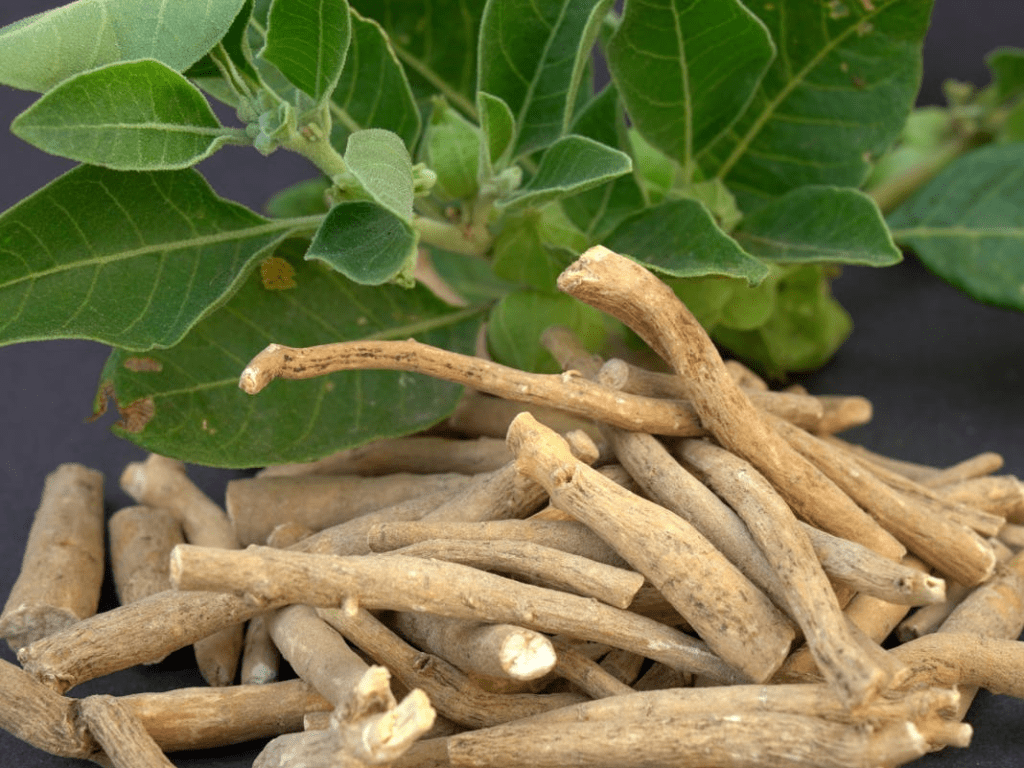
Ashwagandha (Withania somnifera), also called Indian ginseng, is one of Ayurveda’s most powerful herbs.
How it helps today’s illnesses:
1. Stress & Insomnia → Ashwagandha calms the nervous system, reduces cortisol (stress hormone), and improves sleep quality.
2. Low Immunity → It strengthens Ojas (vital energy), helping the body fight infections.
3. Diabetes & Weak Healing → Supports better metabolism and faster wound healing.
4. Weakness & Fatigue → Acts as a natural rejuvenator (Rasayana), increasing strength and stamina.
5. Fertility Issues → Improves sperm count in men, balances hormones in women.
Ways to use (with Ayurvedic guidance):
Ashwagandha powder (Churna): 3–5 grams with warm milk before bed.
Ashwagandha tablets/capsules: Safer for daily use in measured doses.
Ashwagandha root decoction or leaf paste: For specific conditions (like wounds or skin problems).
⚠️ Always take under the guidance of a qualified Ayurvedic practitioner, since dosage and form vary depending on your health condition.
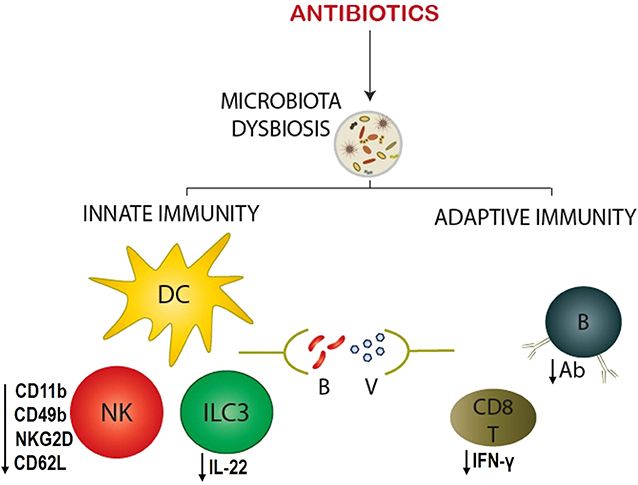
💊 The Challenge with Antibiotic Treatment
Modern antibiotics are lifesaving, but there are serious challenges today:
1. Antibiotic Resistance – Overuse and misuse of antibiotics cause bacteria to adapt, making infections harder to treat.
2. Side Effects – Antibiotics can disturb gut health, leading to acidity, diarrhea, and reduced immunity.
3. Short-term Relief, Not Root Cause – They kill bacteria but don’t strengthen the body’s natural defense system.
This is where Ayurveda offers a complementary path. Instead of just fighting microbes, herbs like Ashwagandha, Giloy, and Tulsi build inner strength (immunity), making the body less dependent on repeated antibiotic use.
Today’s illnesses mostly come from stress, poor lifestyle, and low immunity.
Ashwagandha is a powerful healer for stress, sleep, energy, immunity, and reproductive health.
The big challenge with antibiotics is resistance and side effects, while Ayurveda focuses on root cause + immunity building.
🌿 Ayurveda’s Approach vs Antibiotics
 Spirituality is Beyond Science
Leave a comment