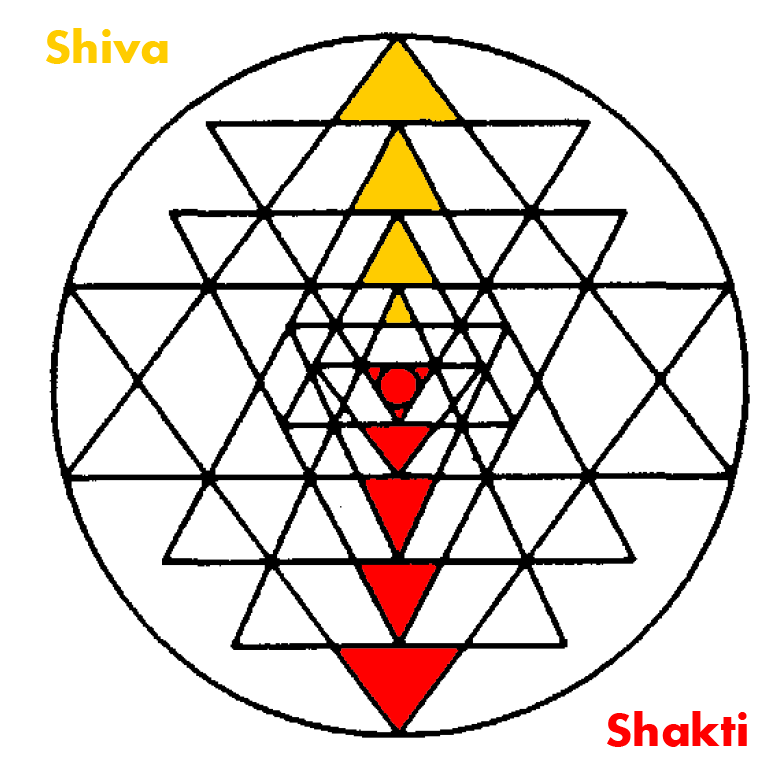
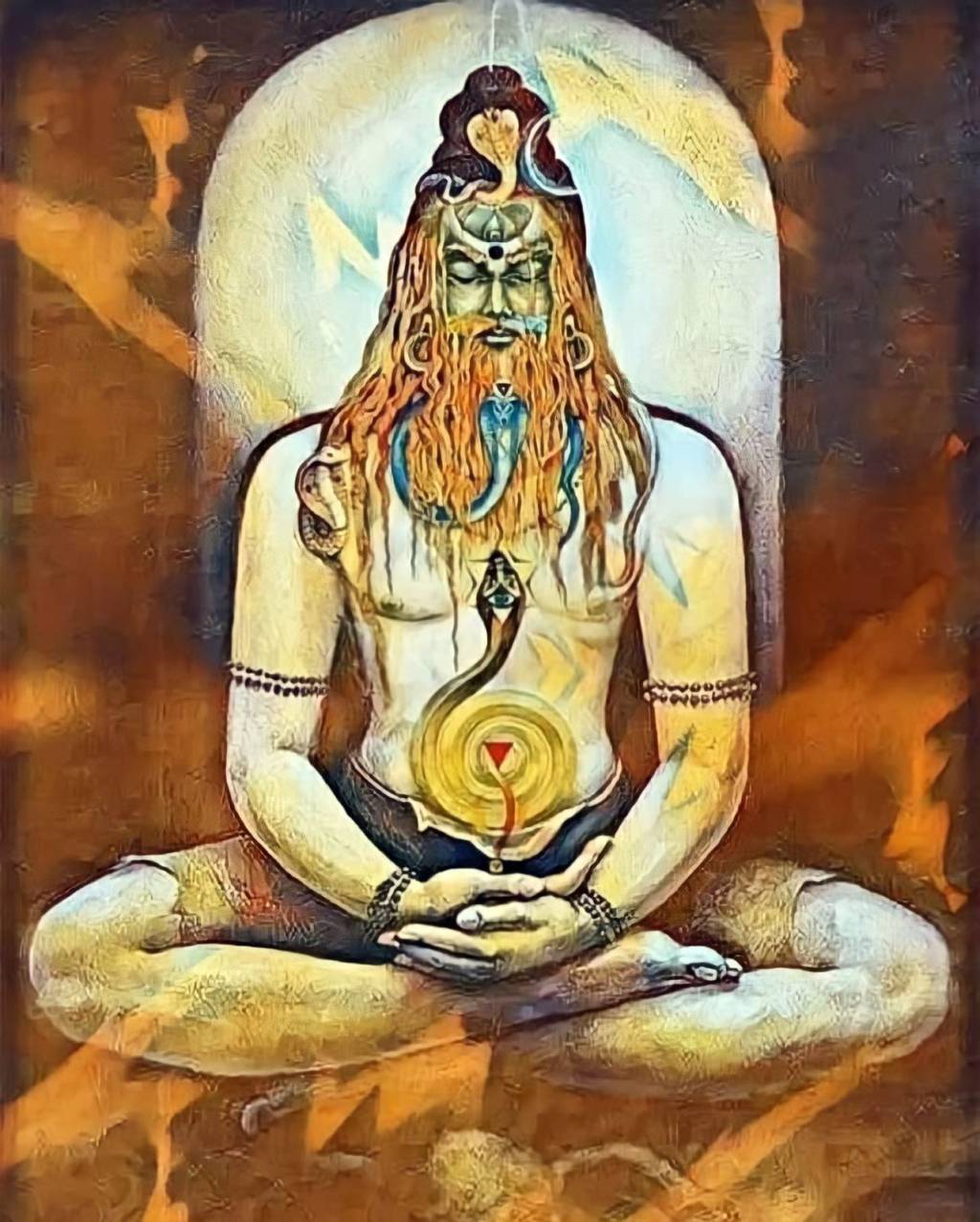
।।Yogashitvritti nirodha:।।

What is your favorite form of physical exercise?

The true meaning of Yoga.

Human life is the greatest privilege of this creation: God in the form of seed has filled in it all the possibilities which are in him himself. On this basis, the nature of human life has been called the form of happiness, which on attaining its development becomes like God. Realization and awakening of this spiritual form of existence is the important goal of this life. On this basis, he spoke of the descent of heaven on earth. Spiritual awakening can take place based on prayer or based on the divine, which teaches that we can reach the heights of heights. It is determined by the sanskaras rooted in the mind, which define life and behavior in the form of chittvrittis every moment.

Without transforming them, it is not possible to say when life will come to a state of failure, that is why life cultivation is an important work, through which the work of sophistication of the mind is proved, that any kind of negligence in it can prove fatal and therefore One has to be constantly engaged in this. The experiences of life are accumulated in the mind in the form of samskaras, which give their identity in the form of vrittis. They are known only when they are manifest in the form of actions, otherwise, they remain so deeply buried in the subconscious that they are not even realized.

It is something like when the bubble in a pond rises from the bottom, it is not visible from the outside, even when it reaches the surface, it cannot be seen. We could have prevented it from becoming a wave if we had known its origin. In the same way, negation is possible by transforming them into seed forms of sanskaras in the mind. Psychology considers their nature to exist in the unconscious, although its understanding of its transformation is not clear; Whereas Indian spiritual science has taken deep insights into them and there is a clear path for their transformation.

Spiritual aim.

Simultaneously, a method is used to refine and control the seeds of lust rooted in the mind, which is a powerful method of meditation. Meditation can be said to be the key to spiritual transformation, based on which the subtle desires that have taken root in the mind are purged and the seeker attains the ideal state of self-knowledge and self-realization of spiritual life. However, this is possible only when the mind has been calmed and stabilized to a certain level based on moral discipline and prayer. After delving into the depths of meditation, we become acquainted with those subtle blockages of the mind that remain trapped in the mind even after the maturation of bodily deeds and sanskaras. We scrape them off carefully. Gradually, we develop the capacity for introspection, which can discover and refine the desires, desires, etc. of the mind at the subtle level. In this way, the sadhak, with practice, detaches himself from the foreign feelings and attitudes to which he is attached and controls them by coming into the visual sense. With meditation, that inner light is awakened, which burns the desires and desires. With this gradually the soul is illuminated with its eternal glory and one enters the kingdom of lasting happiness, peace, and bliss.

Lord shiva

Who are your favorite artists?

The Adiyogi

Lord Shiva is the ideal of Indian art. Adiyogi Shiva is the main basis of India’s culture and spiritual practice and is the guide. Various forms of art and learning arise from them, while sound and beej mantras have also originated from their damru. Mythology is the medium for you to understand. If you want to learn the code language, then it is very important to study the Upanishads Shiva is benevolent. Many aspects of his infinite and immense nature have emerged in many ways in Indian art. Artists have depicted him in various postures and limbs since time immemorial. Even his truth, Shivam, Sundaram form has manifested itself as beauty in Indian art. The presence of Shiva in Indian art is seen since the Harappan period. Historians have proved through archaeological evidence that Shiva worship was prevalent in the mass society in the era of the Indus Valley Civilization Archaeologists have found a seal in Mohenjodaro in which a deity is seated in the form of a yogi, just like we put Padmasana in a picture of Shiva in a meditative posture.
Let’s see. Eminent archaeologist, Marshall has firmly considered this Harappan deity as ‘Adi Shiva’. Other historians have also accepted Marshall’s view.

Lord Shiva is accepted as the linga representative. The infinite form of Lord Shiva is most commonly seen in the form of “Shivalinga”. There is a mention of Linga worship in the discipline festival and other Puranas of Ramrajya Ramayana, but its clear description is found in Matsya Purana. Initially, these forms of Shiva were installed in the main sanctum of the temples, but later the practice of installing only the linga in the temple developed According to Shiva Mahapuran, it is only an external Shiva form. According to this book, Shiva is not located outside but in Shambhavi inside. That’s why he is Shambhu. His appearance gives a sense of art. Lord Shiva has been described as having four faces, that is sweet truth speech, four Vedas.  Shiva’s two hands inspire us to maintain balance and support in every situation in life. They have control and discipline in their lives. 

In spiritual sciences, Shiva is considered to be a great knower of knowledge, yoga, and dance. Lord Dakshinamurti imparts this knowledge to his devotees. For this reason, the idols depicting Shiva as a great knowledgeable person are called ‘Dakshinamurti’. In a ‘Dakshinamurti’, Shiva appears to be a universal teacher. One of his feet is on the ground and the other is raised on the throne as if he is explaining something In Indian art, Shiva is considered as Nataraja i.e. the emperor of dance. It is said that he composed 108 types of dances. Of these, Tandav dance is the most popular. There are many sculptures showing this Tandav dance. Shiva taught this dance to his disciple Tund. That is why it got the name Tandav. The skill that the artists have displayed in sculpting the idols of Nataraja Shiva in dance pose is 😍 amazing.