
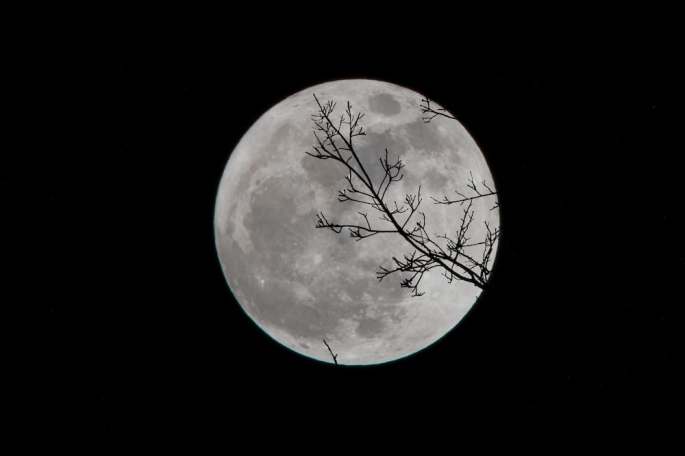
How much would you pay to go to the moon?
1. Mood and Emotions The moon is associated with emotions, feelings, and the mind. It influences our moods and mental states. It is believed to govern the subtle, emotional aspect of human nature.
2. Soma, the Divine Nectar In Vedic texts, Soma is often referred to as a divine nectar or elixir associated with the moon. It is considered a source of spiritual enlightenment and higher consciousness.
3. Cycles and Rhythms The moon’s phases have deep significance. The waxing and waning of the moon are seen as reflections of the cyclical nature of life, death, and rebirth.
4. Feminine Energy The moon is associated with feminine energy and is often linked with goddesses like Saraswati, Parvati, and Lakshmi in Hindu mythology. It embodies qualities like nurturing, receptivity, and intuition.
5. Meditative Practices The moon is considered an aid in meditation. Its calming influence on the mind is utilized in practices aimed at achieving inner peace and spiritual growth.
6. Astrology In Vedic astrology (Jyotish Shastra), the position of the moon at the time of one’s birth (Moon sign or “Chandra Rashi”) is believed to influence a person’s personality, emotions, and inner nature.
7. Deity Chandra Chandra is also considered a deity in Hinduism. He is often depicted as riding a chariot pulled by ten white horses, representing the ten directions in Hindu cosmology.
8. Soma Sacrifices In ancient Vedic rituals, Soma was an essential element in sacrificial ceremonies. Its consumption was believed to confer spiritual enlightenment and a sense of euphoria.
 Spirituality is beyond science