Write about a time when you didn’t take action but wish you had. What would you do differently?
The concept of Samayachara worship:
Core Concept:
Samaya chara worship is fundamentally about the fusion of chit Shakti (divine consciousness) with Brahman (ultimate reality).
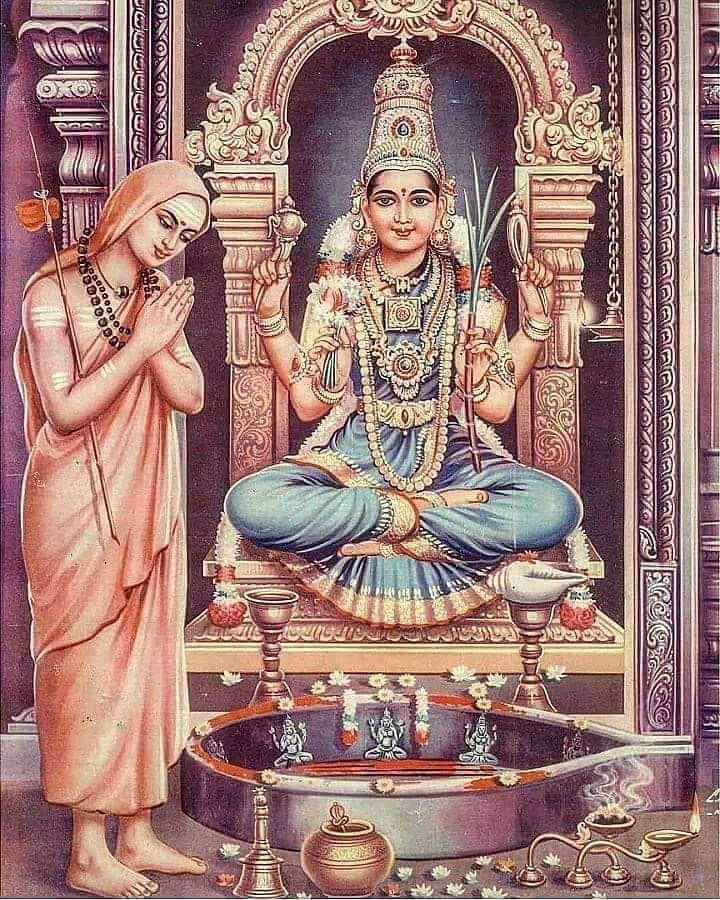
In this tradition, Shiva and Sridevi are viewed as complementary forces – Shiva as Samaya and Sridevi as Samayaa.
The Five-Fold Unity of Shiva and Shakti
1. Adhishthana Samya (Unity of Abode)
They share the same divine dwelling place or domain.
2. Anushthana Samya (Unity of Action)
Both engage in identical cosmic activities, particularly in the act of creation.
3. Avastha Samya (Unity of State)
They mirror each other in divine states and expressions, such as the dances of Lasya and Tandava.
4. Nama Samya (Unity of Names)
Their names reflect their inherent connection:
– Shiva and Shivaa
– Samaya and Samayaa
–
5. Rupa Samya (Unity of Form)
They share identical physical characteristics:
– Both have three eyes
– Both are associated with the color red
– Other physical attributes are matched
The Sacred Palace of Sricakra: A Divine Architectural Metaphor
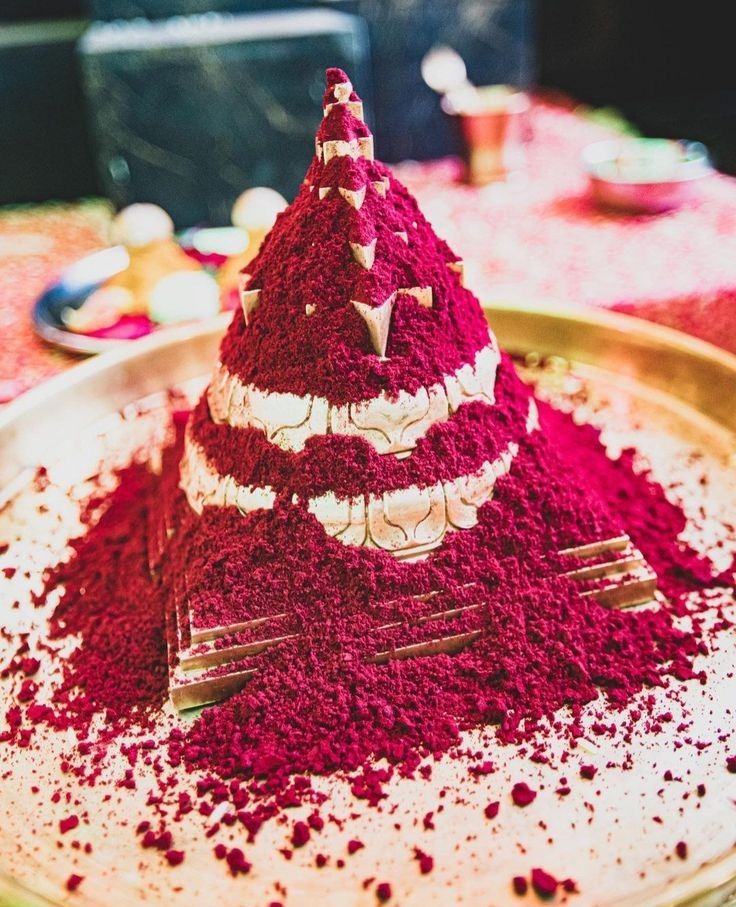
In the illustrious city of Sri pattana, a remarkable palace stands, constructed entirely from luminous Cintamani gems. The palace features three distinctive towers named Iccha Sikhara, Kriya Sikhara, and Jnana Sikhara, symbolizing desire, action, and knowledge. With four cardinal doors called Amnaya devas representing the Vedas: Purva, Dakshina, Paschim, and Uttara
The palace embodies sacred geometric precision. At its center, the Bindu Peetha, a powerful seat with four-sided steps, represents multiple divine aspects: Sri Peetha (prosperity), Maha Peetha (greatness), Vidya Peetha (knowledge), and Ananda Peetha (bliss). The entire structure follows the intricate design of Sri chakra, housing all male and female deities of this mystical configuration.
The central cot, resting on four divine legs: Brahma, Vishnu, Mahesana, and Iswara, which is supported by Sadasiva. Leading to this sacred space are 36 steps representing spiritual dimensions, with a foot rest positioned before the cot. A swan like bed adorns the cot, accompanied by two head pillows and one leg pillow, covered by a light red blanket. Upon this sacred throne, Lord Kameswara sits facing east, eternally manifested as a sixteen year old boy with four hands and three eyes, wearing elaborate ceremonial attire. On his lap resides Lalitha Devi, also perpetually sixteen, with a rosy complexion, four hands, and adorned with the moon, her name derived from her ability to please Sadasiva, embodying the principle of divine feminine grace.
 Spirituality is Beyond Science
Leave a comment