Vishnu Sahasranamam: A Divine Blend of Spirituality and Science

What personality trait in people raises a red flag with you?

How spirituality Raises pain barrier ??

The Vishnu Sahasranamam contains 1,000 names of Lord Vishnu, describing His infinite forms, qualities, and cosmic functions.
Each name carries deep philosophical and spiritual meaning.

Traditionally, it is recited in the morning or evening for maximum benefit.

Opening Meditation Verse.

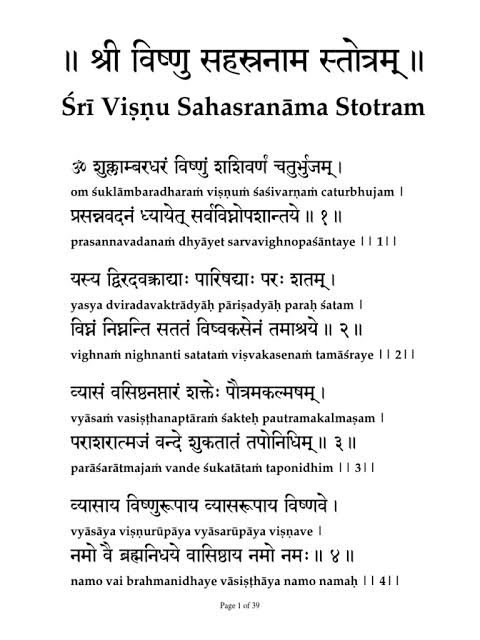
Before beginning the recitation, this shloka is chanted to meditate upon Lord Vishnu:


Shantaakaaram Bhujagashayanam Padmanaabham Suresham
Vishvaadhaaram Gaganasadrisham Meghavarnam Shubhaangam ||
Lakshmikaantam Kamalanayanam Yogibhirdhyaanagamyam
Vande Vishnum Bhavabhayaharam Sarvalokaikanatham ||

The Scientific Importance of Vishnu Sahasranamam

1. Sound & Vibrations :
Every syllable in Sanskrit produces a unique vibration. Continuous chanting of these thousand names creates healing frequencies that affect the mind and body. Studies show chanting activates Alpha & Theta brain waves, linked to deep relaxation and meditation.


2. Mental Health :
Regular recitation reduces Cortisol (stress hormone), eases anxiety, and brings emotional stability—working like powerful positive affirmations for the subconscious mind.


3. Heart & Breathing :
The rhythmic pace of chanting regulates breathing, calms the heartbeat, and stabilizes blood pressure, improving cardiovascular health.


4. Neuroscience & Memory :
Chanting engages both hemispheres of the brain—left (logic) and right (creativity). This improves memory, focus, and learning abilities.


5. Collective Chanting Effect :
When chanted in a group, it creates a field of resonance energy. This positive vibration uplifts the environment, promoting unity, harmony, and peace.

Vishnu Sahasranamam : Mantra for Complete Healing

Sanskrit mantras harmonize the body, mind, and soul. One of the most powerful is the Mahamrityunjaya Mantra:

Om|| Tryambakam Yajaamahe Sugandhim Pushtivardhanam
Urvaarukamiva Bandhanaan Mrityor Mukshiya Maamritaat ||

This mantra resonates with healing frequencies, boosting immunity, calming the nervous system, and accelerating physical and emotional recovery.


🧠 Today’s Challenge: Mental Health 🧠

In today’s fast-paced digital world, the biggest challenge is stress, anxiety, and digital overload.

✅ Just 10 minutes of Vishnu Sahasranamam chanting daily brings calmness, focus, and positive energy.


💪 Upcoming Challenge: Health Issues 💪

Modern lifestyles give rise to chronic health issues like:

Lifestyle Disorders: BP, Diabetes, Obesity

Sleep Problems: Insomnia, stress-induced restlessness

Low Immunity: Frequent infections, fatigue
A blend of Ayurveda, chanting, and meditation can prevent and heal these issues effectively.

The Impact of Spirituality

Spirituality is not just ritual—it’s a bridge between psychology and neuroscience.

✨ Benefits of spiritual practice:

Increases mindfulness and awareness

Strengthens emotional balance

Enhances harmony in relationships

Accelerates natural healing and immunity

The Vishnu Sahasranamam is not only a sacred hymn—it is a perfect synergy of Sound Therapy, Meditation, Neuroscience, and Ayurveda.
Incorporating it into daily life leads to mental clarity, emotional stability, physical wellness, and spiritual growth.

Cosmic Medicine & Mantra Healing: The Science of Inner Transformation


What is Cosmic Medicine?

Cosmic Medicine is the ancient wisdom that recognizes the universe (cosmos) and the human body as reflections of each other.
Just like the cosmos is made of vibrations, energies, and elements, the human body is also composed of the same five elements (Panchamahabhutas – Earth, Water, Fire, Air, and Space).

When the body and mind fall out of harmony, diseases arise.

Mantras act as cosmic codes that realign us with universal vibrations, restoring health and balance.


In simple terms: Cosmic Medicine = Healing through universal energy + sound vibrations + consciousness.


How Do Mantras Heal Every Organ of the Body?

Mantras are not just words—they are vibrational frequencies. When chanted with devotion and rhythm, each syllable resonates with specific parts of the body.

✨ Mechanism of Mantra Healing ✨

1. Vibration Resonance

Every organ has a natural frequency.

Mantra vibrations entrain (synchronize) these frequencies, helping restore balance.


2. Nervous System Activation

Chanting stimulates the vagus nerve, regulating heartbeat, breath, digestion, and emotional balance.


3. Hormonal Balance

Mantras calm the hypothalamus and pituitary glands, reducing stress hormones and promoting healing hormones like oxytocin, melatonin, and serotonin.


4. Cellular Healing

Modern research shows sound waves can influence DNA repair and cellular regeneration. Sanskrit mantras work as “sonic medicine.”


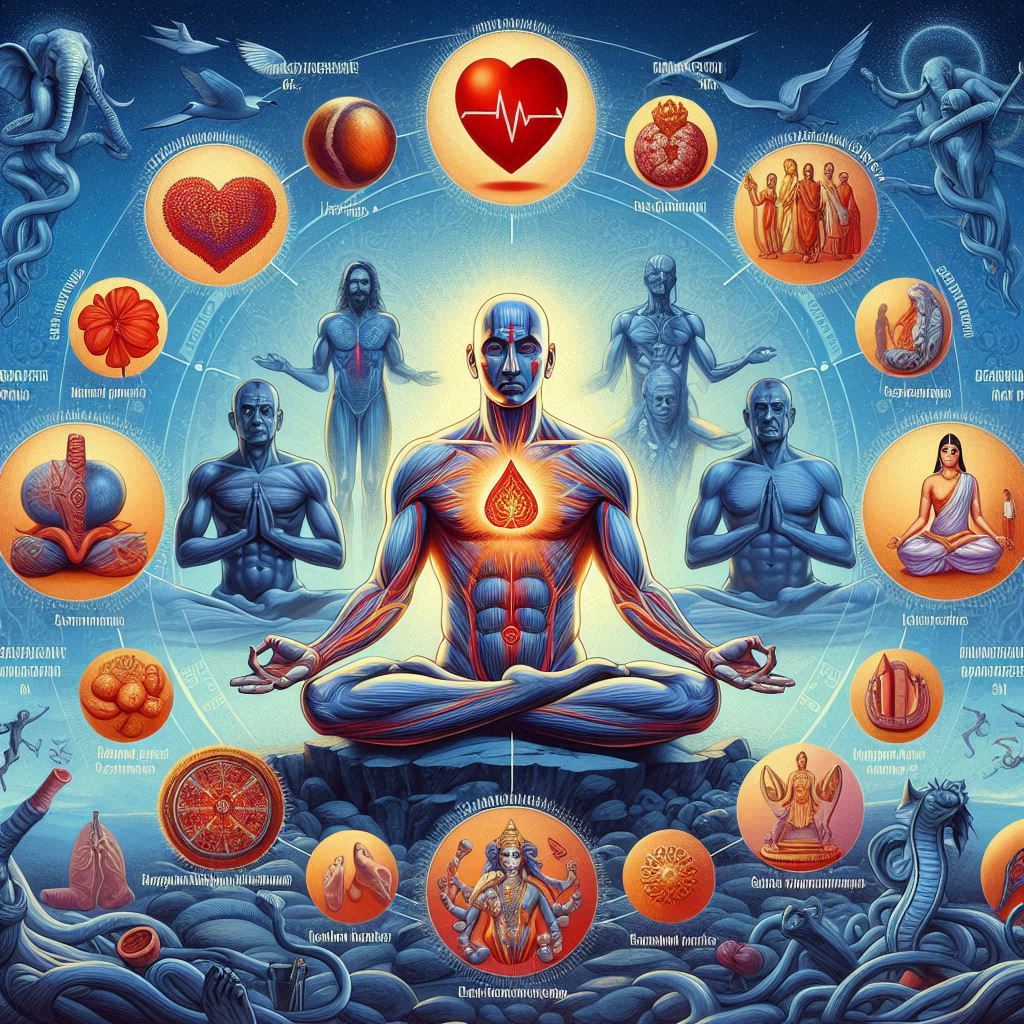
Impact of Chanting on the Body

1. Brain 🧠 – Activates alpha and theta waves → peace, creativity, deep focus.


2. Heart ❤️ – Regulates heartbeat, blood pressure, strengthens cardiovascular health.


3. Lungs 🌬️ – Deep rhythmic chanting improves lung capacity and oxygen supply.


4. Digestive System 🔥 – Activates the parasympathetic nervous system → better digestion.


5. Immune System 🛡️ – Reduces inflammation, strengthens natural immunity.


6. Emotional Body 🌸 – Releases fear, anxiety, anger → replaces with positivity and compassion

Daily Routine for Spiritual Practice (Practical Solution)


Here’s a balanced daily routine that integrates cosmic medicine, mantra healing, and spiritual discipline:

🌅 Morning (Start the Day with Light & Energy)

1. Wake up during Brahma Muhurta (4–6 am) – best time for meditation.


2. Hydrate – drink warm water with lemon or tulsi.


3. Mantra Practice:

Gayatri Mantra for clarity & energy.

Om chanting (11 or 21 times) for cosmic alignment.


4. Yoga & Pranayama – 20 minutes for breath, balance, and energy.


🕛 Midday (Balance Work & Life)

1. Eat Sattvic food – light, nourishing meals.


2. 5-minute mindful breathing or chanting “So-Ham” mantra during break.


3. Gratitude pause – mentally repeat “Thank You” for 3 things.


🌇 Evening (Transition from Work to Inner Peace)

1. Sunset Meditation – light a lamp, chant Vishnu Sahasranamam or Mahamrityunjaya Mantra.


2. Family Prayer/Chanting – collective vibration strengthens harmony at home.


🌙 Night (Healing & Deep Rest)

1. Light chanting of Om Shanti Shanti Shanti before bed.


2. Silent meditation (5 minutes) focusing on breath.


3. Sleep early for natural circadian rhythm.


Cosmic Medicine teaches that the body is healed when it vibrates in harmony with the universe.

Mantras act as vibrational tools that heal every organ, regulate the nervous system, and strengthen immunity.

A daily spiritual routine of chanting, meditation, and mindful living is the ultimate preventive and curative medicine—balancing body, mind, and soul.

Ayurveda Warn …

What’s your favorite recipe?

10 diseases in 2025

1. Diabetes (Madhumeha)

Modern Name: Type 2 Diabetes (Insulin resistance)
Ayurvedic Name: Madhumeha — “Sweet Urine Disease”

📜 “Pramehino madhuryāccha mehaḥ madhumehaḥ smṛtaḥ” — Charaka Saṁhitā

Ayurveda’s causes:

Overeating heavy/sweet foods

Excessive sleep & sedentary lifestyle

Weak digestive fire (Agni)

Lethargy (Tamas)
Ayurveda warned that diabetes is not just about sugar—it is a collapse of Agni, and an imbalance of Kapha + Vāta.


2. Autoimmune Diseases (Ama + Ojas Kṣhaya)

Modern Name: Lupus, Rheumatoid Arthritis, Psoriasis, MS
Ayurveda’s view:

Ama (toxic, undigested metabolic residue)

Ojas Kṣhaya (loss of vitality & immunity)


📜 “Amaḥ śarīre prakopayati doṣān” — Ama provokes doṣas & makes the body attack itself.

Science still struggles to find exact causes. Ayurveda already explained: disturbed digestion → toxins → immune confusion → body attacks itself.


3. Depression & Anxiety (Manas Roga)

Modern Name: Mental health disorders (serotonin imbalance)
Ayurvedic Name: Manas Roga

📜 “Rajas tamaśca manaso doṣāḥ” — Charaka Saṁhitā

Causes according to Ayurveda:

Excess stimulation (social media, stress)

Poor diet (junk, stale food)

Lack of spiritual connection

Suppressed emotions

Loss of Sattva (clarity & balance)

Ayurveda says: Heal the gut, senses, and soul together. A disturbed mind cannot be cured by pills alone.


4. Cancer (Arbuda + Granthi Roga)

Modern Name: Cancer (tumor formation)
Ayurvedic Name: Arbuda (immovable growth), Granthi (hard swelling)

📜 “Ekadeśasthāni māṁsāni granthibhūtāni jāyante” — Suśruta Saṁhitā

Causes described in Ayurveda:

Viruddha Āhāra (incompatible foods)

Suppressing natural urges

Chronic stress & grief

Genetic predisposition (Bīja Doṣa)

Ayurveda understood cancer as physical + emotional + karmic imbalance, not just a mutation of cells.


5. Asthma (Tamak Śvāsa)

Modern Name: Bronchial asthma (allergens, airway constriction)
Ayurvedic Name: Tamak Śvāsa — “Dark Breath”

📜 “Tamakaḥ śvāso vāyurdūṣitaḥ”

Causes:

Heavy/cold foods

Emotional suppression

Past trauma

Weak digestion (Agni disturbance)

Ayurveda saw asthma not only as lung disease, but as a cry of the soul struggling to breathe freely.


6. Obesity & Metabolic Syndrome (Sthūlatva)

Modern Name: Obesity, metabolic syndrome
Ayurvedic Name: Sthūlatva — “Excess growth due to Kapha imbalance”

📜 “Ati bhuktam guru snigdhaṁ sthūlatvaṁ janayanti hi” — Charaka Saṁhitā

Ayurveda explains:

Medo Roga — fat-related disorders

Blocked Srotas — clogged channels

Manda Agni — weak digestion

Obesity is not just fat—it is loss of metabolic intelligence.


7. Hypertension & Heart Disease (Raktagata Vāta + Hṛdroga)

Modern Name: High blood pressure, blocked arteries
Ayurvedic Name: Hṛdroga — heart diseases

📜 “Hṛdayasya vyādhayo doṣajāḥ” — Heart disease arises from disturbed doṣas.

Ayurveda’s view:

Vāta, Pitta, Kapha can all disturb the heart

Suppressed grief & broken rhythm → weak heart

Lifestyle & emotional disharmony → blocked Prāṇa


Modern medicine sees BP. Ayurveda sees broken inner rhythm.


8. Irritable Bowel Syndrome (Grahani Roga)

Modern Name: IBS
Ayurvedic Name: Grahani — “seat of Agni disturbed”

📜 “Grahani nāma agnith sthānam” — Charaka Saṁhitā

Symptoms:

Indigestion

Alternating constipation & diarrhea

Fatigue after meals

Mental dullness


Eating in stress, multitasking while eating, ignoring food rituals → weak digestion → IBS.


9. PCOS & Hormonal Disorders (Ārtava Duṣṭi)

Modern Name: PCOS, hormonal imbalance
Ayurvedic Name: Ārtava Duṣṭi — disturbed menstrual essence

📜 “Ārtavaṁ strīṇāṁ garbhahetuḥ” — Essence of fertility

Causes:

Stress & agitation (Rajas)

Cold, damp Kapha foods

Abuse of birth control

Ignoring seasonal routines (Ritu-caryā)

Ayurveda says: The womb is a sacred altar, not just a machine. Honor it with balance.


10. Chronic Fatigue Syndrome (Alasya + Ojokṣaya)

Modern Name: Chronic Fatigue Syndrome (CFS)
Ayurvedic Name: Alasya (fatigue) + Ojokṣaya (loss of vitality)

📜 “Alasyaṁ śarīrasya prāṇa hāni nimittam” — Fatigue = loss of life-force.

Symptoms:

Brain fog

Lack of drive

Weak digestion

Sleep not refreshing


Ayurveda calls it collapse of Agni + depletion of Ojas (vital essence).

Science is diagnosing these in 2025.
But Ayurveda diagnosed them thousands of years ago.

The difference?
Science gives names. Ayurveda gives solutions.

Ayurveda’s prescription for preventing disease:

Dinacharyā — Daily rhythm

Ritu Charyā — Seasonal living

Sattvic Āhāra — Conscious diet

Prāṇāyāma — Mindful breath

Sadvṛtta — Dharma-centered lifestyle


Your Rishis didn’t just want you to “treat” disease.
They wanted you to avoid it altogether. Dakshinamurthy Ayurveda Pvt. Ltd. carries forward this timeless wisdom, blending ancient healing with modern needs.


Don’t worry Solution is here !!

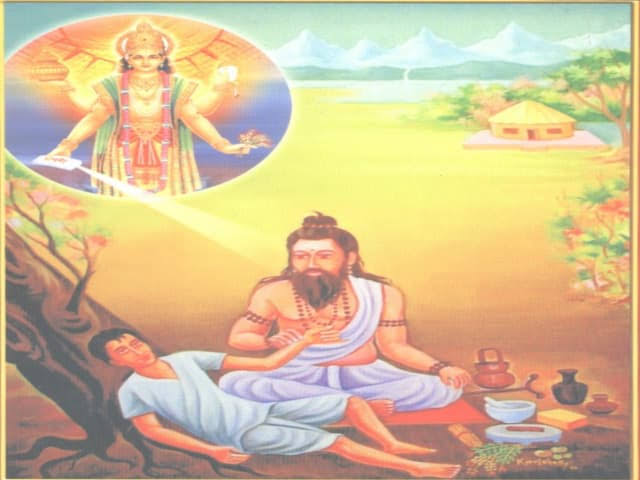
The Secret of the Sun’s Rays (Savitṛ’s Power) – Esoteric Wisdom, While Ayurveda spoke of disease and health, the Vedas went even deeper.
They described the Sun (Savitṛ) not only as a physical source of light but as the cosmic awakener of higher consciousness.

The Ṛgveda (1.115.1) speaks of the seven rays (sapta-aśva) of the Sun, the seven horses that pull Surya’s chariot. These are not merely beams of light, but sevenfold powers of cosmic energy that sustain both body and soul.

Esoterically, these seven rays correspond to seven layers of spiritual force:

1. Third eye light

The visible sunlight that nourishes the earth, supports plants, balances hormones, and drives the rhythm of life.

2. Inhale (Prāṇa Śakti)

The vital current that flows through all beings. Just as the Sun powers photosynthesis, it fuels our own prāṇa.

3. Focus on Chidakash (Buddhi Tejas)

The inner illumination of discernment, clarity, and wisdom. Sunlight awakens not just crops, but also our capacity to see truth.

4. Heart plexus (Manas)

The subtle link between human thought and divine intelligence. The Sun is called Manas-chakṣuḥ (eye of the mind) in the Vedas.

5. Intuition (Vijñāna)

Direct perception beyond logic, often associated with the third eye. This ray connects us to deeper knowing, the inner “Gayatri light.”

6. Sankalp (Icchā Śakti)

The creative power of manifestation, linked with Hiraṇyagarbha (the Golden Womb)—the cosmic source from which creation unfolds.

7. Pure Consciousness.

The formless, eternal radiance of Brahman itself. Beyond light and energy, it is the awareness that illumines everything.

📜 That is why the Gayatri Mantra is not just a prayer but an invocation of these rays:

“Tat Savitur Vareṇyaṁ Bhargo Devasya Dhīmahi Dhiyo Yo Naḥ Prachodayāt”

“We meditate on the divine radiance of Savitṛ (the Sun). May that light inspire and awaken our intelligence.”

Thus, in Ayurveda and Vedanta, health is not only freedom from disease.
It is alignment with these seven rays — balancing body, prāṇa, mind, intellect, will, intuition, and consciousness.


This is the eternal mission of Dakshinamurthy Ayurveda Pvt. Ltd. — to blend health with higher consciousness.

How you create your own reality.

Where did your name come from?

Understand your Energy 💪

Nadi Vigyan (Pulse Diagnosis): An Ancient Science of Ayurveda

Spirituality is Beyond Science

Ayurveda is not just about herbs and medicines—it is a complete science of life, deeply connected with body, mind, and spirit. Among its most mystical and powerful diagnostic methods is Nadi Vigyan (Pulse Diagnosis). This ancient practice reveals the hidden secrets of health, energy, and consciousness through the subtle rhythm of the pulse. At Dakshinamurthy Ayurveda Pvt. Ltd., we honor and preserve this timeless knowledge for holistic healing.


1. What is Nadi Vigyan?

Nadi Vigyan is the art of analyzing the pulse at the wrist. The Ayurvedic practitioner (Vaidya) observes the speed, depth, quality, and rhythm of the pulse to identify the balance or imbalance of the three doshas—Vata, Pitta, and Kapha.

Index finger (Vata): Governs movement, air, and nervous system.

Middle finger (Pitta): Governs metabolism, heat, and digestion.

Ring finger (Kapha): Governs structure, water, and stability. This subtle reading goes far beyond modern medical diagnostics—it connects the physical body with the deeper layers of mind and spirit.


2. Why is Pulse Diagnosis Important?

Nadi Vigyan is not limited to disease detection. It can reveal:

Health predictions – Identifying possible future illnesses.

Mental state – Stress, anxiety, and emotional well-being.

Life energy (Prana Shakti) – The strength of vitality and immunity.


3. Time, Gender & Seasonal Variations

Morning: Vata pulse dominates.

Afternoon: Pitta pulse dominates.

Evening: Kapha pulse dominates.

Men: Right wrist pulse is stronger.

Women: Left wrist pulse is stronger.

Seasons: Pulse slows in winter, quickens in summer. Even meditation and yoga influence the pulse—creating a slow, steady, and deep rhythm in spiritual practitioners.


4. Nadi Vigyan in Ancient Texts

Classical Ayurvedic scriptures like Charaka Samhita and Ashtanga Hridayam mention pulse science as an essential diagnostic tool. They describe how pulse rhythms can even indicate lifespan, vitality, and spiritual progress.


5. Nadi Vigyan & Ayurveda in Today’s Lifestyle

In today’s fast-paced, stressful world, lifestyle-related disorders such as diabetes, hypertension, anxiety, and obesity are rising at an alarming rate. Modern medicine often focuses only on symptoms, while Ayurveda addresses the root cause.

Balanced lifestyle: Nadi Vigyan helps identify imbalances early, guiding diet, exercise, and lifestyle changes.

Preventive care: Ayurveda emphasizes prevention rather than cure, making it highly relevant in today’s health-conscious society.

Mind-body harmony: Stress, digital overexposure, and irregular routines disturb natural rhythms. Pulse diagnosis helps restore balance between body, mind, and spirit.

Natural healing: Through herbs, diet, yoga, and meditation, Ayurveda strengthens immunity and improves vitality without harmful side effects.
Ayurveda and Nadi Vigyan are not just ancient sciences—they are essential companions for a healthy, balanced, and peaceful modern life.


6. Nadi Vigyan Today

Although modern science overlooks this method, Nadi Vigyan is still practiced widely in Ayurveda. It remains a powerful, precise, and holistic diagnostic approach in India, Tibet, China, and South India.

At Dakshinamurthy Ayurveda Pvt. Ltd., we believe that Spirituality is Beyond Science, and through Nadi Vigyan, we carry forward this wisdom to serve humanity with authentic Ayurvedic healing.

Nadi Vigyan is more than pulse diagnosis—it is a bridge between the seen and the unseen, the physical and the spiritual. It reminds us that health is not just about curing disease but about balancing the body, mind, and spirit.

Dakshinamurthy Ayurveda Pvt. Ltd. continues to uphold this legacy, bringing the light of Ayurveda into modern lives and helping people achieve true wellness in today’s stressful times.

Nadi Vigyan (Pulse Diagnosis): A Guide for Today’s Healthy Living

Spirituality is Beyond Science | Dakshinamurthy Ayurveda Pvt. Ltd.

In today’s fast-moving lifestyle, most people are struggling with stress, lack of sleep, poor digestion, obesity, and lifestyle-related disorders. While modern medicine often focuses on treating the symptoms, Ayurveda offers us a deeper wisdom: to understand and heal our body before disease even appears.
At the heart of this wisdom lies Nadi Vigyan (Pulse Diagnosis)—an ancient science that connects us to our inner rhythm and helps us maintain balance.

🌿 Importance of Nadi Vigyan in Today’s Life


1. Early Detection of Imbalances

Before disease manifests physically, imbalances in the three doshas (Vata, Pitta, Kapha) can already be detected in the pulse.

This makes Nadi Vigyan a preventive tool for health.


2. Stress & Mental Health Awareness

Our fast lifestyle creates constant stress and anxiety.

The pulse reflects the state of the mind—helping us recognize when we need rest, meditation, or self-care.


3. Guidance for Healthy Lifestyle

By knowing your pulse nature, you can adapt your diet, exercise, and daily routine according to your body’s needs.

Example: If Pitta is high, one should avoid spicy foods and prefer cooling foods.


4. Restoring Mind-Body-Spirit Balance

Nadi Vigyan reminds us that health is not just physical, but also mental, emotional, and spiritual.

✋ How to Connect with Your Own Pulse (Self-Diagnosis)


While true Nadi Vigyan requires years of practice and guidance from a trained Vaidya, you can still begin to listen to your own body through pulse awareness:

1. Sit Calmly – Rest for 5 minutes in a quiet place.


2. Place Your Fingers – Gently place the index, middle, and ring finger of your right hand on the left wrist (for women, right wrist; for men, left wrist).


3. Feel the Rhythm – Observe the speed, depth, and flow of the pulse.

Fast & sharp pulse → Indicates Pitta dominance (heat, acidity, irritability).

Slow & steady pulse → Indicates Kapha dominance (heaviness, lethargy, coldness).

Light & irregular pulse → Indicates Vata dominance (anxiety, dryness, weakness).


4. Observe Daily Changes – Notice how your pulse feels in the morning, afternoon, and evening. This builds awareness of your body’s natural rhythms.


5. Match with Lifestyle – If pulse shows imbalance, correct it with diet (Ahara), routine (Dinacharya), yoga, pranayama, or meditation.


🌏 Why It Matters Today

With rising cases of diabetes, hypertension, depression, obesity, and autoimmune disorders, learning to understand our body is more important than ever.

Nadi Vigyan + Ayurveda give us the tools to not just treat illness, but to prevent disease and create a balanced lifestyle.


At Dakshinamurthy Ayurveda Pvt. Ltd., we believe Spirituality is Beyond Science—and by practicing Nadi Vigyan, each person can take the first step in knowing their body and living a healthier, more conscious life. Nadi Vigyan is not just for doctors and vaidyas—it is for everyone who wishes to live in harmony with their own body. By learning to read the signs of your pulse, you can understand your doshas, energy, stress levels, and lifestyle needs—and take control of your health naturally through Ayurveda.

Divine echoes : The illusion of separation from the divine source .

Share a story about someone who had a positive impact on your life.

The Sacred Etymology

“The syllable ‘gu’ means darkness, and the syllable ‘ru’ means that which dispels it. Because of the power to dispel darkness, the guru is thus named. This reveals that embedded within the word itself is the entire function and purpose of the spiritual teacher. The Sanskrit language often contains such revelatory etymologies, where the sounds themselves carry the essence of what they represent.

The Nature of Darkness

The darkness symbolized by “gu” is not physical obscurity but represents the metaphysical condition of ignorance (avidya) that clouds human consciousness. This spiritual darkness manifests as:

The illusion of separation from the divine source

– Identification with the limited body and ego rather than the eternal Self

– Attachment to transient pleasures and material existence

– Confusion about one’s essential nature and purpose

– The veil of Maya that obscures ultimate reality. This darkness is not simply an absence of information but a fundamental misapprehension of reality itself, a cosmic forgetting of one’s divine nature.

The Dispelling Light

The syllable “ru” represents the counterforce to this darkness, the illuminating principle that reveals what has always been present but hidden. This dispelling of darkness operates through:

– Transmission of spiritual knowledge beyond intellectual concepts

– Direct pointing to the nature of consciousness itself

– Removal of karmic and psychological obstacles

– Awakening of dormant spiritual faculties within the disciple

– Bestowal of grace that accelerates spiritual evolution


Beyond Person to Principle.

This definition transcends the common understanding of a guru as merely a human teacher. Instead, it reveals the guru as a cosmic function, an embodiment of the universal principle of illumination. While manifesting through human form, the true guru represents:

  • The divine intelligence that guides evolution
  • The inner light of consciousness that ultimately guides each seeker
  • The transformative power that converts ignorance into wisdom
  • The bridge between the manifest and unmanifest realms of existence


The Alchemical Relationship

When understood in this light, the relationship between guru and disciple becomes an alchemical process rather than an ordinary human interaction. The disciple approaches not merely to gather information but to undergo a fundamental transformation of consciousness. The guru serves as both catalyst and container for this spiritual metamorphosis. The darkness within the disciple naturally begins to dissolve in the presence of the guru’s ligh, not through forceful intervention but through resonance with a higher vibration of awareness.


Dattatreya Swami’s Unspoken Transmission: Where Guru and Shishya Disappear

Dattatreya Swami: The highest teaching cannot be spoken, for words create the very distance they attempt to bridge. Between your consciousness and mine, there is no actual separation,only the illusion created by identifying with different forms.


Bhagawan Parashurama: Then how does wisdom pass from Guru to Shishya?

Dattatreya Swami: As fragrance passes from flower to surrounding air without effort. As heat transfers from flame to metal through simple proximity. The transmission occurs not through the acquisition of new knowledge but through recognition of what is eternally present. Sit with me in silence, and the flower of your own awareness will open to receive what cannot be given. As twilight descended upon Mount Mahendra, the air grew still with anticipation. Parashurama sat before his Guru Dattatreya Swami, whose three faced form emanated serene wisdom. Parashurama now sought deeper understanding of the Divine Feminine principle. “Guru ji,” he began, his voice humble yet eager, “you have revealed that all existence is consciousness itself. But speak to me of Tripura.


How is the Devi connected to this supreme knowledge?”
Dattatreya Swami’s eyes shone with infinite compassion as he spoke:

“Listen carefully, Parashurama. The highest truth can be approached through multiple gateways. When consciousness is understood as the Divine Mother, as Tripura Sundari, new dimensions of realization become accessible. “The name ‘Tripura’ contains profound significance. ‘Tri’ signifies three- the three states of consciousness, the three gunas, the three worlds, and the three aspects of time. ‘Pura’ means city or dwelling place. She who dwells in and transcends these triads is Tripura.


Parashurama leaned forward. But, how does one worship or realize such an abstract principle?

The Darkness and Light: Understanding the Meaning of “Guru” . In the ancient text of the Guru Gita, wisdom about the nature of spiritual guidance is crystallized into verses that have guided seekers for centuries. Among these teachings, a profound etymological explanation of the very word “guru” offers a gateway into understanding the transformative relationship between teacher and disciple.

Contemporary Relevance

In our modern world, where information is abundant but wisdom is scarce, this ancient understanding of the guru principle remains vitally relevant. Beyond the trappings of spiritual materialism and charismatic authority, the true mark of the guru function remains unchanged: the capacity to dispel the darkness of ignorance and reveal the light of inherent awareness.

Whether encountered as an outer teacher or recognized as the inner guide, the guru principle continues to operate as it always has, as that which transforms darkness into light, confusion into clarity, and separation into unity. In this understanding, the guru is not ultimately separate from the disciple’s own consciousness but serves as the mirror that reflects the disciple’s true nature until they can recognize it directly, without intermediary.

Immerse in your infinite knowledge.

What alternative career paths have you considered or are interested in?

Spirituality is beyond science.

Mother Nature has created this world 432 million years ago. There is a catastrophe of the same number of years. It has been 1,96,08,53,125 years since the creation was created. This is the time it has been since the Vedas were born. All the religious texts of the world are within 5000 years but the Vedas are the oldest. Other opinions also believe this. This is Sanatan’s unique heritage. Therefore, Sanatan is considered eternal

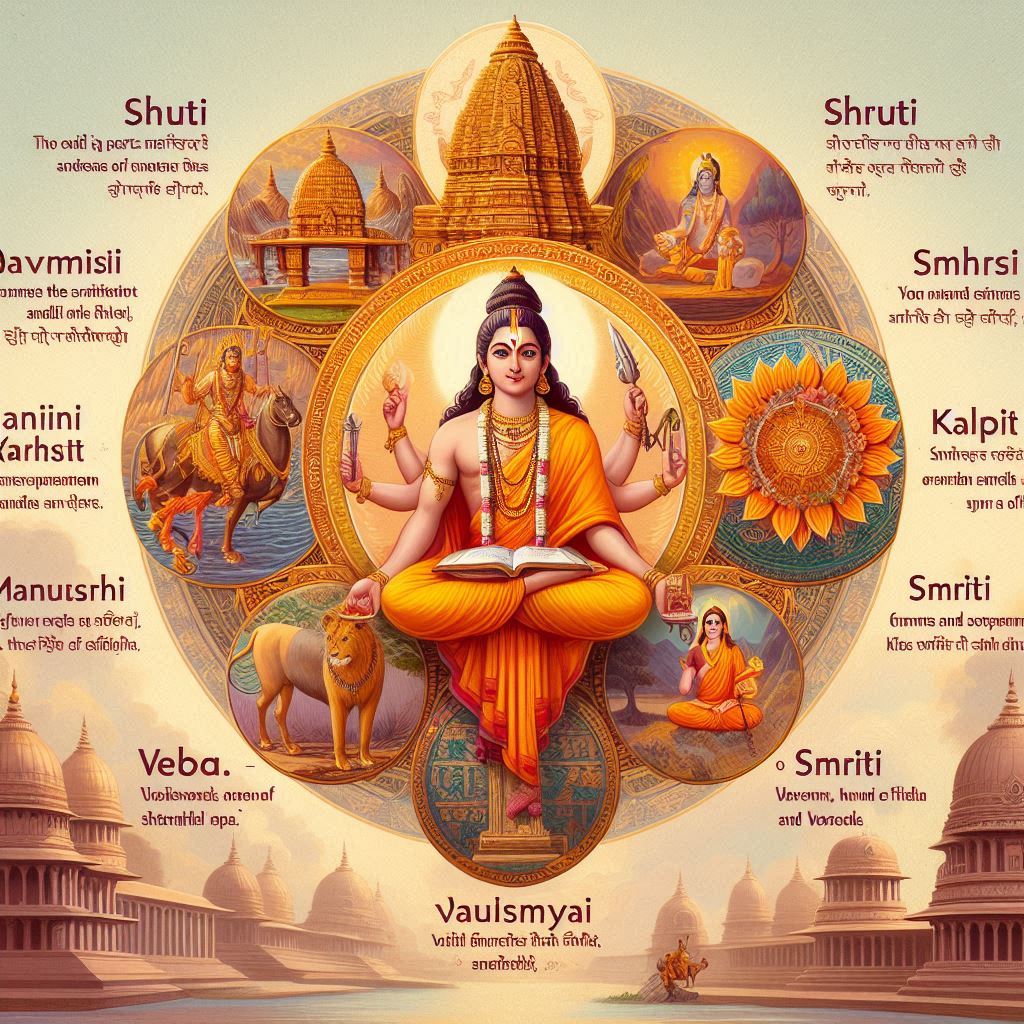
To understand Indian scriptures and Vedic knowledge, the scriptures are divided into two parts: Shruti and Smriti. Shruti includes the scriptures Vedas and Smriti includes books of history and interpretation of the Vedas, Manusmriti, Yajnavalkya Smriti, etc. The Vedas are the symbols of eternal and eternal truth. The Vedas have 6 अंग and 6 उपांग . Which helps in knowing the Vedas. The 6 limbs of the Vedas are Varna Shiksha, Panini Krita व्याकरण (Ashtadhyayi), Kalpa, Maharishi Yaska Krita Nirukta, Maharishi Pingal Krit Chhanda and Jyotish etc. This is explained to you in just a few words. This is to be understood

6 उपांग Philosophy:

(1) Yoga Darshan (Maharishi Patanjali)

(2) Sankhya Darshan (Maharishi Kapil)

(3) Nyaya Darshan (Maharishi Gautam)

(4) Vaisheshikadarshan (Maharishi Kanada)

(5) Mimamsa Darshan (Maharishi Jaimini)

(6) Vedanta Darshan (Maharishi Vyasa)

Although more than 100 Upanishads are found in the spiritual field of Indian culture, it is necessary to read 11 Upanishads before studying Vedanta philosophy. Those Upanishads are as follows –

1. ईशोपनिषद
2. केनोपनिषद
3. कठोपनिषद
4. प्रश्नोपनिषद
5. माण्डूक्योपनिषद
6. मुण्डकोपनिषद
7. ऐतरेयोपनिषद
8.  तैत्तिरीयोपनिषद
9.  बृहदारण्यकोपनिषद
10. छांदोग्योपनिषद
11. श्वेताश्वतरोपनिषद .

There are only 4 interpretation books of the Vedas – (Brahmin texts)

(1) Aitareya Brahmins

(2) Shatapatha Brahmins

(3) Tandya Brahmins

(4) Gopatha Brahmins.

Case-ending showing possession or relation

Is complete knowledge hidden in the Vedas?

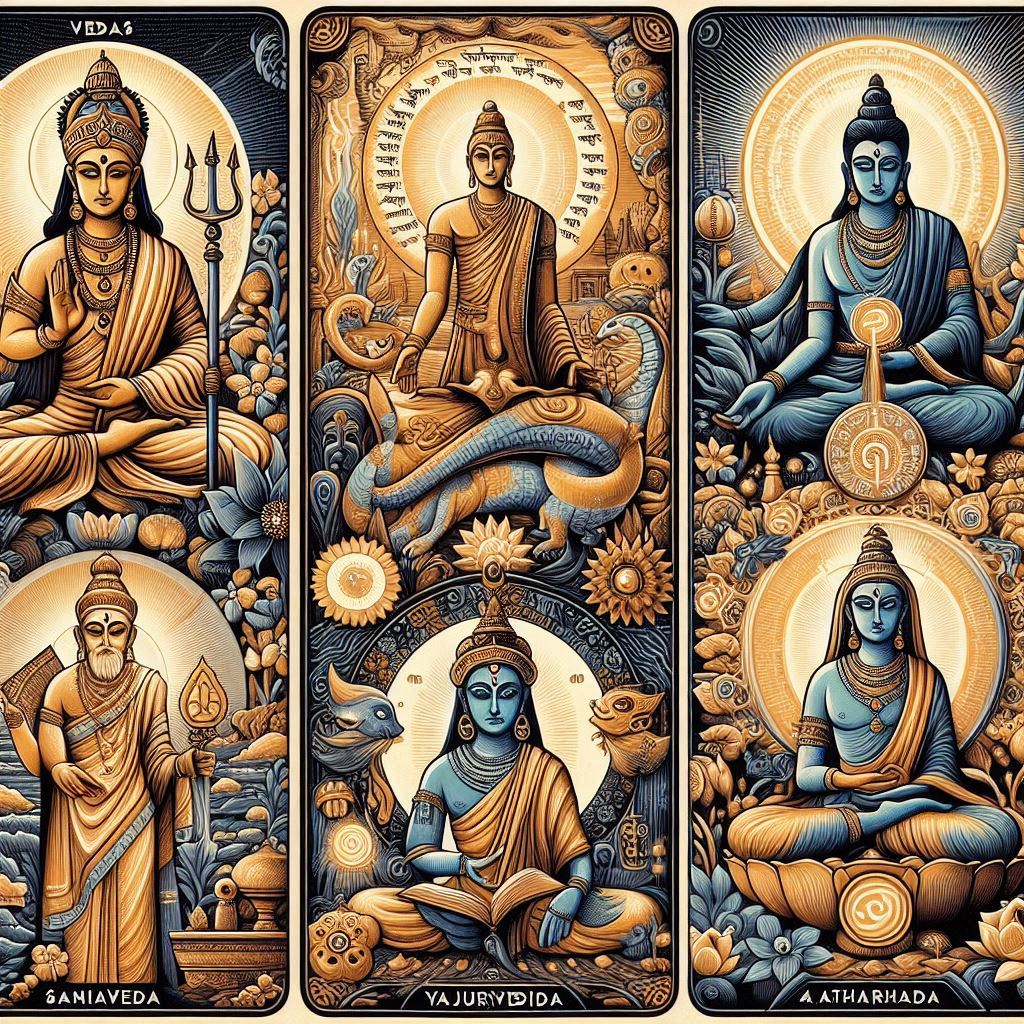
The Vedas are full of knowledge related to almost all subjects, like God, the universe, astrology, mathematics, chemistry, medicine, nature, astronomy, geography, religious rules, history, rites, customs, etc. The four Vedas are Rigveda, Yajurveda, Samaveda and Atharvaveda. There are only 4 upavedas. Ayurveda of Rigveda, Dhanurveda of Yajurveda, Gandharva Veda of Sama Veda and Atharva Veda

Rigveda:

ऋक means status and knowledge. It has a lot to do with geographical location and mantras invoking the deities. The hymns of the Rig Veda contain prayers, praise of the gods and descriptions of their position in Devlok. It also provides information on water therapy, air therapy, solar medicine, psychiatry and healing by Havan. The description of substances ranging from nature’s smallest atom to God is found in the Rigveda. It has 10522 mantras. The knowledge of Rigveda was received in the soul of Maharishi Agni

Yajurveda –

यजु means moving sky and action. Yajurveda contains the methods of sacrifice and the mantras used in sacrifices. We can understand the 16 rituals properly from Yajurveda. Apart from sacrifice, philosophy is described. Element knowledge means mystical knowledge. Knowledge of the universe, soul, God and matter. There are two branches of this Veda, Shukla and Krishna. There are 1075 mantras in Yajurveda. The knowledge of Yajurveda was received in the soul of Maharishi Vayu


Samaveda:

साम means transformation and music. Gentleness and worship. This Veda has a musical form of many hymns of the Rig Veda. It mentions about the gods Savita, Agni and Indra. It also makes references to classical music and dance. This Veda is considered to be the origin of music science. It has 1875 mantras. The knowledge of Samaveda was received in the soul of Maharishi Aditya

Atharva Veda:

अथर्व means vibration and Atharva means vibration. This Veda mentions mystical sciences, herbs, miracles and medicines of Ayurveda etc. It also provides knowledge of Indian tradition and astrology. By studying it, all doubts are solved and the vibration of the mind ends. It has 5977 mantras. The knowledge of Atharva Veda was received in the soul of Maharishi Angira.

6 limb of Sanatan.

To know the Indian Sanatan culture, it is very important to study 6 scriptures with the knowledge of the four Vedas.  So these 6 scriptures are also called the Upavedas of the Vedas i.e. philosophy . Our sages have created these 6 philosophies by incorporating the doctrines scattered everywhere in the Vedas, on the basis of which we can understand this divine knowledge accurately. These 6 Vedic philosophies are called theistic philosophies. These are our logics, by reading which the intellect of every human being opens and he never confuses and doubts about God, religion, unrighteousness, truth, falsehood etc. By reading these philosophical scriptures, all kinds of doubts are resolved automatically. These 6 philosophies are as follows:

(1) Nyayashastra: –

It has been composed by Gautam Muni. The subject of this scripture is mainly logic. This philosophy has been created with the purpose of separating truth and falsehood from the world spread around him through four types of evidence (direct, inference, simile and word.

(2) Vaisheshika Shastra: –

It has been composed by Kanad Muni. This scripture is about material knowledge. How to know the qualities and karma of the substances that God has created for us and use them? This is the subject of this scripture. (This is physics.)

3) Sankhya Shastra: –

It has been composed by Kapil Muni. Its main theme is how the creation originates from the most subtle particles of nature (Word, Touch, Form, Taste and Smell) from Sat, Raja, and Tama. How are all substances similar and characteristic? This scripture completely explains the difference between nature and soul.

(4) Yoga Shastra: –

It has been composed by Patanjali Muni. Its main topic is to tell the method of attaining salvation by following the eight limits (Yama, Niyama, Asana, Pranayama, Pratyahara, Dharana, Dhyana, Samadhi) by getting rid of all sorrows

5) Mimamsa:

It has been composed by Jaimini Muni. Its subject is that by following what kind of Vedic rituals and limitations, a person can become completely happy and can attain salvation, the goal of his life?

(6) Vedanta (Brahmasutra):

It has been composed by Ved Vyasa Muni. Its main theme is to describe the nature of God, his qualities, knowing which man should get rid of all doubts about him and start worshiping him and attain them by practicing yoga.

Praying with Spiritual Emotion (Bhāv) :

◆ God Principle:

The divine essence flows through spiritual practices.


◆ Transmission of Frequencies:
N
5% of frequencies of Divine Consciousness (Chaitanya) are transmitted outside the body. Seekers can access up to 20% of frequencies of Divine Consciousness (Chaitanya).


◆ Protective Sheath:

A protective layer surrounds the seeker.


◆ Spreading of Divine Consciousness:
15% of the accessed Divine Consciousness spreads into the body of the seeker.

Sanatan scriptures.

What’s the biggest risk you’d like to take — but haven’t been able to?

Oldest religion texts.

There are four Vedas and 108 Upanishads in Sanatan Dharma. The Vedas are considered to be the oldest religious texts. The four Vedas are as follows:

1. Rigveda

2. Yajurveda

3. Samaveda

4. Atharvaveda

These Vedas, as well as the Upanishads, are considered an important part of the Vedic literature. Profound philosophical and spiritual topics have been discussed in the Upanishads. Vedas and Upanishads are profound and ancient texts of Sanatan Dharma, in which the philosophical and religious principles related to life, universe, and ultimate truth have been described in detail

VEDAS (1,00,000 verses)

Divided & Organized into 4 Vedas by
Krsna Dvaipayana (Vedavyasa)

Whya Vedas .

1. Vedas:

The Vedas are considered as the most ancient and main texts of Sanatan Dharma. The Vedas are considered by the sages as “shruti” (knowledge gained by hearing. These were compiled by Maharishi Ved Vyasa. The purpose of the Vedas is to guide the four major goals of human life (Dharma, Artha, Kama, Moksha. This is Sanatan meaning that which has been going on continuously since time immemorial is in the real form, this is eternal

The four Vedas are as follows:

Rig Veda:

This is the oldest Veda and consists mainly of a compilation of richas (mantras) in the form of praise of the gods. It has around 10,552 mantras, which are used in the worship of various deities, prayers, and yajnas.


🔸Rigveda (21+ Shakhas)

▪️Available 1 Shakha

▪️Lost 20+ Shakhas

▪️Samhita

▪️Brahmana

▪️Aranyaka


Yajurveda:

It describes mantras and methods for sacrifices and rituals. It is divided into two parts: Krishna Yajurveda and Shukla Yajurveda. It mainly deals with ritualistic and ritualistic activities

Yajurveda (101+ Shakhas)

▪️Available 3-4 Shakhas

▪️Lost 97+ Shakhas

▪️Samhita

▪️Brahmana

▪️Aranyaka


Samaveda:

In this Veda, some mantras of Rigveda have been presented in musical form. It is seen by linking it with devotion and music. The mantras of Samaveda are used to accompany music in sacrifices and rituals.

Samaveda (1000+ Shakhas)

▪️Available 3 Shakhas

▪️Lost 997+ Shakhas

▪️Samhita

▪️Brahmana

▪️Aranyaka


Atharvaveda:

This Veda is slightly different from the other three. It describes mantras and methods related to witchcraft, medicine, healing, and social life. There are many mantras in it that throw light on all aspects of a person’s life

Atharvaveda (9+ Shakhas)

▪️Available 2 Shakhas

▪️Lost 7+ Shakhas

▪️Samhita

▪️Brahmana

▪️Aranyaka

The 108 Upanishads:

The Upanishads are called the last part of the Vedas or “Vedanta”. Their purpose is to clarify the search for enlightenment, Brahman, Atma, and the ultimate truth. The Upanishads mainly describe spiritual, philosophical and meditative topics. The doctrines of Vedanta are based on the Upanishads. Although the number of Upanishads is considered to be 108, some of the major and ancient Upanishads are as follows:


1. Total Shakhas: 1180

▪️10-15 Available

▪️Brahmanas

▪️Available 19-20

▪️Lost 1,111+

2. Samhitas :

▪️Available 9-10

▪️Lost 1,121+

3. Upanishads :
▪️Available 108

▪️Lost 1,023+

4. Aranyakas

▪️Available 7

▪️Lost 1,124


1. Ishopanishad:

It mentions the unity of the universe and the soul and considers the impermanence of karma and life.


2. Kathopanishad:

It is based on the dialogue of Yama and Nachiketa, explaining the mysteries of soul, death and salvation.


3. Mandukya Upanishad:

It analyzes the forms of Om and its three sounds. This Upanishad is a major source of Advaita Vedanta.


4. Chandogya Upanishad:

This Upanishad is related to the Samaveda and discusses in detail the Atman, Brahman and the methods of meditation


5. Brihadaranyaka Upanishad:

This is the largest Upanishad and considers the importance of the soul, rebirth, Brahman and knowledge.

Importance of Vedas and Upanishads:

The Vedas and Upanishads are the foundation of Indian religious, philosophical and spiritual traditions. These texts provide guidance on every aspect of human life, such as:

Spirituality:
The ultimate purpose of life is the union of the soul with Brahman (moksha), which is explained in depth in the Upanishads


Religion:
Duties and religious conduct have been described in the Vedas.

Yoga:
The path to purification and salvation of the soul is shown through meditation and yoga.

Karma:
The principle of karma and its consequences have been explained in detail in the Vedas and Upanishads.
Vedas and Upanishads are not only religious texts but also show the philosophical and spiritual path to understand and find solutions to the complexities of human life

Navgrah: Aspects of planetary constellation science:

What makes a good neighbor?

Transforming lives

aspects of planetary constellation science: Navagrahas

The science of planetary constellations, which we know as astrology, is an ancient science that studies the planets, constellations, and other celestial bodies located in the universe and analyzes their effect on our lives. Its history is thousands of years old and this science has been practiced in different cultures such as India, Greece, China, and the Mayan civilization.


1. Planets :

Planets are celestial bodies that revolve around the sun. There are nine main planets in Indian astrology, which are called ‘Navagrahas’:

Sun

– Moon

– Mars

– Mercury

– Jupiter

– Venus

– Saturn

– Rahu

– Ketu

2. Nakshatra:

Constellations are groups of stars located in the sky that form specific shapes. There are a total of 27 nakshatras in Indian astrology, which are divided by the monthly path of the moon. Each nakshatra has a ruling planet and it has a special effect on a person’s horoscope.

The zodiac is divided into 12 zodiac signs, and each sign is a segment of 30 degrees. These amounts are:

– Aries

– Taurus

– Gemini

– Cancer

– Leo

– Virgo

– Libra

– Scorpio

– Sagittarius

– Capricorn

– Aquarius

– Pisces

4. Birth Chart:

The birth chart is the chart of the positions of planets and constellations based on the birth time and place of a person. This chart is used to forecast various aspects of a person’s life such as health, career, marriage, offspring, etc. The birth chart is divided into 12 houses, and each house represents a particular area of life.

5. Planetary Movements:

The transit of planets means the movement of planets and their entry into different zodiac signs. The transit has a major impact on a person’s horoscope and brings changes in a person’s life from time to time.


6. Dasha :

Dasha and Antardasha show the period of planetary influence. The major Dasha system in Indian astrology is ‘Vinshottari Dasha’, in which the dasha of each planet lasts for a certain period.

7. Scientific Attitude:

Though astrology has an important cultural and religious aspect, it is not considered according to the norms of science. The principles of astrology have no scientific basis and cannot be proved in science. Nevertheless, its relevance and popularity remain based on cultural and personal beliefs.


8. Types of Astrology:

– Vedic Astrology:
Astrology is prevalent in Indian tradition.

– Western Astrology:
Astrology is prevalent in Western countries.

– Chinese Astrology:
The Astrology System Prevalent in China.

– Mayan Astrology:
The astrological system developed by the Mayan civilization.

9. Remedy:

In astrology, various remedies have been prescribed to reduce the malefic effects of planets, such as wearing gemstones, chanting mantras, donating, fasting, worshiping, etc. These remedies are aimed at reducing the negative energy of the planets and promoting positive energy. That which is in the universe is also in the body. From this point of view, the planetary constellations of the universe also affect the body.
The pulse related to the right voice is said to be influenced by the lunar element, such is also the experience of the yogis that for the auspicious effect of the planetary constellations, other methods like Havan, Mantra, Upasana and Navratna Ashta Dhatu Dharan, etc. have been described in our religious texts.

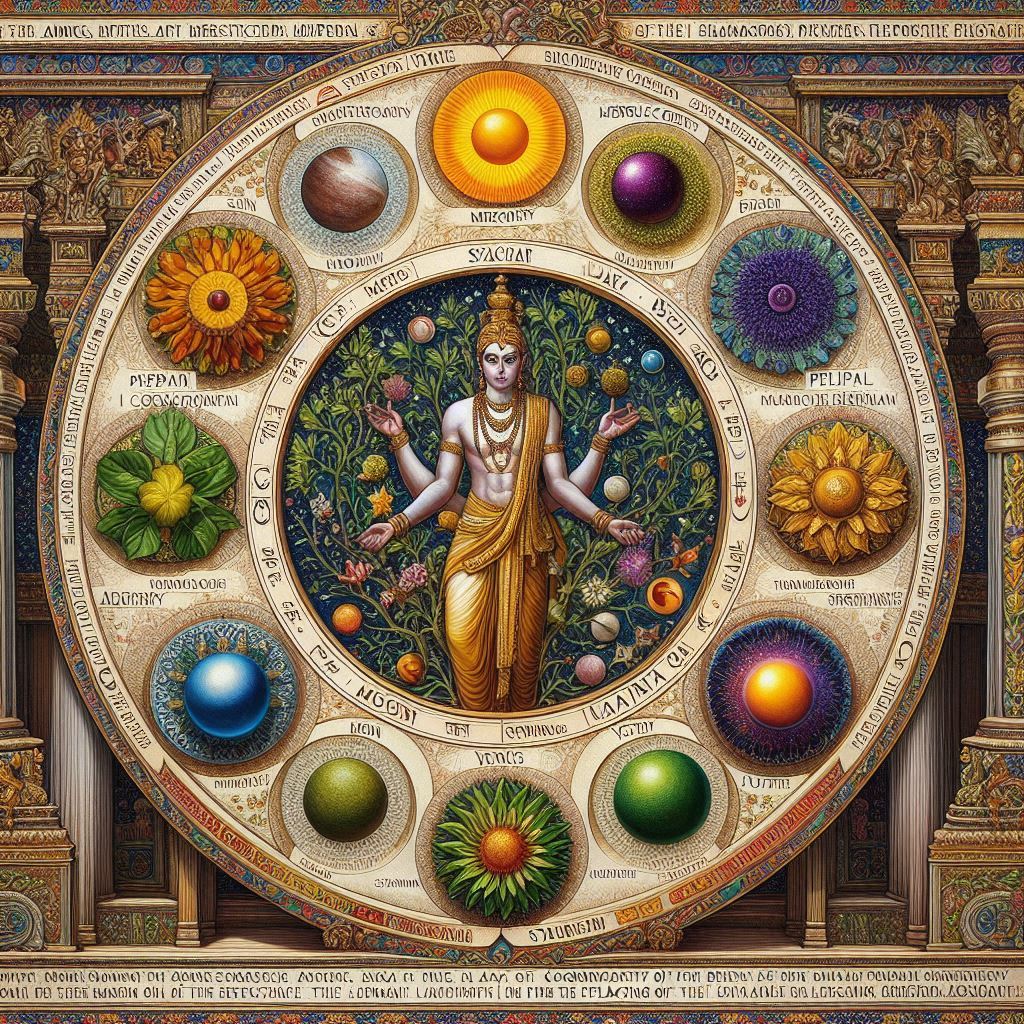
They have also been described in the Vedas, the relation of the planet located in the universe to the body is as follows. In the body, the representative soul of the Sun, the mind of the moon, the blood of Mars, the speech of Mercury, the knowledge of Jupiter, the semen of Venus, and the happiness of Saturn are related to sorrow.  The effect of the planets in the universe reads on the body. If it is favorable to the month, it is good and if it is unfavorable, it has adverse effects on health and the body.  Therefore, by making scientific discoveries in Sanatan Dharma, the sages have given such methods according to which we can avoid their evil effects and get good effects.  Among the gemstones, the sun element in red ruby, the moon element in the pearl with white, yellow, and black light, the element of Mars in the coral, the element of Mercury in the green emerald, the element Jupiter in the topaz with a golden hue, the element of Venus in the white diamond and the element Saturn in the blue sapphire. Therefore, by wearing a gemstone compatible with the constellation related to that planet, it is described that by removing restlessness, illness, and disease related to it, strength and health can be obtained.


Similarly, in metals, gold, silver, copper, brass, bronze, mercury, and the elements of the Sun, Moon, Mars, Mercury, Jupiter, Venus, and Saturn reside. Which have auspicious effects.  Due to the presence of the sun element in gold, it provides strong energy and longevity. (Atharvaveda 16/261) That is why, along with other names of Surya, it also has a name Hiranya.

There is a Moon in silver, and hence, its name is also Chandranti.

Copper has the element, Mars,

Mercury is a fact of Shuk, hence his name is also Rasendra.

Similarly Mercury in brass, bronze, and iron,

Jupiter and Saturn remain the elements

In this way, in vegetation also, Apamarg, Yak, Dak, Khair Sycamore, Peepal, and Kush have the qualities and influence of the Sun, Moon, Mars, Mercury, Jupiter, Venus, and Saturn. The same medicine is used for the fulfillment and compatibility of the element lacking in the body. By praying through the mantras of planet worship, we establish a relationship with them. In this way, based on gems, metals, medicines, and mantras, we can get the compatibility of the planets of the universe in the body, so the sages have considered it minutely and made it a part of religion for our welfare. The purpose of astrology is not only to predict but also to guide the individual towards self-knowledge and self-improvement. It is an ancient tradition that has helped determine the direction of people’s lives for centuries

THE COLOURS OF NAVGRAHA.


Colours of all Navgraha is mentioned in Bhavishya Puran Brahm Parva Chapter no 206.41–42 (श्वेतवर्ण स्मरेत्सोमं रक्तवर्ण कुजं स्मरेत् । सौम्यमष्टापदामं च गुरुं च पीतिवर्णकम् ॥४१ श‌ङ्खक्षीरनिनं श्वेतं काणं याञ्जनसन्निभम् । रजावर्तनिभं राहूं धूत्रं च विकचं स्मरेत्।:४२)


1) Chandrama (Moon) – White colored

2) Mangal (Mars) – Blood colored.

3) Budhá (Mercury) – Blood and dark colored.

4) Brahaspati (Jupiter) – Yellow coloured. 

5) Shukra (Venus) – Shankh or conch and Milk white colored.

6) Shani (Saturn) – Anjan like dark coloured.

7 & 8) Rahu and Ketu – Lajawart or Lapis lazuli blue colored.

9) Sun – The color of Suryadev is like the Japa (hibiscus) flower (Bhavishya Puran Brahm Parva 206.33 [जपावर्ण महातेजं ]).

Colors play a very important role in Sanatan Dharma. Many people wear clothes as per the color of Graha.

Need overall !

What could you try for the first time?

Lentent hit :

Due to stressful life in modern society, human beings are vulnerable to deadly diseases like high blood pressure, heart disease and cancer. Many diseases are destroyed by lifestyle improvement. Along with this, there is another easy solution, which does not have any side effects. You just need to do it regularly. This easy solution is the Gayatri Mantra, which has been tried for centuries. And nowadays it has also been put to the test of science.

1. If this mantra is read in any position i.e. while sitting, lying down or standing, then one gets equal benefit to

2. The mantra begins with the word Om- Pull the word Om as long as you can, without taking a breath. Draw the words “o” and “m” separately long.

3. After this, read or speak the remaining mantra as fast as you can with the correct pronunciation. Repeat the OM process every time. Keep repeating Om and Mantra continuously for five minutes.

4. Do this process every two hours for a month. In this way, do the awakening of a normal person 8 times in 16 hours. A total of 40 minutes are to be given in 24 hours.

5. After one month, the beneficial effect of this process will be seen. Now continue this process by doing it four times in 24 hours.

6. It is necessary to chant this mantra for five minutes at the time of getting up in the morning and at bedtime. After this, keep reciting this mantra regularly by fixing a fixed time only twice.

आत्मानं विद्धि”

Vasana Daha Tantra is a powerful spiritual practice rooted in the ancient wisdom of Bharat that aims to burn away the latent impressions (vasanas) accumulated from past experiences, desires, and karmic patterns. The term “Vasana” refers to the deep-seated tendencies and subconscious impressions that influence our thoughts, emotions, and actions. “Daha” means burning or purification, and “Tantra” signifies a structured method or practice. In essence, Vasana Daha Tantra is the process of purging or transforming these deep-rooted impressions, leading to liberation from mental and emotional conditioning, ultimately bringing one closer to spiritual enlightenment.

Process of Vasana Daha Tantra:


1. योगस्थ: कुरु कर्माणि =  Self- realisation:

The first step involves deep introspection and awareness of one’s thoughts, desires, and behaviors. Through meditation and mindfulness, you identify the underlying patterns and attachments that are obstructing spiritual growth. As the Bhagavad Gita states, “योगस्थ: कुरु कर्माणि” — remain established in yoga while performing actions, staying aware of the forces at play.

2. आत्मानं विद्धि = Acknowledge and Accept:

Once the asanas are identified, the next step is to fully acknowledge their presence without judgment. Accept that these impressions are part of the karmic cycle, and they need to be transformed, not resisted. The acceptance phase draws from the Upanishadic wisdom, “आत्मानं विद्धि” (Know thyself), recognizing the self in all its layers.

3. Purification through Reflection :

This step involves deep contemplation on the harmful or binding nature of these vasanas. By reflecting on their impermanence and the suffering they cause, the seeker gradually detaches from their influence. In this phase, spiritual texts like the “Shvetashvatara Upanishad” guide the seeker to view desires as fleeting and not inherent to the true self.

4.सर्वे कर्माखिलं पार्थ ज्ञाने परिसमाप्यते”=  Soul of Visualization:

A key technique of Vasana Daha Tantra is meditative visualization, where one mentally visualizes the vasanas burning in the fire of wisdom. The fire represents spiritual knowledge, often referred to as “Jnana Agni” (fire of knowledge). As stated in the Mundaka Upanishad, all actions are dissolved in the fire of wisdom.

5. तंत्र: Ritualistic Dissolution :

Engage in a ritual where you symbolically burn these impressions. This can involve the chanting of mantras, such as the powerful “Om Agnaye Namah” (Salutations to the fire element), while mentally offering the vasanas into an inner fire. This act strengthens the internal process of release and purification.

6. Affirmation of Liberation :  

 After the process of dissolution, affirm your liberation from the past tendencies. Repeat mantras like “सोऽहं” (I am That), affirming the unity of self with the divine consciousness. It reinforces the realization that you are beyond desires and karmic impressions.

7. तत्त्वमसि :  Feel the infinite :

The final stage is integrating this newfound freedom into daily life. You move forward with a clearer mind and a lighter heart, no longer governed by old vasanas. The Chandogya Upanishad says, real, I  remind you that the true self is infinite, pure, and free from conditioning.

Vasana Daha Tantra is a transformative spiritual practice that combines deep introspection, meditation, mantra, and ritual to dissolve the karmic impressions that bind us to the cycle of birth, death, and rebirth. By purifying these asanas, one can attain clarity, freedom, and a deeper connection to the divine. This method empowers the seeker to transcend habitual patterns and step into a higher state of consciousness, aligning with the true self eternal, blissful, and free.

Global well- being

What quality do you value most in a friend?

Oh Nature

For the last several years, we have been seeing the heat increasing continuously, this year there is a lot of change in the heat, last year was also hot but this year it has reached 50 degrees in many places in Asia, and the mercury is also around 47 in India’s capital Delhi. Many people are saying that we cut trees due to which we have to see so much heat, we Indians have the habit of blaming everything. But is the temperature increasing due to the cutting of trees? 

Or is it a cycle, in which the role of human beings is very limited? The earth is 450 million years old, it has been 2 lakh years since man came, and it has been 300 years since man planted so-called factories, which is the main cause of global warming. In just 300 years, have we raised the temperature of the earth so much that we will be absorbed in the sea? If so, how many factories would have had to be set up at the end of the last ice age to melt ice? The last ice age came 25000 to 19000 thousand years ago the reason for its end is this cycle, which makes the earth hot or cold, like every 1 lakh years there is some change in the orbital path of the Earth’s Sun, and every 41000 years the axis of the earth tilts from 22.1 degrees to 24.5 degrees,  Apart from this, there are other cycles also. Which affects the winter heat

So planting our trees or not is not going to make any difference in the global warming of the earth, let me tell you a simple figure if you drive 5000 kilometers on a bike per year, then you will have to plant 23 big trees, which will reduce its carbon emission to zero, 70 trees for one AC and 200 trees if you drive a car. This is not possible for all of us, so do not burden yourself with global warming.  Yes, but you can plant trees, even one tree will give shelter to thousands of creatures, and will give shelter to you.

Purify the environment around you, purify your neighborhood, and reduce the temperature there, it does not affect global warming. Anyway, man has not advanced so technologically that he can have a huge impact on global warming, but, certainly, we will one day, our greed is only drying up the rivers and ponds, tomorrow when we dry up the oceans, then it will happen, now we have been able to dig only a few kilometers below the earth.  When we dig and reach the core of the earth, we will destroy it completely. Until then, stop worrying about global warming and enjoy eating fruits in the shade of the tree. Because the people who give us knowledge on global warming go in private jets and yachts and you cannot imagine how many millions of trees are cut in their greed, while the entire forest cannot compensate for the carbon emissions of their one journey

The limitations believe

Belonging to oneself means anchoring one’s identity and self-worth internally rather than externally. It involves understanding that your value is inherent and not contingent on others’ opinions, societal norms, or external achievements. This form of belonging is an intimate knowledge and acceptance of who you are, with all your strengths and flaws.

The Challenge of External Validation

In today’s interconnected world, where social media and societal expectations can heavily influence our sense of self, the pull towards external validation is strong. People often seek approval, love, and acceptance from others, using these external sources as mirrors to reflect their worth. While human connections are vital, an overreliance on them can lead to a fragile self-esteem that is easily shaken by criticism or rejection.


1. Self-Awareness:

Deeply understanding your thoughts, emotions, and motivations. This awareness helps you recognize patterns and triggers that lead to seeking external validation.

2. Self-Acceptance:

Embracing all aspects of yourself, including those you might perceive as negative. Self-acceptance fosters a stable foundation of self-worth that doesn’t waver with external circumstances.

3. Self-Compassion:

Treating yourself with the same kindness and understanding you would offer a friend. This practice helps mitigate self-criticism and promotes inner peace.

4. Authenticity:

Living in alignment with your true self, values, and beliefs. Authenticity requires courage, especially when it means diverging from societal expectations or risking disapproval from others.

When you belong to yourself, you cultivate a sense of inner peace and resilience. This self-belonging provides a stable foundation from which you can navigate life’s challenges and relationships. It allows you to engage with others from a place of wholeness rather than neediness, leading to healthier and more fulfilling connections.

Practice of positive


Mindfulness and Meditation:

These practices can help you connect with your inner self and develop a deeper understanding and acceptance of your thoughts and feelings.

Own golden Book

Writing about your experiences, thoughts, and emotions can provide clarity and insight into your inner world.

Therapy or Coaching:

Professional guidance can support your journey of self-discovery and self-acceptance.

The serious lines:

Learning to say no and setting healthy boundaries protects your sense of self from being overly influenced or drained by others. In a world where finding home in others is often emphasized, the art of belonging to oneself stands as a vital counterbalance. It is an empowering journey that nurtures inner strength and authenticity, allowing you to live a life that is true to your essence. By mastering this art, you create a personal sanctuary of self-acceptance and love, from which all other relationships can flourish healthily and meaningfully.

The Five Levels of Individual’s Self

Have you ever broken a bone?

Miraculous effect of musical tones on health

In the Gandharva Veda (musicology), seven notes have been mentioned. The mixture of these seven notes has determined the nature of all ragas and raginis.  There are various uses of vocal practice and naadananusandhana. They also strengthen the body and health. Know how the names of these seven vowels are Sa, Re, Ga, Ma, Pa, Dh, Ni

Sa – (Shadja) –

Arising from the association of these six places of nostrils, throat, palate, tongue, and teeth, it is called Shadja. It is also called Shadja because it is the basis of the origin of the other six vowels.
Its temperament is cold, color pink, and spot navel. Its god is fire. This tone suppresses bile diseases

Re – (Rishabh) –

When the air rising from the navel hits the throat and top and makes a sound, then that voice is called Re (Rishabh). Its nature is cool and dry, color mixed with green and yellow and the place is heartland. Its deity is Braha. This tone suppresses phlegm and bile diseases. 

Ga – (Gandhra) –

When the air rising from the navel hits the throat and top and comes out with the odor of the nostrils, then it is called gandhara. Its nature is cold, color orange and the location is in the lungs. Its deity is Saraswati. It suppresses bile diseases

Ma (Madhyam) –

When the air raised from the navel hits the region and the heart and makes a sound in the middle part, then it is called a medium tone. Its nature is dry, with the colors pink and yellow mixed and placed gorge. Its nature is fickle. The deity of this voice is Mahadev.
It suppresses vata and kapha diseases

Pa (Pancham) –

This swarm is called Pancham because of touches these five places – the navel, your, heart, throat, and top. Being the fifth in the series of seven notes, it is also called the fifth. Its nature is enthusiastic, color red, and spot mouth. Its deity is called Lakshmi. It suppresses Kapha’s dominant diseases. Example: The voice of a cuckoo bird. 

Dhā (Dhaivatā) –

The nature of this swara, which researches the previous five swaras, makes the mind both happy and indifferent. Its location is Talu and the deity is Ganesha. It suppresses bile diseases

Ni (Nishad) –

This voice suppresses all the notes with its intensity, hence it is called Nishad. Its nature is cold-dry, color black, and place nostrils. Its nature is passionate and exhilarating. Its deity is the sun. It suppresses rheumatoid diseases.  Example: Elephant voice. 

The Taittiriya Upanishad outlines five sheaths or levels

Certainly! The Taittiriya Upanishad outlines five sheaths or levels that encompass the individual’s self, progressing from the grossest to the most subtle:

1. Physical Body (Annamaya Kosha)

This is the outermost sheath, representing the physical body made up of food and matter.

2. Energy Sheath (Pranamaya Kosha):

This level comprises the vital life force (prana) that energizes and sustains the physical body.

3. Mental Sheath (Manomaya Kosha):

This sheath includes the mind and emotions, governing sensory perception and thought processes.

4. Intellect Sheath (Vijnanamaya Kosha):

This layer encompasses the intellect and wisdom, responsible for discernment and knowledge.

5. Emotion Sheath (Anandamaya Kosha):

This is the innermost sheath, associated with bliss and spiritual fulfillment.

Above these sheaths lies the true self or Atman.

The levels are increasingly subtle, with the emotion sheath placed higher than the intellect, highlighting the importance of emotional influence on meaning and understanding.  Prana, the energy underlying physical and mental processes, is crucial and can be influenced by physical or mental inputs.

The energy state can manifest in three qualities:
1. Rajas (agitation)

2. Tamas (lethargy)

3. Sattva (balance).

Understanding these sheaths provides insight into the holistic nature of human existence, integrating physical, energetic, mental, intellectual, and emotional dimensions.