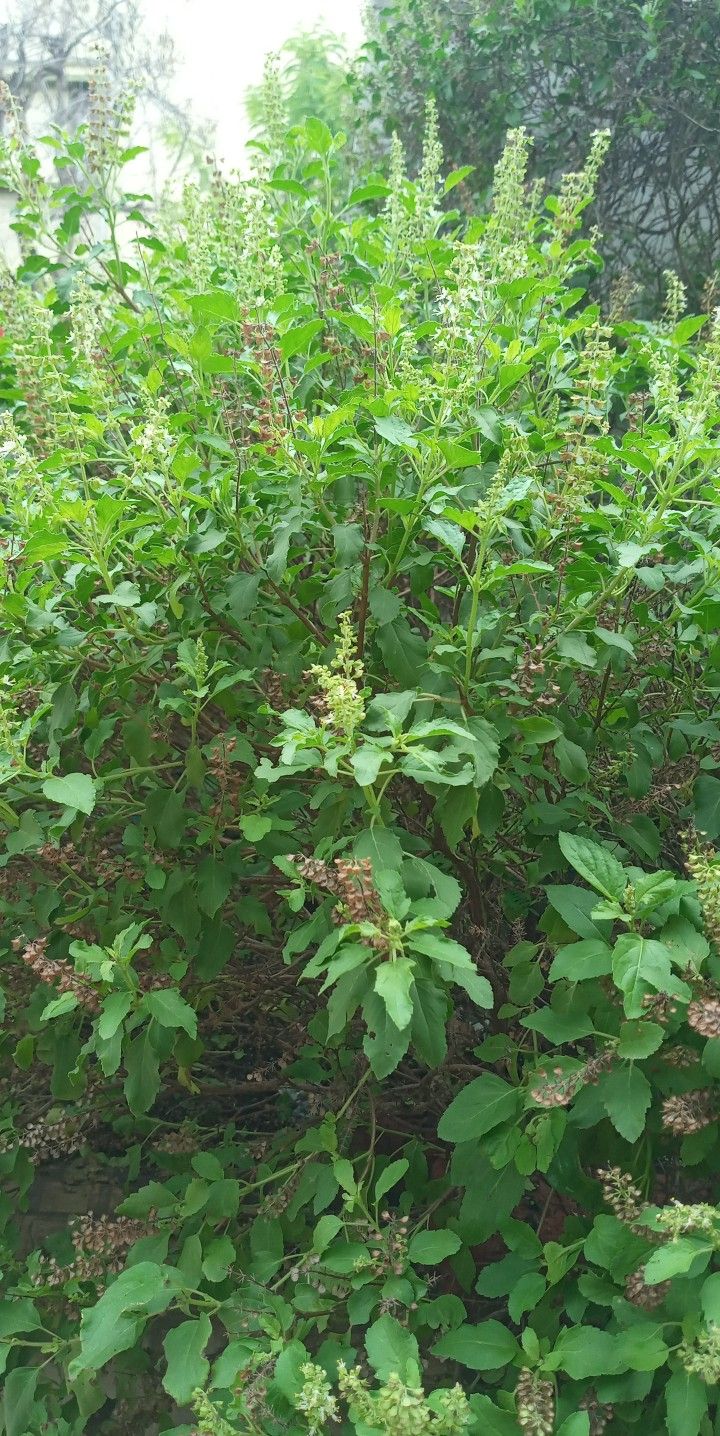
🌿 Tulsi: A Divine Healer for the Modern World.

Tulsi: Sacred, Spiritual, and Scientific


In today’s fast-moving, stress-driven world, humanity is facing a silent crisis. Despite advanced technology and modern medicine, people are struggling with chronic stress, weakened immunity, lifestyle disorders, anxiety, disturbed sleep, pollution-related illnesses, and emotional imbalance. We are surrounded by solutions, yet far removed from healing.

Ancient wisdom reminds us that true health is not merely the absence of disease, but a state of harmony between body, mind, environment, and spirit. One such timeless gift from nature is Tulsi (Holy Basil)  a sacred plant revered for thousands of years in Indian civilization and now increasingly recognized by modern science.
Tulsi is not just a medicinal herb; it is a living symbol of purity, protection, and positive energy. Traditionally, every Indian home nurtured a Tulsi plant in its courtyard — not as a ritual alone, but as a daily connection to health and divinity.

Tulsi was revered because our ancestors observed that:

• Homes with Tulsi felt calmer and purer

• The air remained cleaner and more vibrant

• Families experienced fewer illnesses

•The mind stayed more balanced and devotional


• Where Tulsi grows, positivity flows.

Today’s Problems: Why the World Needs Tulsi Again


Modern life has created challenges that ancient societies intuitively guarded against:

✓ Constant mental stress and anxiety

✓ Weakened immunity and frequent infections

✓ Respiratory problems due to pollution

✓ Digestive disorders and hormonal imbalance

✓ Emotional fatigue, disconnection, and fear


While medicines often treat symptoms, Tulsi works at the root level restoring balance rather than suppressing signals.

🌿 Tulsi as a Natural Solution.

Ayurveda describes Tulsi as a Rasayana a rejuvenator that supports long-term vitality.

Key Benefits of Tulsi:

• Strengthens immunity naturally

• Supports respiratory and lung health

• Helps the body adapt to stress (adaptogenic)

• Improves digestion and metabolism

• Purifies blood and detoxifies the system

• Promotes mental clarity and emotional calm


Tulsi does not fight the body  it awakens the body’s own intelligence to heal.

Healing the Mind and Energy.


Modern science now acknowledges what ancient seers knew: thoughts, emotions, and energy influence health.

• Tulsi subtly elevates consciousness. Its aroma, presence, and regular use:

• Encourages positive thinking

• Reduces mental heaviness

• Enhances meditation and mindfulness

• Creates a protective energetic field


This is why Tulsi is central to spiritual practices  not as belief, but as experience.

🌱 Tulsi and Environmental Balance

Tulsi purifies the environment by:

Releasing oxygen-rich compounds

Repelling harmful microbes and insects

Maintaining ecological harmony


Even dried Tulsi leaves retain their energetic potency, continuing to influence the surroundings positively.


🌿 Vision of Dakshinamurthy Ayurveda Pvt. Ltd.

At Dakshinamurthy Ayurveda Pvt. Ltd., we believe that the future of healthcare lies in integrating ancient Ayurvedic wisdom with modern lifestyles.

To restore holistic health by reconnecting humanity with nature’s intelligence.

Through Tulsi-based formulations, herbal products, wellness solutions, and conscious agriculture, we aim to:

• Strengthen immunity at the grassroots level

• Promote preventive healthcare over reactive treatment

• Make Ayurvedic wisdom accessible, authentic, and sustainable

• Support farmers and promote self-reliant herbal cultivation Tulsi is not merely an ingredient for us  it is a philosophy of living.

A Call for a Conscious Return


In times of global uncertainty, pandemics, and emotional unrest, Tulsi stands as a quiet guardian  reminding us that healing begins with simplicity, awareness, and respect for nature.

By embracing Tulsi, we do not move backward into tradition; we move forward with wisdom.
Tulsi is a divine bridge between science and spirituality, medicine and meditation, nature and humanity.

As we nurture Tulsi, it nurtures us  physically, mentally, and spiritually.

🌿 Let us grow health, harmony, and hope  one Tulsi plant at a time.

— Dakshinamurthy Ayurveda Pvt. Ltd.

Attitude of Gratitude: The Spiritual Medicine for Conscious Living

Science explains the body. Spirituality explains life itself.


In today’s fast-moving world, stress, dissatisfaction, and illness are increasing despite scientific progress. The reason is simple—we have moved away from consciousness. Ayurveda and spirituality both teach us that true healing begins within.

This blog explores how gratitude, surrender, and spiritual awareness act as the most powerful medicine for the mind, body, and soul. The ultimate truth of life is not birth, but death. Death is the greatest Guru it reminds us that life is temporary, while consciousness is continuous. From birth to death, consciousness evolves in the present moment. Our future birth and destiny are determined by the level of consciousness we attain today.

Every being lives life, but only human beings live with awareness, because humans have the power to choose. The most important question is:

Can I consciously choose the direction of my life?

The River and the Ocean: A Lesson for Seekers

A river flows continuously toward the ocean. On its way, it faces rocks, walls, curves, and storms—but it never stops.

Eventually, the river merges into the ocean and becomes infinite.

In the same way, a spiritual seeker who continues forward with faith without fear of obstacles—ultimately reaches the Divine. Such seekers dissolve their ego and personal desires and experience Brahmanand (ultimate bliss).

Worldly pleasures fade before this divine joy. Only true seekers experience it.

Dedication: The Ornament of the Spiritual World

The greatest ornament of spirituality is dedication.


Many people abandon spiritual practice because their faith has shallow roots. When greed, lust, or attachment arises, their belief collapses.

But those whose faith is deeply rooted remain unshakeneven during the strongest inner storms. These brave hearts alone attain victory on the spiritual path.

Surrender: Dropping the Burden of Ego

Most people fail on the spiritual path because they carry a heavy basket filled with:

Ego

Expectations

Personal beliefs

Desires

True transformation begins when this basket is dropped.

Complete surrender means saying:

This life filled with anger, attachment, greed, and ignorance no longer satisfies me. I now choose divine consciousness.

Becoming the Flute of the Divine

After surrender, the seeker becomes like a flute at God’s feet.

The flute has no music of its own, yet divine music flows through it.

Similarly, the surrendered seeker becomes an instrument of the Divine—thinking, acting, and living in alignment with higher consciousness.

Complete surrender turns the seeker into blank paper:


No ego

No desires

No fixed beliefs


Only on such purity can divine wisdom be written. Until human will dissolves, divine will cannot descend.

Power of Manomaya Kosha (Mind Body)

In Ayurveda, disease often begins in the mind (Manomaya Kosha).

When surrender happens:

Thoughts calm down

Mental noise dissolves

Stress reduces naturally

Stress and happiness are mind-created states. A guided mind leads to health; an uncontrolled mind leads to disease.


Gratitude: The Highest Ayurvedic Medicine

At Dakshinamurthy Ayurveda Pvt. Ltd., we believe that gratitude is the most powerful natural medicine.

Importance of Gratitude in Daily Life

Practicing gratitude daily:

Reduces stress and anxiety

Improves sleep and digestion

Strengthens immunity

Balances emotions

Increases mental clarity


A grateful mind allows the body to heal naturally.

How Gratitude Heals Naturally

According to Ayurveda, imbalance starts in the mind before appearing in the body.

Gratitude works as a Rasayana (rejuvenation therapy) by:

Reducing excessive Rajas (restlessness)

Clearing Tamas (heaviness and ignorance)

Increasing Sattva (clarity and balance)


This creates the ideal internal environment for healing.


Gratitude-Based Healing at Dakshinamurthy Ayurveda

Our healing philosophy integrates:

Classical Ayurvedic wisdom

Herbal formulations

Lifestyle discipline

Mental balance

Daily gratitude practice


When medicine is supported by gratitude, healing becomes deeper and more sustainable.


Attitude of Gratitude

Gratitude is the bridge between spirituality and health.

Dedication is the ornament of spiritual life

Surrender is the gateway to transformation

Gratitude turns life itself into medicine


At Dakshinamurthy Ayurveda Pvt. Ltd., we guide individuals toward holistic healing—where body, mind, and soul move together toward balance, peace, and bliss.

अहं वैश्वानरो भूत्वा प्राणिनां देहमाश्रितः।

What’s the hardest decision you’ve ever had to make? Why?

Do We Really Know the Right Way to Eat?


The 8 Timeless Ayurvedic Rules Most People Break Every Day

We eat every day, yet very few of us truly understand how to eat.
Thousands of years ago, Maharshi Charaka explained the correct method of eating—simple, spiritual, and rooted in deep biological wisdom.
But today, almost 99% of people break the very first rule without even realizing it.

At Dakshinamurthy Ayurveda Pvt. Ltd., we believe that before any treatment begins, lifestyle and diet must align with nature.
Ayurveda teaches us that food is not just fuel—it is energy, consciousness, and medicine.

Let’s revisit the eight golden rules of eating, with the spiritual depth they deserve.

1. “Ushnam” — Eat Warm, Fresh Food

Warm, freshly prepared food carries prana, the subtle life force.
Reheated, frozen, or processed foods lose this vitality and become heavy for the body and dull for the mind.

Nature creates everything fresh—why should our meals be any different?


2. “Snigdham” — Include Healthy Oils (Ghee, Natural Fats)

Our body is made of seven tissues, and six of them require unctuousness to stay nourished.
A little ghee or natural oil supports digestion, skin health, mental calmness, and longevity.

But just like a lamp cannot burn without a strong flame, oil cannot digest without strong digestive fire.


3. “Matravat” — Eat the Right Quantity

Ayurveda says:

50% solid food

25% liquids

25% left empty


When you eat the right amount, the body feels light, steady, and alert—never sleepy or heavy.

Eating with awareness is an act of self-respect.


4. “Jīrne” — Eat Only After the Previous Meal Digests

When undigested and fresh food mix together, toxins (ama) are formed.
This leads to bloating, acidity, gas, and chronic metabolic issues.

Digestion is not just a process—it’s a sacred transformation turning food into consciousness.


5. “Deshe Deshe” — Eat in a Calm Environment

Food absorbs the energy around you.

Eating while scrolling your phone, watching TV, or in a stressful environment disturbs both the mind and the digestive system.

A peaceful space creates a peaceful stomach.


6. “Sarvopakaranayuktam” — Include All Six Tastes

Ayurveda teaches that every meal should include:

Sweet

Sour

Salty

Pungent

Bitter

Astringent


A balanced plate leads to a balanced mind.

At Dakshinamurthy Ayurveda Pvt. Ltd., we follow this ancient principle while creating authentic Ayurvedic formulations.


7. Neither Too Fast, Nor Too Slow

Eating too fast increases Vata and disrupts the natural rhythm of digestion.
Eating too slowly makes food cold and heavy.

Chewing 32 times brings sensory pleasure, mindfulness, and effortless digestion.
Your stomach doesn’t have teeth your mouth does.


8. Eat with a Quiet, Grateful Mind

“अजल्पं, अहसनं, तन्मना भुञ्जीत”


“Ajalpam, Ahāsanam, Tanmanā Bhunjīta”
Eat without talking, laughing, or distraction.

Food turns into your breath, your strength, your thoughts.
Honor it.
Bless it.
Be present with it.

This is not just eating this is a spiritual practice.

Ayurveda and the Bhagavad Gita are deeply intertwined they both describe the human being as a sacred meeting point of body, mind, and divine consciousness. The Gita reminds us that true healing begins within. In Chapter 15, Verse 14, Lord Krishna declares: “Aham Vaishvanaro Bhutva Praninam Deham Ashritah”

“I become the Vaishvanara fire within the bodies of all living beings, and with this digestive fire, I digest the four kinds of food.” Ayurveda calls this same force Jatharagni, the sacred digestive fire that governs health, vitality, and mental clarity. When this inner fire is strong, our body transforms food into energy and consciousness; when it weakens, disease takes root. The Gita also teaches principles that mirror Ayurvedic wisdom moderation in food, steadiness of mind, and the discipline of sattvic living. Together, they show that eating is not just a physical act but a spiritual one, where the divine fire within meets the nourishment provided by nature.


Why Dakshinamurthy Ayurveda Believes in These Ancient Rules

At Dakshinamurthy Ayurveda Pvt. Ltd., we don’t just make Ayurvedic products
we carry forward a lineage of healing where food is the first medicine and lifestyle is the real treatment.

Whether it’s our authentic herbal formulations or our health-focused content, our mission is simple:

Bring ancient Ayurvedic wisdom back into modern life pure, practical, and powerful.

When you eat right, nature becomes your healer.

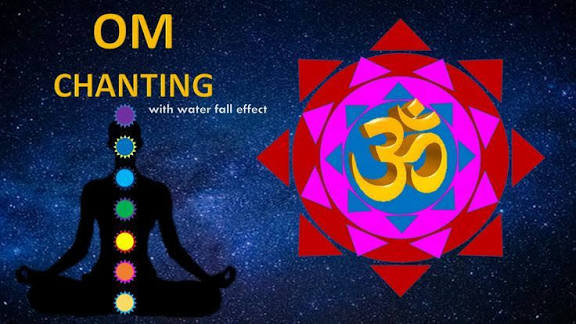
Experience the deepest state of meditation.

What historical event fascinates you the most?

The Cosmic Sound of Healing and Consciousness

Long before telescopes, microphones, or brain scans, the Vedas declared that sound is the foundation of creation. That primordial vibration the sound that began it all  is ॐ (Oṃ). Modern science now recognizes that the universe itself vibrates. From the smallest atom to the largest galaxy, everything is in motion — everything hums with energy.
The sages of India heard this cosmic hum thousands of years ago and called it “Oṃ”  the sound of the universe.


The Three Sounds — AA, UU, and MMAA

When we chant Oṃ slowly and consciously, it unfolds in three parts:

Sound Pronunciation Symbolic Meaning Physical Resonance

AA (अ) As in “father” (Waking state)
material world, body consciousness Vibrates in navel and chest — activates lower chakras

UU (उ) As in “put” (Dream state)
inner world, mental awareness Vibrates in throat and heart — harmonizes the middle chakras

MMAA (म्) As in “hum” (closed lips)
Deep sleep state — merging into silence Vibrates in head and crown — awakens higher centers


When the sound fades into silence, that silence is called “Turiya” — the fourth state, pure consciousness beyond sound.

The Science Behind Oṃ


🧠 1. Brain Synchronization and Calm

Modern neuroscience confirms that chanting Oṃ produces measurable changes in the brain:

fMRI and EEG studies (IIT Delhi, 2018; Frontiers in Human Neuroscience, 2011) show that Oṃ chanting deactivates the amygdala — the brain’s fear center.
→ This reduces stress, anxiety, and anger.

Oṃ increases alpha and theta brain waves, which induce deep relaxation, creativity, and meditation.

The vibration stimulates the vagus nerve, activating the parasympathetic system, the body’s natural “rest and heal” mode. In essence, Oṃ acts like a natural neural reset button.


💓 2. Heart and Breath Coherence

When you chant Oṃ, your breathing slows to about 6 breaths per minute —
the body’s resonant frequency for maximum oxygen efficiency.

Heart rate, blood pressure, and respiration become synchronized — a state known as cardiorespiratory coherence.

The result: calm mind, balanced emotions, and improved immunity.

3. Cellular Healing and Vibration

Recent studies in sonocytology show that each cell emits sound frequencies.
When exposed to rhythmic vibrations like Oṃ, these micro-oscillations come into harmonious alignment —
restoring cellular balance and promoting self-repair.

In Ayurveda, this state is called Sattva — the natural harmony of body and mind.


🌠 4. Frequency of the Cosmos

The tone of Oṃ (≈ 136.1 Hz) corresponds to the frequency of Earth’s orbit around the Sun —
known as the “AUM tone” in Indian classical music (Sa note).

Chanting Oṃ therefore synchronizes your body’s vibration with the planet’s resonance —
aligning you with the cosmic rhythm of nature.


🔮 5. The Pineal Gland and Inner Light

The humming “M” sound creates vibration in the skull, gently stimulating the pineal gland, the ancient “third eye.”
This gland regulates melatonin, the hormone that governs sleep, biological rhythm, and intuition.
Regular Oṃ chanting enhances clarity, emotional stability, and inner luminosity.

⚛️ The Quantum Connection

Physics tells us that the universe emerged from a primordial vibration — the Big Bang.
The Upanishads said the same:

“From Oṃ the universe expands, by Oṃ it exists, and into Oṃ it dissolves.”
This means Oṃ is not just a sound — it is the blueprint of existence itself. Every particle, every heartbeat, every breath carries that same sacred rhythm.


OM — The Supreme Name of the Divine

OM (AUM) is not merely a sound — it is the essence of the entire universe.
This sacred syllable is the vibration through which the Vedas, Upanishads, and Bhagavad Gita revealed the highest truth of existence.
The chanting, remembrance, and meditation of OM purify the soul, stabilize the mind, and sharpen the power of memory.


🌸 OM in the Vedas

Every Vedic mantra begins and ends with OM.
The Manusmriti (2/74) declares that a Brahmachari (spiritual student) should begin and conclude his study with OM, for:

If OM is not uttered at the beginning, learning gradually fades away,
and if not uttered at the end, it does not remain stable.Thus, OM is both the seed and the seal of divine knowledge.


🔺 Nachiketa’s Question in the Kathopp Upanishad

The Kathopp  Upanishad narrates how Nachiketa, the young seeker, asked Yama, the Lord of Death:

“O Revered One, tell me — what is the most essential truth in this universe?”

Yama replied:

> “That sacred name which the Vedas glorify,
which ascetics uphold through celibacy and discipline,
that supreme name is OM — the highest name of the Divine.”


He further said:

“OM is indeed Brahman itself.
Whoever realizes this sacred syllable,
all their noble desires are fulfilled.”

— Kathopp Upanishad 2/16

The Path of OM in the Yajurveda

The Path of OM in the Yajurveda

The Yajurveda proclaims:

“There is no path to conquer death and attain liberation
other than the path of OM.”
This makes it clear — OM is not just a spiritual practice,
it is the gateway to moksha (liberation).


The Vision of the Rigveda

The Rigveda (6/45/26) beautifully expresses:

“O Divine Lord! Your friendship is eternal and unbreakable.
You are the giver of cows to the one who desires cows,
and horses to the one who desires horses.”

to the one who meditates upon OM,
all rightful desires and needs are fulfilled in due harmony.


🔆 OM Meditation in the Prashna Upanishad

Sage Pippalāda reveals:

“He who constantly meditates on the Supreme Being
through the threefold sound of OM
becomes radiant like the sun.”

— Prashna Upanishad 5/5


✨ The Chhandogya Upanishad’s Vision

Even the Devas (celestial beings) attained immortality through OM:

“Those who took refuge in the imperishable, fearless sound of OM
themselves became immortal and fearless.”

— Chhandogya Upanishad 2/4/4


Lord Krishna’s Teaching in the Bhagavad Gita

In the Bhagavad Gita, Lord Krishna tells Arjuna:

“He who, at the time of death,
remembers the one-syllabled Brahman
OM attains the supreme state of liberation.”

— Bhagavad Gita 8/13


🌺 The Mundaka Upanishad on OM

“Through the chanting of OM,
the knots of the heart are loosened,
all doubts are destroyed,
and all karmas are dissolved.

— Mundaka Upanishad 2/28


🌕 OM — The Eternal Among the Ephemeral

The Katha Upanishad (5/13) declares:

“OM is the eternal among the transient,
the One among the many.
It fulfills the highest desires of those
who perceive it within their own soul.
Only such wise ones attain supreme peace.”


⚛️ OM — The Primordial Cause

In the Yajurveda (40/8) it is said:

“This OM is eternal, all-pervading, subtle, and imperishable. It is the cause of all living beings.
It has no body, no lineage, no organs.
It is pure, stainless, self-existent, and its own master.”

Om as a medicine


“Oṃ”  heals by resonance, not reaction.
It doesn’t fight disease — it restores harmony.


Unlike external medicines that act chemically,
Oṃ heals energetically — through vibration, coherence, and awareness.

Just a few minutes of chanting daily can:

1. Reduce stress and anxiety

2. Improve concentration and memory

3. Balance hormonal activity

4. Enhance emotional well-being

5. Deepen spiritual awareness


A.  How to Practice Oṃ Meditation

1. Sit comfortably with your spine straight.


2. Take a deep breath.


3. Inhale gently and exhale chanting Aaaa…Uuuu…Mmmm… slowly.


4. Feel the vibration rising from navel → chest → head.


5. After “M,” rest in silence for a few seconds — that is Turiya, the space of pure consciousness.


6. Repeat 9–21 times.


Oṃ is not a religion  it is pure vibration, the sound of life itself. It unites the physical, mental, and spiritual dimensions of being into a single, harmonious resonance. Chanting Oṃ is not about sound — it is about becoming the silence from which all sound arises. Through Oṃ, the ancient rishis offered us not just a mantra, but a cosmic medicine
one that heals the body, steadies the mind, and awakens the soul. “In every heartbeat, in every breath the universe whispers Oṃ.”

Ayurveda Warn …

What’s your favorite recipe?

10 diseases in 2025

1. Diabetes (Madhumeha)

Modern Name: Type 2 Diabetes (Insulin resistance)
Ayurvedic Name: Madhumeha — “Sweet Urine Disease”

📜 “Pramehino madhuryāccha mehaḥ madhumehaḥ smṛtaḥ” — Charaka Saṁhitā

Ayurveda’s causes:

Overeating heavy/sweet foods

Excessive sleep & sedentary lifestyle

Weak digestive fire (Agni)

Lethargy (Tamas)
Ayurveda warned that diabetes is not just about sugar—it is a collapse of Agni, and an imbalance of Kapha + Vāta.


2. Autoimmune Diseases (Ama + Ojas Kṣhaya)

Modern Name: Lupus, Rheumatoid Arthritis, Psoriasis, MS
Ayurveda’s view:

Ama (toxic, undigested metabolic residue)

Ojas Kṣhaya (loss of vitality & immunity)


📜 “Amaḥ śarīre prakopayati doṣān” — Ama provokes doṣas & makes the body attack itself.

Science still struggles to find exact causes. Ayurveda already explained: disturbed digestion → toxins → immune confusion → body attacks itself.


3. Depression & Anxiety (Manas Roga)

Modern Name: Mental health disorders (serotonin imbalance)
Ayurvedic Name: Manas Roga

📜 “Rajas tamaśca manaso doṣāḥ” — Charaka Saṁhitā

Causes according to Ayurveda:

Excess stimulation (social media, stress)

Poor diet (junk, stale food)

Lack of spiritual connection

Suppressed emotions

Loss of Sattva (clarity & balance)

Ayurveda says: Heal the gut, senses, and soul together. A disturbed mind cannot be cured by pills alone.


4. Cancer (Arbuda + Granthi Roga)

Modern Name: Cancer (tumor formation)
Ayurvedic Name: Arbuda (immovable growth), Granthi (hard swelling)

📜 “Ekadeśasthāni māṁsāni granthibhūtāni jāyante” — Suśruta Saṁhitā

Causes described in Ayurveda:

Viruddha Āhāra (incompatible foods)

Suppressing natural urges

Chronic stress & grief

Genetic predisposition (Bīja Doṣa)

Ayurveda understood cancer as physical + emotional + karmic imbalance, not just a mutation of cells.


5. Asthma (Tamak Śvāsa)

Modern Name: Bronchial asthma (allergens, airway constriction)
Ayurvedic Name: Tamak Śvāsa — “Dark Breath”

📜 “Tamakaḥ śvāso vāyurdūṣitaḥ”

Causes:

Heavy/cold foods

Emotional suppression

Past trauma

Weak digestion (Agni disturbance)

Ayurveda saw asthma not only as lung disease, but as a cry of the soul struggling to breathe freely.


6. Obesity & Metabolic Syndrome (Sthūlatva)

Modern Name: Obesity, metabolic syndrome
Ayurvedic Name: Sthūlatva — “Excess growth due to Kapha imbalance”

📜 “Ati bhuktam guru snigdhaṁ sthūlatvaṁ janayanti hi” — Charaka Saṁhitā

Ayurveda explains:

Medo Roga — fat-related disorders

Blocked Srotas — clogged channels

Manda Agni — weak digestion

Obesity is not just fat—it is loss of metabolic intelligence.


7. Hypertension & Heart Disease (Raktagata Vāta + Hṛdroga)

Modern Name: High blood pressure, blocked arteries
Ayurvedic Name: Hṛdroga — heart diseases

📜 “Hṛdayasya vyādhayo doṣajāḥ” — Heart disease arises from disturbed doṣas.

Ayurveda’s view:

Vāta, Pitta, Kapha can all disturb the heart

Suppressed grief & broken rhythm → weak heart

Lifestyle & emotional disharmony → blocked Prāṇa


Modern medicine sees BP. Ayurveda sees broken inner rhythm.


8. Irritable Bowel Syndrome (Grahani Roga)

Modern Name: IBS
Ayurvedic Name: Grahani — “seat of Agni disturbed”

📜 “Grahani nāma agnith sthānam” — Charaka Saṁhitā

Symptoms:

Indigestion

Alternating constipation & diarrhea

Fatigue after meals

Mental dullness


Eating in stress, multitasking while eating, ignoring food rituals → weak digestion → IBS.


9. PCOS & Hormonal Disorders (Ārtava Duṣṭi)

Modern Name: PCOS, hormonal imbalance
Ayurvedic Name: Ārtava Duṣṭi — disturbed menstrual essence

📜 “Ārtavaṁ strīṇāṁ garbhahetuḥ” — Essence of fertility

Causes:

Stress & agitation (Rajas)

Cold, damp Kapha foods

Abuse of birth control

Ignoring seasonal routines (Ritu-caryā)

Ayurveda says: The womb is a sacred altar, not just a machine. Honor it with balance.


10. Chronic Fatigue Syndrome (Alasya + Ojokṣaya)

Modern Name: Chronic Fatigue Syndrome (CFS)
Ayurvedic Name: Alasya (fatigue) + Ojokṣaya (loss of vitality)

📜 “Alasyaṁ śarīrasya prāṇa hāni nimittam” — Fatigue = loss of life-force.

Symptoms:

Brain fog

Lack of drive

Weak digestion

Sleep not refreshing


Ayurveda calls it collapse of Agni + depletion of Ojas (vital essence).

Science is diagnosing these in 2025.
But Ayurveda diagnosed them thousands of years ago.

The difference?
Science gives names. Ayurveda gives solutions.

Ayurveda’s prescription for preventing disease:

Dinacharyā — Daily rhythm

Ritu Charyā — Seasonal living

Sattvic Āhāra — Conscious diet

Prāṇāyāma — Mindful breath

Sadvṛtta — Dharma-centered lifestyle


Your Rishis didn’t just want you to “treat” disease.
They wanted you to avoid it altogether. Dakshinamurthy Ayurveda Pvt. Ltd. carries forward this timeless wisdom, blending ancient healing with modern needs.


Don’t worry Solution is here !!

The Secret of the Sun’s Rays (Savitṛ’s Power) – Esoteric Wisdom, While Ayurveda spoke of disease and health, the Vedas went even deeper.
They described the Sun (Savitṛ) not only as a physical source of light but as the cosmic awakener of higher consciousness.

The Ṛgveda (1.115.1) speaks of the seven rays (sapta-aśva) of the Sun, the seven horses that pull Surya’s chariot. These are not merely beams of light, but sevenfold powers of cosmic energy that sustain both body and soul.

Esoterically, these seven rays correspond to seven layers of spiritual force:

1. Third eye light

The visible sunlight that nourishes the earth, supports plants, balances hormones, and drives the rhythm of life.

2. Inhale (Prāṇa Śakti)

The vital current that flows through all beings. Just as the Sun powers photosynthesis, it fuels our own prāṇa.

3. Focus on Chidakash (Buddhi Tejas)

The inner illumination of discernment, clarity, and wisdom. Sunlight awakens not just crops, but also our capacity to see truth.

4. Heart plexus (Manas)

The subtle link between human thought and divine intelligence. The Sun is called Manas-chakṣuḥ (eye of the mind) in the Vedas.

5. Intuition (Vijñāna)

Direct perception beyond logic, often associated with the third eye. This ray connects us to deeper knowing, the inner “Gayatri light.”

6. Sankalp (Icchā Śakti)

The creative power of manifestation, linked with Hiraṇyagarbha (the Golden Womb)—the cosmic source from which creation unfolds.

7. Pure Consciousness.

The formless, eternal radiance of Brahman itself. Beyond light and energy, it is the awareness that illumines everything.

📜 That is why the Gayatri Mantra is not just a prayer but an invocation of these rays:

“Tat Savitur Vareṇyaṁ Bhargo Devasya Dhīmahi Dhiyo Yo Naḥ Prachodayāt”

“We meditate on the divine radiance of Savitṛ (the Sun). May that light inspire and awaken our intelligence.”

Thus, in Ayurveda and Vedanta, health is not only freedom from disease.
It is alignment with these seven rays — balancing body, prāṇa, mind, intellect, will, intuition, and consciousness.


This is the eternal mission of Dakshinamurthy Ayurveda Pvt. Ltd. — to blend health with higher consciousness.

How you create your own reality.

Where did your name come from?

Understand your Energy 💪

Nadi Vigyan (Pulse Diagnosis): An Ancient Science of Ayurveda

Spirituality is Beyond Science

Ayurveda is not just about herbs and medicines—it is a complete science of life, deeply connected with body, mind, and spirit. Among its most mystical and powerful diagnostic methods is Nadi Vigyan (Pulse Diagnosis). This ancient practice reveals the hidden secrets of health, energy, and consciousness through the subtle rhythm of the pulse. At Dakshinamurthy Ayurveda Pvt. Ltd., we honor and preserve this timeless knowledge for holistic healing.


1. What is Nadi Vigyan?

Nadi Vigyan is the art of analyzing the pulse at the wrist. The Ayurvedic practitioner (Vaidya) observes the speed, depth, quality, and rhythm of the pulse to identify the balance or imbalance of the three doshas—Vata, Pitta, and Kapha.

Index finger (Vata): Governs movement, air, and nervous system.

Middle finger (Pitta): Governs metabolism, heat, and digestion.

Ring finger (Kapha): Governs structure, water, and stability. This subtle reading goes far beyond modern medical diagnostics—it connects the physical body with the deeper layers of mind and spirit.


2. Why is Pulse Diagnosis Important?

Nadi Vigyan is not limited to disease detection. It can reveal:

Health predictions – Identifying possible future illnesses.

Mental state – Stress, anxiety, and emotional well-being.

Life energy (Prana Shakti) – The strength of vitality and immunity.


3. Time, Gender & Seasonal Variations

Morning: Vata pulse dominates.

Afternoon: Pitta pulse dominates.

Evening: Kapha pulse dominates.

Men: Right wrist pulse is stronger.

Women: Left wrist pulse is stronger.

Seasons: Pulse slows in winter, quickens in summer. Even meditation and yoga influence the pulse—creating a slow, steady, and deep rhythm in spiritual practitioners.


4. Nadi Vigyan in Ancient Texts

Classical Ayurvedic scriptures like Charaka Samhita and Ashtanga Hridayam mention pulse science as an essential diagnostic tool. They describe how pulse rhythms can even indicate lifespan, vitality, and spiritual progress.


5. Nadi Vigyan & Ayurveda in Today’s Lifestyle

In today’s fast-paced, stressful world, lifestyle-related disorders such as diabetes, hypertension, anxiety, and obesity are rising at an alarming rate. Modern medicine often focuses only on symptoms, while Ayurveda addresses the root cause.

Balanced lifestyle: Nadi Vigyan helps identify imbalances early, guiding diet, exercise, and lifestyle changes.

Preventive care: Ayurveda emphasizes prevention rather than cure, making it highly relevant in today’s health-conscious society.

Mind-body harmony: Stress, digital overexposure, and irregular routines disturb natural rhythms. Pulse diagnosis helps restore balance between body, mind, and spirit.

Natural healing: Through herbs, diet, yoga, and meditation, Ayurveda strengthens immunity and improves vitality without harmful side effects.
Ayurveda and Nadi Vigyan are not just ancient sciences—they are essential companions for a healthy, balanced, and peaceful modern life.


6. Nadi Vigyan Today

Although modern science overlooks this method, Nadi Vigyan is still practiced widely in Ayurveda. It remains a powerful, precise, and holistic diagnostic approach in India, Tibet, China, and South India.

At Dakshinamurthy Ayurveda Pvt. Ltd., we believe that Spirituality is Beyond Science, and through Nadi Vigyan, we carry forward this wisdom to serve humanity with authentic Ayurvedic healing.

Nadi Vigyan is more than pulse diagnosis—it is a bridge between the seen and the unseen, the physical and the spiritual. It reminds us that health is not just about curing disease but about balancing the body, mind, and spirit.

Dakshinamurthy Ayurveda Pvt. Ltd. continues to uphold this legacy, bringing the light of Ayurveda into modern lives and helping people achieve true wellness in today’s stressful times.

Nadi Vigyan (Pulse Diagnosis): A Guide for Today’s Healthy Living

Spirituality is Beyond Science | Dakshinamurthy Ayurveda Pvt. Ltd.

In today’s fast-moving lifestyle, most people are struggling with stress, lack of sleep, poor digestion, obesity, and lifestyle-related disorders. While modern medicine often focuses on treating the symptoms, Ayurveda offers us a deeper wisdom: to understand and heal our body before disease even appears.
At the heart of this wisdom lies Nadi Vigyan (Pulse Diagnosis)—an ancient science that connects us to our inner rhythm and helps us maintain balance.

🌿 Importance of Nadi Vigyan in Today’s Life


1. Early Detection of Imbalances

Before disease manifests physically, imbalances in the three doshas (Vata, Pitta, Kapha) can already be detected in the pulse.

This makes Nadi Vigyan a preventive tool for health.


2. Stress & Mental Health Awareness

Our fast lifestyle creates constant stress and anxiety.

The pulse reflects the state of the mind—helping us recognize when we need rest, meditation, or self-care.


3. Guidance for Healthy Lifestyle

By knowing your pulse nature, you can adapt your diet, exercise, and daily routine according to your body’s needs.

Example: If Pitta is high, one should avoid spicy foods and prefer cooling foods.


4. Restoring Mind-Body-Spirit Balance

Nadi Vigyan reminds us that health is not just physical, but also mental, emotional, and spiritual.

✋ How to Connect with Your Own Pulse (Self-Diagnosis)


While true Nadi Vigyan requires years of practice and guidance from a trained Vaidya, you can still begin to listen to your own body through pulse awareness:

1. Sit Calmly – Rest for 5 minutes in a quiet place.


2. Place Your Fingers – Gently place the index, middle, and ring finger of your right hand on the left wrist (for women, right wrist; for men, left wrist).


3. Feel the Rhythm – Observe the speed, depth, and flow of the pulse.

Fast & sharp pulse → Indicates Pitta dominance (heat, acidity, irritability).

Slow & steady pulse → Indicates Kapha dominance (heaviness, lethargy, coldness).

Light & irregular pulse → Indicates Vata dominance (anxiety, dryness, weakness).


4. Observe Daily Changes – Notice how your pulse feels in the morning, afternoon, and evening. This builds awareness of your body’s natural rhythms.


5. Match with Lifestyle – If pulse shows imbalance, correct it with diet (Ahara), routine (Dinacharya), yoga, pranayama, or meditation.


🌏 Why It Matters Today

With rising cases of diabetes, hypertension, depression, obesity, and autoimmune disorders, learning to understand our body is more important than ever.

Nadi Vigyan + Ayurveda give us the tools to not just treat illness, but to prevent disease and create a balanced lifestyle.


At Dakshinamurthy Ayurveda Pvt. Ltd., we believe Spirituality is Beyond Science—and by practicing Nadi Vigyan, each person can take the first step in knowing their body and living a healthier, more conscious life. Nadi Vigyan is not just for doctors and vaidyas—it is for everyone who wishes to live in harmony with their own body. By learning to read the signs of your pulse, you can understand your doshas, energy, stress levels, and lifestyle needs—and take control of your health naturally through Ayurveda.

🌿 Upanishadic Reflections: A Spiritual Thought Series

What do you listen to while you work?

Antiverse of knowledge!!


In a world often caught in the noise of the external, a quiet yet powerful invitation emerges—for the sincere seeker who yearns to walk the path of truth and attain the highest spiritual realization. We are delighted to introduce “Upanishadic Reflections”, a sacred thought series dedicated to illuminating the eternal wisdom of the Upanishads.

🔶 Why Upanishadic Reflections?

The Upanishads are not merely ancient scriptures; they are timeless revelations. They are the distilled essence of India’s spiritual heritage—offering direct insights into the nature of reality, consciousness, and the Self. These teachings are not for ritualistic comfort, but for inner transformation. They are a lamp for those walking the inner path, a mirror for the self, and a guide to the ultimate goal of life: self-realization.

🕉️ The Vision Behind the Series

The purpose of this series is simple yet profound:
To present the wisdom of the Upanishads in a way that is clear, concise, and practically applicable to modern spiritual seekers.

Each post will serve as:

  • A daily verse, thought, or insight from the Upanishads
  • A spark of contemplative stillness in your day
  • A bridge between ancient wisdom and inner awakening

These reflections are not just meant to be read—but to be lived, felt, and meditated upon.

📖 Our Journey Begins: The Mundaka Upanishad

We begin this sacred journey with one of the most revered Upanishads—Mundaka Upanishad. This scripture unveils the pinnacle of knowledge, clearly distinguishing between:

  • Apara Vidya: the lower, intellectual knowledge
  • Para Vidya: the higher, experiential knowledge that leads to realization of the Supreme Self

The Upanishad guides us toward Brahma-jnana, the direct knowledge of Brahman, and awakens us to the truth that Atman (the individual self) is not separate, but one with Brahman (the Absolute Reality).

🌼 An Invitation to Inner Discovery

Whether you are a long-time student of the Upanishads or just stepping onto the spiritual path, you are warmly welcomed to walk this journey with us.

Let these reflections serve as your:

  • Lamp in moments of doubt
  • Companion in silence
  • Witness in your inner awakening

May “Upanishadic Reflections” inspire you, challenge you, and gently carry you toward the light of truth.
Let each verse be a sacred whisper from the eternal, guiding you home.


The immortal journey: beyond own limits

What does freedom mean to you?

Vibrate your body with 5 : SHIVA PANCHAKSHARI MANTRA

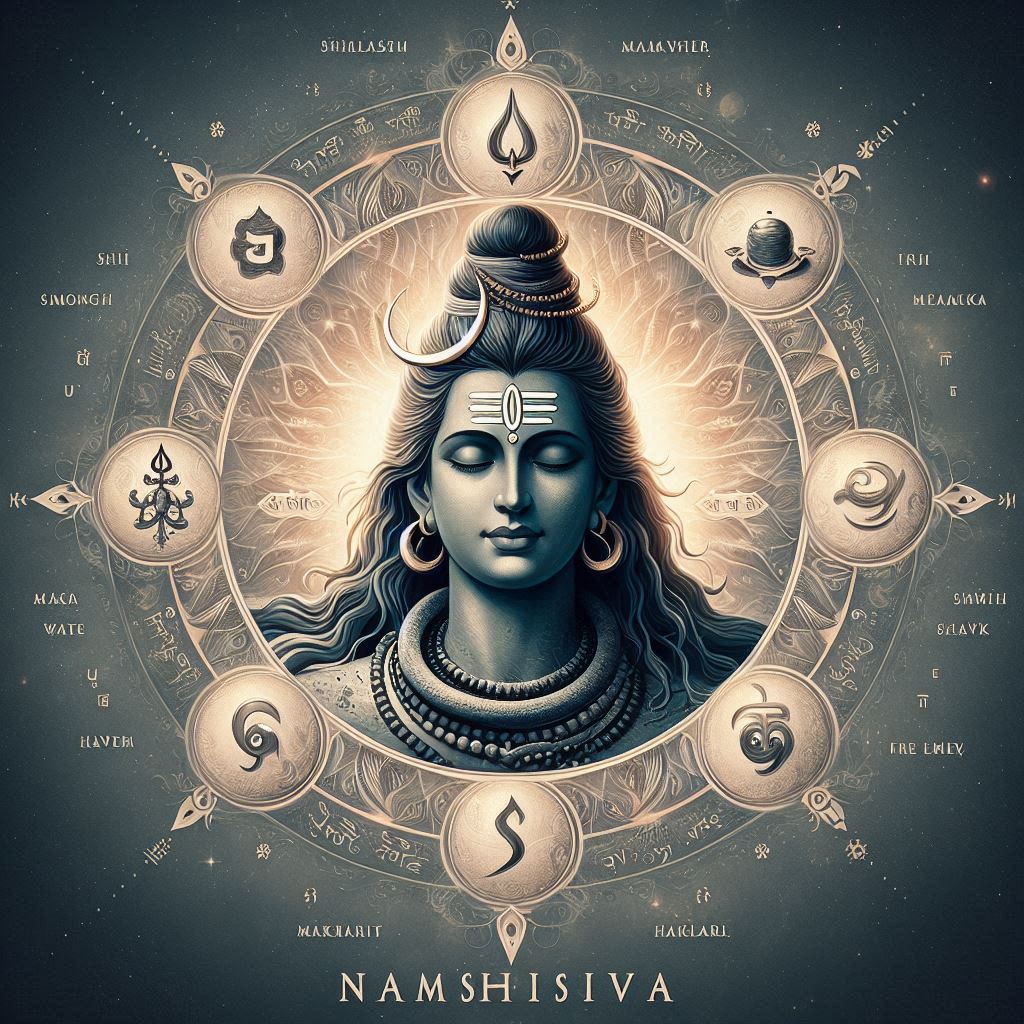
Shiva Panchakshari Mantra “Namashivaya” is the Shiva Panchakshari mantra, which is simple to chant but profound to interpret and understand. Due to the lofty meaning behind this mantra, this is considered a universal mantra.

Na –
This first syllable corresponds to Earth element.

Ma –
This second syllable represents Water element.

Shi –
This third syllable stands for the Fire element.

Va –
This fourth syllable denotes the Air element.

Ya-
This fifth syllable relates to the Ether or Space element


Lord Shiva as the Supreme God is said to be engaged in five tasks associated with the creations. The pancha Kriyas or the five acts are

Srishti_ creating,

Sthiti_ preserving,

Samhara _ destructing

Tirodhana _ concealing
 
Anugraha _ blessing.

The five syllables of the Shiva Panchakshari mantra correspond to these five divine acts of the Supreme Shiva. ‘Om’ or Pranava mantra and ‘Namashivaya’ are said to be one and the same. While the Pranava is the crux of the divine acts, the Shiva Panchakshari mantra expounds these divine acts further. The Pranava Mantra is like the husk of the paddy while the Shiva Panchakshari mantra is like the rice inside.

Shiva consciousness is beyond time and boundry

There was a time when balance in the cosmos broke.
The Devas ( positive ) energy were weakened. Their energy faded. The Asuras( giant ) energy grew in strength. Conflicts rose. Dharma trembled.

The only way to restore harmony was to retrieve the immortal the nectar of immortality, hidden deep within the Kṣīra Sāgara, the Ocean of Milk. But to bring it out, the ocean had to be ready for twist movement

Both Devas and Asuras agreed to churn the ocean together. Mandara Mountain became the churning rod.
Vāsuki, the great serpent of Mahādeva, was the rope.
The mountain began to sink So Viṣṇu took the form of a giant tortoise (Kurma) to support it from beneath.
Thus began the divine Samudra Manthan — the twist movement (manthan)  of the Cosmic Ocean.

Many diamonds (wondrous)  things emerged:

1. Kamadhenu,
2. Airāvata,
3. Kaustubha,
4. celestial Apsarās…

Movement of somthing unexpected : Hālāhala Visha.

But before the nectar could rise From the depths of the twist movement of ocean emerged something unexpected.  A dense, bluish-black vapor arose called Hālāhala Viṣa (Halahal vish). It spread in all directions.
Its very presence began to shake the elements.
The air darkened. The ocean trembled. Neither the Devas nor the Asuras could bear its touch.
Even Agni, the god of fire, stepped back. The sages, Devas, and ṛṣis gathered and said: “There is only One who can hold this The Mahāyogī, the Ever-Compassionate  Śiva.”

Silence is Medicine

Śiva, with infinite calm, took the entire Hālāhala Viṣa in His palms and in an act of sheer compassion… He drank it. But He did not swallow. With supreme control over His own being, He held the poison in His throat  between creation and destruction. His throat turned a deep, radiant blue. From that moment onward, the sages called Him:

1. Nīlkaṇṭha — The Blue-Throated One

2. The Lord who holds back destruction

3. The One who saves by containing, not by resisting

He absorbed the chaos and remained unmoved.
But this act was not His alone. As the fire of the poison raged in His throat, maa Pārvatī Devī  His consort, His Shakti. placed Her hand gently on His neck,
preventing the poison from descending into His body.
Shakti and Śiva stood as One Stillness and Compassion united in perfect harmony.The world was saved. Balance was restored.


The eternal teaching:

True divinity does not seek reward.
True power lies in absorbing the world’s pain in silence.
Not to destroy, but to protect. That is the glory of aadiyogi shiv . This is a mirror held up to your own journey.

1. The twist movement in ocean – your mind

2. The dark poison – your ego, pain, and hidden fears

3. Śiva – your inner Self

4. Shakti – your discriminating power, your inner devotion

when you churn your being when you face the inner poison with awareness. Can you reach the nectar of immortality-   real I .

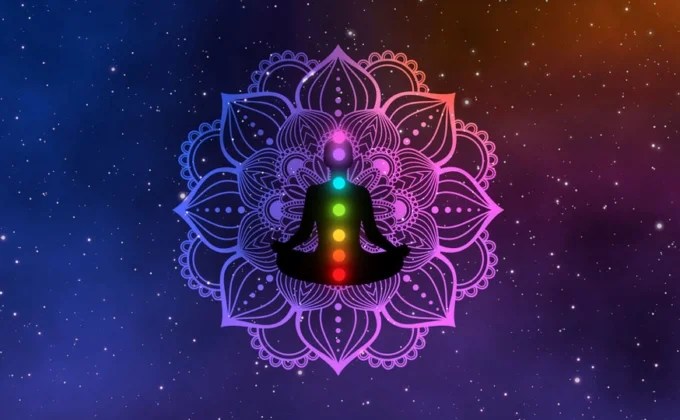
Shiva soul: Anaahat chakras

Blessed are the rare devotees who worship the Chidanandalahari (divine consciousness/bliss) that eternally dwells in the heart chakra (Anahata).
The Anahata Chakra (heart lotus) is uniquely blessed, positioned in the center of our spiritual anatomy. It lies between two crucial points: the Mooladhara (root chakra) below and the Sahasrara (crown chakra) above, where the moon continuously bathes the energy channels with divine nectar.

This heart center is especially sacred because:

1. It contains the essence of all deities

2. It embodies the spiritual power of sacred pilgrimage sites like Srishaila

3. It’s guarded by the ten vital breaths (or the deities of the ten senses)

4. It’s connected to other major energy centers that shine like jeweled islands

5. It houses the individual soul (Jivatman), which extends throughout one’s being like a vast tree

The Transmission Beyond Death.

What public figure do you disagree with the most?

Journey of Soil to soul .

According to the Skanda Purana, the most profound aspect of the Avadhuta wisdom came through an initiation that transcended the boundaries between life and death. Dattatreya Swami guided Bhagwan Parashurama through a ritualized death experience where consciousness consciously withdrew from the physical body and experienced disembodied awareness.

“Death,” revealed Dattatreya Swami, “is merely a transition between forms of experience. The one who knows himself as consciousness fears neither birth nor death, for they are simply changing scenery witnessed by unchanging awareness.” Through specialized pranayama that temporarily suspended vital functions and redirected prana into the central channel (sushumna nadi), Bhagawan Parashurama experienced conscious death and rebirth without losing continuity of awareness. This practice granted him the ultimate freedom from the fear that underlies all other fears, the fear of cessation. The text describes how Bhagawan Parashurama emerged from this experience “like the sun rising after a moonlesss night,” with absolute certainty of his deathless nature. This realization formed the foundation for the immortality that would allow him to preserve wisdom through entire cosmic cycles.

Why soil of consciousness harvest is ready??

Dattatreya Swami: Most practitioners till the soil of consciousness but abandon the field before harvest. They plant seeds of practice, water them with devotion, yet grow impatient waiting for the first green shoots. Know this, the ripening of spiritual wisdom follows cosmic seasons, not your calendar. Dattatreya Swami: When you no longer need to ask such questions. When the questioner himself has become the answer. When separation between field, farmer, and fruit dissolves. The true harvest is not an event in time but the recognition that what you sought was present from the first turning of soil

Your radiance equals that of countless suns, and your roar reverberates like the thundering clouds at the end of a cosmic cycle. You possess the might of a thousand Indras and the courage to surpass all. You embody infinite forms, possess immeasurable strength, and are likened to thousands of moons and planets. You are resplendent with the energy of thousands of Rudras and are praised by thousands of Brahmas.

With your infinite arms and fierce determination, you release beings from their bindings, and with countless faces, you behold all creation. Your power crushes a thousand mechanisms of bondage and annihilates foes with unparalleled force.

Make positivity your power

What was the last live performance you saw?

Raise your spiritual power.

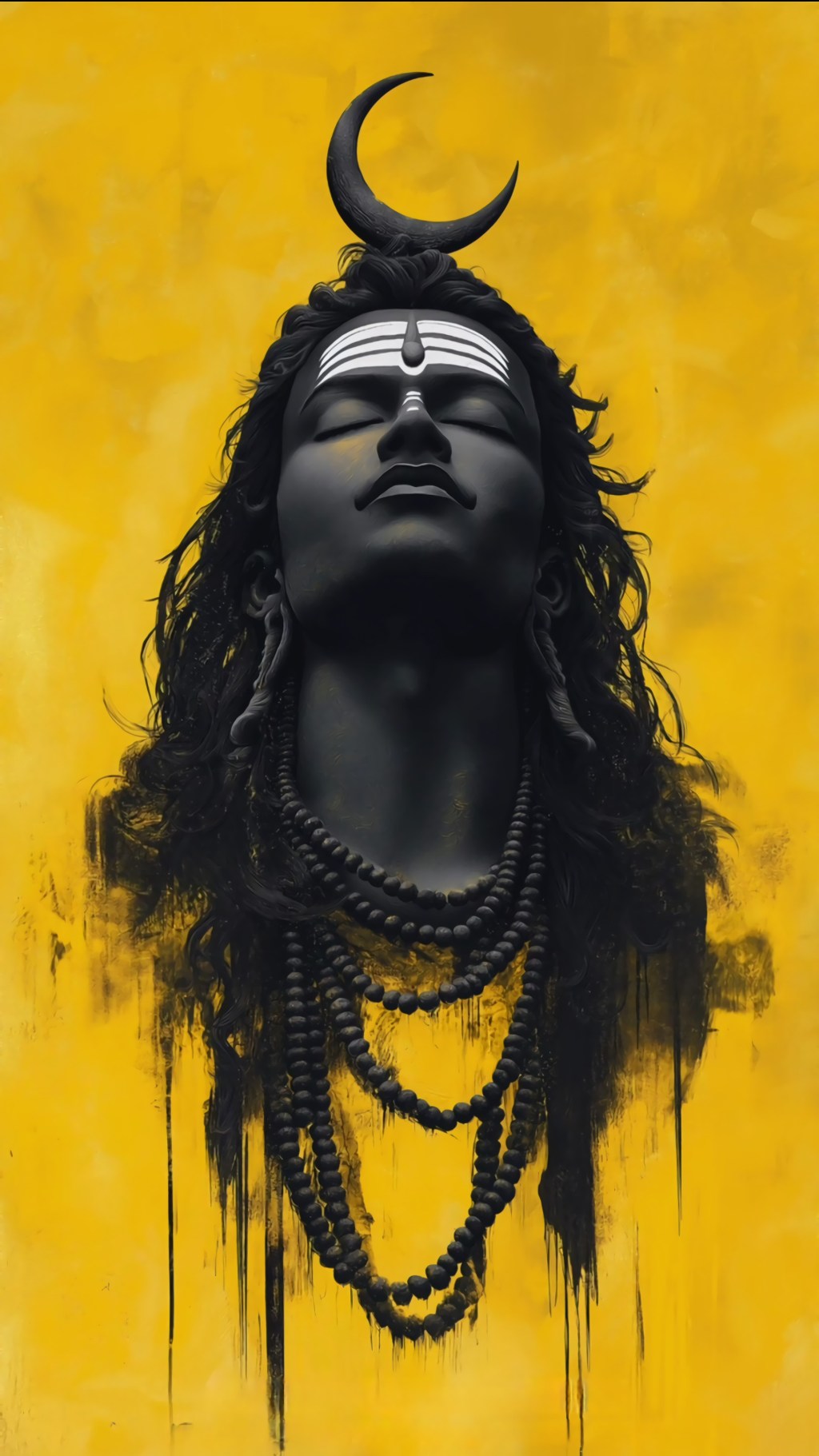
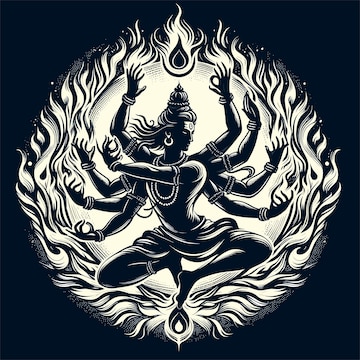
In the heart of the charnel grounds, where darkness and decay reigned, there stood a sanctuary. It was a realm where the shadows of mortality danced with the flickering flames of existence, and within this realm, there was a figure whose name echoed through the ages.  Lord Shiva, the Destroyer.

Lord Shiva’s form was ethereal, a dance of smoke and fire that seemed to defy the very laws of nature. His serpentine locks flowed like a river of obsidian, and his eyes, like the fires of a thousand suns, bore into the souls of all who dared to look upon him. Around his neck hung a garland of skulls, a macabre reminder of the impermanence of life, and in his hands, he held the trident that represented the cosmic balance between creation, preservation, and destruction.

The ganas who surrounded him were no ordinary beings. They were the ugra bhuta, the fierce spirits that embodied the darker aspects of existence. They were the embodiment of fear, rage, and chaos, and yet, they were the very essence of Lord Shiva’s power. They danced and sang in a frenzy, their figures a whirl of shadows and flames, as they paid homage to their master. In this forsaken place, where the echoes of suffering were a constant reminder of the ephemerality of life, Lord Shiva was known to bestow his blessings upon those who sought him. Even the smallest act of devotion could sway the balance in one’s favor, for Lord Shiva was known to be both compassionate and merciless.

Speak like you pray

The eternal feminine flows through Maa’s side, nurturing life with gentle radiance at creation’s dawn. The cosmic masculine pulses through Shiva’s form, dissolving worlds with thunderous power at time’s end. Maa embodies the flowing rivers of compassion, Her eyes pools of boundless mercy for all beings. Shiva manifests the steadfast mountains of justice, His gaze the piercing flame that burns illusion.

The universe blossoms from Maa’s laughter, petals of existence unfurling in joyous abundance. The cosmos returns to seed within Shiva’s solemn breath, cycles completing in perfect dissolution. Maa’s hands bestow blessings of abundance, sustaining creatures through the wheel of becoming. Shiva’s palms hold the drum of time’s rhythm, marking the beat to which all existence must dance. Maa is Shakti, the primal energy flowing through every particle of being.
Shiva is the unchanging consciousness within which all transformations occur.

The divine mother cradles creation in Her loving embrace, nourishing all with tender care. The cosmic father oversees the grand design, maintaining dharma through eternal wisdom. Maa dances in delight with the captivating beauty at the face of creation which springs forth from them. Shiva’s dance of destruction is in fury and the cosmos subsides back in them. SHE is the mother of this world and He is the Father. In their sacred union, opposites find harmony, neither complete without the other. In their divine wholeness, duality dissolves into the perfect balance of being.