Blog

Unlock supreme success

What food would you say is your specialty?

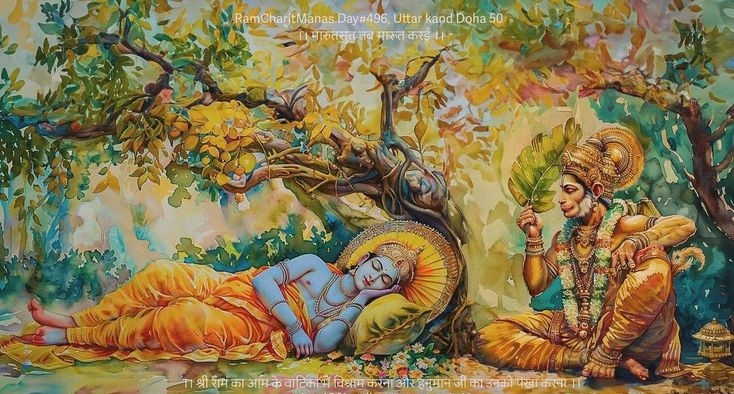
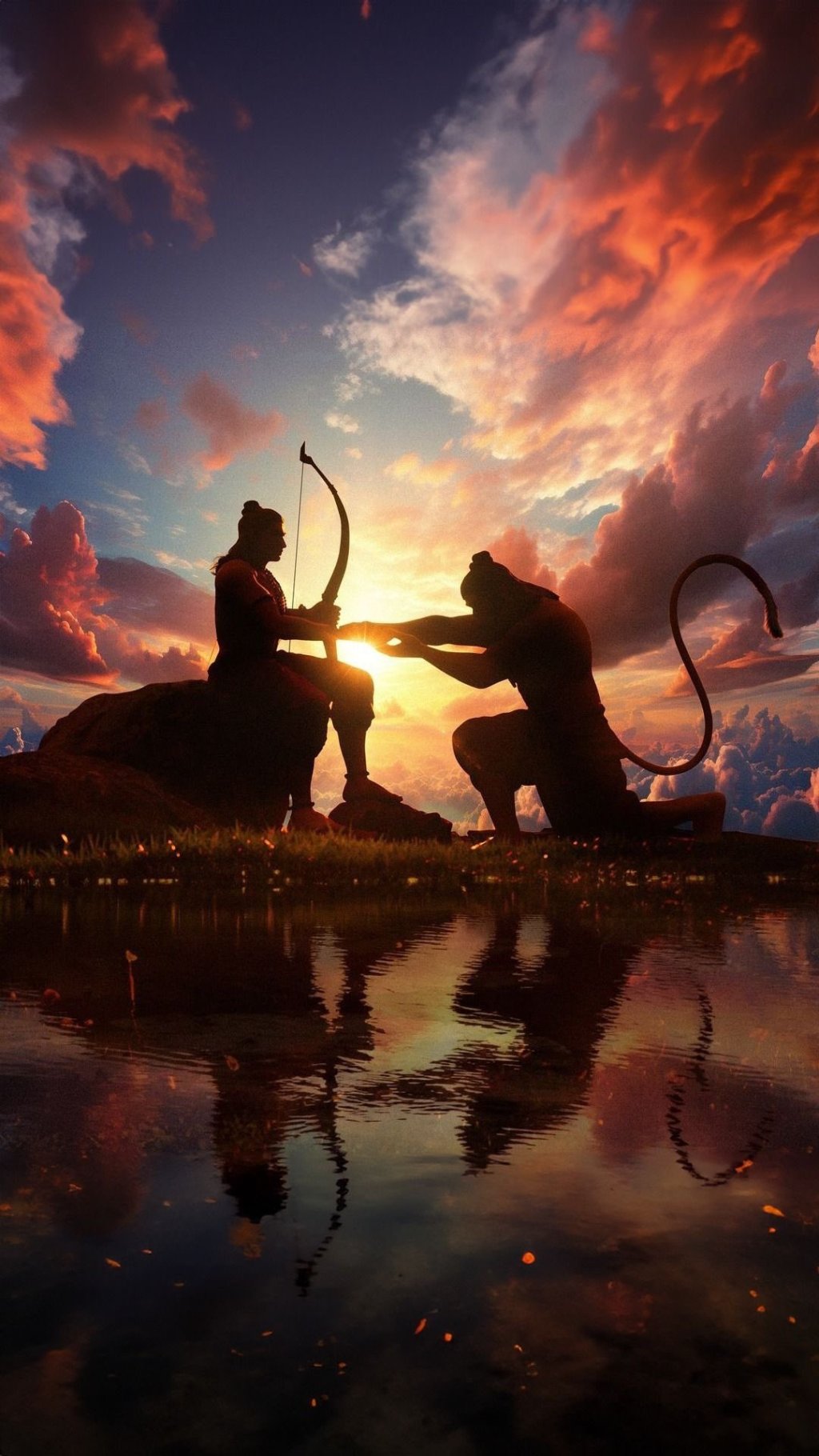
The legend of HANUMAN JI ♥️

The verse of Ashta Siddhi in Sanskrit is as follows.

Anima, Mahima, Laghima, Garima and prapti, Prakamya Ishitva and Vashitva, these siddhis are called “Ashtasiddhi

The term ‘siddhi’ generally refers to such transcendental and spiritual powers that are attained through penance and spiritual practice. According to the belief of Sanatan, many types of siddhis are described, out of which eight siddhis are more famous, which are called ‘Ashtasiddhi’ and which have been described in the above verse.

Sri Hanuman Chalisa, written by Goswami Tulsidas, is the Chaupai in which Tulsidasji.  Explain that Hanuman is endowed with  eight siddhis


Description of Ashtasiddhi:-

1. Anima –
The ability to shrink one’s body into a molecule.

2. Mahima –
the ability to greatly enlarge the size of the body.

3. Dignity –
the ability to make the body extremely heavy.

4. Laghima –
the ability to de-load the body.

5. Attainment –
The ability to go to any place without interruption.

6. Prakamya –
The ability to fulfill each of your desires.

7. Ishitva –
The ability to have complete authority over every object and being.

8. Vashitva –
the ability to subdue every being. Ashta
Siddhis are those siddhis by which a person can be able to live in any form and body. He can cross the limits of subtlety and become as subtle and as massive as he wants

1. Anima:
The first of the Ashta Siddhis is Anima, which means! He has the power to subtle his body like a molecule. Just as we cannot see a molecule with our naked eyes, in the same way, no other person can see the one who has attained Anima Siddhi after attaining Anima Siddhi. The seeker can assume a subtle body equal to an atom whenever he wants

2. Mahima :
Glory is the exact opposite type of Anima, the seeker can make his body infinitely vast, and he can stretch his body to any limit

3. Garima:
After attaining this siddhi, the devotee can increase the weight of his body in an unlimited way. The size of the seeker is limited, but the weight of his body increases so much that no power can move him

4. Laghima:
The body of the seeker can be so light that he can fly faster than the wind. The weight of his body becomes negligible

5. Prapti:
A seeker can go to any place, anywhere without any hindrance. By becoming invisible to other human beings according to his wish, the seeker can go wherever he wants to go and no one can see it

6. Prakamya:
A seeker can understand the matter of someone’s mind very easily, then whether the person in front of him expresses his mind or not

7. Ishiatya:
This is the title of God, a; aftertaining this siddhi, the seeker himself becomes the form of God, he and can establish his dominion over the world.

8. Vashitva:
After attaining Vashitva, a seeker can keep any person as his slave. He can subdue whomever he wants or cause anyone’s defeat.

The 8-limbs of limitless willpower
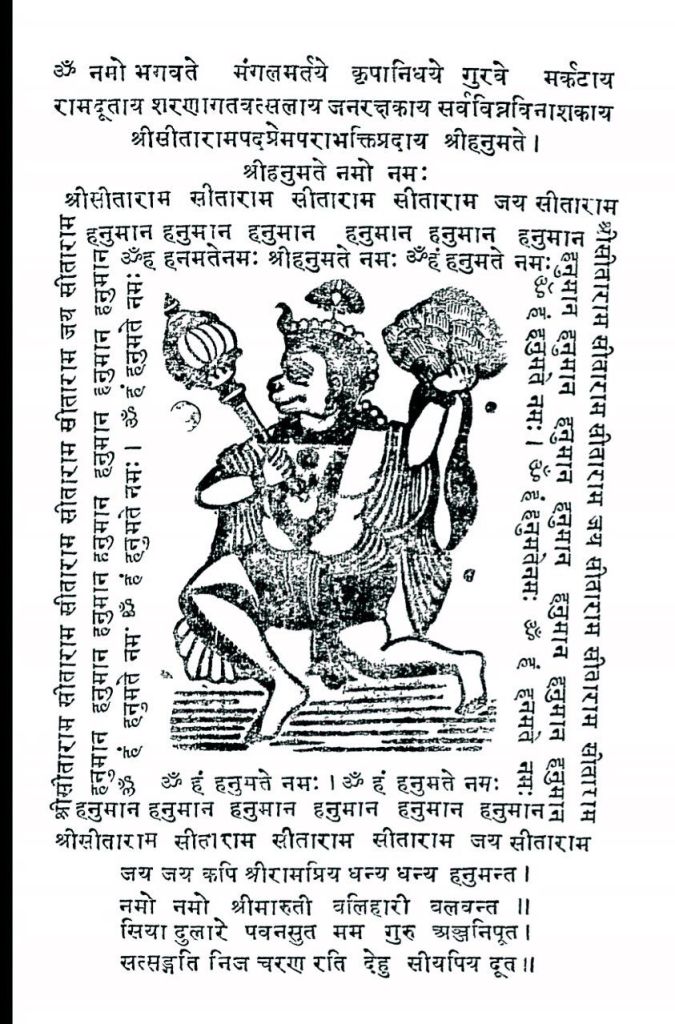
In Indian Sanatan culture, how the person and self-confidence destroy bondage should be learned from Hanuman the god of strength and strength. Hanuman is associated with Lord Shri Ramchandra, but Hanuman travels from a person to a seeker and awakens an unlimited power within himself, which is in every person; how much someone can use that power and power depends on that person. Hanuman tells us how to use the power. How did Hanuman swallow the sun, 28 million times more grand and bigger than the Earth? Is this a joke with science? Accordingly, you should question everything which is not easy. Like how Hanuman crossed such a vast ocean without getting tired?  Shri Hanuman is part of God, he has received various types of boons

Hanuman ji !!   Has Astha Mahasiddhi and Nau Nidhi. These Astha Mahasiddhis are Anima, Laghima, Mahima, Ishitva, Prakramya, Garima and Vashivta.  With the help of these siddhis, they can go near the sun and swallow it, but Hanuman does not swallow #NAME. This 18th chapter of Hanuman Chalisa written by Goswami Tulsidas describes the distance between the sun and the earth

जुग सहस्त्र जोजन पर भानू।
लील्यो ताहि मधुर फल जानू।।

This couplet is in the Awadhi language. The meaning of this couplet in the Hindi language is that Hanumanji had eaten Bhanu, i.e., Surya, located at a distance of one Yuga Sahastra Yojana, as a sweet fruit (when he was about to eat, Devraj Indra attacked. If you want to argue science here, then you can give it, as if Hanuman could have reduced his weight #NAME? Subtle meaning by using his Laghima Siddhi

As we have read in science, an article that weighs negligible can travel at the speed of light because, in that case, the force of gravity and center of gravity do not affect that particle. In this way, Hanuman flew faster than the speed of light and reached to swallow the sun. According to NASA, the distance between the Sun and the Earth is 149 million kilometers and this has already been described in the 18th quadruped of Hanuman Chalisa. Hanuman is one of the Ashta Siddhis With this siddhi, he could enlarge his body as much as he wanted. Therefore, the whole earth is like a fruit in front of Hanuman. According to science, any object that weighs more and has a lot of energy can form a black hole, and black holes can swallow the sun. When a black hole can swallow the Sun, Sri Hanuman is an incarnation of Lord Shiva. God is. Nothing is impossible for them in the universe

Change is the law of nature.   70-80 years ago, if someone said that humans could go to space, people would laugh. 40-50 years ago, if someone said that a person could complete a distance of thousands of kilometers in a few hours, then people would laugh. 20-30 years ago, if someone said that a human being could talk to another person sitting far away, then people would laugh. 15-20 years ago, if someone said that a person could see face-to-face from another person sitting far away, then people would laugh

In recent times, China has succeeded in creating an artificial sun of its own. Today we live in the city, so you can believe by listening/reading this news. But if you go to the village and ask someone, he will make fun of you like this questioner. And will not believe that any country (people of a country) can make the sun. Now you understand what I mean. Today, we are researching traveling at lightning speed (it must be a joke right now. But our thinking has proved true so far, so why do you think about our culture as if everything is superstition? Our culture is rooted in our hearts, minds, history, books, and Vedas, while science is just beginning, so we have not been able to understand science properly even today; then how can you compare your culture with science to a limit? Hanuman is part of Rudra, the Rudra that ends and rhythms the entire universe, so Hanuman is the Sun, which is like a molecule relative to the universe, he can swallow it. Therefore, we should never compare our culture too much with science. Because there are some things that even science cannot understand right now. Where the boundaries of science end, spirituality begins

Sanatan scriptures.

What’s the biggest risk you’d like to take — but haven’t been able to?

Oldest religion texts.

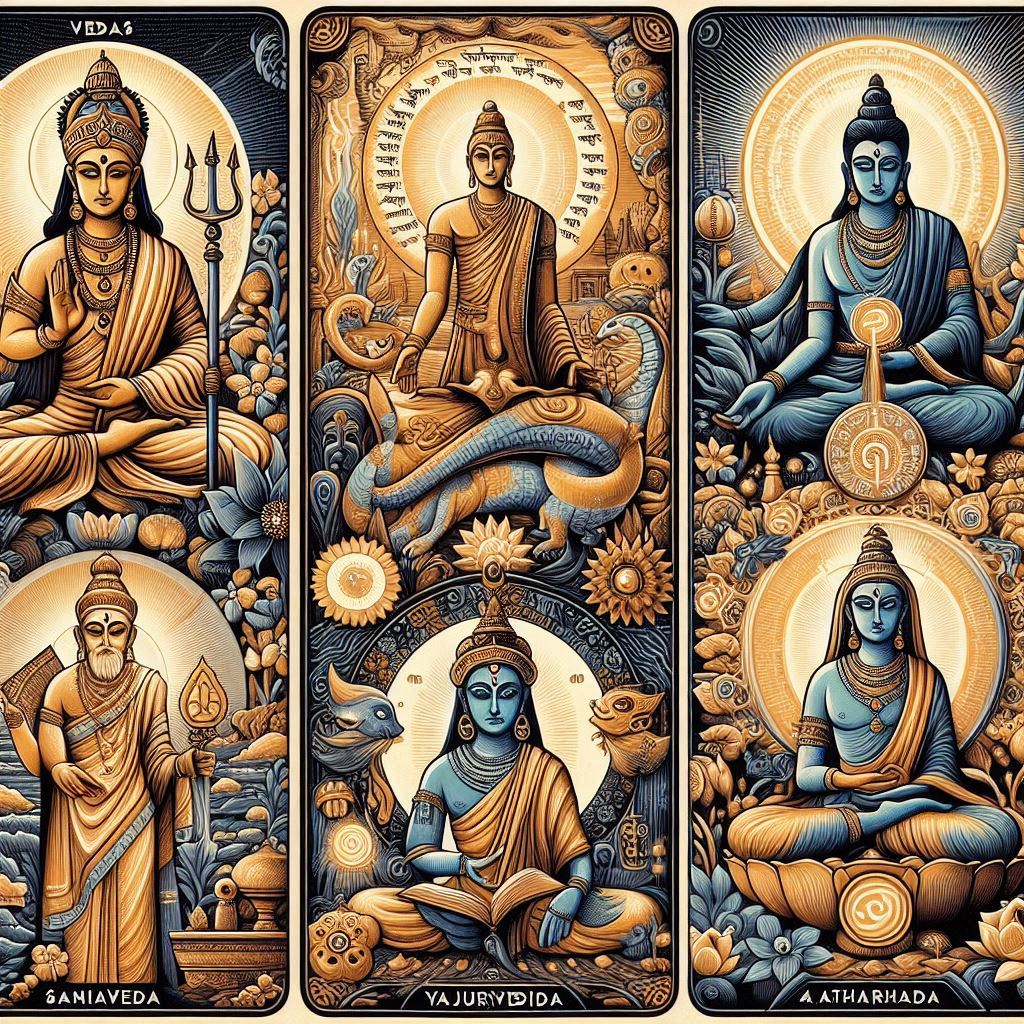
There are four Vedas and 108 Upanishads in Sanatan Dharma. The Vedas are considered to be the oldest religious texts. The four Vedas are as follows:

1. Rigveda

2. Yajurveda

3. Samaveda

4. Atharvaveda

These Vedas, as well as the Upanishads, are considered an important part of the Vedic literature. Profound philosophical and spiritual topics have been discussed in the Upanishads. Vedas and Upanishads are profound and ancient texts of Sanatan Dharma, in which the philosophical and religious principles related to life, universe, and ultimate truth have been described in detail

VEDAS (1,00,000 verses)

Divided & Organized into 4 Vedas by
Krsna Dvaipayana (Vedavyasa)

Whya Vedas .

1. Vedas:

The Vedas are considered as the most ancient and main texts of Sanatan Dharma. The Vedas are considered by the sages as “shruti” (knowledge gained by hearing. These were compiled by Maharishi Ved Vyasa. The purpose of the Vedas is to guide the four major goals of human life (Dharma, Artha, Kama, Moksha. This is Sanatan meaning that which has been going on continuously since time immemorial is in the real form, this is eternal

The four Vedas are as follows:

Rig Veda:

This is the oldest Veda and consists mainly of a compilation of richas (mantras) in the form of praise of the gods. It has around 10,552 mantras, which are used in the worship of various deities, prayers, and yajnas.


🔸Rigveda (21+ Shakhas)

▪️Available 1 Shakha

▪️Lost 20+ Shakhas

▪️Samhita

▪️Brahmana

▪️Aranyaka


Yajurveda:

It describes mantras and methods for sacrifices and rituals. It is divided into two parts: Krishna Yajurveda and Shukla Yajurveda. It mainly deals with ritualistic and ritualistic activities

Yajurveda (101+ Shakhas)

▪️Available 3-4 Shakhas

▪️Lost 97+ Shakhas

▪️Samhita

▪️Brahmana

▪️Aranyaka


Samaveda:

In this Veda, some mantras of Rigveda have been presented in musical form. It is seen by linking it with devotion and music. The mantras of Samaveda are used to accompany music in sacrifices and rituals.

Samaveda (1000+ Shakhas)

▪️Available 3 Shakhas

▪️Lost 997+ Shakhas

▪️Samhita

▪️Brahmana

▪️Aranyaka


Atharvaveda:

This Veda is slightly different from the other three. It describes mantras and methods related to witchcraft, medicine, healing, and social life. There are many mantras in it that throw light on all aspects of a person’s life

Atharvaveda (9+ Shakhas)

▪️Available 2 Shakhas

▪️Lost 7+ Shakhas

▪️Samhita

▪️Brahmana

▪️Aranyaka

The 108 Upanishads:

The Upanishads are called the last part of the Vedas or “Vedanta”. Their purpose is to clarify the search for enlightenment, Brahman, Atma, and the ultimate truth. The Upanishads mainly describe spiritual, philosophical and meditative topics. The doctrines of Vedanta are based on the Upanishads. Although the number of Upanishads is considered to be 108, some of the major and ancient Upanishads are as follows:


1. Total Shakhas: 1180

▪️10-15 Available

▪️Brahmanas

▪️Available 19-20

▪️Lost 1,111+

2. Samhitas :

▪️Available 9-10

▪️Lost 1,121+

3. Upanishads :
▪️Available 108

▪️Lost 1,023+

4. Aranyakas

▪️Available 7

▪️Lost 1,124


1. Ishopanishad:

It mentions the unity of the universe and the soul and considers the impermanence of karma and life.


2. Kathopanishad:

It is based on the dialogue of Yama and Nachiketa, explaining the mysteries of soul, death and salvation.


3. Mandukya Upanishad:

It analyzes the forms of Om and its three sounds. This Upanishad is a major source of Advaita Vedanta.


4. Chandogya Upanishad:

This Upanishad is related to the Samaveda and discusses in detail the Atman, Brahman and the methods of meditation


5. Brihadaranyaka Upanishad:

This is the largest Upanishad and considers the importance of the soul, rebirth, Brahman and knowledge.

Importance of Vedas and Upanishads:

The Vedas and Upanishads are the foundation of Indian religious, philosophical and spiritual traditions. These texts provide guidance on every aspect of human life, such as:

Spirituality:
The ultimate purpose of life is the union of the soul with Brahman (moksha), which is explained in depth in the Upanishads


Religion:
Duties and religious conduct have been described in the Vedas.

Yoga:
The path to purification and salvation of the soul is shown through meditation and yoga.

Karma:
The principle of karma and its consequences have been explained in detail in the Vedas and Upanishads.
Vedas and Upanishads are not only religious texts but also show the philosophical and spiritual path to understand and find solutions to the complexities of human life

Process of Self-surrender.

What are you most proud of in your life?

As per Brihat Parashara Hora Shastra

The woman who has the marks of a wall or gateway on her palms becomes a queen even if she is born as a maidservant.

Mahārśi Parasara said. O Maitreya! Now, I will describe to you the effects of moles, marks, spots, and signs found on the bodies of women and men.
A mole, spot, or figure formed by hair on the left side of a woman and the right side of a man is auspicious. If there is a mole on the chest of a woman, she will be fortunate. A woman who has a red mark, like a mole, etc., on her right breast begets many children, and she is blessed with all kinds of enjoyment and comfort.

The woman, who has a red mark (mole) on her left breast, begets only one son. The woman, who has a mole on her right breast, begets many daughters and sons. There will be gain, or acquisition of a kingdom, if there is a red mole, etc, on the forehead or in the middle of (between) the eyebrows. The person will enjoy sweetish preparations if there is such a mark on the cheeks.

The woman, who has a red mark (mole, etc.) on her nose, becomes the consort of a king. If the mark is blackish, the woman concerned becomes an adulteress or widow. All the marks below the navel are auspicious for both men and women. If there are moles, etc., on the ears, cheeks, or neck of a man, his first issue will be male, and he will enjoy good fortune and happiness. The man, who has moles, etc., in the thighs, suffers misery. The woman, who has the sign of a trident on her forehead, becomes a queen. Such a mark on the forehead of a man makes him a king.

Balancing energy by MOON.

Neurodevelopmental problems, autism, ADHD, etc. problem,s include Moon being angry, Balarishta, relation to 6th and 1st hours,e, etc.
Looking at the position of the moon in most horoscopes, I feel that when the moon gives problems when it is under the influence of cruel planets and arista houses, then it gives the most problems. It also disturbs normal people, mental disturbance, and pressure, but we do not realize it

Those in need of powering the moon or balancing its energy should try to meditate with the sound of running water, as good as the morning, even with the rays of the moon if the moon is beneficial in the horoscope.
Meditate on the image of the moon of Shukla paksha Dwitiya while meditating.

Turn off unprovoked running and wasting clean water.

◆If more water is flowing from your RO, then get it serviced immediately.

◆If there is a problem of constantly dripping water from the tap in your house, then get it fixed immediately.

Moon i.e. water, the factor of the mind, mixing in the contaminated drains (Rahu), will confuse the mind, reduce focus, cause stress and anxiety, and give playfulness instead of permanence Especially those who are going on the Mahadasha of the moon, fast on the full moon, can also fast on Monday. Pradosh fast is also a very good solution.
Donation related to the moon is said according to the horoscope, but you should anoint the Shivalinga with cow’s milk in the evening when the moon rises. If there are a lot of problems, donation is also given, and pearls are also worn, but it is not right to take measures without any advice

Self-surrender means surrendering oneself to that divine power, in which the feeling of complete faith, loyalty, and surrender to the soul is awakened. This frees us from our desires, conflicts, and ego and unites us with the ultimate truth. But it is necessary to strike a balance between self-compassion and self-surrender. Many times human beings get so entangled in self-sensation that they forget self-surrender. • Meditation in the Indian spiritual realm, i.e., astrology and sadhana, helps in the mental, physical, and spiritual development of people through the processes of self-sensitization and self-surrender. This enables man to get rid of his ego, desires, and material things When a human being is devoted to God or the universal energy, he gets rid of mental and emotional stress and through self-surrender that person can connect the direction of his life with the highest consciousness, thereby giving him divine guidance and peace. This process of Shiva Yoga simplifies and empowers the journey from self-sensation to self-surrender, enabling one to move towards a higher consciousness.

Mystery behind MAHABHARATA

What’s something most people don’t know about you?

The Scientific Tradition of Bharat


From the scientific point of view, there has been a tradition of study and research since ancient times in Bharat.

Many Rishis like;
Bhrigu,
Vashistha,
Bharadwaj,
Attri,
Garg,
Shaunak,
Shukra,
Narad,
Chakrayan, Dhundinath, Nandeesh, Kashyap, Agastya, Parshuram, Drona, etc. They spent their entire lives working in different fields. Many different Rishi Maharishis worked in many different fields of aeronautics, astrology, astronomy, chemistry, military science, and all other walks of life.

Brahmastra: The King Of The Astras
V/S Vajra: The Hardest Among All Divine Weapons

First of all, you must know that all our ancient weapons were divided into two categories. According to the Ramayana, Bala Kanda

1. Shastra-

It is a weapon that is handheld or, you can say, a weapon that is used for cutting or wounding, like a sword, lance mace, etc.

2. Astra-

A projectile weapon invoked by reciting hymns like Agneyastra, Pashupatastra, etc. Astra Vidyas were only taught to strict discipline & deserving students, & passed only to the right person. The video was never written down to prevent the misuse of it as they were very powerful.
Among these astras, Brahmastra is considered to be the most powerful astra that has been ever used by anyone. It is the weapon of Bhagawan Brahma, the creator, and like other astras, it is invoked with a special mantra, and then one can use it to destroy anything that is created by Bhagawan Brahma.  The Brahmastra does refer to a special arrow, but an ordinary arrow can also be given the same power using the mantra, and as mentioned in Ramayana, Shree Rama had even used the mantra on blades of grass.
Of the sage Dadhichi. At the request of Bhagawan Shiva, Sage Dhadhichi donated his body. It was originally made for the destruction of the demon Vithrasur.

Bhagawan Vishwakarma had made a weapon with Dadhichi’s bones and Bhagawan Shiva had named the weapon Vajra. Later it was handed over to Bhagawan Indra.

According to Bhagavad Gita 10.28-

आयुधानामहं वज्रं धेनूनामस्मि कामधुक्।
प्जनश्चास्मि कन्दर्पः सर्पाणामस्मि वासुकिः।। 

Here Shri Krishna says to Arjuna that of the weapons, he is the Vajra. So you can imagine the hardness of vajra. 

Properties of the vajra-

Nothing can withstand its splendor, and It shines brightly with the light of a crore of suns, and it resembles the fire that shone at the dissolution of the world. Its fangs extend to a yojana (10 miles) in length, and its tongue, too, is most horrible. It resembles the night of destruction at the end of the world and is covered with 100 knots. Its breadth amounts to five yojanas and its length to 10 yojanas. Its periphery is covered with sharp points; in color, it resembles lightning; a broad, strong handle is fixed to it. Its movements are four in number.

Why Mahabharata???

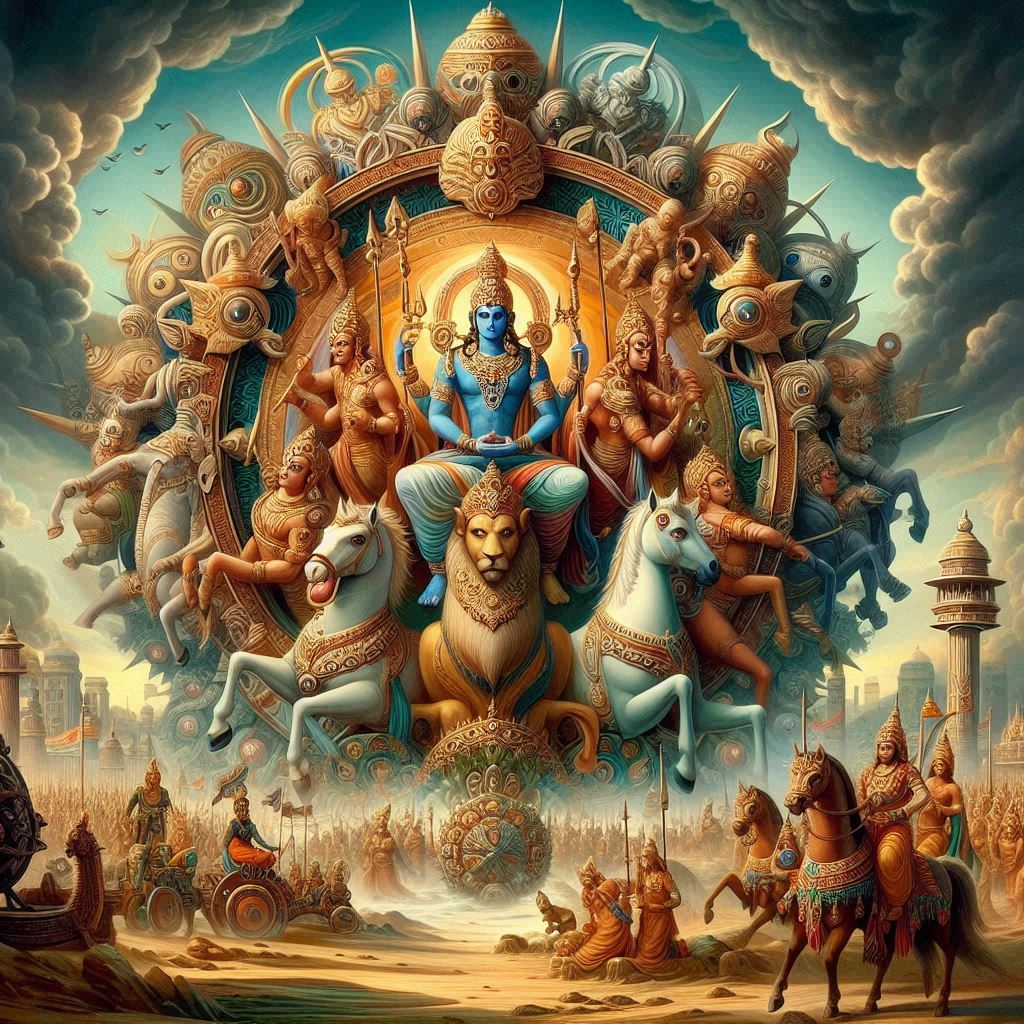
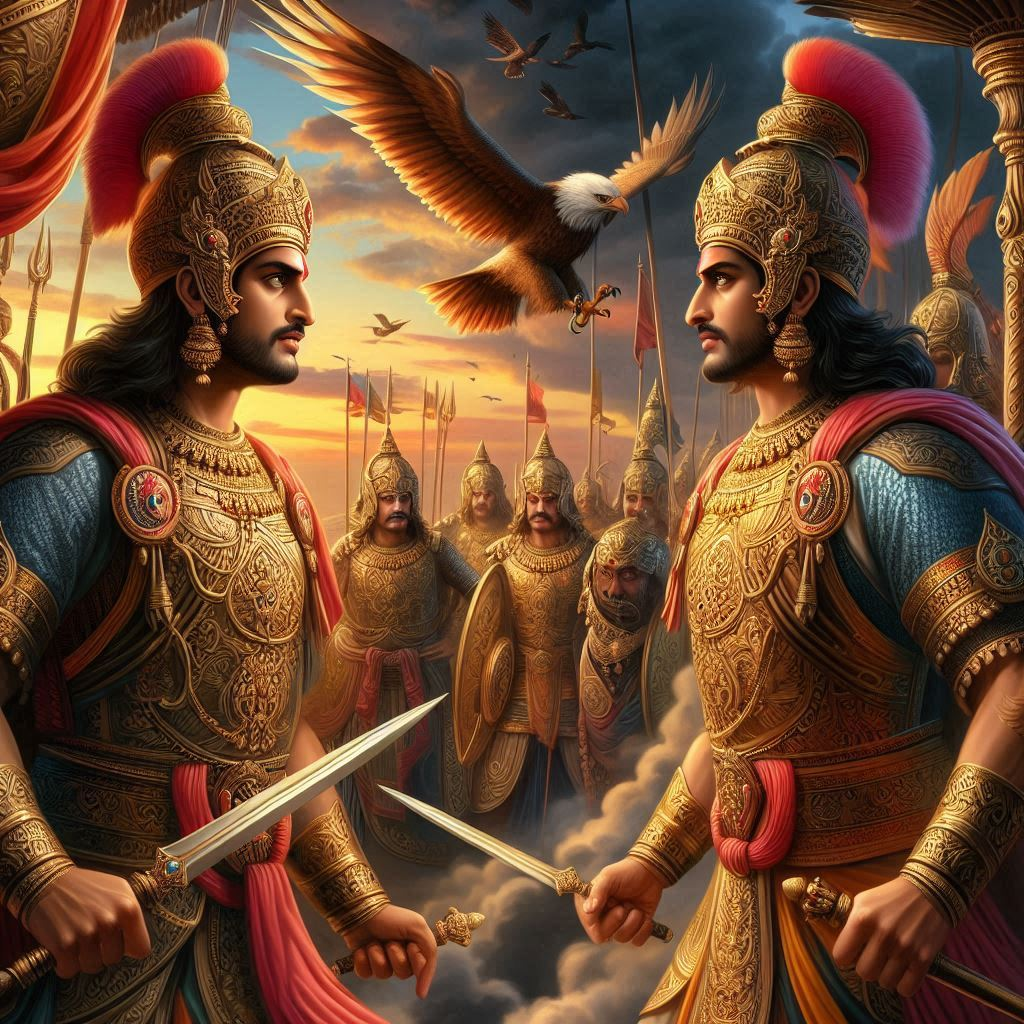
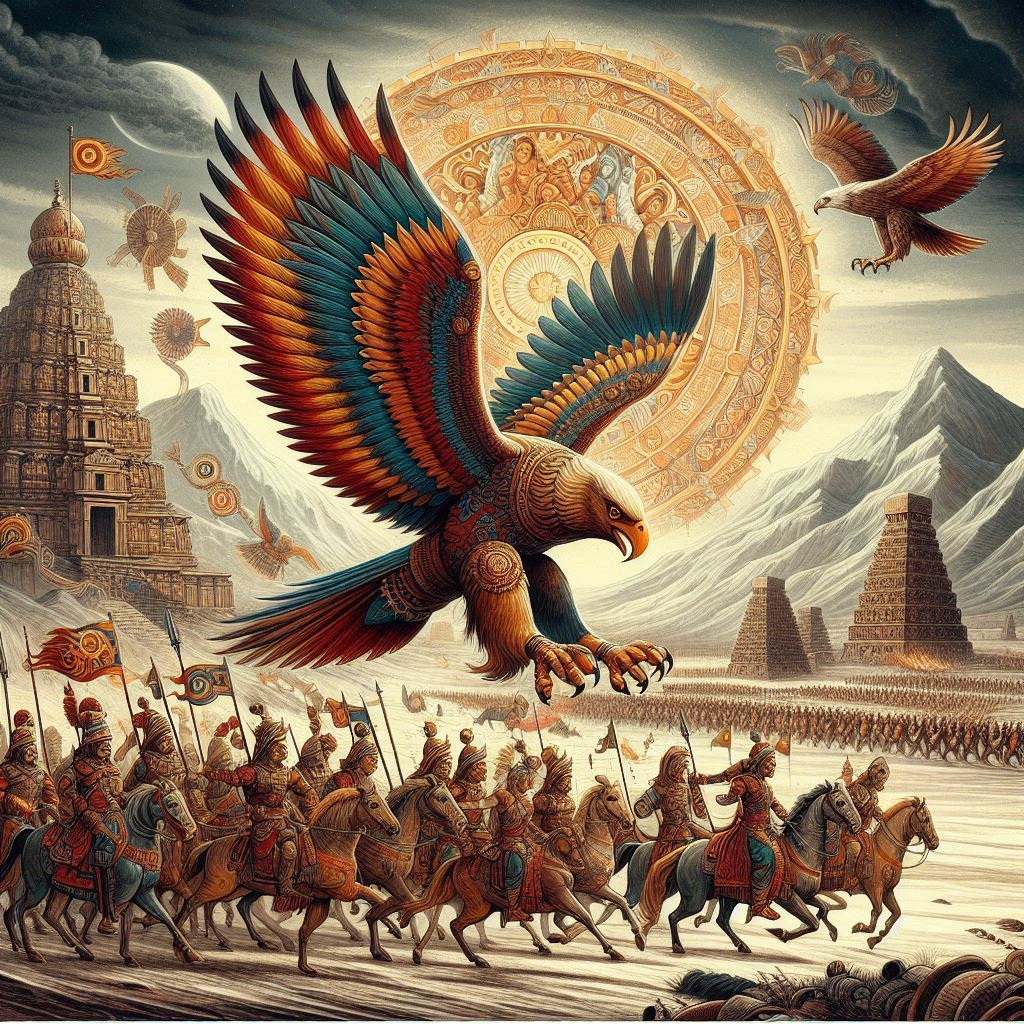
In Mahabharata, you will only hear the name of the Chakras. But the War of the Mahabharata has a variety of war creations. The side or opposition to fighting the war may be according to your question. The creation of the man means how the troops should be erected in front. It is visible in the sky when it is composed. Like the Eagle’s person, So from the sky, the eagle will appear as a soldier to look at the bird. A waning cycle when seeing chakras from the sky The military creations are visible. Comey knows about certain special creations.


1.  Garuda Singh –

Gauruda You have a picture of a bird. This is the vehicle of the giant bird Lord Vishnu. Soldiers in the war queued up in front of the opposition force this way that is erected by the sky so that the shape of a thundered bird is visible. It is called the Garuda man

In the Mahabharata, it was composed of Bhisham’s grandfather.

2.  The bullying:-

The bullying is a species of the Saras. The issue was the size of a bird. This is the same as the one in the Mahabharata. The creation of the person was by the name.

3.  Tommuch:-

Makar is a charred creature named Capricorn in ancient times. The head of Makar then had horns like crocodiles but goats like goats on the head; The snake was like a body, a fish or peafowl, such as a tail and a panther. Vedic literature is often referred to in the Vedingilla and Capricorn. But possibly The creation of the same means it will not be from Capricorn. Mahabharata was the creation of this issue.

4.  The turtle: The tortoise:-

There is a force in the army. The meaning of Chandra is the same as you understand. Military Creations When it was semi-lunar, it was called a form of circular, pod. Arjun was composed in response to the Garuda
Mandalasa, the meaning of the stratosphere, is a spherical or circular form. The issue was formed in circular form. The aura was made by Bhishya Nathimah in India. The Pandas in response to the Arran It was a distinction of creation of the issue.

5.  Chakras:-

The military making of the chakras is visible as a moving cycle when they see the chakras. It’s a way to look at the wheel in it, But the way out of the exit is not to be noticed. You will see a spiral, just the same way it is.

Creation of this issue in Mahabharata in the cycle:-

After the ruthless killing of Abhimanyu in the Mahabharata war, Arjun was sworn in yesterday. It will be killed before sunset. Then Guru-kānacharya created this issue to save Jayarh. But Lord Krishna He was cleverly removed and struck by the other of him and was killed

Vajra is a kind of weapon It was of two types –

Kulish and Ashani. The three parts above it are made diagonally. The middle part is thin. But it is very weighty. Its shape is like the thunderbolt of Indra Dev. In the Mahabharata, this array was created by Arjuna.

Aurami Array: –

In response to the Vraja Array of Pandavas, Bhishma composed the Aurmi Aryuha. In this array, the whole army was decorated like the sea. Just as waves appear in the sea, the Kaurava army attacked the Pandavas in the same shape. Shringataka Array: Arjuna created the Shringataka Arraya in response to the Aurami array of the Kauravas. This array looked like a building. It is probably called an array with three summits. … Apart from this, mention of the Sarvatobhadra and Suparna Array is also found

You become what you think all day long.

Do lazy days make you feel rested or unproductive?

Why the tradition of getting up in Brahma Muhurat?

ब्रह्ममुहूर्ते या निद्रा सा पुण्यक्षयकारिणी”।

The last prahar of the night is called Brahma Muhurat. Our sages have given special significance to this Muhurat. According to him, this is the best time to quit sleeping. This is not to say that sleeping is wrong, but sleeping more time than necessary is harmful. By getting up in the Brahma Muhurat, one attains beauty, strength, knowledge, intelligence, and health. One should wake up about one and a half hours before sunrise in the Brahma Muhurat. This Brahman means the Supreme Element or the Supreme Soul. Muhurat means favorable time. The last pra har of the night i.e. 4 to 5.30 am is called Brahma Muhurat

The sleep of Brahma Muhurta is the destroyer of virtue.
In Sikhism, there is a very beautiful name for this time – “Amrit Vela”, through which the importance of this time itself is proved. This importance of devotion to God proves itself. This is the best time for devotion to God. By getting up at this time, man gets beauty, intelligence, health, etc. His mind remains calm, and his body is completely healthy. Getting up in Brahma Muhurat is very beneficial for our lives. This makes our body healthy and keeps us energetic throughout the day. This is a formula for staying healthy and successful that costs nothing. Only laziness needs to be abandoned


According to Valmiki’s Ramayana, Lord Hanuman reached the Ashok Vatika in Brahmamuhurta while searching for Mother Sita.

Where he heard the sound of chanting mantras of the knowers of Vedas and Yajna.
It is also mentioned in the scriptures –

वर्णं कीर्तिं मतिं लक्ष्मीं स्वास्थ्यमायुश्च विदन्ति।

ब्राह्मे मुहूर्ते संजाग्रच्छि वा पंकज यथा॥

By getting up in Brahma Muhurat, a person gets beauty, Lakshmi, intelligence, health, age, etc. By doing this, the body becomes beautiful like a lotus

That’s why you get success and prosperity.

According to Ayurveda, getting up and walking in Brahma Muhurta transmits Sanjeevani power in the body. This is the reason that the air flowing at this time is called nectar. Apart from this, this time is also said to be the best for study because when we wake up in the morning after resting at night, there is energy and freshness in the body and brain. The doors of major temples are also opened in Brahma Muhurta and there is a law to adorn and worship God in Brahma Muhurat.
Knowing the religious, mythological, and practical aspects and benefits of Brahmamuhurta, start waking up every day at this auspicious time, then you will get better results

A person who rises in Brahma Muhurat is successful, happy, and prosperous; why? Because getting up early gives you enough time to make tasks and plans throughout the day. So not only does life succeed. Everyone who is physically and mentally healthy can be happy and prosperous. The reason is his progress in the work he does. The student is successful in the examination. The boss is happy with the job-doer. Businessmen can earn well. The income of the sick person is affected, on the contrary, the expenses start increasing. Success kisses the feet of the one who makes good use of time and stays healthy. Therefore, if you want to remain healthy and successful, then get up in the Brahma Muhurat
There is a deep connection between Brahma Muhurat and nature. At this time, animals and birds wake up. His melodious voice begins. The lotus flower also blooms. In a way, nature also becomes vibrated in the Brahma Muhurat. It is a symbol of getting up, waking up. Nature gives us the message to get up in the Brahma Muhurat


प्रातारत्नं प्रातरिष्वा दधाति तं चिकित्वा प्रतिगृह्यनिधत्तो।

तेन प्रजां वर्धयमान आयू रायस्पोषेण सचेत सुवर:॥
– ऋग्वेद-1/125/1

The health of the person who wakes up before sunrise in the morning is good. That is why wise people do not waste this time. A person who wakes up early in the morning is healthy, happy, strong and long-lived

A cosmic day- routine


1.  3:00 am to 5:00 am –

At this time the life force is mainly in the lungs. Drink some lukewarm water and walk in the open air and do pranayama. At this time, long breathing develops lung function. They get oxygen and negative ions in abundance and the body becomes healthy and energetic. People who wake up in the Brahma Muhurat are intelligent and enthusiastic, and the life of those who sleep becomes dull.

2.  5:00 am to 7:00 am –

At this time the life force is mainly in the intestine. Defecation and bathing should be taken between waking up in the morning and 7 in the morning. Those who bowel after 7 in the morning dry up the stool by absorbing the fluid from the stool. It causes constipation and many other diseases

3.  7:00 p.m. to 9:00 p.m –

At this time the life force is mainly in the brain. The brain is especially active at this time. Therefore, apart from the morning, the lesson read in this period is quickly remembered. This has also been confirmed by modern exploration.


4.  9 pm to 11 p.m.:

At this time, the life force is mainly present in the spinal cord. At this time, resting on the back or the left side helps to absorb the strength received by the spinal cord. Sleep at this time provides the most relaxation. The awakening of this time tires the body and intellect. If food is eaten at this time, it remains in the stomach till morning, it is not digested and its decay produces harmful fluids which cause diseases by going into the intestines with acid. Therefore, it is dangerous to eat at this time


5.  11 p.m. to 1 p.m.:

At this time the life force is mainly present in the gall bladder. Awakening at this time causes bile disorders, insomnia, eye diseases, and early aging. At this time new cells are formed

6.  1 to 3 pm:

At this time, the life force is mainly in the liver. Microdigestion of food is the function of the liver. Awakening at this time spoils the liver and digestive system. If you keep awake at this time, then the body starts getting sleepy, the vision is dim and the body’s reactions are slow. Therefore, road accidents are more common at this time

Red Caution:

Sages and Ayurvedacharyas have said that eating without hunger is forbidden. Therefore, the quantity of food in the morning and evening should be such that one feels hungry openly during the above-mentioned meal time. Spread something on the ground and eat food sitting in Sukhasana. In this asana, the gastric fire remains illuminated due to the activation of the Muladhara chakra. Digestion is weak while sitting on a chair and eating food while standing does not happen at all. Therefore ‘buffet dinnerʹ should be avoided

To take advantage of the earth’s magnetic field, sleep only with the head in the east or south direction. Otherwise, there are problems like insomnia. To run the body’s biological clock properly, sleep with the light off at night. The research done in this context is shocking. Working or studying late at night and sleeping with the light on can cause severe health hazards by deactivating the biological clock. By sleeping in the dark, this biological clock runs properly. The cause of most of the diseases found nowadays is the chaotic routine and adverse diet. If we maintain our daily routine according to the biological clock of the body, then we will get the benefit of the activity of different organs of the body. In this way, a little awareness lays a new foundation for a healthy life

Navgrah: Aspects of planetary constellation science:

What makes a good neighbor?

Transforming lives

aspects of planetary constellation science: Navagrahas

The science of planetary constellations, which we know as astrology, is an ancient science that studies the planets, constellations, and other celestial bodies located in the universe and analyzes their effect on our lives. Its history is thousands of years old and this science has been practiced in different cultures such as India, Greece, China, and the Mayan civilization.


1. Planets :

Planets are celestial bodies that revolve around the sun. There are nine main planets in Indian astrology, which are called ‘Navagrahas’:

Sun

– Moon

– Mars

– Mercury

– Jupiter

– Venus

– Saturn

– Rahu

– Ketu

2. Nakshatra:

Constellations are groups of stars located in the sky that form specific shapes. There are a total of 27 nakshatras in Indian astrology, which are divided by the monthly path of the moon. Each nakshatra has a ruling planet and it has a special effect on a person’s horoscope.

The zodiac is divided into 12 zodiac signs, and each sign is a segment of 30 degrees. These amounts are:

– Aries

– Taurus

– Gemini

– Cancer

– Leo

– Virgo

– Libra

– Scorpio

– Sagittarius

– Capricorn

– Aquarius

– Pisces

4. Birth Chart:

The birth chart is the chart of the positions of planets and constellations based on the birth time and place of a person. This chart is used to forecast various aspects of a person’s life such as health, career, marriage, offspring, etc. The birth chart is divided into 12 houses, and each house represents a particular area of life.

5. Planetary Movements:

The transit of planets means the movement of planets and their entry into different zodiac signs. The transit has a major impact on a person’s horoscope and brings changes in a person’s life from time to time.


6. Dasha :

Dasha and Antardasha show the period of planetary influence. The major Dasha system in Indian astrology is ‘Vinshottari Dasha’, in which the dasha of each planet lasts for a certain period.

7. Scientific Attitude:

Though astrology has an important cultural and religious aspect, it is not considered according to the norms of science. The principles of astrology have no scientific basis and cannot be proved in science. Nevertheless, its relevance and popularity remain based on cultural and personal beliefs.


8. Types of Astrology:

– Vedic Astrology:
Astrology is prevalent in Indian tradition.

– Western Astrology:
Astrology is prevalent in Western countries.

– Chinese Astrology:
The Astrology System Prevalent in China.

– Mayan Astrology:
The astrological system developed by the Mayan civilization.

9. Remedy:

In astrology, various remedies have been prescribed to reduce the malefic effects of planets, such as wearing gemstones, chanting mantras, donating, fasting, worshiping, etc. These remedies are aimed at reducing the negative energy of the planets and promoting positive energy. That which is in the universe is also in the body. From this point of view, the planetary constellations of the universe also affect the body.
The pulse related to the right voice is said to be influenced by the lunar element, such is also the experience of the yogis that for the auspicious effect of the planetary constellations, other methods like Havan, Mantra, Upasana and Navratna Ashta Dhatu Dharan, etc. have been described in our religious texts.

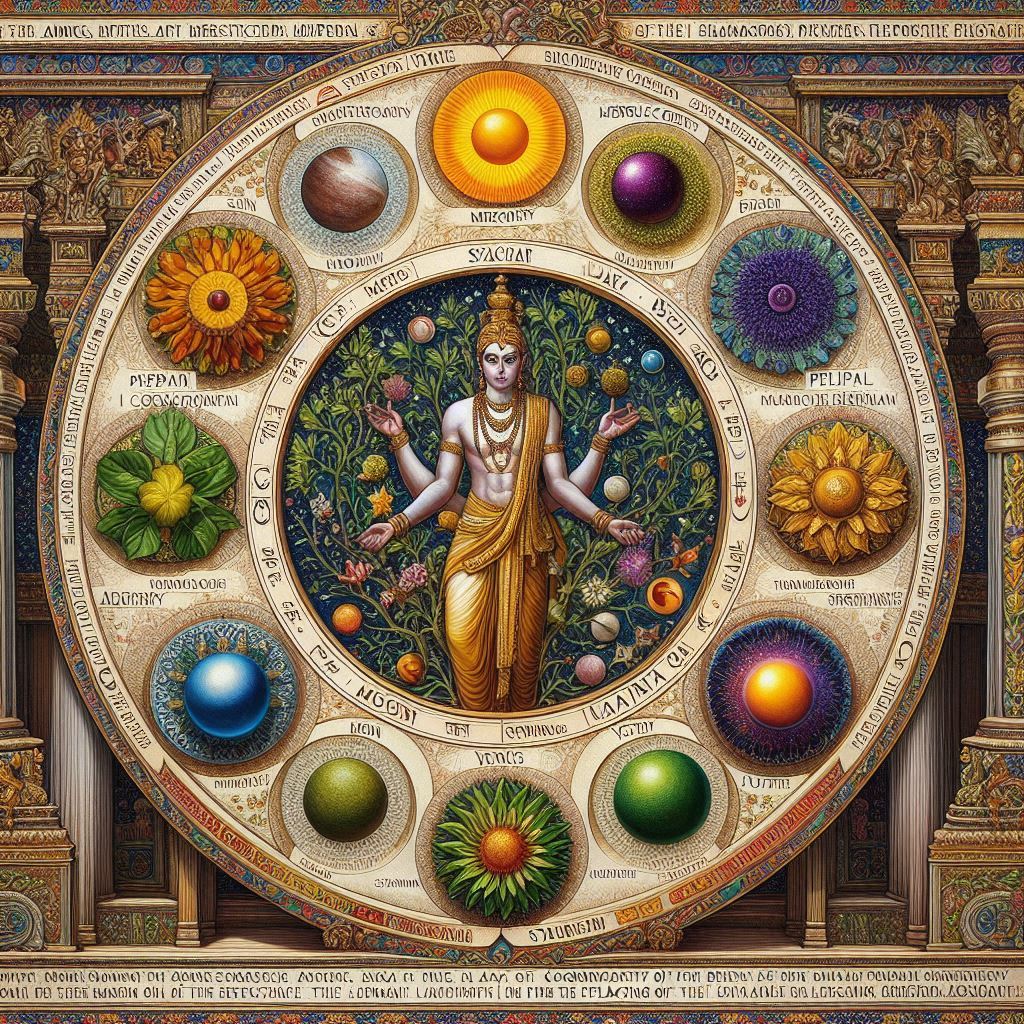
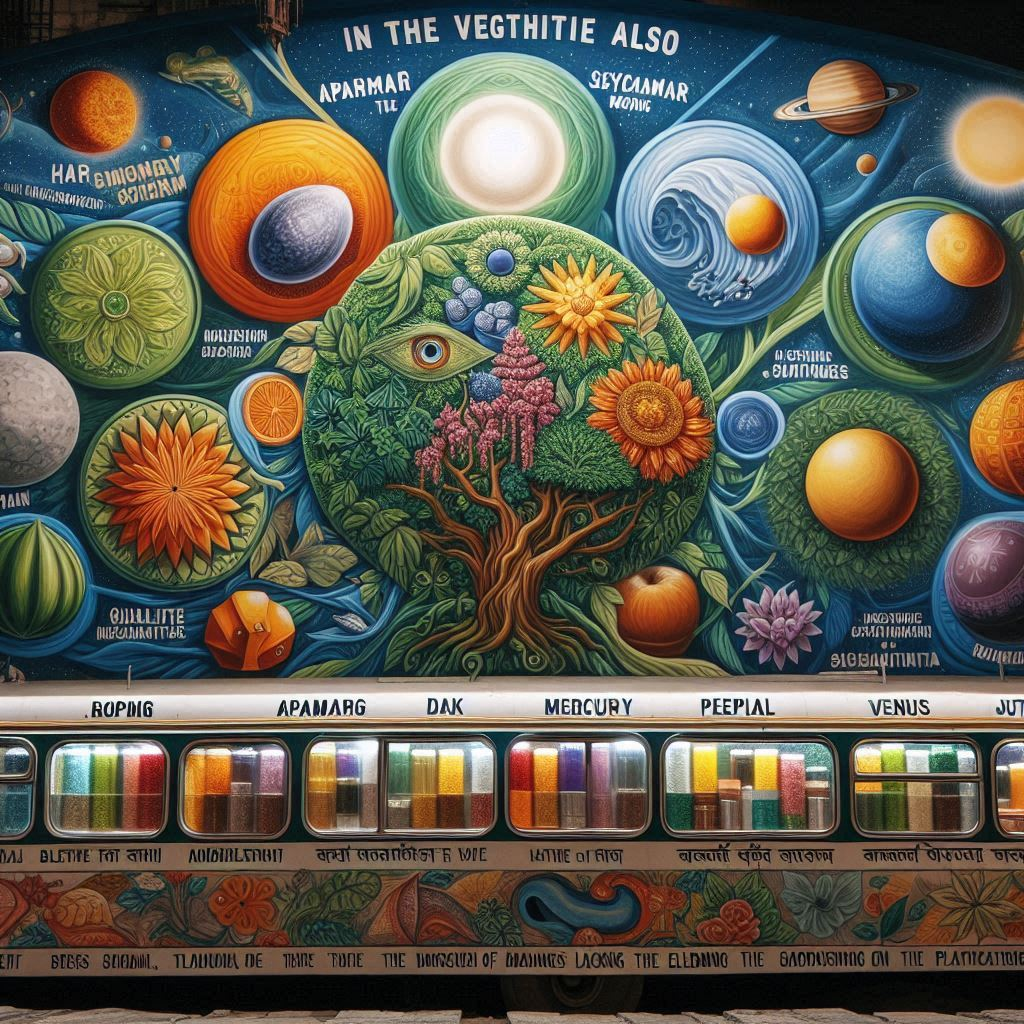
They have also been described in the Vedas, the relation of the planet located in the universe to the body is as follows. In the body, the representative soul of the Sun, the mind of the moon, the blood of Mars, the speech of Mercury, the knowledge of Jupiter, the semen of Venus, and the happiness of Saturn are related to sorrow.  The effect of the planets in the universe reads on the body. If it is favorable to the month, it is good and if it is unfavorable, it has adverse effects on health and the body.  Therefore, by making scientific discoveries in Sanatan Dharma, the sages have given such methods according to which we can avoid their evil effects and get good effects.  Among the gemstones, the sun element in red ruby, the moon element in the pearl with white, yellow, and black light, the element of Mars in the coral, the element of Mercury in the green emerald, the element Jupiter in the topaz with a golden hue, the element of Venus in the white diamond and the element Saturn in the blue sapphire. Therefore, by wearing a gemstone compatible with the constellation related to that planet, it is described that by removing restlessness, illness, and disease related to it, strength and health can be obtained.


Similarly, in metals, gold, silver, copper, brass, bronze, mercury, and the elements of the Sun, Moon, Mars, Mercury, Jupiter, Venus, and Saturn reside. Which have auspicious effects.  Due to the presence of the sun element in gold, it provides strong energy and longevity. (Atharvaveda 16/261) That is why, along with other names of Surya, it also has a name Hiranya.

There is a Moon in silver, and hence, its name is also Chandranti.

Copper has the element, Mars,

Mercury is a fact of Shuk, hence his name is also Rasendra.

Similarly Mercury in brass, bronze, and iron,

Jupiter and Saturn remain the elements

In this way, in vegetation also, Apamarg, Yak, Dak, Khair Sycamore, Peepal, and Kush have the qualities and influence of the Sun, Moon, Mars, Mercury, Jupiter, Venus, and Saturn. The same medicine is used for the fulfillment and compatibility of the element lacking in the body. By praying through the mantras of planet worship, we establish a relationship with them. In this way, based on gems, metals, medicines, and mantras, we can get the compatibility of the planets of the universe in the body, so the sages have considered it minutely and made it a part of religion for our welfare. The purpose of astrology is not only to predict but also to guide the individual towards self-knowledge and self-improvement. It is an ancient tradition that has helped determine the direction of people’s lives for centuries

THE COLOURS OF NAVGRAHA.


Colours of all Navgraha is mentioned in Bhavishya Puran Brahm Parva Chapter no 206.41–42 (श्वेतवर्ण स्मरेत्सोमं रक्तवर्ण कुजं स्मरेत् । सौम्यमष्टापदामं च गुरुं च पीतिवर्णकम् ॥४१ श‌ङ्खक्षीरनिनं श्वेतं काणं याञ्जनसन्निभम् । रजावर्तनिभं राहूं धूत्रं च विकचं स्मरेत्।:४२)


1) Chandrama (Moon) – White colored

2) Mangal (Mars) – Blood colored.

3) Budhá (Mercury) – Blood and dark colored.

4) Brahaspati (Jupiter) – Yellow coloured. 

5) Shukra (Venus) – Shankh or conch and Milk white colored.

6) Shani (Saturn) – Anjan like dark coloured.

7 & 8) Rahu and Ketu – Lajawart or Lapis lazuli blue colored.

9) Sun – The color of Suryadev is like the Japa (hibiscus) flower (Bhavishya Puran Brahm Parva 206.33 [जपावर्ण महातेजं ]).

Colors play a very important role in Sanatan Dharma. Many people wear clothes as per the color of Graha.

Need overall !

What could you try for the first time?

Lentent hit :

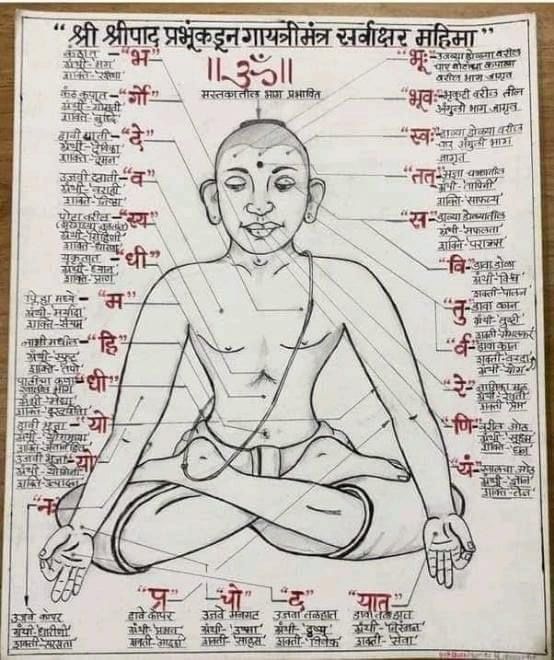
Due to stressful life in modern society, human beings are vulnerable to deadly diseases like high blood pressure, heart disease and cancer. Many diseases are destroyed by lifestyle improvement. Along with this, there is another easy solution, which does not have any side effects. You just need to do it regularly. This easy solution is the Gayatri Mantra, which has been tried for centuries. And nowadays it has also been put to the test of science.

1. If this mantra is read in any position i.e. while sitting, lying down or standing, then one gets equal benefit to

2. The mantra begins with the word Om- Pull the word Om as long as you can, without taking a breath. Draw the words “o” and “m” separately long.

3. After this, read or speak the remaining mantra as fast as you can with the correct pronunciation. Repeat the OM process every time. Keep repeating Om and Mantra continuously for five minutes.

4. Do this process every two hours for a month. In this way, do the awakening of a normal person 8 times in 16 hours. A total of 40 minutes are to be given in 24 hours.

5. After one month, the beneficial effect of this process will be seen. Now continue this process by doing it four times in 24 hours.

6. It is necessary to chant this mantra for five minutes at the time of getting up in the morning and at bedtime. After this, keep reciting this mantra regularly by fixing a fixed time only twice.

आत्मानं विद्धि”

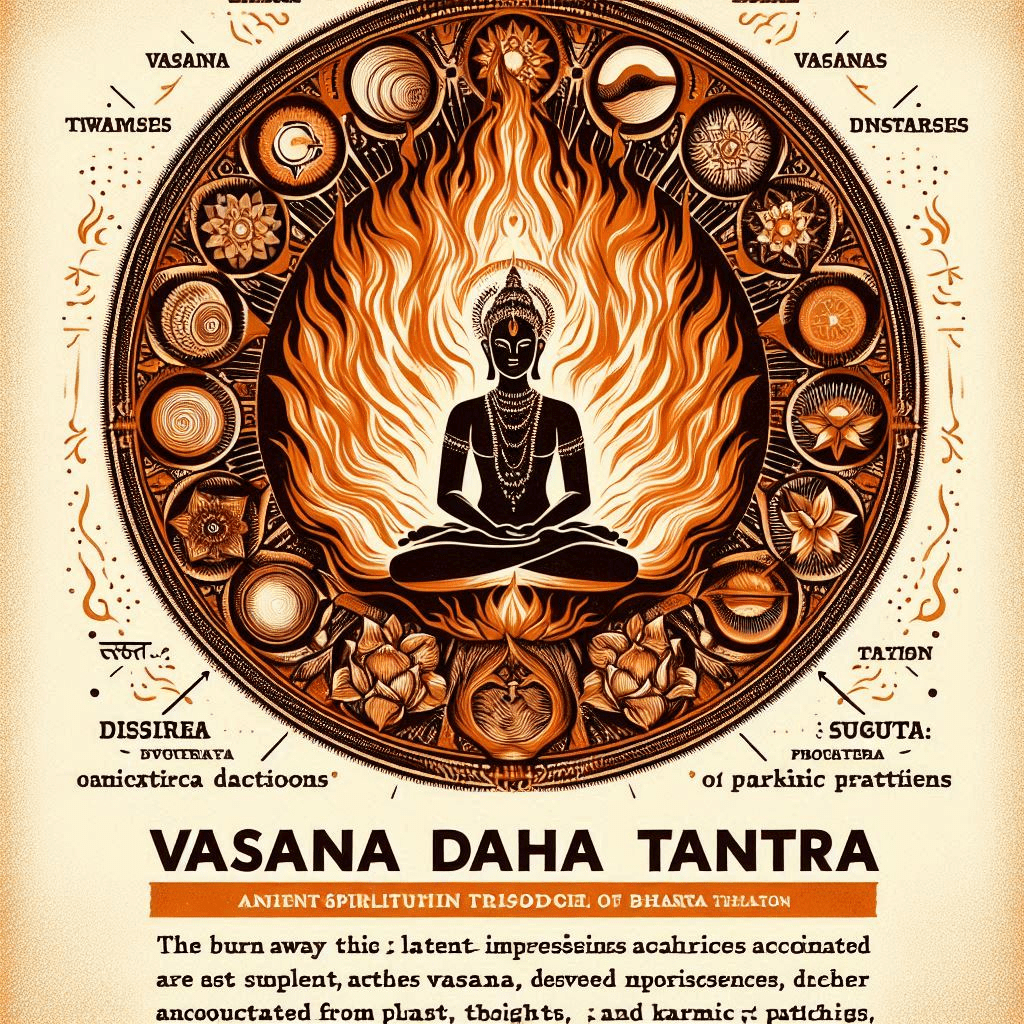
Vasana Daha Tantra is a powerful spiritual practice rooted in the ancient wisdom of Bharat that aims to burn away the latent impressions (vasanas) accumulated from past experiences, desires, and karmic patterns. The term “Vasana” refers to the deep-seated tendencies and subconscious impressions that influence our thoughts, emotions, and actions. “Daha” means burning or purification, and “Tantra” signifies a structured method or practice. In essence, Vasana Daha Tantra is the process of purging or transforming these deep-rooted impressions, leading to liberation from mental and emotional conditioning, ultimately bringing one closer to spiritual enlightenment.

Process of Vasana Daha Tantra:


1. योगस्थ: कुरु कर्माणि =  Self- realisation:

The first step involves deep introspection and awareness of one’s thoughts, desires, and behaviors. Through meditation and mindfulness, you identify the underlying patterns and attachments that are obstructing spiritual growth. As the Bhagavad Gita states, “योगस्थ: कुरु कर्माणि” — remain established in yoga while performing actions, staying aware of the forces at play.

2. आत्मानं विद्धि = Acknowledge and Accept:

Once the asanas are identified, the next step is to fully acknowledge their presence without judgment. Accept that these impressions are part of the karmic cycle, and they need to be transformed, not resisted. The acceptance phase draws from the Upanishadic wisdom, “आत्मानं विद्धि” (Know thyself), recognizing the self in all its layers.

3. Purification through Reflection :

This step involves deep contemplation on the harmful or binding nature of these vasanas. By reflecting on their impermanence and the suffering they cause, the seeker gradually detaches from their influence. In this phase, spiritual texts like the “Shvetashvatara Upanishad” guide the seeker to view desires as fleeting and not inherent to the true self.

4.सर्वे कर्माखिलं पार्थ ज्ञाने परिसमाप्यते”=  Soul of Visualization:

A key technique of Vasana Daha Tantra is meditative visualization, where one mentally visualizes the vasanas burning in the fire of wisdom. The fire represents spiritual knowledge, often referred to as “Jnana Agni” (fire of knowledge). As stated in the Mundaka Upanishad, all actions are dissolved in the fire of wisdom.

5. तंत्र: Ritualistic Dissolution :

Engage in a ritual where you symbolically burn these impressions. This can involve the chanting of mantras, such as the powerful “Om Agnaye Namah” (Salutations to the fire element), while mentally offering the vasanas into an inner fire. This act strengthens the internal process of release and purification.

6. Affirmation of Liberation :  

 After the process of dissolution, affirm your liberation from the past tendencies. Repeat mantras like “सोऽहं” (I am That), affirming the unity of self with the divine consciousness. It reinforces the realization that you are beyond desires and karmic impressions.

7. तत्त्वमसि :  Feel the infinite :

The final stage is integrating this newfound freedom into daily life. You move forward with a clearer mind and a lighter heart, no longer governed by old vasanas. The Chandogya Upanishad says, real, I  remind you that the true self is infinite, pure, and free from conditioning.

Vasana Daha Tantra is a transformative spiritual practice that combines deep introspection, meditation, mantra, and ritual to dissolve the karmic impressions that bind us to the cycle of birth, death, and rebirth. By purifying these asanas, one can attain clarity, freedom, and a deeper connection to the divine. This method empowers the seeker to transcend habitual patterns and step into a higher state of consciousness, aligning with the true self eternal, blissful, and free.

Life is a divine workplace.

What principles define how you live?

Whya burnout??

Life is like a vast ocean, in which we are all travelers and God is our guide. During this amazing journey, there are sometimes strong thunderstorms and storms that challenge us. Sometimes, we have to face difficulties and troubles in life, while sometimes, some stages of life come close to us and go away. But in this journey, there will be wood and simplicity; if we consider our life only as a house of sorrows, then it is not right. We can fulfill some supply of this life with money, but the ignorance within us makes us fool, getting rid of it is the true attainment. The enjoyment of accumulated karma remains in life. When we are caught in the vortex of ignorance and emotion, and there is only despair and emptiness in every direction, at that time, it is very important to calm our minds. This is the time for us to close our eyes, calm our minds, and meditate. When we close our eyes and breathe within, we try to calm the mind; after this, when we open our eyes more slowly, we feel that an invisible finger is holding our hopes. It is this finger of the name of the Lord that gradually leads us through our sorrows and difficulties in life. This name bestows us with spiritual strength and patience, which helps us to face difficulties and cross the journey of life successfully

Wherever we go in life, our memories, our deeds, and our experiences are connected. Every person travels this journey in his way. Some people give up in fear of small difficulties, while some people face the biggest problems with patience and courage. The experience of happiness and sorrow is also transient; No one person remains the same for very long under the influence of an event. The duration of each event is limited; It becomes old when a new event occurs. It is not possible to stop the continuity of life; This is the speed of life, and at this speed, every coming event is sure to come

We all should do something in our life journey that will serve as a guide for the coming generations. With this thinking, we can emerge from the darkness of selfishness, greed, evil, anger, arrogance, and ignorance. We should keep in mind that our actions and our thinking have an impact not only on our lives but also on future generations. When we practice goodness in our lives, we not only make our lives meaningful but also present a role model for others. Thus, this journey of life teaches us that we have the Lord’s name, His grace, and the power of our deeds. It reminds us that we should make our life an ideal, an inspiration source, not only to make our life successful but to guide others as well. With this spirit, we can achieve not only personal success in our lives but leave a positive legacy for society and generations to come.

The 11 RUDRA

If you could host a dinner and anyone you invite was sure to come, who would you invite?

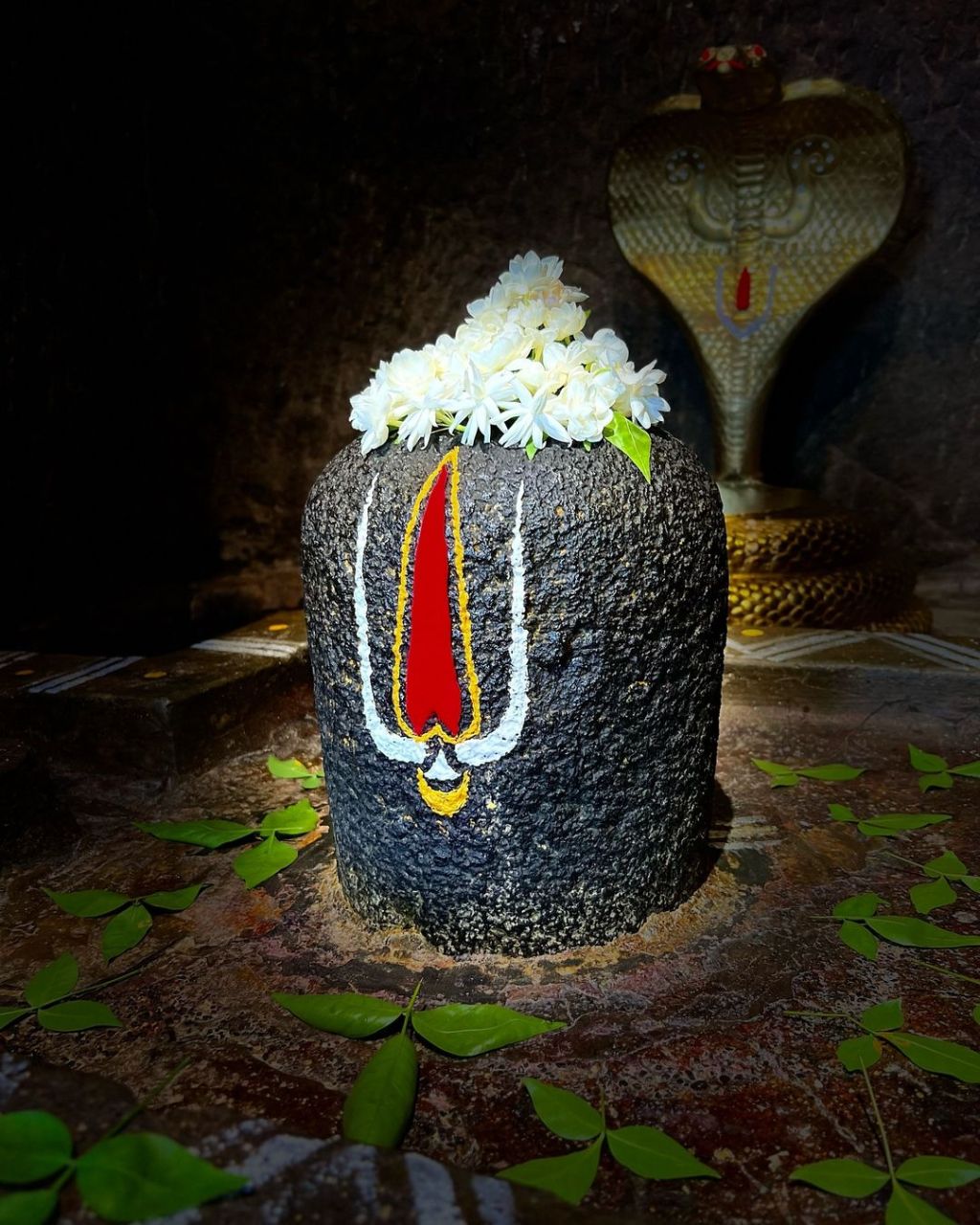
Worship of SHIVA

Many mantras in the Veda directly mention Shiva, like the following from the Rig Veda-

कैलासशिखरे रम्ये शंकरस्य शुभे गृहे ।
देवतास्तत्र मोदन्ि तन्मे मनः शिवसंकल्पमस्तु ।।

“On the charming peak of Kailasha mountain is the home of the Peace-creator Shivawhere all Gods ultimately rejoice. May my heart always rejoice with shiva thoughts.”

In the Rigveda, Bhagawan Shiva is referred to as Rudra, who is described as a powerful and benevolent deity. The Rigveda describes Rudra as the god of hunting and the protector of cattle. It also mentions his association with the bow, the arrow, and the storm, which symbolize his power and his ability to destroy evil.
The Yajurveda, another Veda in Hindu scripture, mentions Bhagawan Shiva as a god who is capable of destroying evil and ignorance. It also describes him as a god of fertility and as the one who bestows long life and prosperity. In the Atharvaveda, Shiva is described as the god of medicine and healing, who can cure physical and mental diseases. This Veda also mentions the importance of the worship of Shiva and the various rituals associated with his worship.


अजं शाश्वतं कारणं कारणानां
शिवं केवलं भासकं भासकानाम्
तुरीयं तमःपारमाद्यन्तहीनं
प्रपद्ये परं पावनं द्वैतहीनम्

The one who is beyond birth, the permanent one, the one who is the cause of the causes, the one who illuminates the whole Universe, the one beyond the three states, without beginning and end, the Destroyer of ignorance and struggle, the one beyond all duality, I offer my obeisance to him, the purest. Bhagawan Shiva has more than 1500 names and each name denotes a form so we can say he has thousands of forms

Significance of Rudra Avatar-

1) Kapali
2) Pingal
3) Bheem
4) Virupaksha
5) Vilohit
6) Shastra
7) Ajapaad
8) Ahirbudhnya
9) Shambhu
10) Chand
11) Bhav.

You know SHIVA


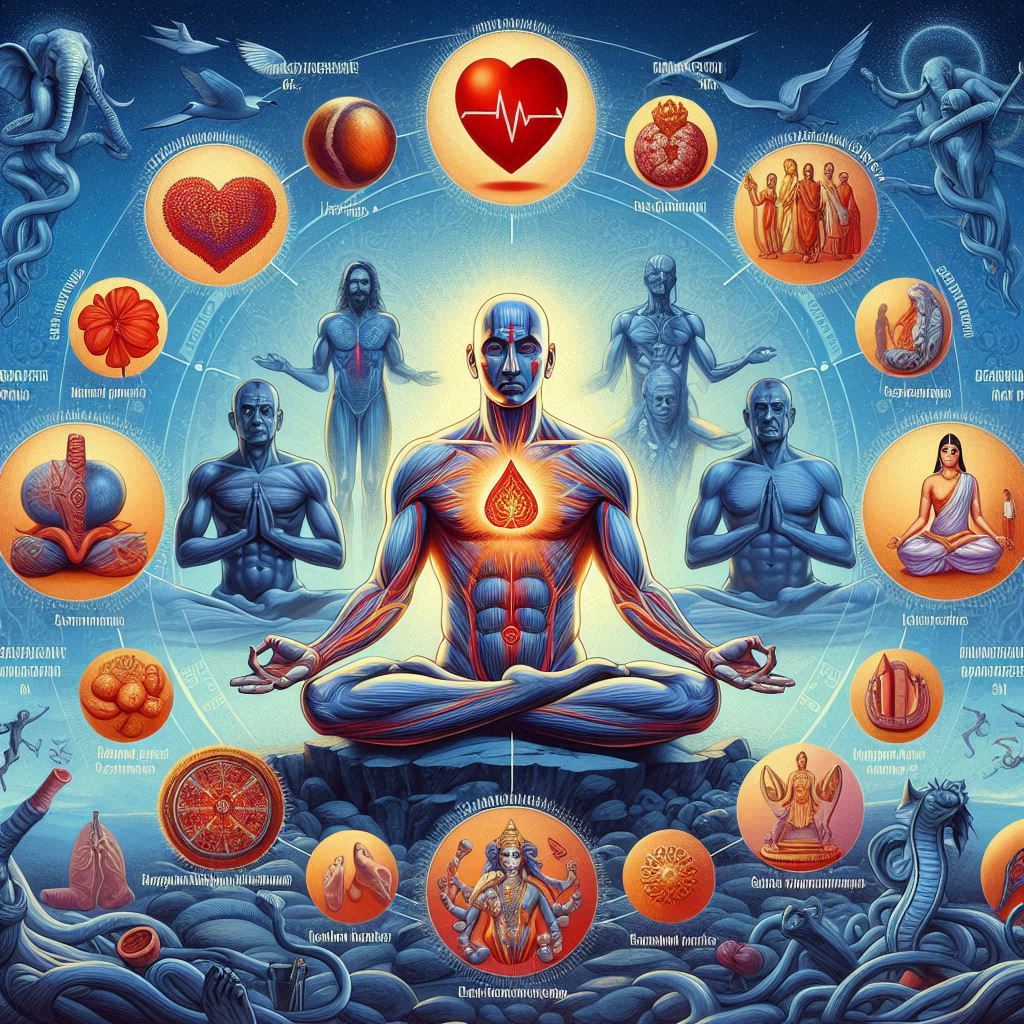
God resides within our body, in the cavity of the heart. This God is eternal. The Supreme Soul, who is one and infinite, is the Master of this physical body of ours, and this entire earth resides within His body. This God who circulates within the earth cannot be recognized by the earth itself. This shows that the elements of the physical world (such as the earth) are unable to understand the true nature of the soul.
Water, fire, air, space, mind, intellect, ego, mind, letters, and death, God is located in all of them and is the origin of all these

अन्तःशरीर निहितो गुहायामज एको नित्यमस्य पृथिवी शरीरं यः पृथिवीमन्तरे संचरन् यं पृथिवी न वेद ।
यस्यापः शरीरं योऽपोऽन्तरे संचरन् यमापो न विदुः ।
यस्य तेजः शरीर यस्तेजोऽन्त संचरन्यं तेजो न वेद ।
यस्य वायुः शरीरं यो वायुमन्तरे संचरन् यं वायुनं वेद ।
यस्याकाशः शरीरं च आकाशमन्तरे संचरन् यमाकाशो न वेद ।
यस्य मनः शरीरं यो मनोऽन्तरे संचरन्यं मनो न वेद ।
यस्य बुद्धिः शरीरं यो बु
द्धिमन्तरे संचरन् बुद्धिर्न वेद ।
यस्याहंकारः शरीरं योऽहंकारमन्तरे संचरन् यमहंकारो न वेद।
यस्य चित्तं शरीरं यश्चित्तमन्तरे संचरन् यं ।
चित्तं न वेद ।
यस्याव्यक्तं शरीरं योऽव्यक्तमन्तरे संचरन् यमव्यक्तं न वेद ।
यस्याक्षरं शरीर योऽक्षरमन्तरे संचरन् यमक्षरं न वेद ।
यस्य मृत्युः शरीरं यो मृत्युमन्तरे संचरन्यं मृत्युर्न वेद ।
स एष सर्वभूतान्तरात्माऽपहतपाप्मा दिव्यो देव एको नारायणः।
अहं ममेति यो भावो देहाक्षादावनात्मनि।
अध्यासोऽयं निरस्तव्यो विदुषा ब्रह्मनिष्ठया ॥

This God is the conscience of all living beings and He is free from all sins, divine and only Narayana.  The sense of “ego” (ego and affection) that appears in the body and senses is false. This false intention must be eliminated through the knowledge of Brahman and the stillness of the soul. The wise man who has faith in Brahman. This verse inspires us to understand the true nature of the soul and the divine and encourages us to look beyond the material elements of this world. The omnipresence of God and His unknowability teach us that true divinity and knowledge can only be attained through the soul.
This verse presents the essence of Vedanta philosophy, which describes the unity of the soul and the divine, their omnipresence and ignorance. It teaches us that the elements of the material world are unable to understand the true nature of the soul and that true knowledge can be attained only through the purification of the so

Global well- being

What quality do you value most in a friend?

Oh Nature

For the last several years, we have been seeing the heat increasing continuously, this year there is a lot of change in the heat, last year was also hot but this year it has reached 50 degrees in many places in Asia, and the mercury is also around 47 in India’s capital Delhi. Many people are saying that we cut trees due to which we have to see so much heat, we Indians have the habit of blaming everything. But is the temperature increasing due to the cutting of trees? 

Or is it a cycle, in which the role of human beings is very limited? The earth is 450 million years old, it has been 2 lakh years since man came, and it has been 300 years since man planted so-called factories, which is the main cause of global warming. In just 300 years, have we raised the temperature of the earth so much that we will be absorbed in the sea? If so, how many factories would have had to be set up at the end of the last ice age to melt ice? The last ice age came 25000 to 19000 thousand years ago the reason for its end is this cycle, which makes the earth hot or cold, like every 1 lakh years there is some change in the orbital path of the Earth’s Sun, and every 41000 years the axis of the earth tilts from 22.1 degrees to 24.5 degrees,  Apart from this, there are other cycles also. Which affects the winter heat

So planting our trees or not is not going to make any difference in the global warming of the earth, let me tell you a simple figure if you drive 5000 kilometers on a bike per year, then you will have to plant 23 big trees, which will reduce its carbon emission to zero, 70 trees for one AC and 200 trees if you drive a car. This is not possible for all of us, so do not burden yourself with global warming.  Yes, but you can plant trees, even one tree will give shelter to thousands of creatures, and will give shelter to you.

Purify the environment around you, purify your neighborhood, and reduce the temperature there, it does not affect global warming. Anyway, man has not advanced so technologically that he can have a huge impact on global warming, but, certainly, we will one day, our greed is only drying up the rivers and ponds, tomorrow when we dry up the oceans, then it will happen, now we have been able to dig only a few kilometers below the earth.  When we dig and reach the core of the earth, we will destroy it completely. Until then, stop worrying about global warming and enjoy eating fruits in the shade of the tree. Because the people who give us knowledge on global warming go in private jets and yachts and you cannot imagine how many millions of trees are cut in their greed, while the entire forest cannot compensate for the carbon emissions of their one journey

The limitations believe

Belonging to oneself means anchoring one’s identity and self-worth internally rather than externally. It involves understanding that your value is inherent and not contingent on others’ opinions, societal norms, or external achievements. This form of belonging is an intimate knowledge and acceptance of who you are, with all your strengths and flaws.

The Challenge of External Validation

In today’s interconnected world, where social media and societal expectations can heavily influence our sense of self, the pull towards external validation is strong. People often seek approval, love, and acceptance from others, using these external sources as mirrors to reflect their worth. While human connections are vital, an overreliance on them can lead to a fragile self-esteem that is easily shaken by criticism or rejection.


1. Self-Awareness:

Deeply understanding your thoughts, emotions, and motivations. This awareness helps you recognize patterns and triggers that lead to seeking external validation.

2. Self-Acceptance:

Embracing all aspects of yourself, including those you might perceive as negative. Self-acceptance fosters a stable foundation of self-worth that doesn’t waver with external circumstances.

3. Self-Compassion:

Treating yourself with the same kindness and understanding you would offer a friend. This practice helps mitigate self-criticism and promotes inner peace.

4. Authenticity:

Living in alignment with your true self, values, and beliefs. Authenticity requires courage, especially when it means diverging from societal expectations or risking disapproval from others.

When you belong to yourself, you cultivate a sense of inner peace and resilience. This self-belonging provides a stable foundation from which you can navigate life’s challenges and relationships. It allows you to engage with others from a place of wholeness rather than neediness, leading to healthier and more fulfilling connections.

Practice of positive


Mindfulness and Meditation:

These practices can help you connect with your inner self and develop a deeper understanding and acceptance of your thoughts and feelings.

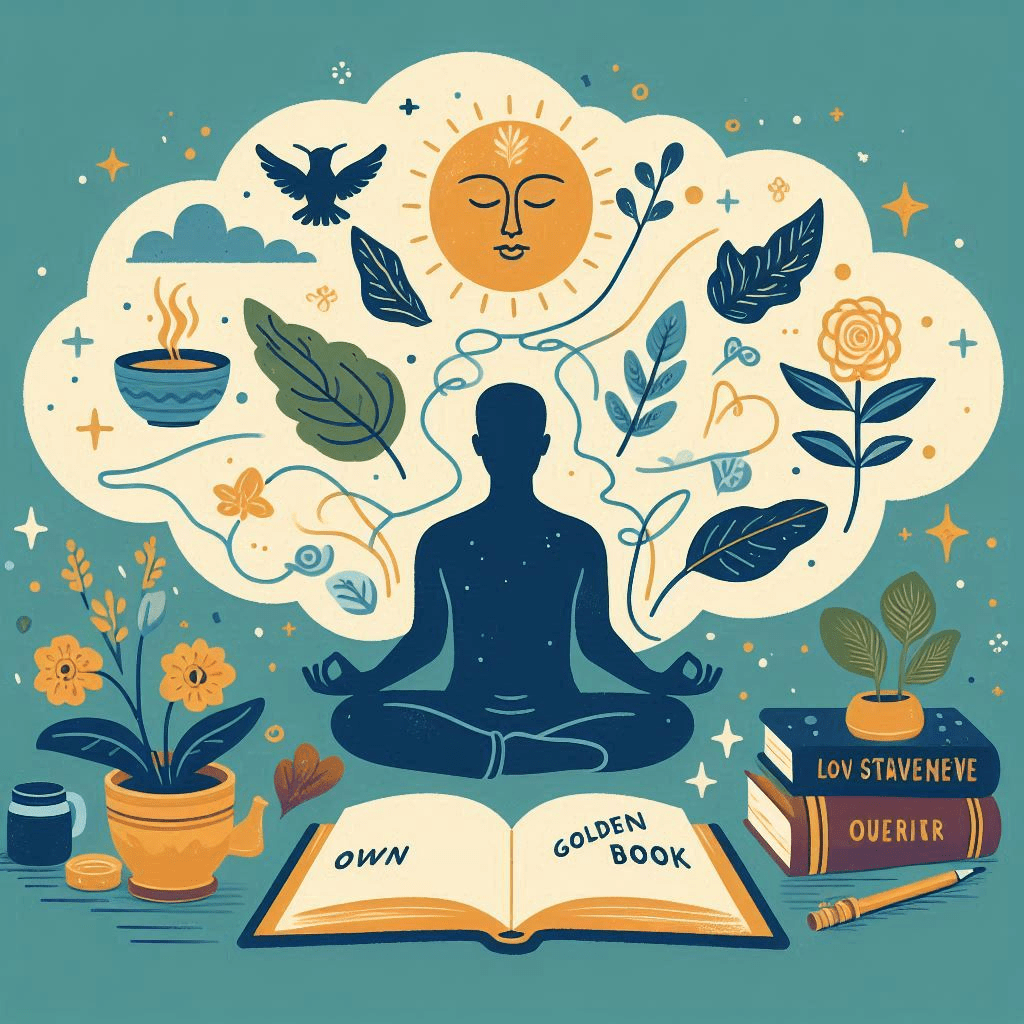
Own golden Book

Writing about your experiences, thoughts, and emotions can provide clarity and insight into your inner world.

Therapy or Coaching:

Professional guidance can support your journey of self-discovery and self-acceptance.

The serious lines:

Learning to say no and setting healthy boundaries protects your sense of self from being overly influenced or drained by others. In a world where finding home in others is often emphasized, the art of belonging to oneself stands as a vital counterbalance. It is an empowering journey that nurtures inner strength and authenticity, allowing you to live a life that is true to your essence. By mastering this art, you create a personal sanctuary of self-acceptance and love, from which all other relationships can flourish healthily and meaningfully.