Spirituality is Beyond Science
Spirituality is Beyond Science Where Research, Ayurveda, Integrative Healing, Cosmic Therapy and Vedic Wisdom Come Together.
Category: antibiotics
-
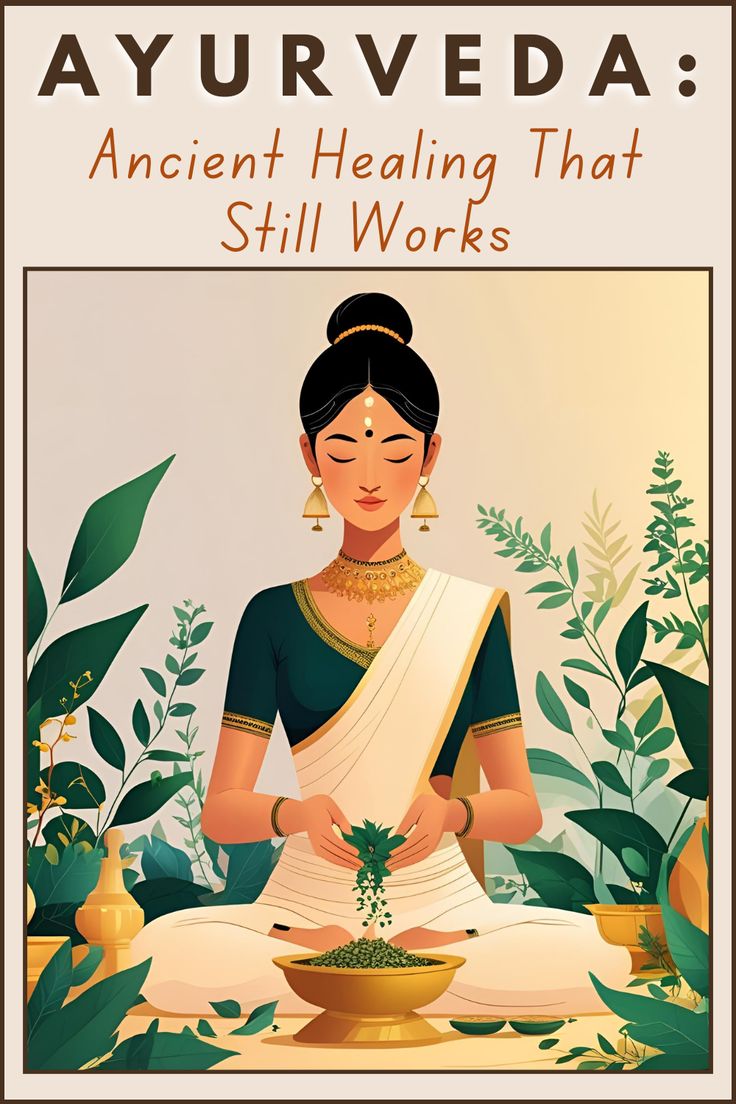
🌿 Food, Ayurveda, and Human Existence — A Deeper Understanding Among the basic necessities of human life food, clothing, and shelter food holds the highest importance. Our body is formed from the five great elements: Earth, Water, Fire, Air, and Space. Since the human body contains a higher proportion of Earth and Water elements, a…
-
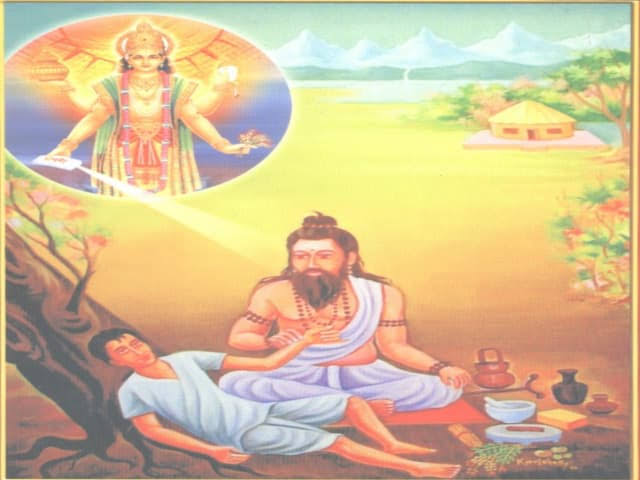
What’s the first impression you want to give people? 🌿 The Science of Today… The Wisdom of Our Rishis: What Ayurveda Knew Thousands of Years Ago At Dakshinamurthy Ayurveda Pvt. Ltd., we believe health is not discovered in labs — it is remembered in silence. Long before modern research, long before machines and microscopes, the…
-
Where did your name come from? Understand your Energy 💪 Nadi Vigyan (Pulse Diagnosis): An Ancient Science of Ayurveda Spirituality is Beyond Science Ayurveda is not just about herbs and medicines—it is a complete science of life, deeply connected with body, mind, and spirit. Among its most mystical and powerful diagnostic methods is Nadi Vigyan…
-
Ayurveda offers : sudarshan lepam Cervical pain — often caused by spinal issues in the neck region — is a growing problem in today’s digital lifestyle. Long hours in front of screens, poor posture, and stress can all lead to stiffness, radiating pain, and muscle spasms. If left untreated, it can affect your sleep, posture,…
-
This true bone health in your hand By Dakshinamurthy Ayurveda Pvt. Ltd.Rediscover the wisdom of Vedic healing for joint and bone wellness. 📌 The Orthopedic Epidemic: A Modern Challenge In today’s world of long hours at desks, poor posture, screen addiction, and fast food, orthopedic issues—joint pain, back stiffness, muscle cramps—are no longer rare. From…
-
What’s your favorite candy? Swarna Bhasma is an important medicine of Ayurveda and chemistry, which has been used in Ayurveda for many centuries, it plays the role of a catalyst that enhances the properties of other medicines you take. At the same time, gold plays an important role in the prevention of diseases like cancer,…
-

Something on your “to-do list” that never gets done. Every disease can be cured by water” Know and believe how? Chhatramrtaṃ viṣaṃ vajraṃ chatvāro vāriṇō gunaḥ. Śuktāntrē ca pratyushē amukta bhojanaiḥ sah. Agrasanharakale cha paytadau parto nishi. Ayurāhārāhākāle tu bhuktvā noparito nishī ॥ Chatrah:a, nectar, poison and thunderbolt are the four properties or effects of…
-
What do you complain about the most? Overdose of paracetamol Paracetamol, a common medicine for children’s fever, is a common medicine present in the house, it has many names such as Crocin, Calpol, etc. Some shocking facts about paracetamol An overdose of paracetamol is poison and is fatal, but many people do not know this.…
 Spirituality is Beyond Science