Ayurveda diet

8 Ayurvedic Diet Rules by Maharishi Charak That 99% People Ignore – Transform Your Health Today!


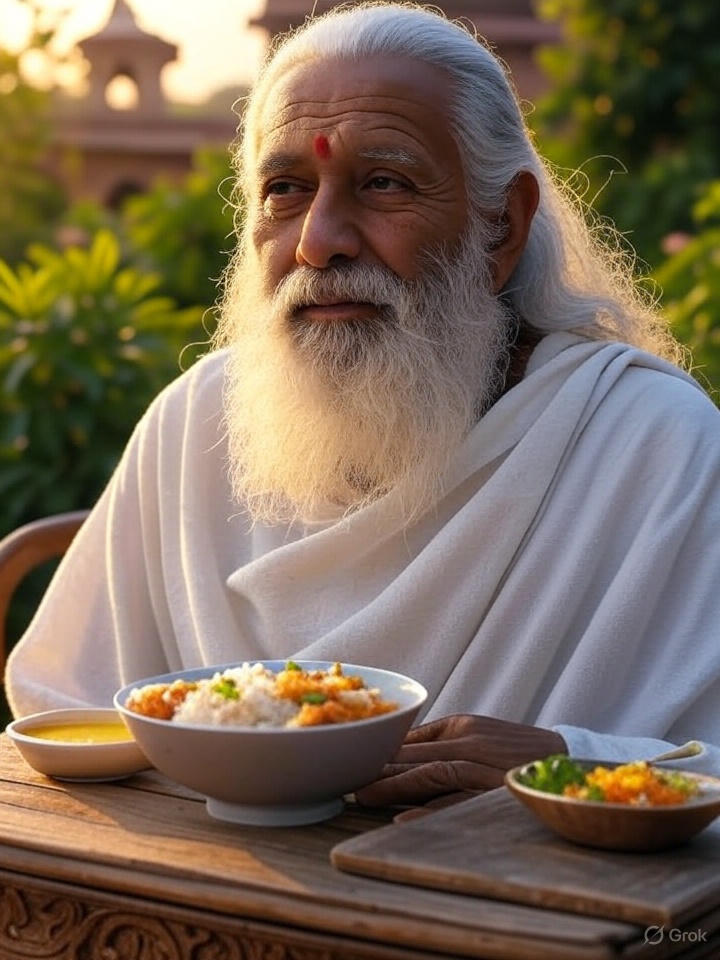
Food is not just sustenance; it’s the foundation of our health. Thousands of years ago, the great sage Maharishi Charak, a pioneer of Ayurveda, laid down timeless dietary principles that can prevent diseases and promote holistic well-being. Yet, shockingly, 99% of people unknowingly break the very first rule of healthy eating! According to Ayurveda and yoga expert Ashish Chaudhary, following these 8 golden rules of eating can transform your health and prevent chronic illnesses. Let’s dive into these ancient secrets and discover how to eat the right way to live a vibrant, disease-free life.


Why Does Food Matter So Much?

Food is both medicine and poison it can either nourish your body or become the root cause of ailments. By adopting Maharishi Charak’s Ayurvedic dietary principles, you can ensure that every bite you take supports your physical, mental, and emotional health. Let’s explore these 8 rules and how they can revolutionize your eating habits.


1. Ushnam: Always Eat Fresh and Warm Food

The first and most critical rule is Ushnam, which means eating food that is freshly cooked and warm. Unfortunately, most of us break this rule by consuming processed, frozen, or reheated meals.
Why it matters: Freshly prepared food retains its prana (life energy) and is easier to digest. Reheating food stored in the fridge can reduce its nutritional value and lead to health issues like bloating, indigestion, and even chronic diseases.

Pro Tip: Cook small, fresh meals daily and avoid relying on packaged or leftover foods. Your body deserves the warmth of freshly made meals!


2. Snigdha: Include Healthy Fats in Your Diet.

The second rule, Snigdha, emphasizes the importance of including healthy fats like ghee or oil in your meals. The human body is composed of seven dhatus (tissues), six of which require lubrication to function optimally.

Why it matters:
Healthy fats aid digestion, nourish tissues, and balance the body’s energies. However, overconsumption without proper digestive fire (Agni) can lead to Kapha imbalance.

How to do it right:
Pair your meal with a small amount of ghee or sesame oil. Sip lukewarm water during meals to aid digestion, as Ayurveda recommends taking three sips of warm water for optimal food breakdown.


3. Matra: Eat in the Right Quantity

The third rule, Matra, is about eating in moderation. Overeating or undereating can disrupt your body’s balance, leading to discomfort and poor digestion.
How to find the right portion: Your stomach should feel satisfied but not heavy. You should feel comfortable sitting or moving after a meal, with no bloating or lethargy.

Ayurvedic Formula:
Fill your stomach with 50% solid food, 25% liquid, and leave 25% empty for digestion. Practice mindful eating by staying calm and doing a few rounds of Anulom-Vilom (alternate nostril breathing) before meals to enhance awareness.


4. Jirnam: Eat Only After Digesting the Previous Meal

The fourth rule, Jirnam, stresses the importance of allowing your previous meal to fully digest before eating again. Eating too soon can mix undigested food with new food, causing digestive issues like gas, bloating, and acidity.

Why it matters:
Undigested food creates toxins (Ama) in the body, leading to imbalances in the doshas (Vata, Pitta, Kapha).

How to follow it:
Wait at least 3-4 hours between meals, depending on your digestive capacity. Listen to your body for signs of hunger rather than eating out of habit.


5. Ishta Desha: Eat in a Calm and Pleasant Environment

The fifth rule, Ishta Desha, emphasizes the importance of your dining environment. A peaceful and clean space enhances digestion and promotes mindfulness.
Why it matters: Eating in a chaotic or stressful environment can disrupt your body’s ability to process food effectively.

How to create the right ambiance:
Choose a quiet, clutter-free space for meals. Avoid distractions like phones or TVs, and focus on the act of eating.


6. Ishta Sarvopakarnam: Include All Six Tastes in Your Meal

The sixth rule, Ishta Sarvopakarnam, advises including all six tastes (sweet, sour, salty, bitter, pungent, and astringent) in your meals to ensure nutritional balance.

Why it matters:
Each taste corresponds to specific nutrients and supports different bodily functions. A balanced meal nourishes both body and mind.

How to achieve it:
Incorporate a variety of foods like grains, vegetables, spices, and fruits to cover all six tastes. For example, add turmeric (bitter), lemon (sour), and jaggery (sweet) to your meal.


7. Na Ati Shighram: Don’t Eat Too Quickly.

The seventh rule, Na Ati Shighram, warns against eating too fast. Gulping down food can lead to improper digestion, increased Vata dosha, and issues like hiccups or indigestion.

Why it matters:
Chewing food thoroughly (Ayurveda recommends 32 chews per bite) allows enzymes in saliva to break down food, making it easier for your stomach to process.

How to slow down:
Put down your spoon or fork between bites, and avoid distractions like phones or screens. Savor each bite with gratitude.


8. Mindful Eating: Eat with Awareness and Gratitude

The final rule, Ajalpan Ahasan Tanmana Bhunjitam, encourages eating with full awareness, gratitude, and focus. Avoid talking, laughing, or multitasking during meals.

Why it matters:
Mindful eating ensures proper digestion and fosters a deeper connection with your food. It also aligns with the traditional wisdom of our elders, who advised silence during meals.

How to practice it:

Take a moment to appreciate your food before eating. Chew slowly, focus on the flavors, and express gratitude for the nourishment it provides.


Why These Rules Are a Game-Changer

By following Maharishi Charak’s 8 Ayurvedic dietary rules, you can prevent common health issues like indigestion, obesity, and fatigue while promoting longevity and vitality. These principles are not just ancient wisdom—they are practical, time-tested guidelines that align perfectly with modern health needs.


Start Your Ayurvedic Journey Today!

Ready to transform your relationship with food? Begin by incorporating one or two of these rules into your daily routine and gradually adopt all eight. Your body will thank you with improved energy, better digestion, and a stronger immune system.


Quick Tip: Start with the Ushnam rule by eating freshly cooked meals for one week and notice the difference in how you feel. Join the Conversation: Share your experience with these Ayurvedic principles in the comments below or on social media using #AyurvedicDiet.
For more health and wellness tips rooted in Ayurveda, subscribe to our blog and follow us.  Stay tuned for more ancient wisdom to live a healthier, happier life!

You become what you think all day long.

Do lazy days make you feel rested or unproductive?

Why the tradition of getting up in Brahma Muhurat?

ब्रह्ममुहूर्ते या निद्रा सा पुण्यक्षयकारिणी”।

The last prahar of the night is called Brahma Muhurat. Our sages have given special significance to this Muhurat. According to him, this is the best time to quit sleeping. This is not to say that sleeping is wrong, but sleeping more time than necessary is harmful. By getting up in the Brahma Muhurat, one attains beauty, strength, knowledge, intelligence, and health. One should wake up about one and a half hours before sunrise in the Brahma Muhurat. This Brahman means the Supreme Element or the Supreme Soul. Muhurat means favorable time. The last pra har of the night i.e. 4 to 5.30 am is called Brahma Muhurat

The sleep of Brahma Muhurta is the destroyer of virtue.
In Sikhism, there is a very beautiful name for this time – “Amrit Vela”, through which the importance of this time itself is proved. This importance of devotion to God proves itself. This is the best time for devotion to God. By getting up at this time, man gets beauty, intelligence, health, etc. His mind remains calm, and his body is completely healthy. Getting up in Brahma Muhurat is very beneficial for our lives. This makes our body healthy and keeps us energetic throughout the day. This is a formula for staying healthy and successful that costs nothing. Only laziness needs to be abandoned


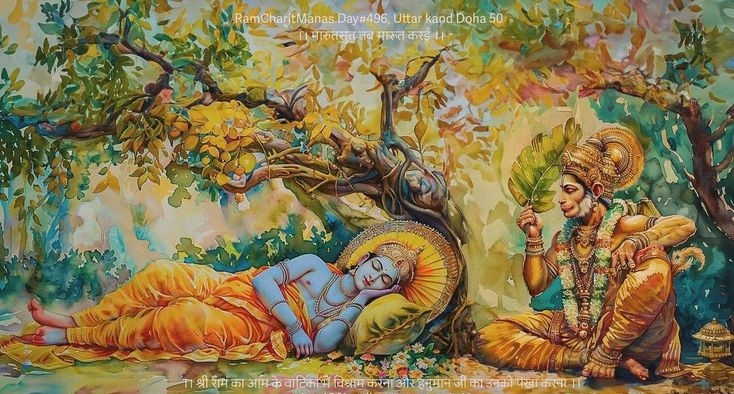
According to Valmiki’s Ramayana, Lord Hanuman reached the Ashok Vatika in Brahmamuhurta while searching for Mother Sita.

Where he heard the sound of chanting mantras of the knowers of Vedas and Yajna.
It is also mentioned in the scriptures –

वर्णं कीर्तिं मतिं लक्ष्मीं स्वास्थ्यमायुश्च विदन्ति।

ब्राह्मे मुहूर्ते संजाग्रच्छि वा पंकज यथा॥

By getting up in Brahma Muhurat, a person gets beauty, Lakshmi, intelligence, health, age, etc. By doing this, the body becomes beautiful like a lotus

That’s why you get success and prosperity.

According to Ayurveda, getting up and walking in Brahma Muhurta transmits Sanjeevani power in the body. This is the reason that the air flowing at this time is called nectar. Apart from this, this time is also said to be the best for study because when we wake up in the morning after resting at night, there is energy and freshness in the body and brain. The doors of major temples are also opened in Brahma Muhurta and there is a law to adorn and worship God in Brahma Muhurat.
Knowing the religious, mythological, and practical aspects and benefits of Brahmamuhurta, start waking up every day at this auspicious time, then you will get better results

A person who rises in Brahma Muhurat is successful, happy, and prosperous; why? Because getting up early gives you enough time to make tasks and plans throughout the day. So not only does life succeed. Everyone who is physically and mentally healthy can be happy and prosperous. The reason is his progress in the work he does. The student is successful in the examination. The boss is happy with the job-doer. Businessmen can earn well. The income of the sick person is affected, on the contrary, the expenses start increasing. Success kisses the feet of the one who makes good use of time and stays healthy. Therefore, if you want to remain healthy and successful, then get up in the Brahma Muhurat
There is a deep connection between Brahma Muhurat and nature. At this time, animals and birds wake up. His melodious voice begins. The lotus flower also blooms. In a way, nature also becomes vibrated in the Brahma Muhurat. It is a symbol of getting up, waking up. Nature gives us the message to get up in the Brahma Muhurat


प्रातारत्नं प्रातरिष्वा दधाति तं चिकित्वा प्रतिगृह्यनिधत्तो।

तेन प्रजां वर्धयमान आयू रायस्पोषेण सचेत सुवर:॥
– ऋग्वेद-1/125/1

The health of the person who wakes up before sunrise in the morning is good. That is why wise people do not waste this time. A person who wakes up early in the morning is healthy, happy, strong and long-lived

A cosmic day- routine


1.  3:00 am to 5:00 am –

At this time the life force is mainly in the lungs. Drink some lukewarm water and walk in the open air and do pranayama. At this time, long breathing develops lung function. They get oxygen and negative ions in abundance and the body becomes healthy and energetic. People who wake up in the Brahma Muhurat are intelligent and enthusiastic, and the life of those who sleep becomes dull.

2.  5:00 am to 7:00 am –

At this time the life force is mainly in the intestine. Defecation and bathing should be taken between waking up in the morning and 7 in the morning. Those who bowel after 7 in the morning dry up the stool by absorbing the fluid from the stool. It causes constipation and many other diseases

3.  7:00 p.m. to 9:00 p.m –

At this time the life force is mainly in the brain. The brain is especially active at this time. Therefore, apart from the morning, the lesson read in this period is quickly remembered. This has also been confirmed by modern exploration.


4.  9 pm to 11 p.m.:

At this time, the life force is mainly present in the spinal cord. At this time, resting on the back or the left side helps to absorb the strength received by the spinal cord. Sleep at this time provides the most relaxation. The awakening of this time tires the body and intellect. If food is eaten at this time, it remains in the stomach till morning, it is not digested and its decay produces harmful fluids which cause diseases by going into the intestines with acid. Therefore, it is dangerous to eat at this time


5.  11 p.m. to 1 p.m.:

At this time the life force is mainly present in the gall bladder. Awakening at this time causes bile disorders, insomnia, eye diseases, and early aging. At this time new cells are formed

6.  1 to 3 pm:

At this time, the life force is mainly in the liver. Microdigestion of food is the function of the liver. Awakening at this time spoils the liver and digestive system. If you keep awake at this time, then the body starts getting sleepy, the vision is dim and the body’s reactions are slow. Therefore, road accidents are more common at this time

Red Caution:

Sages and Ayurvedacharyas have said that eating without hunger is forbidden. Therefore, the quantity of food in the morning and evening should be such that one feels hungry openly during the above-mentioned meal time. Spread something on the ground and eat food sitting in Sukhasana. In this asana, the gastric fire remains illuminated due to the activation of the Muladhara chakra. Digestion is weak while sitting on a chair and eating food while standing does not happen at all. Therefore ‘buffet dinnerʹ should be avoided

To take advantage of the earth’s magnetic field, sleep only with the head in the east or south direction. Otherwise, there are problems like insomnia. To run the body’s biological clock properly, sleep with the light off at night. The research done in this context is shocking. Working or studying late at night and sleeping with the light on can cause severe health hazards by deactivating the biological clock. By sleeping in the dark, this biological clock runs properly. The cause of most of the diseases found nowadays is the chaotic routine and adverse diet. If we maintain our daily routine according to the biological clock of the body, then we will get the benefit of the activity of different organs of the body. In this way, a little awareness lays a new foundation for a healthy life

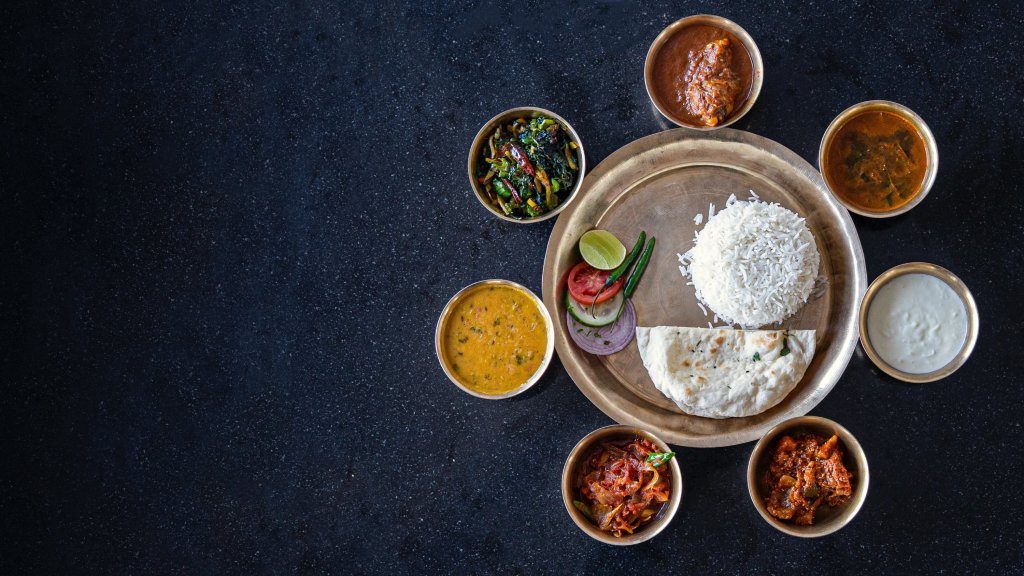
अमृतस्य भोजन!

What foods would you like to make?

।।सर्वोपनिषदो गावो दोग्धा गोपाल नन्दनः।।

Health means becoming prosperous. Increase your power and make proper use of it. The meaning of health is not limited to being endowed only with a physical body. Health means true meaning, mental wealth, social health i.e. (fame, fame), and self-resolution should have a place in health at these four levels. In this episode, ‘Prana’ is the womb of an important and healthy system. It is very important to protect this soul. Therefore, we have to understand the expansion of prana here. Therefore, it is important to take the basis of Vedas, Upanishads.

‘सर्वोपनिषदो गावो दोग्धा गोपाल नन्दनः
The meaning of this Sanskrit mantra is, ‘Shri Bhagavad Gita is the essence of Vedas.’ Therefore, it is natural to include guidance related to health in Shrimad Bhagavad Gita. This is the essence of all absolute perfection. The true explanation of health is described in “ShriGita”. Our body gets first place in terms of health, at this level we have to absorb the knowledge of Shri Gita ji. Therefore, “principled” and “continuous” practice are two important places. You will find mention of them in Shri Gita Ji. Therefore, we have to dedicate our life force. The power of life has to be understood in principle. Health is not based only on gym, fasting, diet, and protein for recovery. Energy i.e. food is important for living life.

This source of food energy is described in the third chapter of Shri Gita Ji,

अन्नाद् भवन्ति भूतानि पर्जन्यादन्नसम्भवः ।
यज्ञाद् भवति पर्जन्यो यज्ञः कर्मसमुद्भवः ।।३-१४।।

कर्म ब्रह्मोद्भवं विद्धि ब्रह्माक्षरसमुद्भवम् ।
तस्मात्सर्वगतं ब्रह्म नित्यं यज्ञे प्रतिष्ठितम् ।।३-१५।।


Food has a cycle of its own. This food is obtained from the sun and this energy is made available to all living beings in the form of food. Life is zero in the absence of solar power. This energy and power can be stored to its limit. For example, batteries have a limited capacity. Later that battery has to be recharged. This solar power is a battery in the form of trees, this solar power is stored in the form of food in plants and plants. These plants and plants provide this stored food to all mankind. Trees, plants, and vegetation are our ancestors. Therefore, they should be thanked. They must be respected. Tree plants are sub-factors. How does this plant prepare its food? That’s a secret! Human life is based on plants, the main thing in life is breathing. Vegetation is not limited to breathing, it also provides us with medicines. Therefore, Ayurvedic medicines can be consumed like food.

The science of Ayurveda works on that cosmic medicine, how to make maximum use of the life power obtained from the sun, the sun energy stored in the plants, so in Ayurveda, there is an importance of consuming rituals like Guti, Vati, Bhasma, Asva, and Arishta. In Ayurveda, the feeling of thanking Mother Nature has the highest place. Chyawanprash is an excellent example. Nature provides amla only for a short time. We can taste the energy and chemicals inside amla throughout the year. For this reason, Chyawanprash is made. This is the only way to receive that Sunpower! This solar power gives us youth and enthusiasm. To live life is human work. The Man should not violate the limits of karma. We have to stop the destruction of nature, nature. If the work of destroying trees, plants, plants continues and then how will that solar power be converted into food, After the Green Revolution, radical changes have been seen in the agricultural industry. The use of chemical fertilizers and medicines in agriculture started increasing. Farming is completely based on these things. The heat inside the earth is being increased in many ways, the work of polluting the life air on which life is based is being done by human beings.

Due to the lack of this life, the prevalence of many diseases is increasing. Diseases are arising. Doing action is the essence of life. Doing karma according to the mother’s nature is called yajna. This yajna transforms into a virtuous yajna. Rain is based on this yajna. The uneven balance of the rainy season is the cause of the great crisis. When wastewater from the industry is added to the farm, it starts taking the form of food poison. A brief description of poisoned food is given in Shrimad Bhagwad Gita. This food should be discarded. Shri Gita ji has divided the food into three parts,

1 . सात्विक (combining purity and simplicity)

2. राजसिक( Rajasic)

3. तामसिक (like dark)

The same type of nature is formed when one of these three grains is consumed. Nature formation work is carried out through food. These three natures are further divided into vata, pitta, and kapha. Therefore, it is best to consume food with respect. It is advisable to give up over intake. Juice-rich food that increases health, semen, and energy increases the body’s sattvic. This food increases positive energy. Spiced, very bitter, very pungent, hot, dry food increases the disease origin. This food is rajasic. And full of laziness, basa annas are tamasic. Similarly, health guidance has been given in Gita, Upanishads, and Vedas. Shri Gita ji has paid special attention to mental peace. To keep mental health balanced,

Maharishi Patanjali has told “Pranav:” in the sutra,

ॐ इति एकाक्षरे ब्रम्ह व्याहरन् ‘

ततः प्रत्यक्चेतनाधिगमोऽप्यन्तरायाभावश्च ॥

By God’s grace, we can overcome our obstacles. I’m trying to explain this to you in a few words. If there is a hindrance, disease, or negativity, then how should it be overcome? What good habits should you adopt to overcome the negative element? So we have to think, what do I want? That is why Bhagavad Gita is the medium that teaches you to walk by holding your finger. It guides you from time to time. Indian science is a rich and beautiful mountain in itself. Where the Ganges of knowledge flows continuously. All ancient Indian scriptures complement each other. Ayurveda is the branch of life, so its main elements are accepted in all the scriptures. This combination of Yoga and Ayurveda is prevalent. But jurisprudence, Sankhya philosophy, special philosophy, all these philosophies are similar to Ayurveda. The identity of India is Shrimad Bhagavad Gita. Which guides the entire universe. This demonstration is of knowledge of India. That is why India is jagadguru. There is a special concept in Ayurveda which is ‘Agni’. Fire not only performs the function of digestion of food but also gives strength to physical and mental health.

Acharya Charakji has explained the importance of Agni ( fire)

आयुर्वर्णो बलं स्वास्थं उत्साहोपचयौ प्रभा ।

ओजस्तेजोग्नयः प्राणाः चोक्ता देहाग्निहेतुकाः ।।

शान्तेऽग्नौ म्रियते युक्ते चिरं जीवत्यनामये ।।

चरक…