Experience the deepest state of meditation.

What historical event fascinates you the most?

The Cosmic Sound of Healing and Consciousness

Long before telescopes, microphones, or brain scans, the Vedas declared that sound is the foundation of creation. That primordial vibration the sound that began it all  is ॐ (Oṃ). Modern science now recognizes that the universe itself vibrates. From the smallest atom to the largest galaxy, everything is in motion — everything hums with energy.
The sages of India heard this cosmic hum thousands of years ago and called it “Oṃ”  the sound of the universe.


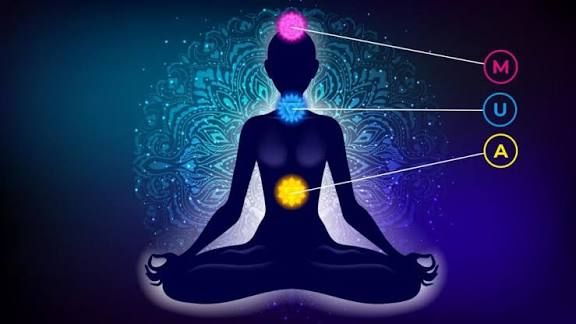
The Three Sounds — AA, UU, and MMAA

When we chant Oṃ slowly and consciously, it unfolds in three parts:

Sound Pronunciation Symbolic Meaning Physical Resonance

AA (अ) As in “father” (Waking state)
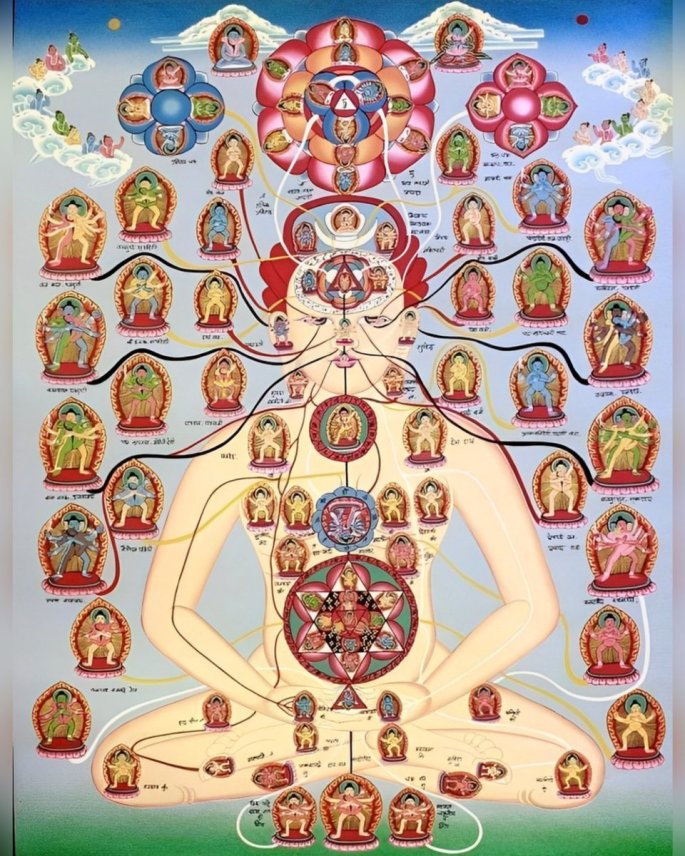
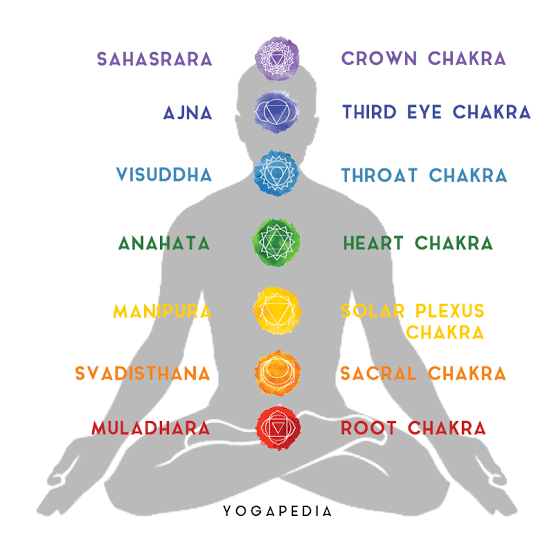
material world, body consciousness Vibrates in navel and chest — activates lower chakras

UU (उ) As in “put” (Dream state)
inner world, mental awareness Vibrates in throat and heart — harmonizes the middle chakras

MMAA (म्) As in “hum” (closed lips)
Deep sleep state — merging into silence Vibrates in head and crown — awakens higher centers


When the sound fades into silence, that silence is called “Turiya” — the fourth state, pure consciousness beyond sound.

The Science Behind Oṃ
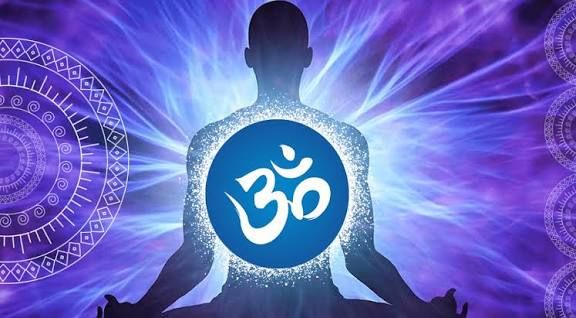

🧠 1. Brain Synchronization and Calm

Modern neuroscience confirms that chanting Oṃ produces measurable changes in the brain:

fMRI and EEG studies (IIT Delhi, 2018; Frontiers in Human Neuroscience, 2011) show that Oṃ chanting deactivates the amygdala — the brain’s fear center.
→ This reduces stress, anxiety, and anger.

Oṃ increases alpha and theta brain waves, which induce deep relaxation, creativity, and meditation.

The vibration stimulates the vagus nerve, activating the parasympathetic system, the body’s natural “rest and heal” mode. In essence, Oṃ acts like a natural neural reset button.


💓 2. Heart and Breath Coherence

When you chant Oṃ, your breathing slows to about 6 breaths per minute —
the body’s resonant frequency for maximum oxygen efficiency.

Heart rate, blood pressure, and respiration become synchronized — a state known as cardiorespiratory coherence.

The result: calm mind, balanced emotions, and improved immunity.

3. Cellular Healing and Vibration

Recent studies in sonocytology show that each cell emits sound frequencies.
When exposed to rhythmic vibrations like Oṃ, these micro-oscillations come into harmonious alignment —
restoring cellular balance and promoting self-repair.

In Ayurveda, this state is called Sattva — the natural harmony of body and mind.


🌠 4. Frequency of the Cosmos

The tone of Oṃ (≈ 136.1 Hz) corresponds to the frequency of Earth’s orbit around the Sun —
known as the “AUM tone” in Indian classical music (Sa note).

Chanting Oṃ therefore synchronizes your body’s vibration with the planet’s resonance —
aligning you with the cosmic rhythm of nature.


🔮 5. The Pineal Gland and Inner Light

The humming “M” sound creates vibration in the skull, gently stimulating the pineal gland, the ancient “third eye.”
This gland regulates melatonin, the hormone that governs sleep, biological rhythm, and intuition.
Regular Oṃ chanting enhances clarity, emotional stability, and inner luminosity.

⚛️ The Quantum Connection
Physics tells us that the universe emerged from a primordial vibration — the Big Bang.
The Upanishads said the same:

“From Oṃ the universe expands, by Oṃ it exists, and into Oṃ it dissolves.”
This means Oṃ is not just a sound — it is the blueprint of existence itself. Every particle, every heartbeat, every breath carries that same sacred rhythm.


OM — The Supreme Name of the Divine

OM (AUM) is not merely a sound — it is the essence of the entire universe.
This sacred syllable is the vibration through which the Vedas, Upanishads, and Bhagavad Gita revealed the highest truth of existence.
The chanting, remembrance, and meditation of OM purify the soul, stabilize the mind, and sharpen the power of memory.


🌸 OM in the Vedas

Every Vedic mantra begins and ends with OM.
The Manusmriti (2/74) declares that a Brahmachari (spiritual student) should begin and conclude his study with OM, for:

If OM is not uttered at the beginning, learning gradually fades away,
and if not uttered at the end, it does not remain stable.Thus, OM is both the seed and the seal of divine knowledge.


🔺 Nachiketa’s Question in the Kathopp Upanishad

The Kathopp  Upanishad narrates how Nachiketa, the young seeker, asked Yama, the Lord of Death:

“O Revered One, tell me — what is the most essential truth in this universe?”

Yama replied:

> “That sacred name which the Vedas glorify,
which ascetics uphold through celibacy and discipline,
that supreme name is OM — the highest name of the Divine.”


He further said:

“OM is indeed Brahman itself.
Whoever realizes this sacred syllable,
all their noble desires are fulfilled.”

— Kathopp Upanishad 2/16

The Path of OM in the Yajurveda
The Path of OM in the Yajurveda

The Yajurveda proclaims:

“There is no path to conquer death and attain liberation
other than the path of OM.”
This makes it clear — OM is not just a spiritual practice,
it is the gateway to moksha (liberation).


The Vision of the Rigveda

The Rigveda (6/45/26) beautifully expresses:

“O Divine Lord! Your friendship is eternal and unbreakable.
You are the giver of cows to the one who desires cows,
and horses to the one who desires horses.”

to the one who meditates upon OM,
all rightful desires and needs are fulfilled in due harmony.


🔆 OM Meditation in the Prashna Upanishad

Sage Pippalāda reveals:

“He who constantly meditates on the Supreme Being
through the threefold sound of OM
becomes radiant like the sun.”

— Prashna Upanishad 5/5


✨ The Chhandogya Upanishad’s Vision

Even the Devas (celestial beings) attained immortality through OM:

“Those who took refuge in the imperishable, fearless sound of OM
themselves became immortal and fearless.”

— Chhandogya Upanishad 2/4/4


Lord Krishna’s Teaching in the Bhagavad Gita

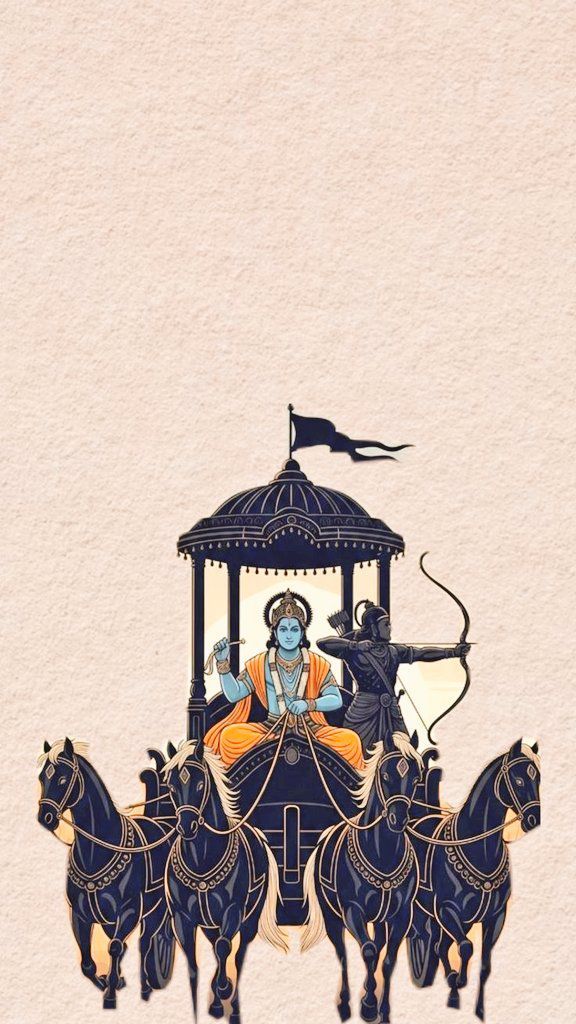
In the Bhagavad Gita, Lord Krishna tells Arjuna:

“He who, at the time of death,
remembers the one-syllabled Brahman
OM attains the supreme state of liberation.”

— Bhagavad Gita 8/13


🌺 The Mundaka Upanishad on OM

“Through the chanting of OM,
the knots of the heart are loosened,
all doubts are destroyed,
and all karmas are dissolved.

— Mundaka Upanishad 2/28


🌕 OM — The Eternal Among the Ephemeral

The Katha Upanishad (5/13) declares:

“OM is the eternal among the transient,
the One among the many.
It fulfills the highest desires of those
who perceive it within their own soul.
Only such wise ones attain supreme peace.”


⚛️ OM — The Primordial Cause

In the Yajurveda (40/8) it is said:

“This OM is eternal, all-pervading, subtle, and imperishable. It is the cause of all living beings.
It has no body, no lineage, no organs.
It is pure, stainless, self-existent, and its own master.”

Om as a medicine

“Oṃ”  heals by resonance, not reaction.
It doesn’t fight disease — it restores harmony.


Unlike external medicines that act chemically,
Oṃ heals energetically — through vibration, coherence, and awareness.

Just a few minutes of chanting daily can:

1. Reduce stress and anxiety

2. Improve concentration and memory

3. Balance hormonal activity

4. Enhance emotional well-being

5. Deepen spiritual awareness


A.  How to Practice Oṃ Meditation

1. Sit comfortably with your spine straight.


2. Take a deep breath.


3. Inhale gently and exhale chanting Aaaa…Uuuu…Mmmm… slowly.


4. Feel the vibration rising from navel → chest → head.


5. After “M,” rest in silence for a few seconds — that is Turiya, the space of pure consciousness.


6. Repeat 9–21 times.


Oṃ is not a religion  it is pure vibration, the sound of life itself. It unites the physical, mental, and spiritual dimensions of being into a single, harmonious resonance. Chanting Oṃ is not about sound — it is about becoming the silence from which all sound arises. Through Oṃ, the ancient rishis offered us not just a mantra, but a cosmic medicine
one that heals the body, steadies the mind, and awakens the soul. “In every heartbeat, in every breath the universe whispers Oṃ.”

🌿 Upanishadic Reflections: A Spiritual Thought Series

What do you listen to while you work?

Antiverse of knowledge!!


In a world often caught in the noise of the external, a quiet yet powerful invitation emerges—for the sincere seeker who yearns to walk the path of truth and attain the highest spiritual realization. We are delighted to introduce “Upanishadic Reflections”, a sacred thought series dedicated to illuminating the eternal wisdom of the Upanishads.

🔶 Why Upanishadic Reflections?

The Upanishads are not merely ancient scriptures; they are timeless revelations. They are the distilled essence of India’s spiritual heritage—offering direct insights into the nature of reality, consciousness, and the Self. These teachings are not for ritualistic comfort, but for inner transformation. They are a lamp for those walking the inner path, a mirror for the self, and a guide to the ultimate goal of life: self-realization.

🕉️ The Vision Behind the Series

The purpose of this series is simple yet profound:
To present the wisdom of the Upanishads in a way that is clear, concise, and practically applicable to modern spiritual seekers.

Each post will serve as:

  • A daily verse, thought, or insight from the Upanishads
  • A spark of contemplative stillness in your day
  • A bridge between ancient wisdom and inner awakening

These reflections are not just meant to be read—but to be lived, felt, and meditated upon.

📖 Our Journey Begins: The Mundaka Upanishad

We begin this sacred journey with one of the most revered Upanishads—Mundaka Upanishad. This scripture unveils the pinnacle of knowledge, clearly distinguishing between:

  • Apara Vidya: the lower, intellectual knowledge
  • Para Vidya: the higher, experiential knowledge that leads to realization of the Supreme Self

The Upanishad guides us toward Brahma-jnana, the direct knowledge of Brahman, and awakens us to the truth that Atman (the individual self) is not separate, but one with Brahman (the Absolute Reality).

🌼 An Invitation to Inner Discovery

Whether you are a long-time student of the Upanishads or just stepping onto the spiritual path, you are warmly welcomed to walk this journey with us.

Let these reflections serve as your:

  • Lamp in moments of doubt
  • Companion in silence
  • Witness in your inner awakening

May “Upanishadic Reflections” inspire you, challenge you, and gently carry you toward the light of truth.
Let each verse be a sacred whisper from the eternal, guiding you home.


Major Stories of Hayagriva Avatar: Restoration of the Vedas

What are your favorite physical activities or exercises?

।। सूर्य आत्मा जगतस्तस्थुषश्च।।

The month of Margashirsh: The Era of Bhagavad Gita Revelation

Margashirsh is the ninth month of the Hindu lunar calendar, falling between November and December. It is also known as Agrahayana and holds immense spiritual significance in Sanatan Dharma. Margashirsh is the month when Bhagwan Shree Krishna imparted the eternal wisdom of the Bhagavad Gita to Arjun on the battlefield of Kurukshetra during the Mahabharat.

In the Bhagavad Gita (10.35), Shree Krishn says,

“मासानां मार्गशीर्षोऽहमृतूनां कुसुमाकरः ”

“Among months, I am Margashirsh.” This emphasizes the month’s supreme importance as a time for Dharmik’s growth and reflection. Historically, Margashirsh marked the beginning of the harvest cycle in the Ancient Bharatvarsh, making it a time of gratitude and prayer for abundance.

Grant victory Aditya Hridaya Stotram: the power to eliminate all enemies.

आदित्य हृदयं पुण्यं सर्वशत्रु विनाशनम्
जयावहं जपेन्नित्यम् अक्षय्यं परमं शिवम्

Aditya Hridaya Strotram is advised by Agastya Muni to Shri Rama to defeat Ravana. Stotra is mentioned in Yudha Kandam of Srimad Ramayanam. Shri Rama was very fatigued before the war & Agastya Muni gave Aditya Hridayam as Updesham, dedicated to Surya Deva, who granted victory to all. Agastya Muni enlightens Rama saying Stotra has the power to eliminate all enemies &. And will be victorious. Rama prayed to Surya and felt energetic to fight with Ravana. Evil vanishes from life who keeps Sun in Heart. Sun is the soul of all that is dynamic & static.

Hayagriva Avatar: The worshiped as the god of knowledge and wisdom


Devi Bhagavata Purana (Book 1, Chapter 9)


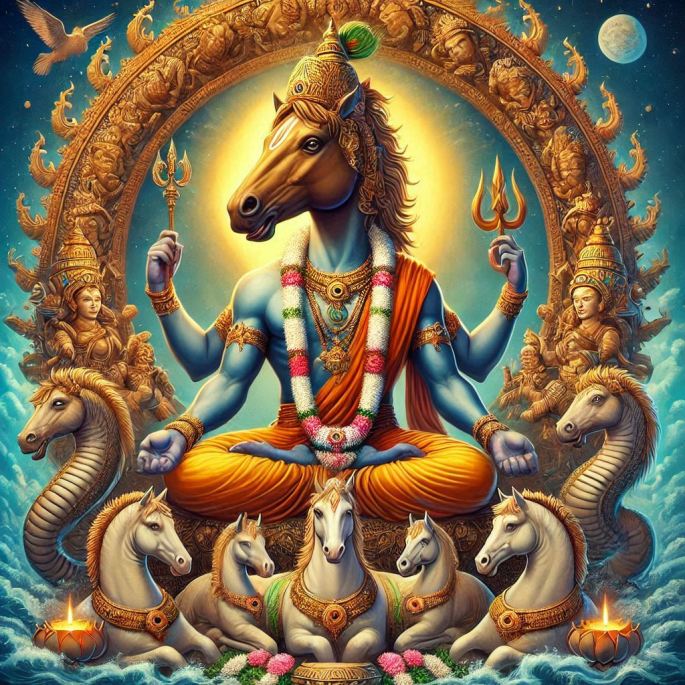
The Hayagriva Avatar of Lord Vishnu is a lesser-known yet significant incarnation. Hayagriva is depicted as a horse-headed deity, with the body of a human, representing wisdom, knowledge, and the preservation of the Vedas. Significance of the Hayagriva Avatar:The Hayagriva incarnation is often worshiped as the god of knowledge and wisdom, as his form represents clarity of thought and intellect. In various traditions, Hayagriva is revered for restoring the sacred Vedas that had been stolen, symbolizing the protection of spiritual knowledge. The demons Madhu and Kaitabha steal the Vedas from Brahma while he is asleep, causing chaos in the universe. Brahma prays to Lord Vishnu for help. In response, Vishnu assumes the form of Hayagriva, the horse-headed avatar, battles the demons, and restores the stolen Vedas to Brahma. Purana Reference:  Mahabharata (Shanti Parva, Chapter 348) In both sources, Vishnu’s Hayagriva form is highlighted as the protector of the Vedas, symbolizing the triumph of wisdom over ignorance and chaos. The Story of Hayagriva and Vishnu’s Meditation (Skanda Purana)In this story, Vishnu assumes the Hayagriva form to perform severe penance. During the end of the Kali Yuga. When darkness and ignorance dominate, the gods pray for Vishnu’s intervention. Vishnu, as Hayagriva, meditates to restore cosmic order, and his energy and wisdom ensure the continuation of dharma.

Energy moment new cell born.

What is something others do that sparks your admiration?

Passed on your ancestors.

Sanatan Dharma culture believes that the universe has been created only by sound and pure light! The soul is the cause of this world! In Sanatan Dharma, some sounds are considered sacred and mysterious, such as temple bells, conch shells, flutes, manjira, and damru! Damru or Dugduggi is a small musical instrument! Damru has been given great importance in Hinduism, Tibetan, and Buddhism!  In Sanatan culture, only two Gods see Damru in their hands, one is Adiyogi Shiva and Lord Dattatreya. In this blog, we will all worship a part of Dattatreya, the supreme supreme God of Guru power. Powers like Damru, Trishul, Lotus, Pash, and Ankush are seen in the hands of many Gods and Goddesses. Now the trident and damru are also seen in the hand of Lord Shiva. However, the Damru Trident in the hand of each deity has a great difference in the energy of all. The power installed in each trident and every damru is different. How does the Yogini Shakti work on the sound of Damru, and all the Yogini powers of Dattatreya Ji are controlled by that sound? I will write it in detail in another blog.

Ancient moments like RSS

Sripada Srivallabha is an Indian guru of the Dattatreya Sampradaya (Lineage) who is regarded as an incarnation of Dattatreya. He was born in the early 14th century in Pithapuram, formerly known as Pithikapuram in Andhra. He lived for 30 years and disappeared as a human but still exists in ‘Tejorup’ (Pure energy form).
He is believed to have reincarnated as Nrusimha Saraswati (1378−1459 CE) in Karanja, Maharashtra.
His biography was written by 16th-century kannada-marathi poet Saraswati Gangadhar.

“Guru Chaitra” is written as a conversation between Siddha (who is a disciple of Sri Narasimha Saraswati) and Naamdharak who is listening to him. Guru Charitra is assumed to be written in a village in Karnataka known as Kadaganchi or Kudugunchi. It is possible that the Sanskrit version of the Guru Chaitra was written by Narasimha Saraswati’s disciple, Siddha, and Gangadhar Saraswati translated that into Marathi.  Gangadhar mentions that his ancestor Sayandev was one of the four close disciples of Nrusimha Saraswati. Gangadhar also mentions four generations that passed away between him and his ancestor Sayandev.

This matches with information that Guru Charitra must have been written in the late 16th century, although Vasudevanand Saraswati, alias Tembe Swami, (1854-1914 CE) wrote a Sanskrit version of Sri GuruCharitra later. This Marathi version of Guru Charitra, written during the late 16th century, mentions the first incarnation of Dattatreya as Sripada Srivallabha between chapters 5 and 10. These chapters mention a rich Brahmin trader named Vallabhesh, born in Kasyapa gotra. He vowed to Sripada SriVallabha that he would visit Kuruvapuram, the place where Sripada lived most of his life, and feed 4000 Brahmins if he earned more profits in his business. Later when Vallabhesh earned profits in business, he started towards Kuruvapuram but was attacked by dacoits, who robbed and killed him.

Before collapsing, he shouted ‘Sripada Srivallabha….”
Sripada Srivallabha appeared with a Trishul in his hand and stabbed those dacoits to death. One of those dacoits fell on his feet and begged for mercy.
Sripada gave him Bhasma (holy ash) and made him use it to bring back the dead Vallabhesh, who disappeared. This incident happened in a village called Manthangoud, which is on the way to Kuruvapuram.

This incident was narrated through the lineage of Vallabhesh, and 9 generations later, his descendant, Keshav Baliram Hedgewar, born on 1st April 1889 in Kadakurthi village of Nizamabad district of Telangana, went on to start Rashtriya Swayamsevak Sangh (RSS) on Vijayadasami day, which is 27th September 1925 in Nagpur. This is written in Dr. Hedgewar Charitra by N. H. Palkar and English translation, “

India was an ancient civilization, and the freedom struggle was an attempt to re-establish a land for the Hindus after almost 800 years of foreign rule, primarily by the Mughals and then by the British. An army of Muslims invaded and ruled over Hindus, while a bunch of British ruled India because Hindus had degenerated and lacked knowledge of their roots. He was arrested after being released in 1922, he became disgusted with what he believed was the appeasement of Muslims by the Congress during the Khilafat movement.  He believed that this would result in Muslim communalism and, though intended to win them over to the freedom struggle, could, in the long run, sow the seeds of separation. Dr.Hedgewar concluded that all the problems he felt the Hindu community in India faced—subjugation and oppression by ‘foreigners’ in the present and past, provincialism, and untouchability – were a result of an inherent flaw in the Hindu character rather than problems themselves

He felt that the remedy was a cultural organization that would unite Hindus on a common platform and instill among them discipline and national character. In this endeavor, he was blessed by Vinayak Damodar Savarkar, who was then under house imprisonment in Ratnagiri. The senior Hindu Mahasabha leaders of Nagpur, Dr. B. S. Moonje and Dr. L. V. Paranjpe, actively supported Hedgewar in starting such an organization.
RSS, today, is the world’s largest socio-political organization going by membership count.

The universe will reflect that back to you.

You have three magic genie wishes, what are you asking for?

Speed of Sun = 2000 yojanas + 2 kos (Asha yojana) per moment .


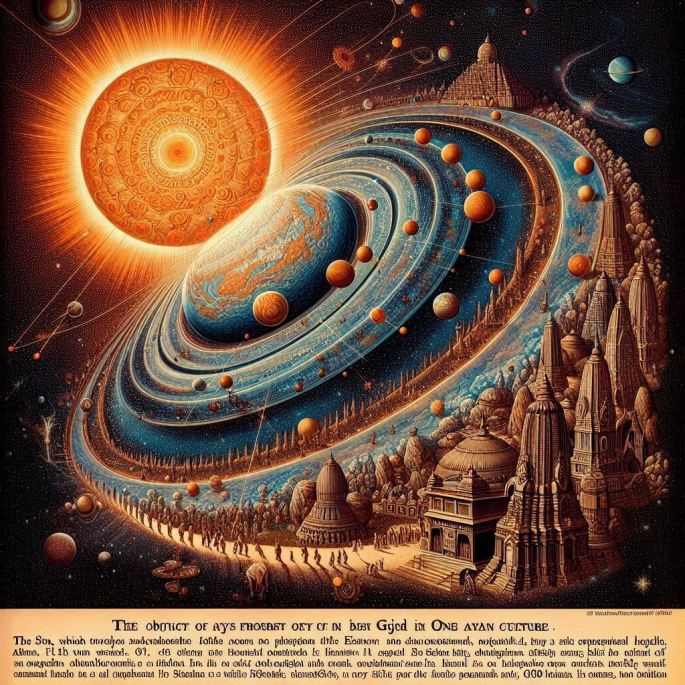
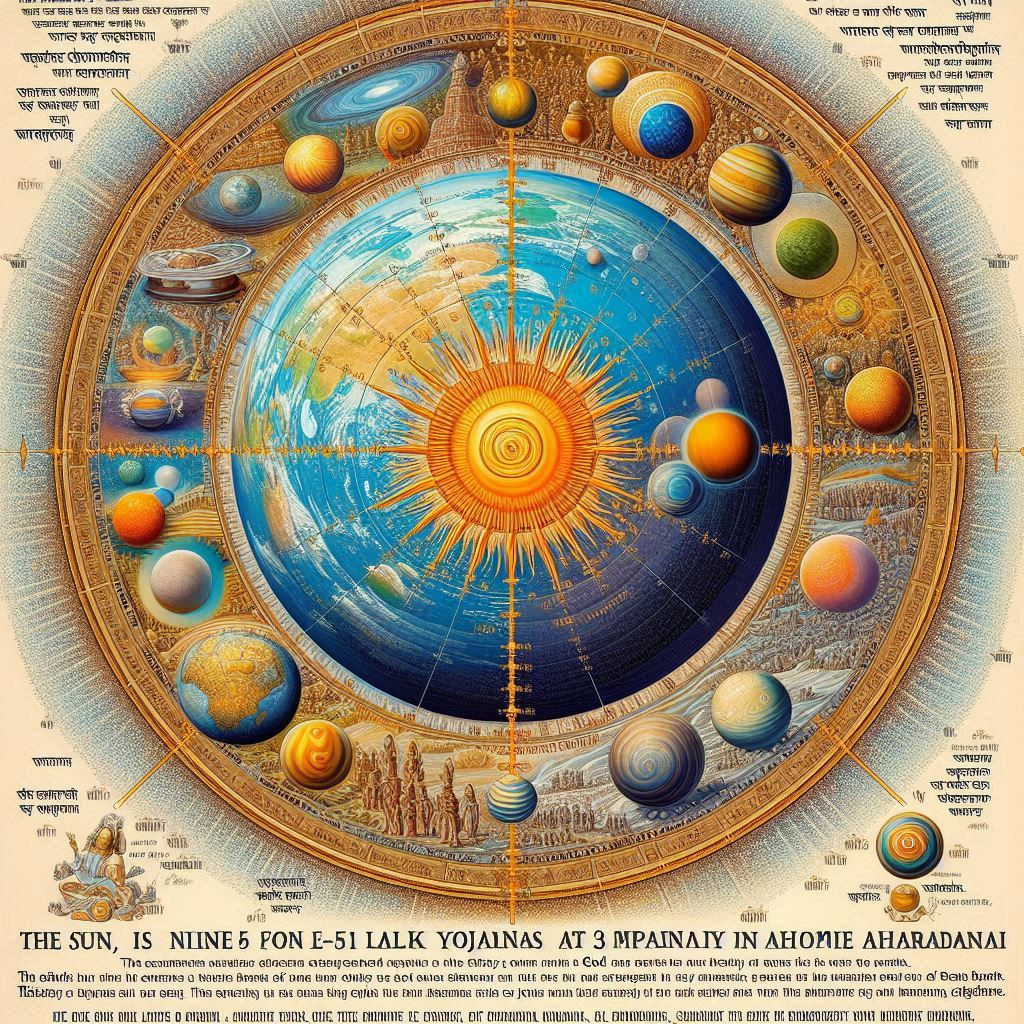
The Sun, which travels a distance of nine crores fifty-one lakh yojanas in one Ahoratri at such a rapid speed, is considered to be God in Sanatan culture. No object in this galaxy remains unreasonable; it is the foremost duty of every human being to respect them. One thing is clear from the description so far: the expansion of the solar system is nine crores and fifty-one lakh yojanas, and the orbital path of the earth is also the same. The Earth completes this distance in one Samvatsar, and the Sun completes this distance in one Ahoratra. The speed of the Sun is 20005 Yojanas per moment and the speed of the Earth is 26055 Yojanas per day.

Each body (mah) has two spines… 1 axial spine, and 2 revolution spines.

Each month rotates around its axis and moves bently, walking on a circuitous path. This inclination is considered by modern scientists to be 23 degrees. Just as the Earth has two spines, the Sun has two spines. The Sun rotates on its axis and completes one cycle in one Ahorattra, i.e. 9,51,00,000 yojanas. The Sun moves on its rotational path and revolves around the pole, taking one cycle to complete a cycle. These are the two spines of the Sun. Similarly, Dhruva also has two Meru. All the bodies are comprised of pairs of meru. Thanking these bodies is an important task. 

1.  The backbone that supports the structure of the body. It is also called the spinal cord.

2.  The life cycle of a living entity is also the journey from birth to death. Every living thing, every sun, constellation, star, and moon, is connected by two spines.

It’s a season. Ritaye Namah. Why does the sun move? Why does the earth collapse? Why does it spin? Walking is the sun’s destiny. It is the nature of the earth to revolve. Rotation is the destiny of the planets. The destiny which is narrated through the medium, the same destiny has also tied the planets. Everyone has an activity. They have an impact on mankind. The mood disposition is based on this object

The sun is moving, the earth is moving. They are all God. If the Lord does not act, how can the living entity be engaged in Kriya? Instinct is life. Retirement is death. God is a living being active. Therefore, nature has the status of a mother. Self-actions are religions. Acting according to one’s nature is Swadharma. Nature is pre-attained, from birth, from past birth, from destiny. Disposition cannot be changed. Nature is strong. It is our welfare to do natural actions. There is success in natural actions. Therefore, one should be engaged in natural action.

True infinite

यतः प्रवृत्तिः भूतानां येन सर्वमिदं जगत् ।

स्व कर्मणा तमभ्यर्च्य सिद्धि विन्दति मानव ॥

(गीता १८/४६)

We have our origin from the earth, we have our origin from us. The sun is the earth from the earth, the sun rises from the sky element and the sun is self-evident. Therefore, the sun rotates on its axis and performs its work, and sadhana, the pole traveling in its orbit, worships the sky. The earth worships itself while traveling on its axis and also worships the sun dancing around the sun. We worship ourselves in samadhi (suptatastha) and worship the five bhutas through daily activities. In doing so, the opening of the Surya Siddha, i.e., Anahad Chakra and the flow of infinite love, is a pleasant experience of spiritual life. There is a ritual of sadhana in the root of the earth element, which is the place of Lord Ganesha. Our Lord is the soul (Sun). The Lord of the Sun (Jyoti) is the sky (void. That is why it is said to be ego emptiness. I have very little capacity to put into words this universe and this beautiful Mother Nature.

On reaching the Supreme Stage, the yogi realizes that He is his own God. The goal of everyone’s life is to know oneself and believe in God. The sun is worshipping itself; the earth is doing its sadhana, which is based on tolerance. The creature is meditating. All are self-centered. This self-center is tied to some other center. The second is also tied to a third. Third, there is no end to a fourth, and so on. To make ends meet, we consider someone who is not bound by anyone. Therefore, Shiva is infinite

Global well- being

What quality do you value most in a friend?

Oh Nature

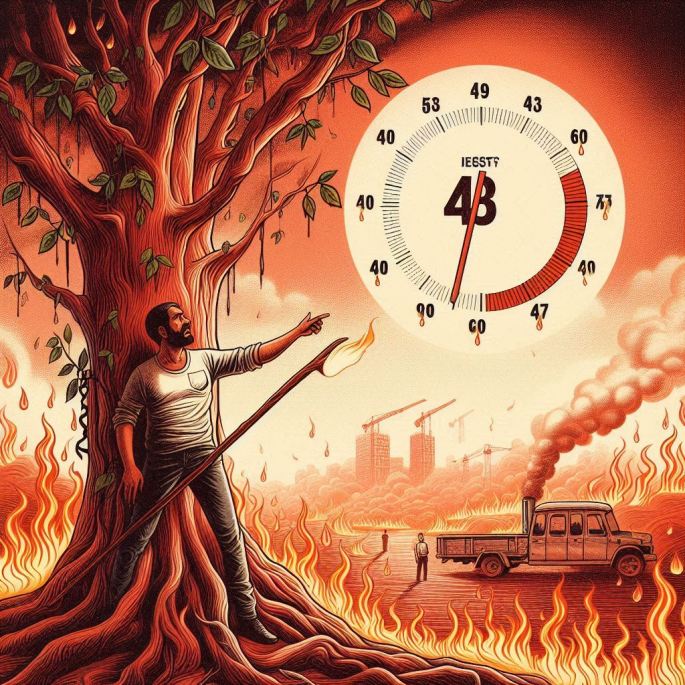
For the last several years, we have been seeing the heat increasing continuously, this year there is a lot of change in the heat, last year was also hot but this year it has reached 50 degrees in many places in Asia, and the mercury is also around 47 in India’s capital Delhi. Many people are saying that we cut trees due to which we have to see so much heat, we Indians have the habit of blaming everything. But is the temperature increasing due to the cutting of trees? 

Or is it a cycle, in which the role of human beings is very limited? The earth is 450 million years old, it has been 2 lakh years since man came, and it has been 300 years since man planted so-called factories, which is the main cause of global warming. In just 300 years, have we raised the temperature of the earth so much that we will be absorbed in the sea? If so, how many factories would have had to be set up at the end of the last ice age to melt ice? The last ice age came 25000 to 19000 thousand years ago the reason for its end is this cycle, which makes the earth hot or cold, like every 1 lakh years there is some change in the orbital path of the Earth’s Sun, and every 41000 years the axis of the earth tilts from 22.1 degrees to 24.5 degrees,  Apart from this, there are other cycles also. Which affects the winter heat

So planting our trees or not is not going to make any difference in the global warming of the earth, let me tell you a simple figure if you drive 5000 kilometers on a bike per year, then you will have to plant 23 big trees, which will reduce its carbon emission to zero, 70 trees for one AC and 200 trees if you drive a car. This is not possible for all of us, so do not burden yourself with global warming.  Yes, but you can plant trees, even one tree will give shelter to thousands of creatures, and will give shelter to you.

Purify the environment around you, purify your neighborhood, and reduce the temperature there, it does not affect global warming. Anyway, man has not advanced so technologically that he can have a huge impact on global warming, but, certainly, we will one day, our greed is only drying up the rivers and ponds, tomorrow when we dry up the oceans, then it will happen, now we have been able to dig only a few kilometers below the earth.  When we dig and reach the core of the earth, we will destroy it completely. Until then, stop worrying about global warming and enjoy eating fruits in the shade of the tree. Because the people who give us knowledge on global warming go in private jets and yachts and you cannot imagine how many millions of trees are cut in their greed, while the entire forest cannot compensate for the carbon emissions of their one journey

The limitations believe

Belonging to oneself means anchoring one’s identity and self-worth internally rather than externally. It involves understanding that your value is inherent and not contingent on others’ opinions, societal norms, or external achievements. This form of belonging is an intimate knowledge and acceptance of who you are, with all your strengths and flaws.

The Challenge of External Validation

In today’s interconnected world, where social media and societal expectations can heavily influence our sense of self, the pull towards external validation is strong. People often seek approval, love, and acceptance from others, using these external sources as mirrors to reflect their worth. While human connections are vital, an overreliance on them can lead to a fragile self-esteem that is easily shaken by criticism or rejection.


1. Self-Awareness:

Deeply understanding your thoughts, emotions, and motivations. This awareness helps you recognize patterns and triggers that lead to seeking external validation.

2. Self-Acceptance:

Embracing all aspects of yourself, including those you might perceive as negative. Self-acceptance fosters a stable foundation of self-worth that doesn’t waver with external circumstances.

3. Self-Compassion:

Treating yourself with the same kindness and understanding you would offer a friend. This practice helps mitigate self-criticism and promotes inner peace.

4. Authenticity:

Living in alignment with your true self, values, and beliefs. Authenticity requires courage, especially when it means diverging from societal expectations or risking disapproval from others.

When you belong to yourself, you cultivate a sense of inner peace and resilience. This self-belonging provides a stable foundation from which you can navigate life’s challenges and relationships. It allows you to engage with others from a place of wholeness rather than neediness, leading to healthier and more fulfilling connections.

Practice of positive


Mindfulness and Meditation:

These practices can help you connect with your inner self and develop a deeper understanding and acceptance of your thoughts and feelings.

Own golden Book

Writing about your experiences, thoughts, and emotions can provide clarity and insight into your inner world.

Therapy or Coaching:

Professional guidance can support your journey of self-discovery and self-acceptance.

The serious lines:

Learning to say no and setting healthy boundaries protects your sense of self from being overly influenced or drained by others. In a world where finding home in others is often emphasized, the art of belonging to oneself stands as a vital counterbalance. It is an empowering journey that nurtures inner strength and authenticity, allowing you to live a life that is true to your essence. By mastering this art, you create a personal sanctuary of self-acceptance and love, from which all other relationships can flourish healthily and meaningfully.

A new approach: H2o

What are you good at?

Water is energy.

Water is not only the most soluble substance, but it also contains everything. Whatever vessel you put it in, it happens. But, have you thought that water also contains our thoughts, emotions and energy?

Water and Energy:

Water absorbs the energy of the person with whom it comes in contact. Whether that energy is negative or positive, water adapts to it.

Water sensitivity:

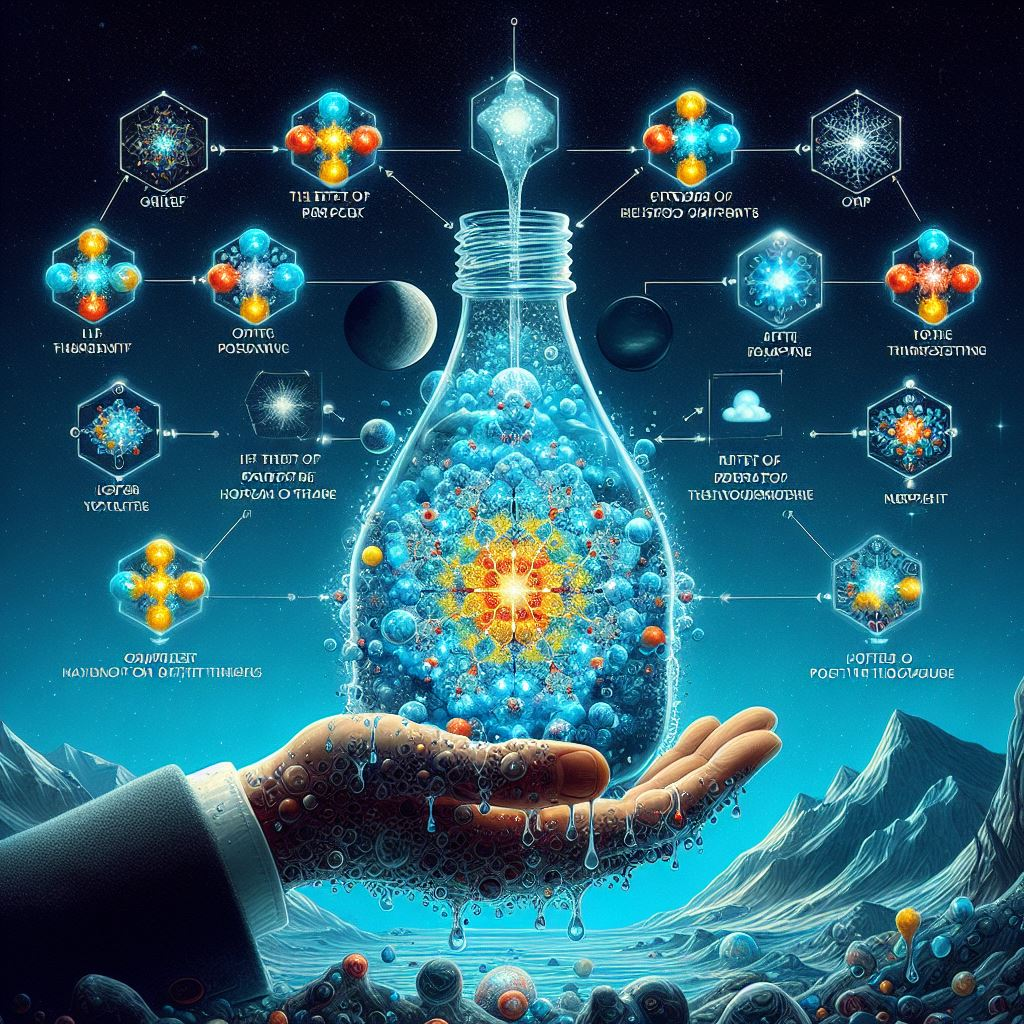
Water is extremely sensitive to all kinds of thoughts. If you look at water molecules under a microscope, you will find that the composition of water varies according to ideas

Impact of Ideas:

The structure of water molecules in grief is different and different in happiness. The effect of prayer and the effect of hope or positive thought are also different. If one’s thought is positive, then the composition of the water kept near him will also be positive. If the thought is negative, the composition of the water will be the same.

A New Approach:

We can guess any person’s thoughts from the water bottle kept near him. With the help of this unique quality, you can also detect any negative force in your home or room

RO water purifier should be installed or not.

Many times the question comes that it will be right to install RO water purifier or it will be a mistake because then you will be able to drink outside water or not? Or if it removes all the minerals dissolved in water, then what do we do

Let us first understand the working of RO

1. Initial Filtration:

When water enters the RO system, it first passes through a pre-filter. This pre-filter works by removing large particles, dirt, sand, and sediment from the water. This is the first step so that the purification process of water can start correctly.

2. Active Carbon Filter Pre Carbon:

Next, the water passes through an activated carbon filter. This filter works to remove chlorine, pesticides and other chemicals present in the water. It also improves the taste and smell of water

3. Reverse Osmosis (RO) Membrane:

This is the most important stage. An RO membrane is a semipermeable membrane that allows water molecules to pass through small pores but excludes larger particles and chemicals. Dissolved salts, heavy metals and other impurities in the water get trapped in this membrane and clear water comes out.

4. Post-Carbon Filter:

The purified water from the RO membrane then passes through a post-carbon filter. This filter works by removing any residual odors or tastes present in the water, making the water even purer and drinkable.

5. UV (Ultra Violet) Filter:

 Some RO systems also have a UV filter. This UV light works to destroy bacteria, viruses and other microorganisms present in the water, making the water 100% pure and safe


6. TDS Adjuster:

 As people have become aware that we should not drink water of low TDS, then there is an extra membrane which again adds minerals to the water, so that TDS increases again. But if a machine does not have this membrane, then this adjuster mixes the unfiltered water again in clean water, which eliminates the basic purpose of this whole machine.

If we have our way, we will ask to remove RO from all houses, but at present rivers and groundwater have become highly polluted And with toxic chemicals and plastic particles dissolved in water, our measures can no longer separate them from water. Because of the excessive pesticide use in agriculture and factories, the amount of microplastics and aluminum in the water has also increased which cannot be removed by normal filters. But still those who are on the mountains and those who do not have farming or any factory on the banks of those rivers, those lucky people should not drink water without RO, if you drink RO water then no one can save you from being unwell. The rivers of the mountains carry with them the reserves of minerals and medicines in the water, their water is medicine.
To clean the river water, keep a vessel in the sun for an hour, there is no better antibacterial than the sun. Or boil once, then take alum and rotate it once in water to clean the waste. You can also use limestone and charcoal filters. But for those on the field, there is no option other than RO at the moment

How much TDS water should you drink?

TDS stands for Total Dissolved Solid. Now it is not necessary how much TDS is there, what is important is what is found in it?

By the way, even water of 500 TDS does not give problems and if arsenic, aluminum or fluoride is mixed in 50 TDS, then it can give trouble. To increase the life of the RO filter, an additional filter should be installed from the outside filter, and only the remaining 3 filters are necessary, the rest does not mean much. Another special thing nowadays the trend of copper tubes has increased, do not forget to use it. Please tell me how you liked the information and for similar information, you can follow me i.e. spirituality is beyond Science Should I take an alkaline machine or not?

Alkaline water machines are devices that increase the pH level of water, making it more alkaline. It is particularly claimed to provide health benefits.
These machines commonly use an electromagnetic or electrolysis process, where water is split into acidic and alkaline, which finally forms alkaline water and separates the rest of the acidic water.

It is said that drinking high pH water from this machine has many health benefits, but there is a big question that our stomach is acidic and even if we drink high pH water, it reacts with stomach acid and becomes neutral. What’s the use of that water after that?
In addition, it is important that the pH level of the blood is controlled by the body and is not affected by drinking water. Rather, the pH level of the blood depends on the calcium in the body. The best solution is that we can take gourd juice, or a pinch of lime in drinking water. Or the ashes proved in the yagna can also be mixed in water. You can make 100% alkaline water only from the remaining ashes of Yagya, in which you can keep 10 liters of water for two pinches of bhasma for 12 hours, after that you can use that water which is absolutely good.

यत्ब्रह्माण्डेतत्पिंडे

What’s the oldest things you’re wearing today?

The human body: A polygraph machine.

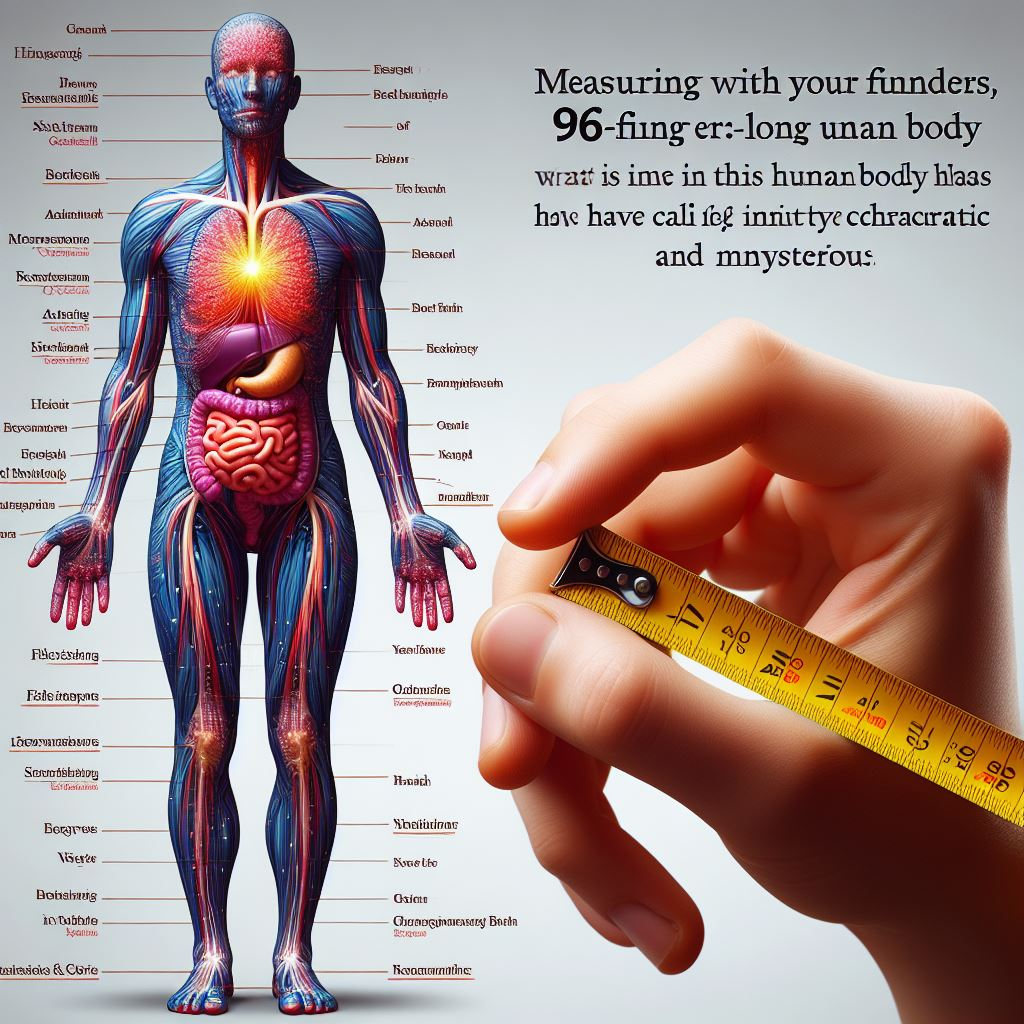
Measuring with your fingers, what is in this 96-finger-long human body is more than astonishing and mysterious. Our human body is based on breath, every part of it has its characteristics within itself, but we have never considered it. Although we are amazed at and evaluate things outside, we never pay attention to ourselves, or the functions of our body. If I had ever looked at it, I would have come to know how surprising to call and believe initially characteristic and functional our ordinary-looking organs are. With their help, we are living our rare human life

Uniqueness pervades our human body. Spiritual dignity and the subtle and causal entity of the body, which includes the panch kosha, the five pranas, the Kundalini superpower, the hexachakra, etc., is one aspect to consider their functions, but except for these functions, if we consider only the gross structure and its capacity, then everything looks wonderful in this area too. Vegetation, let alone human animal bodies, does not have those characteristics that are embodied in the small and large components of man. The artist has put all his art into its creation

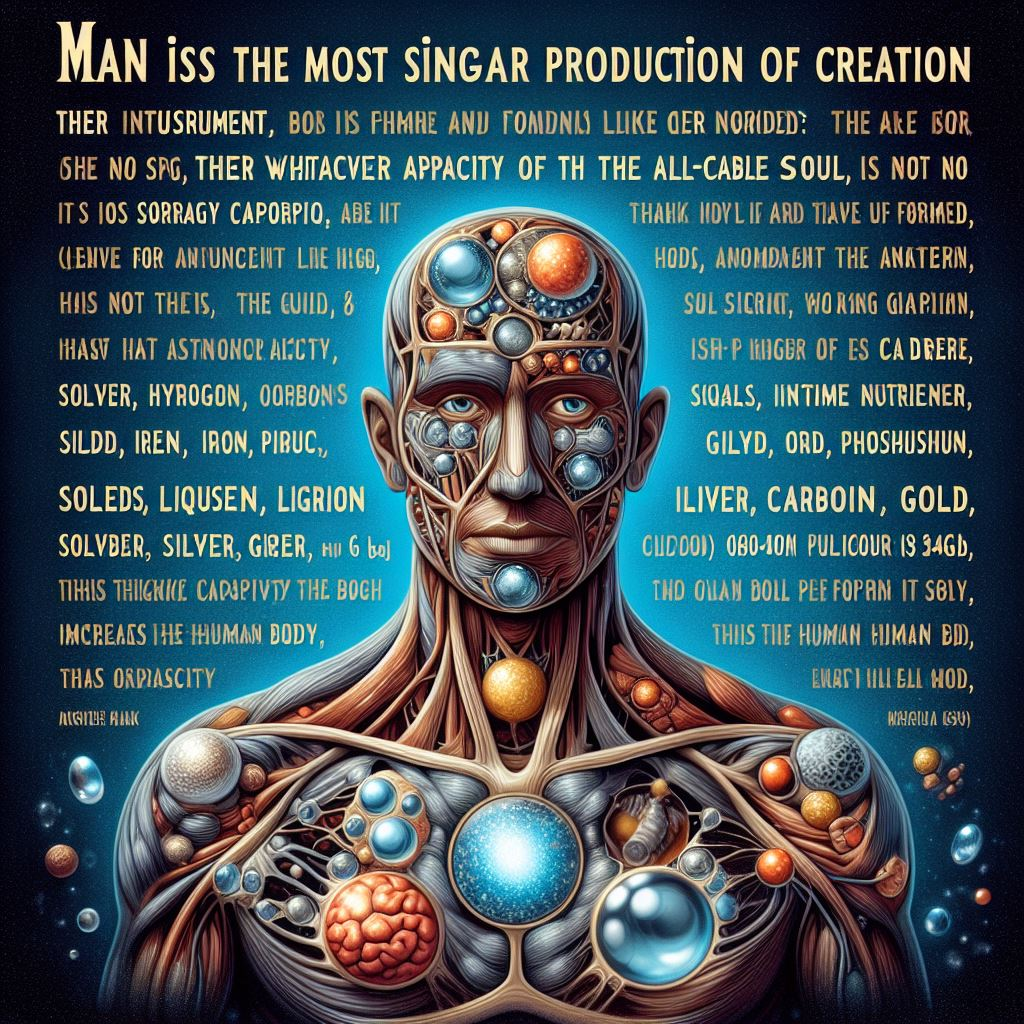
From anatomy to the sensations of the mind and conscience, there is extraordinary work everywhere. If we imagine and look scientifically, we will find that the intelligence, skill, and hard work that Mother Nature spent in the construction of the human body was not done for any other body. Man is the most singular production of creation. There is no other wonder like this. It is the instrument and vehicle of the all-capable soul. The cells from which it is formed do not only contain animate atoms, but they have a storage capacity of up to 8 GB, so think how much capacity your body will have This increases the capacity and value of the human body even more. Solids, liquids and gases, water, oxygen, hydrogen, nitrogen, carbon silver, gold, iron, phosphorus, etc., whatever elements are in the earth and whatever is not in the earth, other planetary constellations are there, all that is also in the body in gross and subtle form. Just as the roots, leaves, and fruits of a tree are present in a wide expanse, in different areas of the body, similarly seeing the powers of different worlds and worlds exist, the scribe had said, that all the powers of the universe are present in the human body

Sun, Moon, Jupiter, Uttarayan, Dakshinayan Marg, Earth, Water, Fire, Sky, Air, Electricity, Magnetism, Gravity, etc. are all in the body. This whole cosmic world is contained within this body. Today’s scientists also believe that the characteristics and capabilities that nature has bestowed on man are not available to any animal body of creation According to the Garbhopanishad, the human body has 180 joints, 107 marmasthanas, 109 nerves, and 700 veins. There are 500 marrows, 306 bones, four and a half crore hairs, 8 pals heart, 12 pals tongue, one pasta bile, one adhak phlegm, one kudvashukra, and two pasta meds. Apart from this, the best instruments for taking food and expelling feces and urine are installed in this body, which is not in any other body

surprising to call and believe in the human body.

When you look at the physical body, the skin is first seen. According to physiology, the skin weight of each adult person is about 9 pounds, which is often three times more than the brain. This skin occupies more than 18 square feet of space. On a rough look, it looks like a waxy paper stuck on the body, but a closer look reveals that there is a whole elaborate factory running in it too Its area on the body is about 250 feet. The thinnest she is on the eyelids, 0.5 millimeters. The thickest of the soles of the foot is 6 millimeters. Generally, its thickness ranges from 0.3 to 300 millimeters. One square inch of skin usually contains a network of nerves 72 feet long. If the length of blood vessels is measured in the same space, then they are also spread with a network of 12-foot-long nerves. If the length of the blood vessels is measured in the same space, then they will not sit less than 12 feet. These blood vessels shrink in winter and dilate in summer so that the balance of body temperature is maintained. There are usually 300,000 sweat glands and countless tiny tiny pores on the surface of the skin. About a pound of sweat comes out of these pores every day. The sense fibers scattered inside the skin, if placed in a line, will be 45 miles long

A special type of oil called ‘sewage’ keeps coming out of the skin. It performs both the functions of protection and aesthetic enhancement. Its pigment cells produce a chemical called ‘melanin’. It keeps on painting the skin with white, dark brown, etc. colors. The skin appears to be one, but it can be divided into three thick categories, the upper skin, the inner skin, and the subcutaneous tissue. The lower layer contains blood vessels, nerves, and fat particles. Through these, the skin clings to the bones. Along with aging, when these fat particles start drying up, wrinkles start hanging on the skin

The inner skin consists of nerves, blood vessels, pores, sweat glands, and oil glands. These nerves can be called a type of sense carrier telephone wires. They transmit skin-touch sensations to the brain and convey the instructions there to the ingredients. The skin never lies. A lie detector, a lie detector or polygraph machine, works on the principle that the changes in the electrical pulsations and tension in the skin as a result of harmonic changes caused by the concealment reveal all the secrets

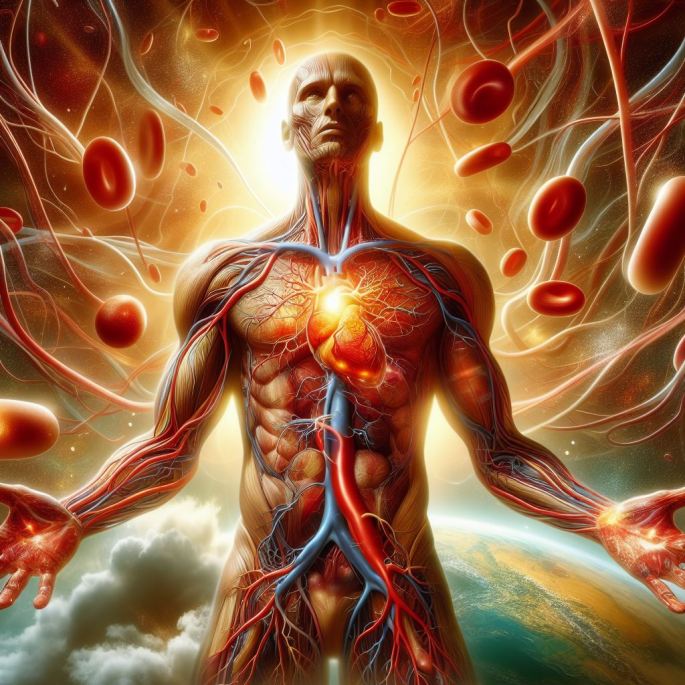
If this much labor has to be done once, then it will have to use as much energy as it will have to be used to lift 10 tons of load to 50 thousand feet above the ground. The temperature in the body is due to the heat produced by the bloodstream. The world of blood circulation is so well-organized and important that if it can be properly understood and its appropriate policy can be adopted, a strong and developed long life can be achieved. Skin, muscles, and blood circulation system are not only components of the body institution are also amazing and unique. God has filled this human body of 5 feet 6 inches with so many surprises that it should not be surprising to call and believe in the temple of the human body.

The Guru

Who was your most influential teacher? Why?

Shri Panchadashnam Juna Akhara: An Important Tapassthan |

In ancient times, Akhara was a group of saints and saints of India who worked for the protection of the nation and the protection of religion in situations against Raj Dharma in times of crisis. The sadhus of the Akhara also used to use their weapons to protect both the nation and religion from this type of crisis. That is why there was a ground for the wrestlers under the akhara, in which all the members of the arena used to practice more than one trick in terms of keeping the body strong and protecting themselves in times of crisis. He also used to learn weapons. Even in the present time, some Akharas are still ready to bring people on the right path with knowledge, etc. when the nation is in crisis. They are ready at all times to serve the country and humanity

In Kumbh, the largest fair in India, these Akharas still participate with full dedication and take a royal bath. These Akharas would have a president whose election is subject to a complex process. The Akhara system occupies an important place in Indian culture, whose main purpose is to conduct religious and social functions. Shri Panchdashnam Juna Akhara is one of the major Akharas of India, which plays an important role during the Maha Kumbh Mela. This Akhara is located in Haridwar of Uttarakhand state and is famous for its religious and social programs. The history of Shri Panchadashnam Juna Akhara is very ancient. It finds a very prominent place during the Mahakumbh Mela, where millions of devotees consider it as their religious organization. The name of this akhara is “Juna”, as it is traditionally associated with the Juna sect, in which the company of ascetics and spiritual practice play an important role. These are the names of the Dashnami sect: Giri, Parvat, Sagar, Puri, Bharati, Saraswati, Van, Aranya, Tirtha and Ashram. Out of the 7 Akharas, Juna Akhara is their special arena. The rank of Mahamandaleshwar is the highest in any akhara

The main objective of Shri Panchadashnam Juna Akhara is to encourage public struggle and spiritual growth through meditation, penance, religious education, and service. The members of this akhara are devout in meditation and penance and study various religious texts.
Members of Sri Panchadashnam Juna Akhara regularly participate in religious programs, social service campaigns, and meditation houses. It organizes meditation and religious activities that help seekers towards spiritual growth and understanding the spiritual message The importance of this akhara is special in Indian culture, as it provides a path of spiritual growth to seekers along with conducting religious and social functions. Shri Panchdashnam Juna Akhara enjoys deep reverence and respect in society for its religious message and service efforts. Earlier it was known as Bhairav Akhara because at that time his presiding deity was Bhairav, which is a form of Shiva. At present, the presiding deity of this akhara is Lord Dattatreya, who is Rudravatara. There are also Avahanas, Alkhiya, and Brahmacharis under this akhara. It is said that Juna Akhara is the largest among the 7 Akharas of the Shiva Sanyasi sect, which has about 5 lakh Naga Sadhus and Mahamandaleshwar Sanyasis Most of these sadhus are Naga Sadhus. There are mahants according to different regions. Juna Akhara was established in 1145 when the first monastery was established at Karnaprayag in Uttarakhand. It is also called Bhairav Akhara. Its presiding deity is Shiva and Rudravatar is Guru Dattatreya God. Their center is believed to be at Hanuman Ghat in Varanasi and their ashram is near the Maya temple of Haridwar. The headquarters of Shri Panchdashnam Juna Akhara is located in Varanasi

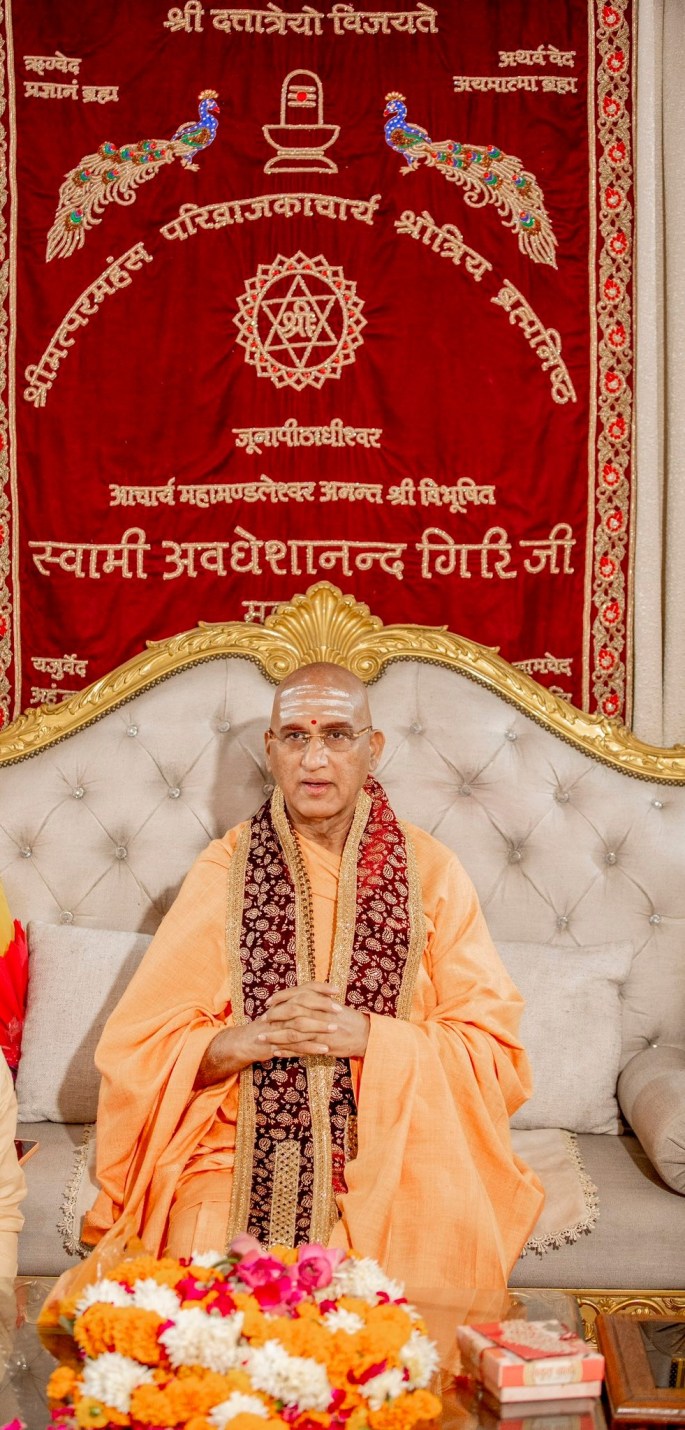
Through this Akhara, seekers awaken their spiritual sensibility and do the work of service for society. In this form, Shri Panchadashnam Juna Akhara is an important part of Indian culture, which plays an active role in developing society through spirituality and service. At present, the Acharya of the Akhara is Mahamandaleshwar Swami Avdheshanand Giri Maharaj and the International Patron Shrimahant Harigiri Acharya Swami Parmatmanand of Shri Panch Dashnam Juna Akhara established Mrityunjaya Ashram in Tedinim in Kashi and Kankhal in 1921. According to the tradition of Juna Akhara, the Akhara is run by a 17-member committee. The presiding deity of the Akhara is Lord Dattatreya. Maa Mayadevi Temple, Anand Bhairav Temple, Shri Harihar Mahadev Parad Shivling Mahadev Temple are under this akhara

It is also described in all historical and religious books. The rules of the Akhara are very strict and the Akhara loves discipline about them. Sadhus who do not follow the rules are shown the way out. At present, there are more than five lakh sadhus in the Akhara, with the largest number of Naga monks. There are more than 120 Mahamandaleshwars in the arena at present. Whose splendor is the pride of Yatra Kumbh Mela and gives it grandeur and divinity Shri Panch Dashnam Juna Akhara does a lot of work for social reform. After the recognition of transgenders as a third gender by the Supreme Court, the Akhara not only gave the Kinnar Akhara a place in its akhara to bring them into the mainstream of society but also allowed them to put the religious flag and take a royal bath with them. In Haridwar Kumbh, Shripanch Dashnam Juna Akhara along with Agni and Ahvaan Akhara also take out their Peshwai and also take a royal bath with the same. Shri Panch Dashnam Juna Akhara was the first to take a bath while taking a Mahashivratri bath at Haridwar Kumbh. In which the saint Mahatmas of Agni and Ahvaan Akhara bathed with him and the members of Kinnar Akhara also shahi snshan with them.


Shri Panch Dashnam Juna Akhara was established in Samvat 1202 (Year-1145) Kartik Sudi 10 Tuesday in Karnaprayag of Devbhoomi Uttarakhand by Sundar Giri Maharaj, Dalpat Giri Maharaj, Laxman Giri Maharaj, Raghunath Giri Maharaj, Baikunth Giri Maharaj, Shankar Puri Maharaj Avadhuta, Veni Puri Avadhuta, Swami Dayavan, Swami Raghunath Van, Swami Prayag Bharti and Swami Neelkanth Bharti. It is also called Shri Panchayati Dashnam Junadatta Akhara or Bhairav Akhara. Their headquarters center is at Bada Hanuman Ghat in Varanasi Shri Panch Dashnam Juna Akhara has a special system of arrangement. This Akhara is a complete society where a committee of all the elder members of 52 families of sadhus is formed. All these people elect the chairman for the akhara. Once an election is held, the post belongs to the elected persons for life. These elections are held during the Kumbh Mela. In the Maharshi of the akhadas, from Mahant to Ashtakaushal Mahant and Kotwal are appointed.
The name of “Juna Akhara” is known as “Panch Dashnam Juna Akhara” because it belongs to the Panchdashnam sect. The Panchdashnam sect is a major saint sect in which the traditional number of saints is 15.

Hence, it is known as “Panch Dashnam Juna Akhara”, which signifies the 15 nomenclatures of this sect. “The 15 nomenclatures of the sect” means that the sect consists of 15 main saints, who are called by different names. These saints impart spiritual teachings, guide people, and contribute to the service of society during their lives. The initiation of the names of these 15 saints is accompanied by a specific Sanskrit word that represents their spiritual tradition This group of saints organizes various sects and saint sects and assimilates them as a social and spiritual community. Through the spiritual education and guidance of these saints, people gain religious knowledge and confidence

Universe within you !!

What strategies do you use to cope with negative feelings?

The saptarishi

Man’s biggest problem is frustration. This frustration has made him angry, impatient, and jealous. The question to consider is that as modernity has developed along with civilization, frustration has also increased in the same proportion, whereas the opposite should have happened. After all, what is the reason that today’s man is so frustrated and mentally weak

On reflection, the answer is that the outer world of present man is separate from his universe, his inner world, and his body. The two are not in harmony whereas the reality is that the inner world is reflected in the external world. As is our internal environment, we create the outer world. This can be illustrated by an example. If your officer’s mood is bad on a day, then on that day the whole office is a little scared because those officers can get angry without any reason. A crowd of frightened passive people gathers around the person who gets angry quickly. But those frightened people are passive wrathful, there will be a chance to vent their anger on others. Due to this, frustration is increasing in greater measure, and every person, society, and country is bound to pay for it

Just as we are inside, so we create the outer world. The solution is inside, it has always been within us, just we do not know about it. In Indian spirituality, it is believed that whatever is in the universe is in the body, that is, the outside world is not aware of the inner world because no god or sage is located outside.

Rather it is located inside. This idea has come in Yajurveda as follows –

सार ऋषयः प्रतिहताः
शरीरे साम रक्षन्ति सदम प्रमादम् साप्तापः
स्वपतो लोकभीयुस्तत्र जागृतो अस्वप्नजो सत्रसदोच देषौ।।

According to Yajurveda, seven sages are located in this body and are constantly protecting it. In the dormant state, these seven sages pervading the body attain the living soul. But two gods are beyond dreams, always awake, whose names are Prana and Apana. There are seven sages – five are the sense organs, the sixth is the mind and the intellect is the element. The meaning of the sage in this verse is not a living awakened person but reasoning, a life force. The whole world is full of life force. Therefore, the establishment of sage elements in the senses and mind has been described in Yajurveda.

Vashishta:

The word Vashishta has subdued. Those who control everyone are Vashishta. Prana is such an element in the human body, which subdues everyone. Prana has control over the whole body, if the prana leaves the body, then what is the value of the body?

Bharadwaja:

Bharadwaja means to fill the force. The divine power of the mind can be filled only by force and this filling is Bharadwaja. If the mind is weak, the body becomes weak. No matter how savage a depressed person may be, he cannot do anything.

Jamadagni:

Jamadagni means bright fire and light. In this sense, the divine, radiant power is installed in the eyes of the sage Jamadagni. An eye without light or fire can do nothing. Let the eyes be so bright that they destroy the impure deed at the sight of it, and the Bhadram Pashyam… Jamadagni Rishi is needed to keep the eyes bright and radiant so that it becomes meaningful.

Vishwamitra:

The power of the sage is to be attained. Shrotra means the power of the ears. Vishwamitra means, the friend of all, if you have the power of Vishwamitra in your ears, then you will not be ready for anyone’s lowly words, i.e. bhadram karnebhih shrnuyam… You will always follow to listen to words of benevolence.  If Vishwakarma Rishi is established in speech, then the essence of the world will be in your favor. All his work will be accomplished. Vishwakarma means the one who creates all work with skill and beauty. It is a matter to think that if the abode of Vishwakarma is in your hands, then it is elevated, but why in speech


Reasoning or thinking is called power. In any creation, first the mind is active, then the intellect, then the speech, then the hand. First, the mind is made to do the work, after that, the intellect makes a policy about how it will be done, then the speech makes it a practical plan, and finally, the body executes it. In any composition, if the end is in action, the beginning is always in the mind, the mind controls our emotions. Perhaps for this reason, when Brahma started creating this world, he started with mental creation, and Maithuni, or anatomical creation came later There is a lot of tumult in our inner world at present. Our thinking power has become numb, due to which frustration and anger are increasing in our life, if we want to get rid of them, then the solution is only in contemplation, not in worrying because in contemplation the sage resides, the sage itself is the power of thinking. When the thinking power is awakened, man embarks on his inner journey where he finds answers to all those untold and unanswered questions.