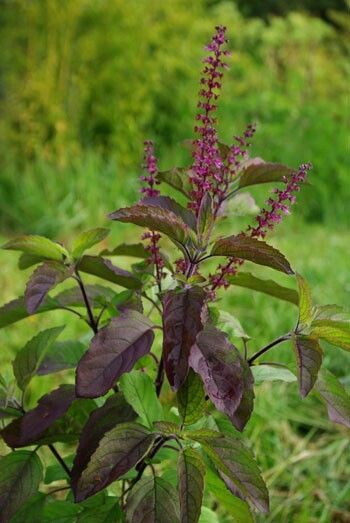
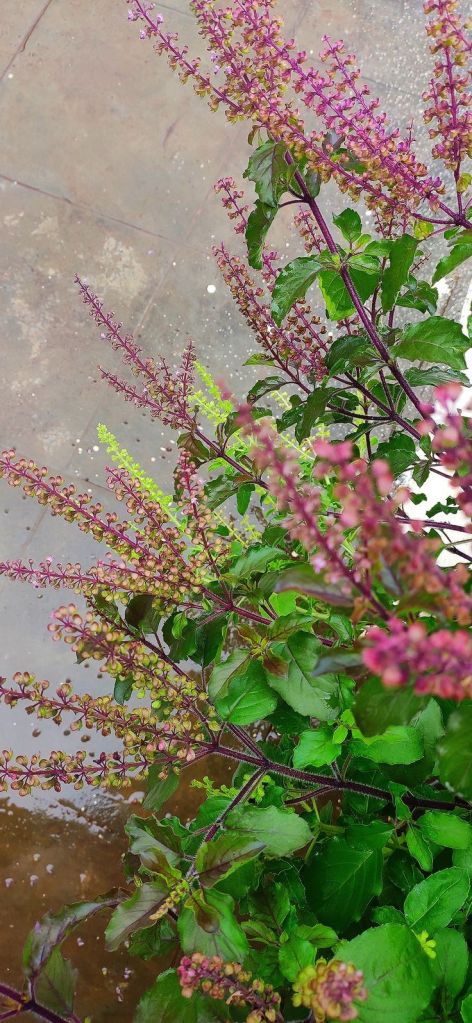
🌿 Tulsi: A Divine Healer for the Modern World.

Tulsi: Sacred, Spiritual, and Scientific


In today’s fast-moving, stress-driven world, humanity is facing a silent crisis. Despite advanced technology and modern medicine, people are struggling with chronic stress, weakened immunity, lifestyle disorders, anxiety, disturbed sleep, pollution-related illnesses, and emotional imbalance. We are surrounded by solutions, yet far removed from healing.

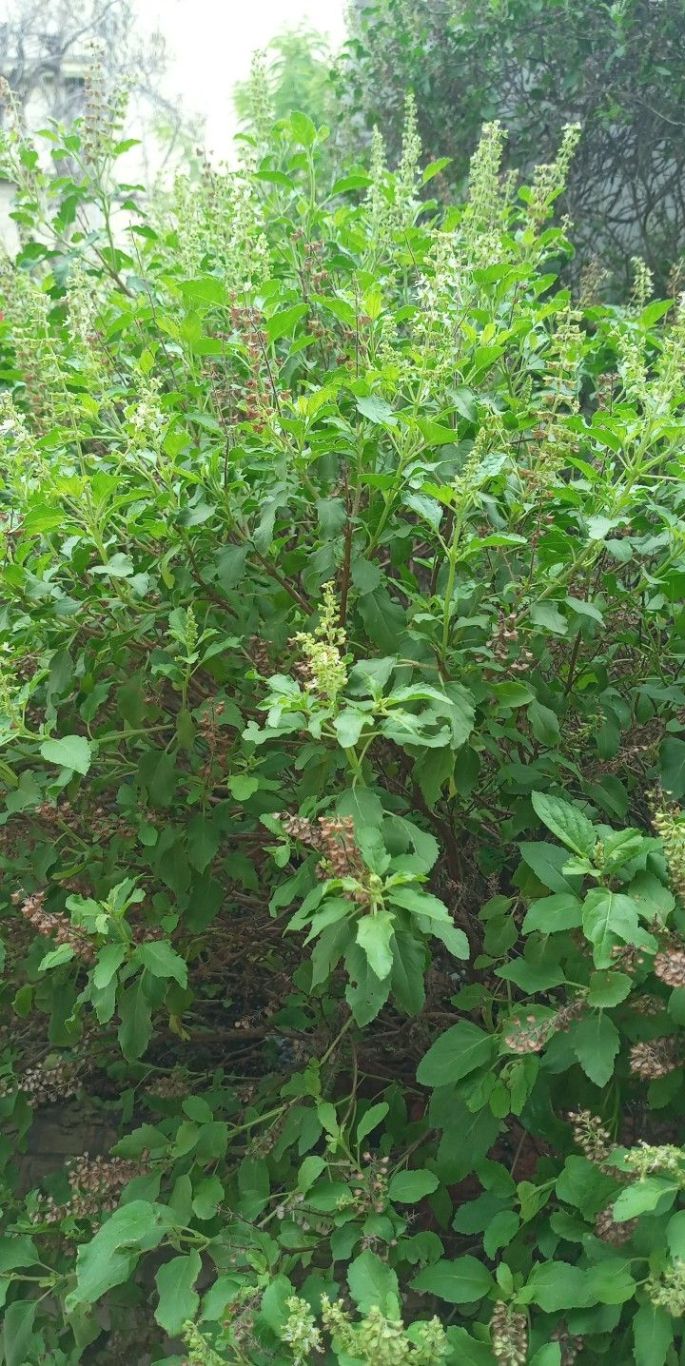
Ancient wisdom reminds us that true health is not merely the absence of disease, but a state of harmony between body, mind, environment, and spirit. One such timeless gift from nature is Tulsi (Holy Basil)  a sacred plant revered for thousands of years in Indian civilization and now increasingly recognized by modern science.
Tulsi is not just a medicinal herb; it is a living symbol of purity, protection, and positive energy. Traditionally, every Indian home nurtured a Tulsi plant in its courtyard — not as a ritual alone, but as a daily connection to health and divinity.

Tulsi was revered because our ancestors observed that:

• Homes with Tulsi felt calmer and purer

• The air remained cleaner and more vibrant

• Families experienced fewer illnesses

•The mind stayed more balanced and devotional


• Where Tulsi grows, positivity flows.

Today’s Problems: Why the World Needs Tulsi Again


Modern life has created challenges that ancient societies intuitively guarded against:

✓ Constant mental stress and anxiety

✓ Weakened immunity and frequent infections

✓ Respiratory problems due to pollution

✓ Digestive disorders and hormonal imbalance

✓ Emotional fatigue, disconnection, and fear


While medicines often treat symptoms, Tulsi works at the root level restoring balance rather than suppressing signals.

🌿 Tulsi as a Natural Solution.

Ayurveda describes Tulsi as a Rasayana a rejuvenator that supports long-term vitality.

Key Benefits of Tulsi:

• Strengthens immunity naturally

• Supports respiratory and lung health

• Helps the body adapt to stress (adaptogenic)

• Improves digestion and metabolism

• Purifies blood and detoxifies the system

• Promotes mental clarity and emotional calm


Tulsi does not fight the body  it awakens the body’s own intelligence to heal.

Healing the Mind and Energy.


Modern science now acknowledges what ancient seers knew: thoughts, emotions, and energy influence health.

• Tulsi subtly elevates consciousness. Its aroma, presence, and regular use:

• Encourages positive thinking

• Reduces mental heaviness

• Enhances meditation and mindfulness

• Creates a protective energetic field


This is why Tulsi is central to spiritual practices  not as belief, but as experience.

🌱 Tulsi and Environmental Balance

Tulsi purifies the environment by:

Releasing oxygen-rich compounds

Repelling harmful microbes and insects

Maintaining ecological harmony


Even dried Tulsi leaves retain their energetic potency, continuing to influence the surroundings positively.


🌿 Vision of Dakshinamurthy Ayurveda Pvt. Ltd.

At Dakshinamurthy Ayurveda Pvt. Ltd., we believe that the future of healthcare lies in integrating ancient Ayurvedic wisdom with modern lifestyles.

To restore holistic health by reconnecting humanity with nature’s intelligence.

Through Tulsi-based formulations, herbal products, wellness solutions, and conscious agriculture, we aim to:

• Strengthen immunity at the grassroots level

• Promote preventive healthcare over reactive treatment

• Make Ayurvedic wisdom accessible, authentic, and sustainable

• Support farmers and promote self-reliant herbal cultivation Tulsi is not merely an ingredient for us  it is a philosophy of living.

A Call for a Conscious Return


In times of global uncertainty, pandemics, and emotional unrest, Tulsi stands as a quiet guardian  reminding us that healing begins with simplicity, awareness, and respect for nature.

By embracing Tulsi, we do not move backward into tradition; we move forward with wisdom.
Tulsi is a divine bridge between science and spirituality, medicine and meditation, nature and humanity.

As we nurture Tulsi, it nurtures us  physically, mentally, and spiritually.

🌿 Let us grow health, harmony, and hope  one Tulsi plant at a time.

— Dakshinamurthy Ayurveda Pvt. Ltd.

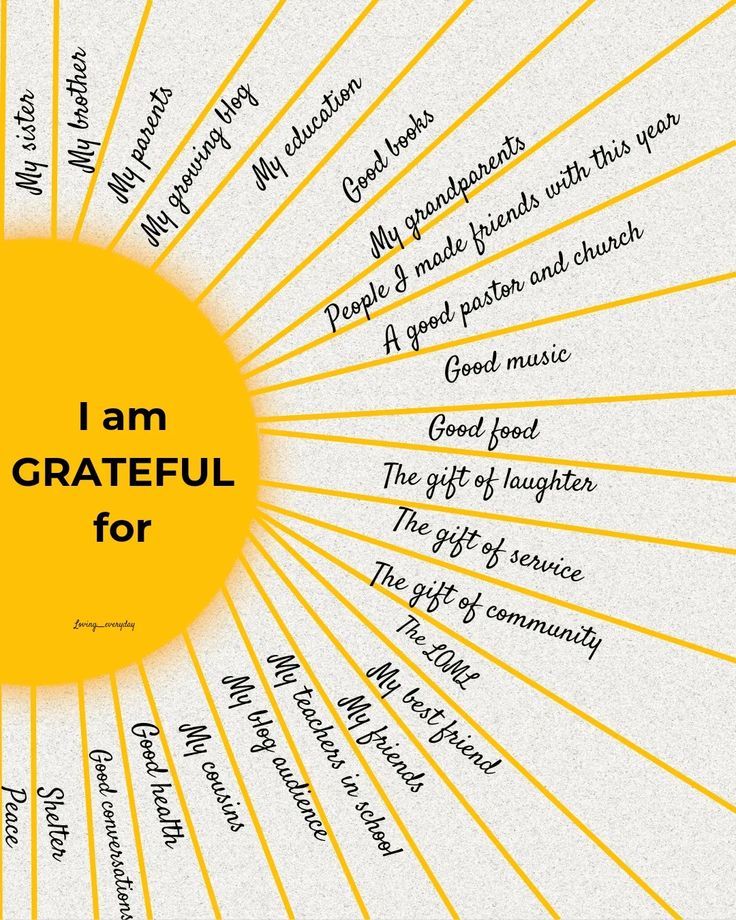
Attitude of Gratitude: The Spiritual Medicine for Conscious Living

Science explains the body. Spirituality explains life itself.


In today’s fast-moving world, stress, dissatisfaction, and illness are increasing despite scientific progress. The reason is simple—we have moved away from consciousness. Ayurveda and spirituality both teach us that true healing begins within.

This blog explores how gratitude, surrender, and spiritual awareness act as the most powerful medicine for the mind, body, and soul. The ultimate truth of life is not birth, but death. Death is the greatest Guru it reminds us that life is temporary, while consciousness is continuous. From birth to death, consciousness evolves in the present moment. Our future birth and destiny are determined by the level of consciousness we attain today.

Every being lives life, but only human beings live with awareness, because humans have the power to choose. The most important question is:

Can I consciously choose the direction of my life?

The River and the Ocean: A Lesson for Seekers

A river flows continuously toward the ocean. On its way, it faces rocks, walls, curves, and storms—but it never stops.

Eventually, the river merges into the ocean and becomes infinite.

In the same way, a spiritual seeker who continues forward with faith without fear of obstacles—ultimately reaches the Divine. Such seekers dissolve their ego and personal desires and experience Brahmanand (ultimate bliss).

Worldly pleasures fade before this divine joy. Only true seekers experience it.

Dedication: The Ornament of the Spiritual World

The greatest ornament of spirituality is dedication.


Many people abandon spiritual practice because their faith has shallow roots. When greed, lust, or attachment arises, their belief collapses.

But those whose faith is deeply rooted remain unshakeneven during the strongest inner storms. These brave hearts alone attain victory on the spiritual path.

Surrender: Dropping the Burden of Ego

Most people fail on the spiritual path because they carry a heavy basket filled with:

Ego

Expectations

Personal beliefs

Desires

True transformation begins when this basket is dropped.

Complete surrender means saying:

This life filled with anger, attachment, greed, and ignorance no longer satisfies me. I now choose divine consciousness.

Becoming the Flute of the Divine

After surrender, the seeker becomes like a flute at God’s feet.

The flute has no music of its own, yet divine music flows through it.

Similarly, the surrendered seeker becomes an instrument of the Divine—thinking, acting, and living in alignment with higher consciousness.

Complete surrender turns the seeker into blank paper:


No ego

No desires

No fixed beliefs


Only on such purity can divine wisdom be written. Until human will dissolves, divine will cannot descend.

Power of Manomaya Kosha (Mind Body)

In Ayurveda, disease often begins in the mind (Manomaya Kosha).

When surrender happens:

Thoughts calm down

Mental noise dissolves

Stress reduces naturally

Stress and happiness are mind-created states. A guided mind leads to health; an uncontrolled mind leads to disease.


Gratitude: The Highest Ayurvedic Medicine

At Dakshinamurthy Ayurveda Pvt. Ltd., we believe that gratitude is the most powerful natural medicine.

Importance of Gratitude in Daily Life

Practicing gratitude daily:

Reduces stress and anxiety

Improves sleep and digestion

Strengthens immunity

Balances emotions

Increases mental clarity


A grateful mind allows the body to heal naturally.

How Gratitude Heals Naturally

According to Ayurveda, imbalance starts in the mind before appearing in the body.

Gratitude works as a Rasayana (rejuvenation therapy) by:

Reducing excessive Rajas (restlessness)

Clearing Tamas (heaviness and ignorance)

Increasing Sattva (clarity and balance)


This creates the ideal internal environment for healing.


Gratitude-Based Healing at Dakshinamurthy Ayurveda

Our healing philosophy integrates:

Classical Ayurvedic wisdom

Herbal formulations

Lifestyle discipline

Mental balance

Daily gratitude practice


When medicine is supported by gratitude, healing becomes deeper and more sustainable.


Attitude of Gratitude

Gratitude is the bridge between spirituality and health.

Dedication is the ornament of spiritual life

Surrender is the gateway to transformation

Gratitude turns life itself into medicine


At Dakshinamurthy Ayurveda Pvt. Ltd., we guide individuals toward holistic healing—where body, mind, and soul move together toward balance, peace, and bliss.

अहं वैश्वानरो भूत्वा प्राणिनां देहमाश्रितः।

What’s the hardest decision you’ve ever had to make? Why?

Do We Really Know the Right Way to Eat?


The 8 Timeless Ayurvedic Rules Most People Break Every Day

We eat every day, yet very few of us truly understand how to eat.
Thousands of years ago, Maharshi Charaka explained the correct method of eating—simple, spiritual, and rooted in deep biological wisdom.
But today, almost 99% of people break the very first rule without even realizing it.

At Dakshinamurthy Ayurveda Pvt. Ltd., we believe that before any treatment begins, lifestyle and diet must align with nature.
Ayurveda teaches us that food is not just fuel—it is energy, consciousness, and medicine.

Let’s revisit the eight golden rules of eating, with the spiritual depth they deserve.

1. “Ushnam” — Eat Warm, Fresh Food

Warm, freshly prepared food carries prana, the subtle life force.
Reheated, frozen, or processed foods lose this vitality and become heavy for the body and dull for the mind.

Nature creates everything fresh—why should our meals be any different?


2. “Snigdham” — Include Healthy Oils (Ghee, Natural Fats)

Our body is made of seven tissues, and six of them require unctuousness to stay nourished.
A little ghee or natural oil supports digestion, skin health, mental calmness, and longevity.

But just like a lamp cannot burn without a strong flame, oil cannot digest without strong digestive fire.


3. “Matravat” — Eat the Right Quantity

Ayurveda says:

50% solid food

25% liquids

25% left empty


When you eat the right amount, the body feels light, steady, and alert—never sleepy or heavy.

Eating with awareness is an act of self-respect.


4. “Jīrne” — Eat Only After the Previous Meal Digests

When undigested and fresh food mix together, toxins (ama) are formed.
This leads to bloating, acidity, gas, and chronic metabolic issues.

Digestion is not just a process—it’s a sacred transformation turning food into consciousness.


5. “Deshe Deshe” — Eat in a Calm Environment

Food absorbs the energy around you.

Eating while scrolling your phone, watching TV, or in a stressful environment disturbs both the mind and the digestive system.

A peaceful space creates a peaceful stomach.


6. “Sarvopakaranayuktam” — Include All Six Tastes

Ayurveda teaches that every meal should include:

Sweet

Sour

Salty

Pungent

Bitter

Astringent


A balanced plate leads to a balanced mind.

At Dakshinamurthy Ayurveda Pvt. Ltd., we follow this ancient principle while creating authentic Ayurvedic formulations.


7. Neither Too Fast, Nor Too Slow

Eating too fast increases Vata and disrupts the natural rhythm of digestion.
Eating too slowly makes food cold and heavy.

Chewing 32 times brings sensory pleasure, mindfulness, and effortless digestion.
Your stomach doesn’t have teeth your mouth does.


8. Eat with a Quiet, Grateful Mind

“अजल्पं, अहसनं, तन्मना भुञ्जीत”


“Ajalpam, Ahāsanam, Tanmanā Bhunjīta”
Eat without talking, laughing, or distraction.

Food turns into your breath, your strength, your thoughts.
Honor it.
Bless it.
Be present with it.

This is not just eating this is a spiritual practice.

Ayurveda and the Bhagavad Gita are deeply intertwined they both describe the human being as a sacred meeting point of body, mind, and divine consciousness. The Gita reminds us that true healing begins within. In Chapter 15, Verse 14, Lord Krishna declares: “Aham Vaishvanaro Bhutva Praninam Deham Ashritah”

“I become the Vaishvanara fire within the bodies of all living beings, and with this digestive fire, I digest the four kinds of food.” Ayurveda calls this same force Jatharagni, the sacred digestive fire that governs health, vitality, and mental clarity. When this inner fire is strong, our body transforms food into energy and consciousness; when it weakens, disease takes root. The Gita also teaches principles that mirror Ayurvedic wisdom moderation in food, steadiness of mind, and the discipline of sattvic living. Together, they show that eating is not just a physical act but a spiritual one, where the divine fire within meets the nourishment provided by nature.


Why Dakshinamurthy Ayurveda Believes in These Ancient Rules

At Dakshinamurthy Ayurveda Pvt. Ltd., we don’t just make Ayurvedic products
we carry forward a lineage of healing where food is the first medicine and lifestyle is the real treatment.

Whether it’s our authentic herbal formulations or our health-focused content, our mission is simple:

Bring ancient Ayurvedic wisdom back into modern life pure, practical, and powerful.

When you eat right, nature becomes your healer.

अन्नाद् भवन्ति भूतानि !

🌿 Food, Ayurveda, and Human Existence — A Deeper Understanding


Among the basic necessities of human life  food, clothing, and shelter food holds the highest importance. Our body is formed from the five great elements: Earth, Water, Fire, Air, and Space. Since the human body contains a higher proportion of Earth and Water elements, a continuous supply of food and water is essential for survival.

On subtler planes of existence, certain beings possess bodies dominated by the Air element, while divine personalities like Lord Dattatreya are described as having bodies composed primarily of the Space element — enabling them to remain beyond form, beyond attributes, and capable of holding supreme cosmic energy.

🍃 Ayurveda’s Vision: Food is Medicine, Medicine is Food


Ayurveda offers a profound perspective — it does not draw a rigid line between food and medicine.

Wholesome food acts like medicine, and suitable medicine integrates into the body like food when chosen according to one’s constitution.

This is why Ayurveda emphasizes:
👉 Plan your diet consciously.

Today, however, most people chase new flavors and trendy dishes every single day without considering:

Is this food compatible with my body type?

Does it nourish me or harm me?

Does it balance my doshas or disturb them?


Enjoying global cuisines is not wrong, but before eating anything, one must ask:

👉 Will this support my body?
👉 Is this appropriate for my digestion and constitution?

Momentary taste can give instant pleasure, but the impact on health is long-lasting.


📜 Vedas and Ayurveda: Timeless Guidance

From birth to death — from living to merging back into the five elements — the Vedas offer deep insight into every stage of life. This also includes clear guidance about food, digestion, health, and wellness.

The Ayurvedic texts describe:

The nature of each food item

Its inherent qualities

Its impact on the seven body tissues (sapta dhatus)

How it influences vata, pitta, and kapha


Along with this, individual constitution, seasons, age, and health conditions are also considered before recommending diet.

Ayurveda’s dietary principles are universal, timeless, and not restricted to any specific region or cuisine. And even after thousands of years, they remain valid without needing any correction.


🍲 The Science Behind Cooking: Tradition Rooted in Logic

Household traditions are not mere habits; they are rooted in deep science. Examples include:

Using cumin with ghee for mung dal, and mustard with oil for other lentils

Adding turmeric to purify oil or ghee

Cooking in traditional pots instead of pressure cookers for better digestibility

Dry roasting wheat or rice in ghee before cooking for the sick


These simple, age-old practices ensure that food becomes lighter, more nourishing, and easier to digest.

But today, excessive dependence on packaged food, ready-to-eat meals, and frequent food deliveries has disturbed this balance — making it difficult to maintain long-term health.


📚 What Charaka Samhita Says

Chikitsa Sthana, Chapter 1:
“Sarve sharira-doshāh bhavanti grāmyāhārāt.”
All bodily disorders arise from improper, urbanized, convenience-based food habits.

Grāmya-āhāra includes:

Excessively spicy, sour, salty foods

Dried or preserved foods

Food made from refined flours

Sprouted grains

Stale food

Immature grains and pulses

Excessively drying (ruksha) items

Foods high in salts or additives


Regardless of body type, these foods should be minimized or avoided for better health.

🌱 “Ātmānam Abhisamīkṣya Bhuñjīta” — Eat According to Your Constitution


Ayurveda gives one golden rule of diet:
“Understand yourself before you eat.”

Every individual has a unique constitution (prakriti).
What suits one may not suit another.

For example:

Some digest cold foods well, some require warm foods

Some thrive on dairy, while others cannot tolerate it

Thus, consulting an Ayurvedic physician even once to understand one’s constitution can transform long-term health.

Ayurveda Is Not Alternative Medicine — It Is Original Creation.

What’s the first impression you want to give people?

🌿 The Science of Today… The Wisdom of Our Rishis:


What Ayurveda Knew Thousands of Years Ago

At Dakshinamurthy Ayurveda Pvt. Ltd., we believe health is not discovered in labs — it is remembered in silence.

Long before modern research, long before machines and microscopes, the Rishis of Bharat sat in meditation, listening to the rhythms of the universe.

What science is discovering now…
Ayurveda knew millennia ago.

Let’s return to that ancient remembrance.
Let’s walk the path home. 🌱


1. Gut–Brain Connection: Agni Controls Everything

Modern science now says:

Gut microbes influence emotions, memory, mood, even decisions.


Ayurveda said this thousands of years ago:

“Rogāḥ sarve api mandāgnau”
All diseases begin with impaired digestion.
— Charaka Saṁhitā

Your gut fire — Agni — is not just digestion.
It is consciousness, clarity, and immunity.

At Dakshinamurthy Ayurveda, every formulation begins with one principle:
Kindle Agni, and health returns.

2. Biological Clock = Dinacharya & RitucharyaScience now proves:


Hormones, sleep cycles, emotions, immunity — follow a circadian rhythm.


Ayurveda said:

Wake before sunrise

Eat with the sun

Sleep by 10 pm

Live in alignment with nature


Timing is medicine.
And nature is the doctor.


3. Personalized Medicine = Prakṛti

Research now says:

Each body is unique.

Personalized treatment is essential.


Ayurveda said:

Your healing begins with understanding your Prakṛti —

Vāta

Pitta

Kapha


The Rishis created the world’s first personalized healthcare system… without a single lab.

4. Immunity Lives in the Gut = Ojas

Science now says:


90% of immunity originates in the gut.


Ayurveda said:

Ojas is the essence of your vitality.
Created through:

Proper digestion

Proper living

Proper thinking


Where there is Ojas, disease cannot enter.

Our products at Dakshinamurthy Ayurveda are prepared to build Ojas naturally.

5. Emotions Create Disease


Stress causes heart disease

Anxiety damages digestion

Trauma weakens immunity


Ayurveda said:

Shoka, krodha, bhaya…
Emotions disturb the doshas and create disease.


Healing is not only physical.
Healing is emotional, mental, and spiritual.


Adaptogens Work — Rasāyanas

Herbs like:

Ashwagandha

Brahmi

Turmeric


are now scientifically proven to reduce stress, improve cognition, fight inflammation, and prevent disease.

Ayurveda classified them as Rasāyana — divine rejuvenators — thousands of years ago.

At Dakshinamurthy Ayurveda, every herb is respected as a sacred entity, not a commodity.

Early Diagnosis — Through Tongue & Pulse

Science says:

Early disease markers appear subtly in the body.


Ayurveda has always diagnosed through:

Tongue

Eyes

Nails

Pulse

Voice


The body whispers before it screams.
Ayurveda knows how to listen.


Breathwork Heals the Nervous System

Neuroscience says:

Breath controls brain states.


Yoga + Ayurveda said:

Prāṇāyāma controls Prāṇa.
Prāṇa controls the mind.

Where breath flows, life flows.


Mind–Body Unity

Science now accepts:

The mind and body are inseparable.


Ayurveda always said:

The body, mind, and soul are three legs of one tripod.
Disturb one — all suffer.

Heal one — all rise.


Prevention Is the Real Medicine

Modern healthcare is realizing:

Lifestyle diseases cannot be solved with pills.

Prevention is the only sustainable path.


Ayurveda says:

Swasthasya swāsthyarakṣaṇam”
Preserve the health of the healthy.


medicine begins before disease arrives.

Ojas, Tejas, Prāṇa — The Subtle Energies That Keep You Alive

Ayurveda goes deeper than biology.
It speaks of the subtle energies behind life:

🔸 Prāṇa – The Vital Force

Energy that moves your breath, nerves, senses, and mind.

🔸 Tejas – The Inner Fire

The fire of digestion, intellect, perception, and transformation.

🔸 Ojas – The Essence of Life

Your immunity, stability, glow, and deep vitality.

When these three are balanced, you rise in physical health, mental clarity, and spiritual peace.

At Dakshinamurthy Ayurveda, every formula — including our Sudarshan Lepam — is developed to support this deep inner harmony.


Why This Matters Today

Ayurveda is not “alternative.”
It is original human wisdom.

Modern science is not contradicting Ayurveda —
it is finally catching up.

At Dakshinamurthy Ayurveda Pvt. Ltd., our mission is to bring these ancient truths back into daily living:

Through authentic Ayurvedic formulations

Through time-tested healing processes

Through spiritual wisdom

Through the legacy of our Vaidya lineage


This is not just healthcare.
This is Dharma — a sacred responsibility.


A Closing Message from Dakshinamurthy Ayurveda

You are not just a body.
You are a universe in motion —
guided by Prāṇa, refined by Tejas, protected by Ojas.

Nurture them.
Protect them.
Live in awareness of them.

Because when the subtle energies are aligned…
health is effortless,
mind is peaceful,
and life becomes divine.

🌿 Dakshinamurthy Ayurveda Pvt. Ltd.
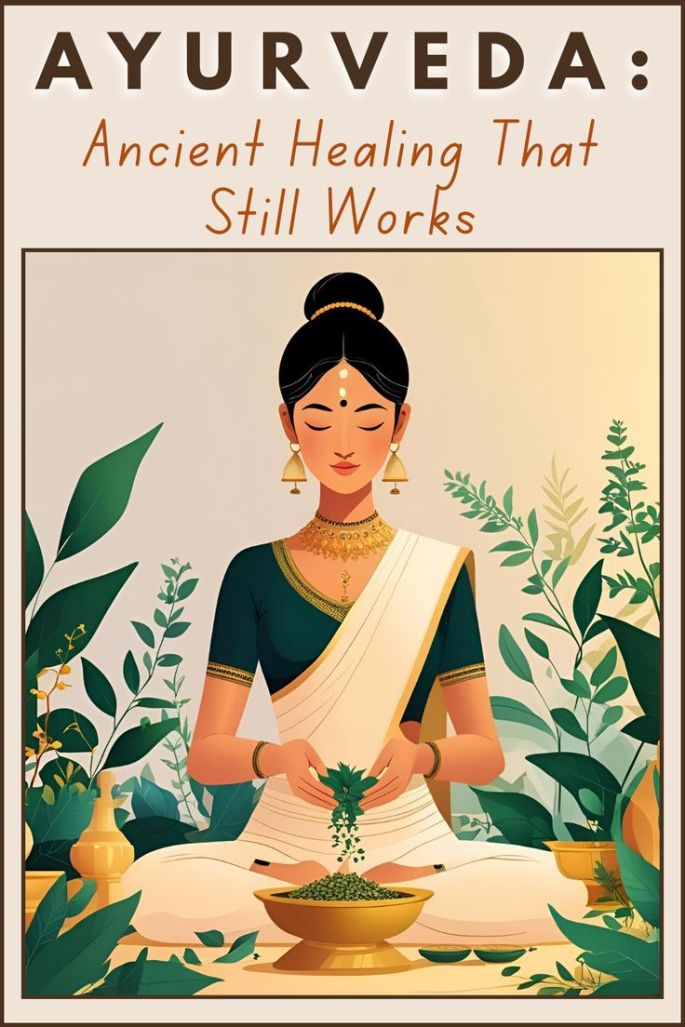
Healing the body. Illuminating the mind. Awakening the soul.

From Discipline to Liberation: The Ashtanga Yog.

What podcasts are you listening to?

The Practice of Ashtanga Yoga: A Path for New Seekers.

Ashtanga Yoga is one of the most supportive and accessible spiritual paths for beginners stepping into the journey of inner growth. At Dakshinamurthy Ayurveda Pvt. Ltd., we believe that true wellness begins where body, mind, and spirit find harmony. The eight-limbed path of yoga, also known as Raj Yoga, offers exactly that alignment.

The eight limbs are Yama, Niyama, Asana, Pranayama, Pratyahara, Dharana, Dhyana, and Samadhi. Each one guides the seeker from outer discipline into deep inner awakening.

Yama: The First Limb

Yama consists of five universal principles:

Nonviolence (Ahimsa)
Avoiding harm through thoughts, words, and actions. A heart seeking divine love naturally becomes gentle.

Truth (Satya)
Choosing speech that uplifts and avoiding falsehood.

Non-Stealing (Asteya)
Letting go of the urge to take what isn’t ours.

Celibacy (Brahmacharya)
Turning energy inward and avoiding distractions that cloud the mind.

Non-Possessiveness (Aparigraha)
Releasing greed and unnecessary accumulation.

Niyama: The Second Limb

Niyama includes five inner disciplines:

Purity (Shaucha)
Cleanliness on the outside through bathing and sattvic food, and cleanliness within through kindness, compassion, joy, and gratitude.

Contentment (Santosha)
Finding satisfaction in what comes through sincere effort.

Austerity (Tapas)
Building resilience by accepting physical or environmental challenges with steadiness.

Self-Study (Swadhyaya)
Observing one’s own actions, reflecting on patterns, and studying spiritual teachings.

Surrender to God (Ishvarapranidhana)
Trusting the divine with devotion and sincerity.

Asana: The Third Limb

Asanas are steady, comfortable postures that calm both body and mind. Padmasana, Sukhasana, Siddhasana, or Swastikasana help prepare the seeker for deeper inner practices.

Pranayama: The Fourth Limb

Pranayama is the conscious regulation of breath. It strengthens life force, reduces mental instability, and nurtures clarity.

Pratyahara: The Fifth Limb

Pratyahara means withdrawing the senses from external objects so that the inner world becomes more accessible and stable.

Dharana: The Sixth Limb

Dharana is the act of holding the mind steadily on a single point or idea, creating the foundation for meditation.

Dhyana: The Seventh Limb

When concentration becomes deep, effortless, and continuous, it turns into meditation, a flow of pure awareness.

Samadhi: The Eighth Limb

Samadhi is complete absorption in consciousness. The sense of “I” dissolves, leaving only pure awareness. In this state, compassion, love, and true wisdom begin to rise naturally in the heart.

At Dakshinamurthy Ayurveda Pvt. Ltd., we believe that even bringing a small part of this eight-limbed path into daily life can open the door to transformation. Ashtanga Yoga is not just ancient wisdom; it is a living guide for modern wellness, balance, and inner peace.

Dakshinamurthy Ayurveda Pvt. Ltd.
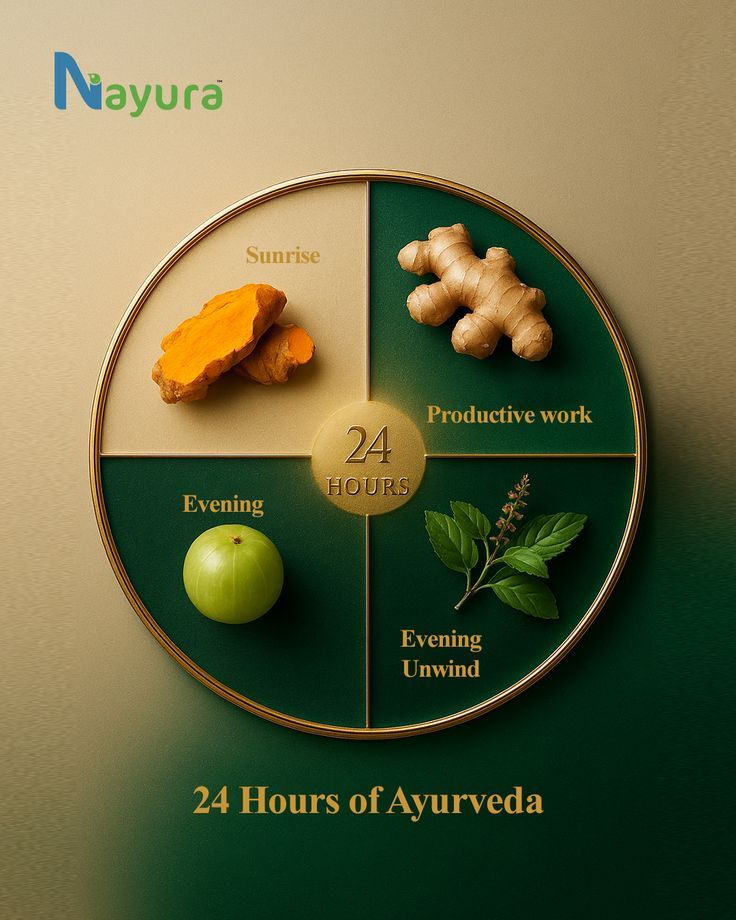

Dakshinamurthy Ayurveda Pvt. Ltd. is committed to reviving India’s ancient healing traditions through authentic, effective, and accessible Ayurvedic solutions. Rooted in purity and guided by the principles of holistic wellness, we craft products and experiences that honor both nature and inner wellbeing. Our mission is to support every individual on their journey toward physical balance, mental clarity, and spiritual growth.
Experience the deepest state of meditation.

What historical event fascinates you the most?

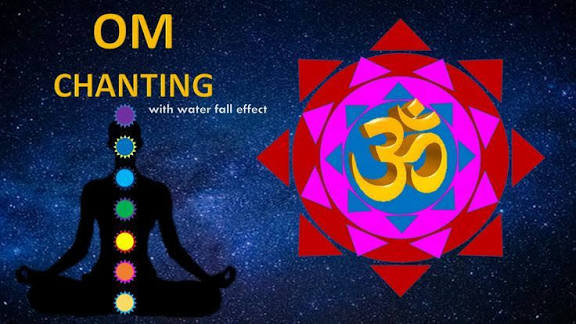
The Cosmic Sound of Healing and Consciousness

Long before telescopes, microphones, or brain scans, the Vedas declared that sound is the foundation of creation. That primordial vibration the sound that began it all  is ॐ (Oṃ). Modern science now recognizes that the universe itself vibrates. From the smallest atom to the largest galaxy, everything is in motion — everything hums with energy.
The sages of India heard this cosmic hum thousands of years ago and called it “Oṃ”  the sound of the universe.


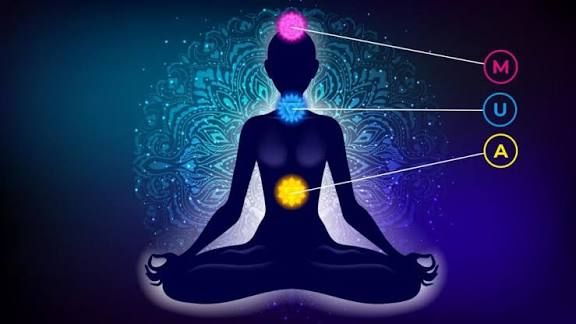
The Three Sounds — AA, UU, and MMAA

When we chant Oṃ slowly and consciously, it unfolds in three parts:

Sound Pronunciation Symbolic Meaning Physical Resonance

AA (अ) As in “father” (Waking state)
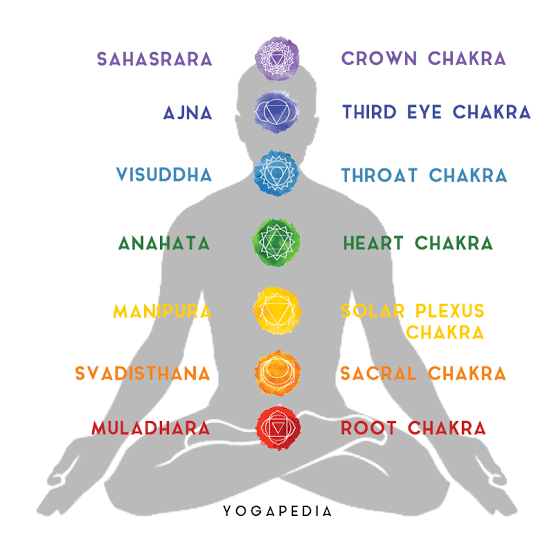
material world, body consciousness Vibrates in navel and chest — activates lower chakras

UU (उ) As in “put” (Dream state)
inner world, mental awareness Vibrates in throat and heart — harmonizes the middle chakras

MMAA (म्) As in “hum” (closed lips)
Deep sleep state — merging into silence Vibrates in head and crown — awakens higher centers


When the sound fades into silence, that silence is called “Turiya” — the fourth state, pure consciousness beyond sound.

The Science Behind Oṃ


🧠 1. Brain Synchronization and Calm

Modern neuroscience confirms that chanting Oṃ produces measurable changes in the brain:

fMRI and EEG studies (IIT Delhi, 2018; Frontiers in Human Neuroscience, 2011) show that Oṃ chanting deactivates the amygdala — the brain’s fear center.
→ This reduces stress, anxiety, and anger.

Oṃ increases alpha and theta brain waves, which induce deep relaxation, creativity, and meditation.

The vibration stimulates the vagus nerve, activating the parasympathetic system, the body’s natural “rest and heal” mode. In essence, Oṃ acts like a natural neural reset button.


💓 2. Heart and Breath Coherence

When you chant Oṃ, your breathing slows to about 6 breaths per minute —
the body’s resonant frequency for maximum oxygen efficiency.

Heart rate, blood pressure, and respiration become synchronized — a state known as cardiorespiratory coherence.

The result: calm mind, balanced emotions, and improved immunity.

3. Cellular Healing and Vibration

Recent studies in sonocytology show that each cell emits sound frequencies.
When exposed to rhythmic vibrations like Oṃ, these micro-oscillations come into harmonious alignment —
restoring cellular balance and promoting self-repair.

In Ayurveda, this state is called Sattva — the natural harmony of body and mind.


🌠 4. Frequency of the Cosmos

The tone of Oṃ (≈ 136.1 Hz) corresponds to the frequency of Earth’s orbit around the Sun —
known as the “AUM tone” in Indian classical music (Sa note).

Chanting Oṃ therefore synchronizes your body’s vibration with the planet’s resonance —
aligning you with the cosmic rhythm of nature.


🔮 5. The Pineal Gland and Inner Light

The humming “M” sound creates vibration in the skull, gently stimulating the pineal gland, the ancient “third eye.”
This gland regulates melatonin, the hormone that governs sleep, biological rhythm, and intuition.
Regular Oṃ chanting enhances clarity, emotional stability, and inner luminosity.

⚛️ The Quantum Connection

Physics tells us that the universe emerged from a primordial vibration — the Big Bang.
The Upanishads said the same:

“From Oṃ the universe expands, by Oṃ it exists, and into Oṃ it dissolves.”
This means Oṃ is not just a sound — it is the blueprint of existence itself. Every particle, every heartbeat, every breath carries that same sacred rhythm.


OM — The Supreme Name of the Divine

OM (AUM) is not merely a sound — it is the essence of the entire universe.
This sacred syllable is the vibration through which the Vedas, Upanishads, and Bhagavad Gita revealed the highest truth of existence.
The chanting, remembrance, and meditation of OM purify the soul, stabilize the mind, and sharpen the power of memory.


🌸 OM in the Vedas

Every Vedic mantra begins and ends with OM.
The Manusmriti (2/74) declares that a Brahmachari (spiritual student) should begin and conclude his study with OM, for:

If OM is not uttered at the beginning, learning gradually fades away,
and if not uttered at the end, it does not remain stable.Thus, OM is both the seed and the seal of divine knowledge.


🔺 Nachiketa’s Question in the Kathopp Upanishad

The Kathopp  Upanishad narrates how Nachiketa, the young seeker, asked Yama, the Lord of Death:

“O Revered One, tell me — what is the most essential truth in this universe?”

Yama replied:

> “That sacred name which the Vedas glorify,
which ascetics uphold through celibacy and discipline,
that supreme name is OM — the highest name of the Divine.”


He further said:

“OM is indeed Brahman itself.
Whoever realizes this sacred syllable,
all their noble desires are fulfilled.”

— Kathopp Upanishad 2/16

The Path of OM in the Yajurveda

The Path of OM in the Yajurveda

The Yajurveda proclaims:

“There is no path to conquer death and attain liberation
other than the path of OM.”
This makes it clear — OM is not just a spiritual practice,
it is the gateway to moksha (liberation).


The Vision of the Rigveda

The Rigveda (6/45/26) beautifully expresses:

“O Divine Lord! Your friendship is eternal and unbreakable.
You are the giver of cows to the one who desires cows,
and horses to the one who desires horses.”

to the one who meditates upon OM,
all rightful desires and needs are fulfilled in due harmony.


🔆 OM Meditation in the Prashna Upanishad

Sage Pippalāda reveals:

“He who constantly meditates on the Supreme Being
through the threefold sound of OM
becomes radiant like the sun.”

— Prashna Upanishad 5/5


✨ The Chhandogya Upanishad’s Vision

Even the Devas (celestial beings) attained immortality through OM:

“Those who took refuge in the imperishable, fearless sound of OM
themselves became immortal and fearless.”

— Chhandogya Upanishad 2/4/4


Lord Krishna’s Teaching in the Bhagavad Gita

In the Bhagavad Gita, Lord Krishna tells Arjuna:

“He who, at the time of death,
remembers the one-syllabled Brahman
OM attains the supreme state of liberation.”

— Bhagavad Gita 8/13


🌺 The Mundaka Upanishad on OM

“Through the chanting of OM,
the knots of the heart are loosened,
all doubts are destroyed,
and all karmas are dissolved.

— Mundaka Upanishad 2/28


🌕 OM — The Eternal Among the Ephemeral

The Katha Upanishad (5/13) declares:

“OM is the eternal among the transient,
the One among the many.
It fulfills the highest desires of those
who perceive it within their own soul.
Only such wise ones attain supreme peace.”


⚛️ OM — The Primordial Cause

In the Yajurveda (40/8) it is said:

“This OM is eternal, all-pervading, subtle, and imperishable. It is the cause of all living beings.
It has no body, no lineage, no organs.
It is pure, stainless, self-existent, and its own master.”

Om as a medicine


“Oṃ”  heals by resonance, not reaction.
It doesn’t fight disease — it restores harmony.


Unlike external medicines that act chemically,
Oṃ heals energetically — through vibration, coherence, and awareness.

Just a few minutes of chanting daily can:

1. Reduce stress and anxiety

2. Improve concentration and memory

3. Balance hormonal activity

4. Enhance emotional well-being

5. Deepen spiritual awareness


A.  How to Practice Oṃ Meditation

1. Sit comfortably with your spine straight.


2. Take a deep breath.


3. Inhale gently and exhale chanting Aaaa…Uuuu…Mmmm… slowly.


4. Feel the vibration rising from navel → chest → head.


5. After “M,” rest in silence for a few seconds — that is Turiya, the space of pure consciousness.


6. Repeat 9–21 times.


Oṃ is not a religion  it is pure vibration, the sound of life itself. It unites the physical, mental, and spiritual dimensions of being into a single, harmonious resonance. Chanting Oṃ is not about sound — it is about becoming the silence from which all sound arises. Through Oṃ, the ancient rishis offered us not just a mantra, but a cosmic medicine
one that heals the body, steadies the mind, and awakens the soul. “In every heartbeat, in every breath the universe whispers Oṃ.”

The Scientific Mystery of Havan — When Fire Purifies the Air


By Spirituality is Beyond Science | Dakshinamurthy Ayurveda Pvt. Ltd.
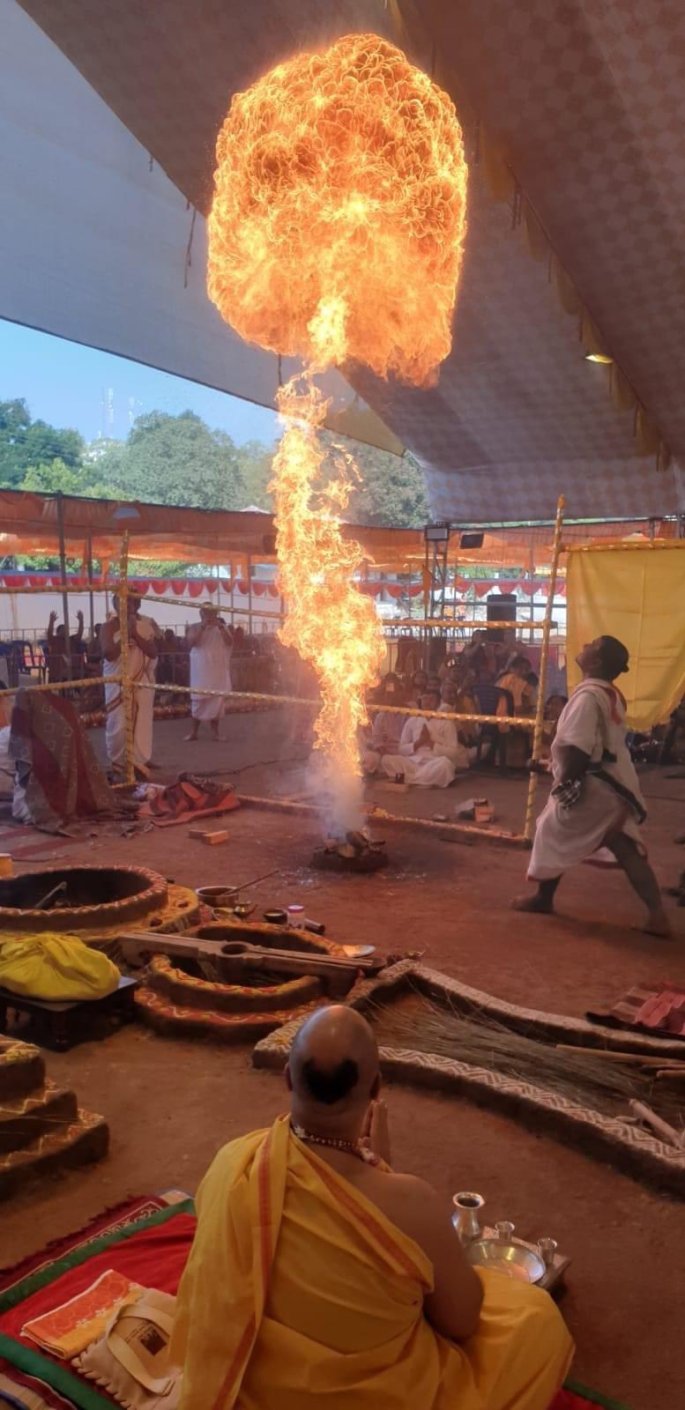
Since ancient times, Havan or Yagna has been regarded as a sacred ritual to purify the environment and elevate human consciousness. What was once understood only through spiritual wisdom is now being rediscovered by modern science.

A French scientist named Trelle conducted deep research on the Havan process. He discovered that the ritual primarily uses mango wood, and when mango wood burns, it releases a gas called Formic Aldehyde — a natural compound that destroys harmful bacteria and purifies the air.
Interestingly, this same gas is also produced when jaggery (gur) is burned.

Another researcher, Tautik, studied the effects of Havan smoke on health and found that sitting near the fire or being exposed to its smoke for just 30 minutes can kill bacteria that cause dangerous diseases like Typhoid, thus cleansing and strengthening the body naturally.

Recognizing the spiritual and ecological importance of Havan, scientists from the National Botanical Research Institute (Lucknow, India) conducted their own controlled experiments.
They wanted to verify — does Havan really purify the atmosphere and destroy microbes?

Their findings were remarkable.
Burning 1 kg of mango wood alone caused minimal change, but when combined with half a kilogram of traditional Havan samagri, the bacterial count in the air dropped by 94% within one hour.

Even more surprising, when the room was ventilated and all smoke cleared, the air remained 96% cleaner even after 24 hours.
Repeated tests showed that the purifying effect lasted for nearly 30 days, keeping microbial levels significantly lower than normal.

These groundbreaking results were published in the Research Journal of Ethnopharmacology (December 2007).
The study concluded that Havan not only purifies human surroundings but also destroys harmful microbes that affect plants and crops — reducing the need for chemical fertilizers and supporting ecological balance.

At Dakshinamurthy Ayurveda Pvt. Ltd., we see this as a powerful union of spiritual tradition and scientific truth.
Havan is more than a ritual — it’s an ancient environmental therapy, a bridge between human consciousness and nature’s healing power.

Because in the end, Spirituality is Beyond Science.


Share this article to help others rediscover the healing science of our sacred traditions.

“गतिस्त्वं गतिस्त्वं त्वमेका भवानी।”

Tell us about a time when you felt out of place.

When Shankaracharya Discovered the Power of Shakti

Adi Shankaracharya is known as the master of Advaita Vedanta. But there’s a story from his life that shows us true wisdom is only complete when it embraces Shakti, the divine energy.

During his travels in Kashmir, Shankaracharya set out to refute the Shakta tradition. But soon his health broke down. With no strength left, he lay beneath a tree. At that moment, a cowherd woman passed by, carrying a pot of curd.

Thirsty and weak, Shankaracharya asked her for some curd. She replied:
“Come and take it yourself.”

He answered:
“I have no strength left to walk to you.”

Smiling, the woman said:
“Without Shakti, you cannot even move a single step. And yet you came here to deny Her?”

In that instant, Shankaracharya realized that this was not an ordinary woman—it was the Divine Mother Herself. His pride melted away, and with deep devotion he cried:
“Gatistvam gatistvam tvameka Bhavani”
(“O Mother, You alone are my refuge, my only path.”)

From this moment came the beautiful hymn Bhavani Ashtakam.

Shiva and Shakti are not separate.

Shiva is stillness; Shakti is movement.

The sun is nothing without its rays; the moon is nothing without its light.

Shiva is incomplete without Shakti.


This is the essence of Advaita—the oneness of Shiva and Shakti.

Vishnu Sahasranamam: A Divine Blend of Spirituality and Science

What personality trait in people raises a red flag with you?

How spirituality Raises pain barrier ??

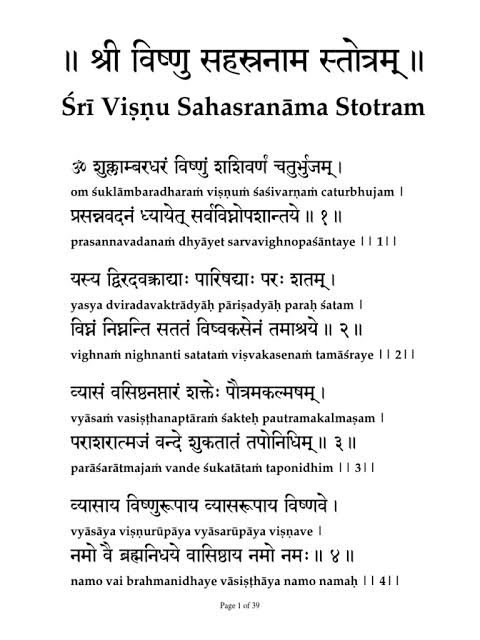
The Vishnu Sahasranamam contains 1,000 names of Lord Vishnu, describing His infinite forms, qualities, and cosmic functions.
Each name carries deep philosophical and spiritual meaning.

Traditionally, it is recited in the morning or evening for maximum benefit.

Opening Meditation Verse.

Before beginning the recitation, this shloka is chanted to meditate upon Lord Vishnu:


Shantaakaaram Bhujagashayanam Padmanaabham Suresham
Vishvaadhaaram Gaganasadrisham Meghavarnam Shubhaangam ||
Lakshmikaantam Kamalanayanam Yogibhirdhyaanagamyam
Vande Vishnum Bhavabhayaharam Sarvalokaikanatham ||

The Scientific Importance of Vishnu Sahasranamam

1. Sound & Vibrations :
Every syllable in Sanskrit produces a unique vibration. Continuous chanting of these thousand names creates healing frequencies that affect the mind and body. Studies show chanting activates Alpha & Theta brain waves, linked to deep relaxation and meditation.


2. Mental Health :
Regular recitation reduces Cortisol (stress hormone), eases anxiety, and brings emotional stability—working like powerful positive affirmations for the subconscious mind.


3. Heart & Breathing :
The rhythmic pace of chanting regulates breathing, calms the heartbeat, and stabilizes blood pressure, improving cardiovascular health.


4. Neuroscience & Memory :
Chanting engages both hemispheres of the brain—left (logic) and right (creativity). This improves memory, focus, and learning abilities.


5. Collective Chanting Effect :
When chanted in a group, it creates a field of resonance energy. This positive vibration uplifts the environment, promoting unity, harmony, and peace.

Vishnu Sahasranamam : Mantra for Complete Healing

Sanskrit mantras harmonize the body, mind, and soul. One of the most powerful is the Mahamrityunjaya Mantra:

Om|| Tryambakam Yajaamahe Sugandhim Pushtivardhanam
Urvaarukamiva Bandhanaan Mrityor Mukshiya Maamritaat ||

This mantra resonates with healing frequencies, boosting immunity, calming the nervous system, and accelerating physical and emotional recovery.


🧠 Today’s Challenge: Mental Health 🧠

In today’s fast-paced digital world, the biggest challenge is stress, anxiety, and digital overload.

✅ Just 10 minutes of Vishnu Sahasranamam chanting daily brings calmness, focus, and positive energy.


💪 Upcoming Challenge: Health Issues 💪

Modern lifestyles give rise to chronic health issues like:

Lifestyle Disorders: BP, Diabetes, Obesity

Sleep Problems: Insomnia, stress-induced restlessness

Low Immunity: Frequent infections, fatigue
A blend of Ayurveda, chanting, and meditation can prevent and heal these issues effectively.

The Impact of Spirituality

Spirituality is not just ritual—it’s a bridge between psychology and neuroscience.

✨ Benefits of spiritual practice:

Increases mindfulness and awareness

Strengthens emotional balance

Enhances harmony in relationships

Accelerates natural healing and immunity

The Vishnu Sahasranamam is not only a sacred hymn—it is a perfect synergy of Sound Therapy, Meditation, Neuroscience, and Ayurveda.
Incorporating it into daily life leads to mental clarity, emotional stability, physical wellness, and spiritual growth.

Cosmic Medicine & Mantra Healing: The Science of Inner Transformation


What is Cosmic Medicine?

Cosmic Medicine is the ancient wisdom that recognizes the universe (cosmos) and the human body as reflections of each other.
Just like the cosmos is made of vibrations, energies, and elements, the human body is also composed of the same five elements (Panchamahabhutas – Earth, Water, Fire, Air, and Space).

When the body and mind fall out of harmony, diseases arise.

Mantras act as cosmic codes that realign us with universal vibrations, restoring health and balance.


In simple terms: Cosmic Medicine = Healing through universal energy + sound vibrations + consciousness.


How Do Mantras Heal Every Organ of the Body?

Mantras are not just words—they are vibrational frequencies. When chanted with devotion and rhythm, each syllable resonates with specific parts of the body.

✨ Mechanism of Mantra Healing ✨

1. Vibration Resonance

Every organ has a natural frequency.

Mantra vibrations entrain (synchronize) these frequencies, helping restore balance.


2. Nervous System Activation

Chanting stimulates the vagus nerve, regulating heartbeat, breath, digestion, and emotional balance.


3. Hormonal Balance

Mantras calm the hypothalamus and pituitary glands, reducing stress hormones and promoting healing hormones like oxytocin, melatonin, and serotonin.


4. Cellular Healing

Modern research shows sound waves can influence DNA repair and cellular regeneration. Sanskrit mantras work as “sonic medicine.”


Impact of Chanting on the Body

1. Brain 🧠 – Activates alpha and theta waves → peace, creativity, deep focus.


2. Heart ❤️ – Regulates heartbeat, blood pressure, strengthens cardiovascular health.


3. Lungs 🌬️ – Deep rhythmic chanting improves lung capacity and oxygen supply.


4. Digestive System 🔥 – Activates the parasympathetic nervous system → better digestion.


5. Immune System 🛡️ – Reduces inflammation, strengthens natural immunity.


6. Emotional Body 🌸 – Releases fear, anxiety, anger → replaces with positivity and compassion

Daily Routine for Spiritual Practice (Practical Solution)


Here’s a balanced daily routine that integrates cosmic medicine, mantra healing, and spiritual discipline:

🌅 Morning (Start the Day with Light & Energy)

1. Wake up during Brahma Muhurta (4–6 am) – best time for meditation.


2. Hydrate – drink warm water with lemon or tulsi.


3. Mantra Practice:

Gayatri Mantra for clarity & energy.

Om chanting (11 or 21 times) for cosmic alignment.


4. Yoga & Pranayama – 20 minutes for breath, balance, and energy.


🕛 Midday (Balance Work & Life)

1. Eat Sattvic food – light, nourishing meals.


2. 5-minute mindful breathing or chanting “So-Ham” mantra during break.


3. Gratitude pause – mentally repeat “Thank You” for 3 things.


🌇 Evening (Transition from Work to Inner Peace)

1. Sunset Meditation – light a lamp, chant Vishnu Sahasranamam or Mahamrityunjaya Mantra.


2. Family Prayer/Chanting – collective vibration strengthens harmony at home.


🌙 Night (Healing & Deep Rest)

1. Light chanting of Om Shanti Shanti Shanti before bed.


2. Silent meditation (5 minutes) focusing on breath.


3. Sleep early for natural circadian rhythm.


Cosmic Medicine teaches that the body is healed when it vibrates in harmony with the universe.

Mantras act as vibrational tools that heal every organ, regulate the nervous system, and strengthen immunity.

A daily spiritual routine of chanting, meditation, and mindful living is the ultimate preventive and curative medicine—balancing body, mind, and soul.