Cervical pain — often caused by spinal issues in the neck region — is a growing problem in today’s digital lifestyle. Long hours in front of screens, poor posture, and stress can all lead to stiffness, radiating pain, and muscle spasms. If left untreated, it can affect your sleep, posture, and overall well-being.
But the good news? Ayurveda offers a time-tested, natural solution through herbal treatments like Sudarshan Lepam.
Understanding Cervical Spine Pain: A Gradual Progression
Cervical spondylosis or neck pain isn’t something that happens overnight. It builds up slowly — often silently — until it starts interfering with daily life.
Cervical Pain Progression (Untreated)
Stage Symptoms :
Initial Discomfort Mild stiffness, occasional aches Muscle Spasm Tightness in neck muscles Reduced Flexibility Trouble turning head side-to-side Radiating Pain traveling to shoulder/arms Numbness & Tingling Nerve compression, loss of sensation Daily Disruption Fatigue, poor posture, sleep problems If not managed early, this can lead to chronic pain, disc degeneration, and nerve issues.
Enter Ayurveda: Holistic Healing with Sudarshan Lepam
Ayurveda sees cervical pain as an imbalance of Vata dosha, causing dryness, degeneration, and stiffness in the spine. Sudarshan Lepam, a powerful herbal preparation, works by correcting this imbalance at the root level.
🔍 How Sudarshan Lepam Helps:
✅ 1. Reduces Inflammation
Ingredients like Nirgundi (Vitex negundo) and Moringa oleifera act as natural anti-inflammatory agents that reduce swelling in the neck area. And provide proper solution for bone health.
✅ 2. Eases Muscle Spasms
With its warm-penetrating nature, Sudarshan Lepam calms muscle tension and supports relaxed movement.
✅ 3. Enhances Blood Flow
The sudarshan lepam divine hearbs helps stimulate circulation to the cervical area, speeding up tissue repair and reducing stiffness.
✅ 4. Nourishes Cervical Joints
When you prepare this Sudarshan Lepam and apply it where there is pain, then we get its gel base ointment ready, which removes the problem related to the bone and swelling and stiffness. application goes deep into the tissues, nourishing the vertebrae and preventing further wear and tear.
✅ 5. Safe & Natural
Unlike painkillers or steroids, Sudarshan Lepam is completely herbal, non-toxic, and suitable for long-term use.
How to Use Sudarshan Lepam for Cervical PainNature’s answer to pain-free living.
Step 1: Clean the affected area.
Step 2:Take Sudarshan Lepam as per the need and make a solution in the lite warm water and apply it in the place where there is pain
Step 3:Apply a thin layer of Sudarshan Lepam When the ointment of Sudarshan Lepam is ready, apply it on the body parts where there is pain and tie it with a bandage by applying cotton on top.
Step 4:Optionally cover with a warm cloth or keep exposed.
Step 5 :Keep Sudarshan Lepam for eight hours and then clean it.
Final Thoughts:this is natural Healing, Not Just Symptom Relief
While conventional treatments often focus on masking pain, Sudarshan Lepam goes deeper — addressing the root cause by balancing doshas, relaxing muscles, and improving joint health. Whether you’re dealing with early-stage stiffness or long-term spondylosis, this herbal remedy can be your gentle companion on the path to recovery.
Sudarshan Lepam goes beyond just symptom relief — it targets the root cause of neck pain by pacifying aggravated Vata, nourishing tissues, and restoring cervical balance.
📦 Order Now
Product: Sudarshan Lepam.
Size: 50 gm
Price: ₹150 + extra delivery charges
📞 Customer Care: + 91 9822342451
📧 Email: worldvivek@hotmail.com
🌿 Made with 100% Ayurvedic herbs – No Chemicals, No Side Effects
By Dakshinamurthy Ayurveda Pvt. Ltd. Rediscover the wisdom of Vedic healing for joint and bone wellness.
📌 The Orthopedic Epidemic: A Modern Challenge
In today’s world of long hours at desks, poor posture, screen addiction, and fast food, orthopedic issues—joint pain, back stiffness, muscle cramps—are no longer rare. From IT professionals in their 30s to senior citizens, orthopedic discomfort has become a daily struggle.
But is popping painkillers every day the only solution?
Ayurveda says NO.
🌿 Ayurveda: Timeless Wisdom for Lifelong Wellness
Ayurveda, India’s 5,000-year-old holistic healing science, believes that most joint and bone issues stem from an imbalance in Vata dosha. Vata governs all movement in the body—bones, joints, nerves, and more.
When out of balance, Vata dries up the synovial fluid in joints, leading to:
✅ Stiffness ✅ Inflammation ✅ Degeneration ✅ Pain
Instead of temporary relief, Ayurveda offers deep healing from within.
Ayurvedic Practices to Strengthen Bones & Soothe Pain
1. 🛀 Abhyanga – Warm Herbal Oil Massage
Daily or weekly massage with medicated oils like Mahanarayan oil, Dhanwantharam Thailam, or Ashwagandha Bala oil calms Vata, lubricates joints, and boosts circulation.
> 💡 Tip: Use after a warm bath for maximum absorption.
Ashwagandha – Strengthens muscles and reduces stress
Sudarshan Lepam – An external parn reliever lepam that targets stiffness and chronic pain
3. 🍲 Vata-Pacifying Diet
Eat foods that are:
✔️ Warm, soft, and freshly cooked ✔️ Rich in good fats – ghee, sesame oil ✔️ Naturally high in calcium – moringa, figs, almonds ❌ Avoid cold, dry, processed, or fermented foods
> 🥛 A golden cup of turmeric milk at night helps strengthen bones naturally.
4. 🧘♀️ Yoga Asanas for Joint Mobility
Practice these asanas regularly:
Bhujangasana (Cobra Pose) – Strengthens the spine
Setu Bandhasana (Bridge Pose) – Opens the hips
Vrikshasana (Tree Pose) – Builds joint stability
🌟 Ayurvedic Lifestyle: Not a Fad, but a Return to Self
Ayurveda teaches us that health is balance—not just the absence of pain, but harmony in daily living.
Start today with:
✅ Daily oil massage ✅ Herbal application like Sudarshan Lepam ✅ Yoga and breathing ✅ Natural food habits
🌱 The Sudarshan Lepam Way
Developed by Dakshinamurthy Ayurveda Pvt. Ltd., Sudarshan Lepam is a powerful herbal lepam use external use only crafted to address:
✔️ Orthopedic pain ✔️ Joint stiffness ✔️ Muscle inflammation ✔️ Back and spinal discomfort
> 🌿 Safe. Effective. Trusted. 📦 Available in 50gm zip packaging 📍 Manufactured in Akola, Maharashtra , India 📞 For inquiries or bulk orders:+ 91 9822342451 📧 worldvivek@hotmail.com
Your body is sacred. Your bones, joints, and nerves deserve love, not just temporary fixes. With Ayurveda, you’re not just treating pain—you’re rebuilding harmony.
Share a story about someone who had a positive impact on your life.
The Sacred Etymology
“The syllable ‘gu’ means darkness, and the syllable ‘ru’ means that which dispels it. Because of the power to dispel darkness, the guru is thus named. This reveals that embedded within the word itself is the entire function and purpose of the spiritual teacher. The Sanskrit language often contains such revelatory etymologies, where the sounds themselves carry the essence of what they represent.
The Nature of Darkness
The darkness symbolized by “gu” is not physical obscurity but represents the metaphysical condition of ignorance (avidya) that clouds human consciousness. This spiritual darkness manifests as:
– The illusion of separation from the divine source
– Identification with the limited body and ego rather than the eternal Self
– Attachment to transient pleasures and material existence
– Confusion about one’s essential nature and purpose
– The veil of Maya that obscures ultimate reality. This darkness is not simply an absence of information but a fundamental misapprehension of reality itself, a cosmic forgetting of one’s divine nature.
The Dispelling Light
The syllable “ru” represents the counterforce to this darkness, the illuminating principle that reveals what has always been present but hidden. This dispelling of darkness operates through:
– Transmission of spiritual knowledge beyond intellectual concepts
– Direct pointing to the nature of consciousness itself
– Removal of karmic and psychological obstacles
– Awakening of dormant spiritual faculties within the disciple
– Bestowal of grace that accelerates spiritual evolution
Beyond Person to Principle.
This definition transcends the common understanding of a guru as merely a human teacher. Instead, it reveals the guru as a cosmic function, an embodiment of the universal principle of illumination. While manifesting through human form, the true guru represents:
The divine intelligence that guides evolution
The inner light of consciousness that ultimately guides each seeker
The transformative power that converts ignorance into wisdom
The bridge between the manifest and unmanifest realms of existence
The Alchemical Relationship
When understood in this light, the relationship between guru and disciple becomes an alchemical process rather than an ordinary human interaction. The disciple approaches not merely to gather information but to undergo a fundamental transformation of consciousness. The guru serves as both catalyst and container for this spiritual metamorphosis. The darkness within the disciple naturally begins to dissolve in the presence of the guru’s ligh, not through forceful intervention but through resonance with a higher vibration of awareness.
Dattatreya Swami’s Unspoken Transmission: Where Guru and Shishya Disappear
Dattatreya Swami: The highest teaching cannot be spoken, for words create the very distance they attempt to bridge. Between your consciousness and mine, there is no actual separation,only the illusion created by identifying with different forms.
Bhagawan Parashurama: Then how does wisdom pass from Guru to Shishya?
Dattatreya Swami: As fragrance passes from flower to surrounding air without effort. As heat transfers from flame to metal through simple proximity. The transmission occurs not through the acquisition of new knowledge but through recognition of what is eternally present. Sit with me in silence, and the flower of your own awareness will open to receive what cannot be given.As twilight descended upon Mount Mahendra, the air grew still with anticipation. Parashurama sat before his Guru Dattatreya Swami, whose three faced form emanated serene wisdom. Parashurama now sought deeper understanding of the Divine Feminine principle.“Guru ji,” he began, his voice humble yet eager, “you have revealed that all existence is consciousness itself. But speak to me of Tripura.
How is the Devi connected to this supreme knowledge?” Dattatreya Swami’s eyes shone with infinite compassion as he spoke:
“Listen carefully, Parashurama. The highest truth can be approached through multiple gateways. When consciousness is understood as the Divine Mother, as Tripura Sundari, new dimensions of realization become accessible. “The name ‘Tripura’ contains profound significance. ‘Tri’ signifies three- the three states of consciousness, the three gunas, the three worlds, and the three aspects of time. ‘Pura’ means city or dwelling place. She who dwells in and transcends these triads is Tripura.
Parashurama leaned forward. But, how does one worship or realize such an abstract principle?
The Darkness and Light: Understanding the Meaning of “Guru” . In the ancient text of the Guru Gita, wisdom about the nature of spiritual guidance is crystallized into verses that have guided seekers for centuries. Among these teachings, a profound etymological explanation of the very word “guru” offers a gateway into understanding the transformative relationship between teacher and disciple.
Contemporary Relevance
In our modern world, where information is abundant but wisdom is scarce, this ancient understanding of the guru principle remains vitally relevant. Beyond the trappings of spiritual materialism and charismatic authority, the true mark of the guru function remains unchanged: the capacity to dispel the darkness of ignorance and reveal the light of inherent awareness.
Whether encountered as an outer teacher or recognized as the inner guide, the guru principle continues to operate as it always has, as that which transforms darkness into light, confusion into clarity, and separation into unity. In this understanding, the guru is not ultimately separate from the disciple’s own consciousness but serves as the mirror that reflects the disciple’s true nature until they can recognize it directly, without intermediary.
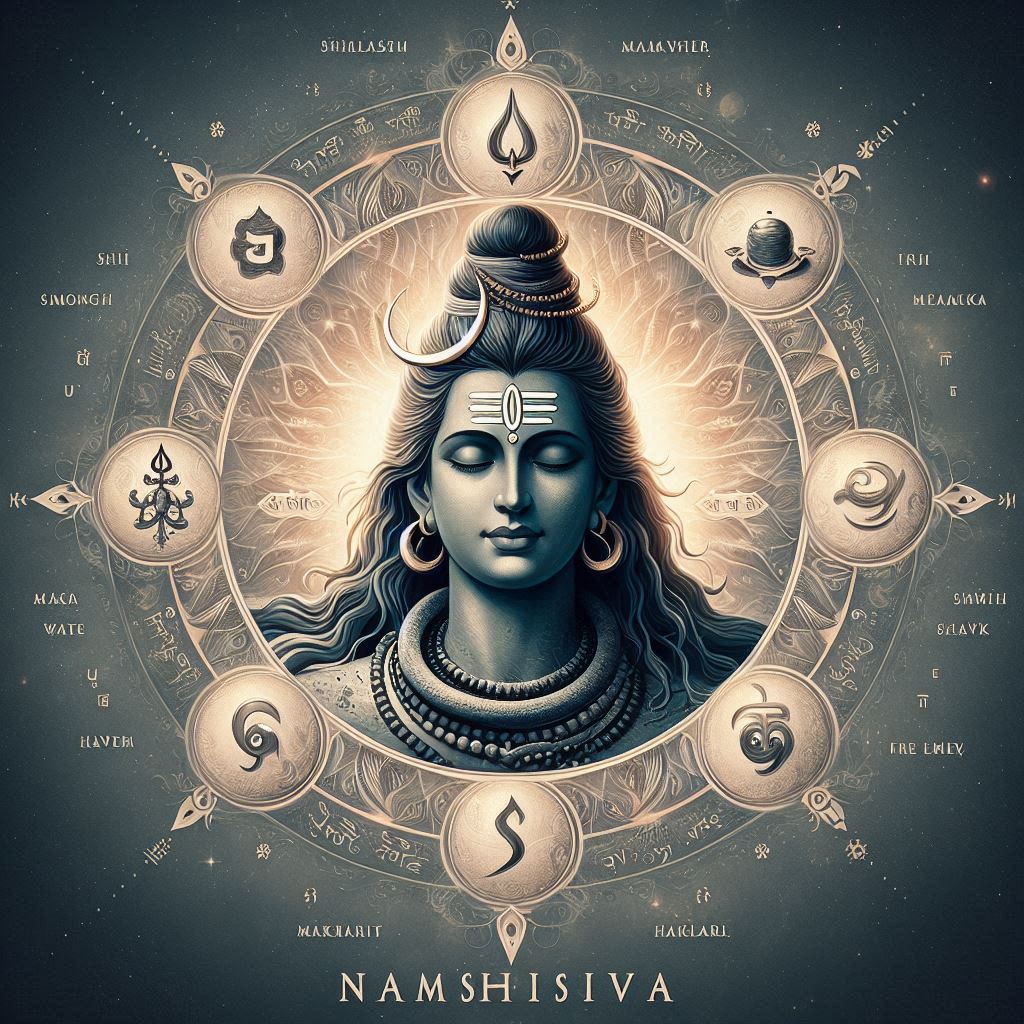
Vibrate your body with 5 : SHIVA PANCHAKSHARI MANTRA
Shiva Panchakshari Mantra “Namashivaya” is the Shiva Panchakshari mantra, which is simple to chant but profound to interpret and understand. Due to the lofty meaning behind this mantra, this is considered a universal mantra.
Na – This first syllable corresponds to Earth element.
Ma – This second syllable represents Water element.
Shi – This third syllable stands for the Fire element.
Va – This fourth syllable denotes the Air element.
Ya- This fifth syllable relates to the Ether or Space element
Lord Shiva as the Supreme God is said to be engaged in five tasks associated with the creations. The pancha Kriyas or the five acts are
Srishti_ creating,
Sthiti_ preserving,
Samhara _ destructing
Tirodhana _ concealing
Anugraha _ blessing.
The five syllables of the Shiva Panchakshari mantra correspond to these five divine acts of the Supreme Shiva. ‘Om’ or Pranava mantra and ‘Namashivaya’ are said to be one and the same. While the Pranava is the crux of the divine acts, the Shiva Panchakshari mantra expounds these divine acts further. The Pranava Mantra is like the husk of the paddy while the Shiva Panchakshari mantra is like the rice inside.
Shiva consciousness is beyond time and boundry
There was a time when balance in the cosmos broke. The Devas ( positive ) energy were weakened. Their energy faded. The Asuras( giant ) energy grew in strength. Conflicts rose. Dharma trembled.
The only way to restore harmony was to retrieve the immortal the nectar of immortality, hidden deep within the Kṣīra Sāgara, the Ocean of Milk. But to bring it out, the ocean had to be ready for twist movement
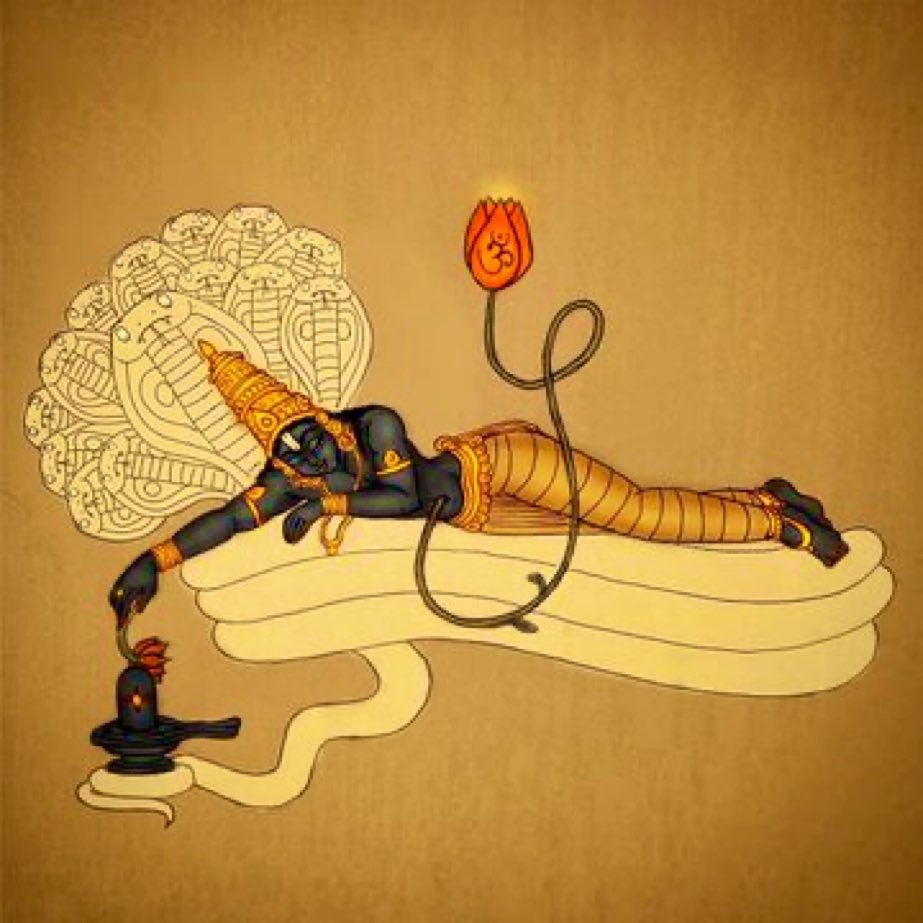
Both Devas and Asuras agreed to churn the ocean together. Mandara Mountain became the churning rod. Vāsuki, the great serpent of Mahādeva, was the rope. The mountain began to sink So Viṣṇu took the form of a giant tortoise (Kurma) to support it from beneath. Thus began the divine Samudra Manthan — the twist movement (manthan) of the Cosmic Ocean.
But before the nectar could rise From the depths of the twist movement of ocean emerged something unexpected. A dense, bluish-black vapor arose called Hālāhala Viṣa (Halahal vish). It spread in all directions. Its very presence began to shake the elements. The air darkened. The ocean trembled. Neither the Devas nor the Asuras could bear its touch. Even Agni, the god of fire, stepped back. The sages, Devas, and ṛṣis gathered and said: “There is only One who can hold this The Mahāyogī, the Ever-Compassionate Śiva.”
Silence is Medicine
Śiva, with infinite calm, took the entire Hālāhala Viṣa in His palms and in an act of sheer compassion… He drank it. But He did not swallow. With supreme control over His own being, He held the poison in His throat between creation and destruction. His throat turned a deep, radiant blue. From that moment onward, the sages called Him:
1. Nīlkaṇṭha — The Blue-Throated One
2. The Lord who holds back destruction
3. The One who saves by containing, not by resisting
He absorbed the chaos and remained unmoved. But this act was not His alone. As the fire of the poison raged in His throat, maa Pārvatī Devī His consort, His Shakti. placed Her hand gently on His neck, preventing the poison from descending into His body. Shakti and Śiva stood as One Stillness and Compassion united in perfect harmony.The world was saved. Balance was restored.
The eternal teaching:
True divinity does not seek reward. True power lies in absorbing the world’s pain in silence. Not to destroy, but to protect. That is the glory of aadiyogi shiv . This is a mirror held up to your own journey.
1. The twist movement in ocean – your mind
2. The dark poison – your ego, pain, and hidden fears
3. Śiva – your inner Self
4. Shakti – your discriminating power, your inner devotion
when you churn your being when you face the inner poison with awareness. Can you reach the nectar of immortality- real I .
Shiva soul: Anaahat chakras
Blessed are the rare devotees who worship the Chidanandalahari (divine consciousness/bliss) that eternally dwells in the heart chakra (Anahata). The Anahata Chakra (heart lotus) is uniquely blessed, positioned in the center of our spiritual anatomy. It lies between two crucial points: the Mooladhara (root chakra) below and the Sahasrara (crown chakra) above, where the moon continuously bathes the energy channels with divine nectar.
This heart center is especially sacred because:
1. It contains the essence of all deities
2. It embodies the spiritual power of sacred pilgrimage sites like Srishaila
3. It’s guarded by the ten vital breaths (or the deities of the ten senses)
4. It’s connected to other major energy centers that shine like jeweled islands
5. It houses the individual soul (Jivatman), which extends throughout one’s being like a vast tree
Right now,!!!!! at this very second, you are hurtling through the void at a mind-shattering 2.1 million kilometers per hour, yet you feel nothing. The Earth’s orbit? A perfect circle? A lie. We are spiraling through the abyss in a violent corkscrew, dragged mercilessly by the Sun at 828,000 km/h.
Mark this spot in space, return in 24 hours, and you’ll find yourself 57.8 million kilometers away, lost in the cosmic drift. But it gets worse. Our entire galaxy, the Milky Way is a runaway train, screaming through the darkness at 2.1 million km/h, pulled toward an unfathomable force, the Great Attractor. A monstrous, invisible titan, dragging millions of galaxies toward it… and we have no idea what it is. You are not still. You are a passenger on a cosmic roller coaster, racing at speeds so vast, so terrifying, your mind cannot even comprehend them. So tell me again, do you really think you’re standing still?
Breath of the Cosmos: Unveiling the Divine Dance inside yourself.
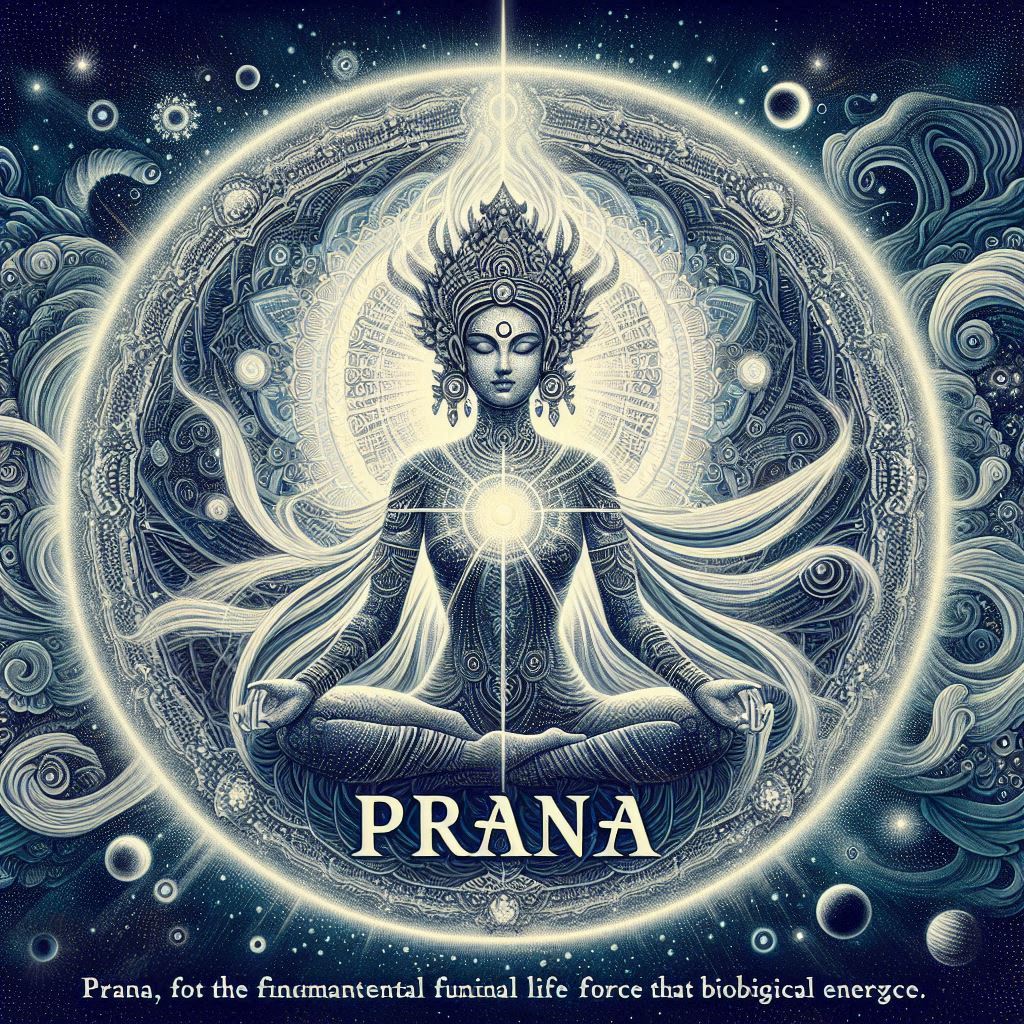
Prana is described as the fundamental life force that permeates all existence. It’s not merely the breath or biological energy, but rather a cosmic principle that manifests as the very essence of life itself. This concept is intricately connected to the Goddess Shakti, who is seen as the primordial energy that animates the entire universe.
According to the Kalika purana, Prana is the subtle manifestation of Shakti’s power that operates at different levels of existence. At the cosmic level, it’s the vital force that sustains the universe. At the individual level, it flows through the human body, animating it and connecting the physical form to higher states of consciousness.
The five primary forms of Prana, known as the Pancha Pranas:
1. Prana (in the specific sense):
This aspect governs inhalation and is located in the heart and chest region. It’s responsible for the forward movement of energy and is associated with the element of air. This form of prana controls perception, consciousness, and mental activities.
2. Apana:
Located in the lower abdomen, this downward-moving energy governs excretion, reproduction, and elimination. It’s associated with the earth element and is crucial for grounding and stabilizing the body’s energies.
3. Samana:
This is the balancing or equalizing force located in the navel region. It governs digestion and the assimilation of nutrients and experiences. Samana is associated with the fire element and transforms everything it encounters.
4. Udana:
This upward-moving energy is located in the throat region. It governs speech, growth, and spiritual elevation. Udana is associated with the element of water and is particularly important in spiritual practices as it can direct consciousness toward higher states.
5. Vyana:
This is the pervasive energy that circulates throughout the entire body. It coordinates the other pranas and governs circulation and nervous impulses. Vyana is associated with the ether element and maintains the connection between all bodily systems.
Write about a time when you didn’t take action but wish you had. What would you do differently?
The concept of Samayachara worship:
Core Concept:
Samaya chara worship is fundamentally about the fusion of chit Shakti (divine consciousness) with Brahman (ultimate reality). In this tradition, Shiva and Sridevi are viewed as complementary forces – Shiva as Samaya and Sridevi as Samayaa.
The Five-Fold Unity of Shiva and Shakti
1. Adhishthana Samya (Unity of Abode)
They share the same divine dwelling place or domain.
2. Anushthana Samya (Unity of Action)
Both engage in identical cosmic activities, particularly in the act of creation.
3. Avastha Samya (Unity of State)
They mirror each other in divine states and expressions, such as the dances of Lasya and Tandava.
4. Nama Samya (Unity of Names)
Their names reflect their inherent connection:
– Shiva and Shivaa – Samaya and Samayaa –
5. Rupa Samya (Unity of Form)
They share identical physical characteristics:
– Both have three eyes – Both are associated with the color red – Other physical attributes are matched
The Sacred Palace of Sricakra: A Divine Architectural Metaphor
In the illustrious city of Sri pattana, a remarkable palace stands, constructed entirely from luminous Cintamani gems. The palace features three distinctive towers named Iccha Sikhara, Kriya Sikhara, and Jnana Sikhara, symbolizing desire, action, and knowledge. With four cardinal doors called Amnaya devas representing the Vedas: Purva, Dakshina, Paschim, and Uttara
The palace embodies sacred geometric precision. At its center, the Bindu Peetha, a powerful seat with four-sided steps, represents multiple divine aspects: Sri Peetha (prosperity), Maha Peetha (greatness), Vidya Peetha (knowledge), and Ananda Peetha (bliss). The entire structure follows the intricate design of Sri chakra, housing all male and female deities of this mystical configuration.
The central cot, resting on four divine legs: Brahma, Vishnu, Mahesana, and Iswara, which is supported by Sadasiva. Leading to this sacred space are 36 steps representing spiritual dimensions, with a foot rest positioned before the cot. A swan like bed adorns the cot, accompanied by two head pillows and one leg pillow, covered by a light red blanket. Upon this sacred throne, Lord Kameswara sits facing east, eternally manifested as a sixteen year old boy with four hands and three eyes, wearing elaborate ceremonial attire. On his lap resides Lalitha Devi, also perpetually sixteen, with a rosy complexion, four hands, and adorned with the moon, her name derived from her ability to please Sadasiva, embodying the principle of divine feminine grace.
It is a branch of Vedic astrology that predicts events that occur globally. Helpful in understanding important events such as wars, epidemics, economic crises, regime changes, etc.
Basis of Mundane Astrology
Horoscope of Countries – Analysis of the horoscope of the day a nation was established
Eclipse – What will be the effect of solar and lunar eclipse in the country and abroad?
Transit Yoga- When a big planet changes its zodiac sign, what will be the effect on the world?
Solar Year Horoscope –
What will be the position of the king (power) and the public every year?
Quadrilateral Horoscope – Prediction in detail by dividing the year into four parts.
Major Planets and their Influence:
Sun – influences the king, power, administration.
Moon – influences the public, mood, climate change.
Mars – denotes war, aggression, military activities.
Mercury – Planet associated with business, economy, education.
Jupiter influences the law, religion and the justice system.
Venus – The planet associated with art, film, entertainment and financial sector.
Saturn – Recession, poverty, difficulties and influences judicial decisions.
Rahu-Ketu – Mysterious events, conspiracies, pandemics and factors of global change.
Impact of Major Planetary Transits on India 2025:
1. Saturn Transit in Pisces (29th March 2025):
Political and Social Impact: Saturn’s entry into Pisces can increase political instability and social tension in the country. The differences between the opposition and the government may deepen, which may lead to a sense of discontent among the public.
Natural Disasters: During this period, the chances of earthquakes, floods, and other natural calamities may increase, which may lead to loss of life and property.
2. Jupiter Transit in Gemini (14th May 2025):
Economy and Business: Jupiter’s transit in Gemini indicates advancement in the technical and communication fields. India can make significant progress in the technological sector, which will improve the economy.
Climate Change:
During this transit, abnormal temperature rise and climate change events may occur, which will affect agriculture and human life
3. Rahu and Ketu Transit (18th May 2025):
Technical and Military Field:
Rahu’s transit in Aquarius can bring India advancement in technical and military fields. Significant achievements are possible in the field of space research and defense.
Domestic Industry and Health:
Ketu’s transit in Leo signifies the slowdown in domestic industries and the possibility of new health problems or epidemics
Yoga Vashishta: The Treasure of Infinite Knowledge.
Yoga Vashishta is known for its unique identity in the world of Sanatan Science, which is a wonderful book preached by Maharishi Vashishta to Shri Ram. It is a treatise explaining the essence of Vedanta and Advaita as well as explaining the depths of the mind. It should be read and understood by everyone. In the story of Yoga Vashishta, Lord Shri Ram asks questions to his Guru Vashishta to understand the purpose of his life and the reality of the universe. This journey of self-awakening of Lord Shri Ram is inspiring for every seeker
In this book, Vashistha Rishi has discussed the origin of creation, the illusion of human life, and the meaning of liberation in human life. Here Maya is presented as a force that keeps the soul in illusion. There are many wonderful illustrations in Yoga Vashishta. One example is the Parable of Lavan, which shows the influence of Maya. In this, King Lawan learns from a supernatural experience that this world is just a dream. When this illusion erupts, the true nature of everything and the world is presented
The main purpose of Yoga Vashishta is the purification of the mind. Vashishta says that the root of man’s misery is his unstable mind. Only by calming it down can he attain lasting bliss. Regarding wisdom and self-introspection, Rishi Vashishta explains that for enlightenment one must look deep inside one’s consciousness. Happiness is not obtained by external means; True happiness lies in the journey within. The Principle of the Four Elements – Vashishta described the four pillars of life: detachment, discretion, contentment, and Satsang. These are the four pillars of sadhana, which lead the seeker towards self-knowledge. The essence of Advaita in Yoga Vashishta is: “The whole world is one consciousness. There is no duality here. The soul and the divine are the same; To understand this is liberation
Vashishta says, “The world is a dream, and the soul is its witness. This idea is meant to awaken every person that he is an eternal consciousness beyond this body, thought, and world. Yoga Vashishta is not just a treatise, but a guide that shows the path to self-realization. It helps us to quiet our minds and lead us to the real truth
To get into oneself is the deepest spiritual practice.
There are also three very subtle currents within the Sushumna Nadi. These are called Vajra, Chitrani, and Brahma Nadi. The Brahma Nadi is the center and source of power for all the channels. The Brahma Nadi reaches the center of the brain and spreads around in thousands of parts. That is why that place is called Sahasra Dal Lotus. The Sahasra Dal belongs to the subtle worlds – the world-wide powers. By which the infinite powers of God are caught from the astral world, the Brahma Nadi within the Sushumna in the last part of the spinal cord is bound by a black hexagon atom
The hexagon atom has been called Kurma in figurative language in yogic texts. Its shape is like a turtle. The earth rests on God Kurma. It is dependent on the hood of Sheshnag. The basis of this statement is the shape of the Brahmanadi, which is entwined in this kurma. And holding on to life. If he abandons his base, it will not take long for the land of life to crumble into pieces. The place of intermingling of the Brahma Nadi from Kurma is called Kundalini in spiritual language. Due to being annular, she was named Kundalini
The glory, power, and usefulness of Kundalini are so much that the intellect cannot even imagine. The atom remains a miracle for the inventors of physics. After the method of breaking it has been found, the source of tremendous energy has come into the hands of scientists. Right now, a part of his energy has been seen to be destructive. A big side of creativity and power is untouched. It is a matter of the power of the atom from the inertial world, which one would have to be surprised to see, a spark of the living world, infinitely more powerful than the inertial atom
Everyone is aware of the power and achievements of science. The achievements of yoga are riddhi and siddhis. Just as many scientists are engaged in the research of atoms. In the same way, the ancient spiritual sciences, the wise rishis, had researched a lot about a seed atom within the human body and benefited from its infinite power. The best place to break, large, or move two atoms is in the Kundalini center because the living atoms of all other places are round and smooth, but in Kundalini, it is wrapped in the form of Mithun ( Gemini).
Just as the atoms of uranium and plutonium are kneaded in such a zig-zag manner that it is easier to break them down than atoms of other substances. In the same way, the movement of the Kundalini sparkling atoms is more convenient for the desired movement. Therefore, the sages of the past researched Kundalini awakening with great readiness. After testing and experimenting with research, he gained so much power that it is considered a miracle. Kundalini has been called the storehouse of secret powers। Precious gems are kept in a safe and kept in a secret place. Strong locks are installed in it so that no unauthorized outsider can get it. God has also given the treasures of man’s infinite powers but has put six locks on them. These are called awaken kundalini. These locks have been installed in the form of chakras so that no one can get them undeserved. The six locks and six chakras on the Kundalini power have to be pierced. Normally, the Kundalini sits in a disheveled state facing downwards in the perineum
To awaken him, one has to take refuge in the divine prana energy. The unconscious Kundalini superpower is awakened by the high-level practice of meditation yoga. Prana Sadhana in yoga fulfills this goal. Along with the process of Kundalini awakening, the seeker has to resort to self-reflection and self-improvement. Spiritual practice done on the double front makes the inner part of the Purushartha seeker full of power and power
You have three magic genie wishes, what are you asking for?
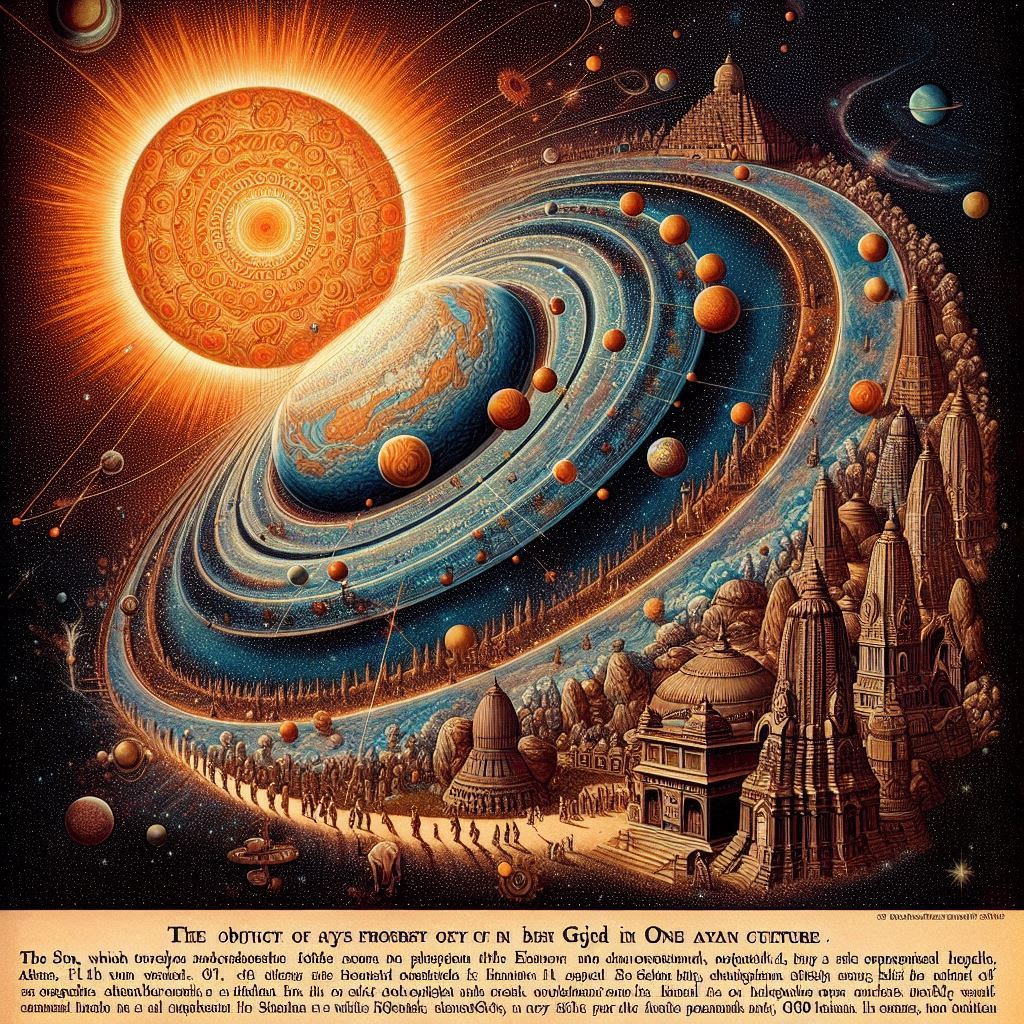
Speed of Sun = 2000 yojanas + 2 kos (Asha yojana) per moment .
The Sun, which travels a distance of nine crores fifty-one lakh yojanas in one Ahoratri at such a rapid speed, is considered to be God in Sanatan culture. No object in this galaxy remains unreasonable; it is the foremost duty of every human being to respect them. One thing is clear from the description so far: the expansion of the solar system is nine crores and fifty-one lakh yojanas, and the orbital path of the earth is also the same. The Earth completes this distance in one Samvatsar, and the Sun completes this distance in one Ahoratra. The speed of the Sun is 20005 Yojanas per moment and the speed of the Earth is 26055 Yojanas per day.
Each body (mah) has two spines… 1 axial spine, and 2 revolution spines.
Each month rotates around its axis and moves bently, walking on a circuitous path. This inclination is considered by modern scientists to be 23 degrees. Just as the Earth has two spines, the Sun has two spines. The Sun rotates on its axis and completes one cycle in one Ahorattra, i.e. 9,51,00,000 yojanas. The Sun moves on its rotational path and revolves around the pole, taking one cycle to complete a cycle. These are the two spines of the Sun. Similarly, Dhruva also has two Meru. All the bodies are comprised of pairs of meru. Thanking these bodies is an important task.
1. The backbone that supports the structure of the body. It is also called the spinal cord.
2. The life cycle of a living entity is also the journey from birth to death. Every living thing, every sun, constellation, star, and moon, is connected by two spines.
It’s a season. Ritaye Namah. Why does the sun move? Why does the earth collapse? Why does it spin? Walking is the sun’s destiny. It is the nature of the earth to revolve. Rotation is the destiny of the planets. The destiny which is narrated through the medium, the same destiny has also tied the planets. Everyone has an activity. They have an impact on mankind. The mood disposition is based on this object
The sun is moving, the earth is moving. They are all God. If the Lord does not act, how can the living entity be engaged in Kriya? Instinct is life. Retirement is death. God is a living being active. Therefore, nature has the status of a mother. Self-actions are religions. Acting according to one’s nature is Swadharma. Nature is pre-attained, from birth, from past birth, from destiny. Disposition cannot be changed. Nature is strong. It is our welfare to do natural actions. There is success in natural actions. Therefore, one should be engaged in natural action.
True infinite
यतः प्रवृत्तिः भूतानां येन सर्वमिदं जगत् ।
स्व कर्मणा तमभ्यर्च्य सिद्धि विन्दति मानव ॥
(गीता १८/४६)
We have our origin from the earth, we have our origin from us. The sun is the earth from the earth, the sun rises from the sky element and the sun is self-evident. Therefore, the sun rotates on its axis and performs its work, and sadhana, the pole traveling in its orbit, worships the sky. The earth worships itself while traveling on its axis and also worships the sun dancing around the sun. We worship ourselves in samadhi (suptatastha) and worship the five bhutas through daily activities. In doing so, the opening of the Surya Siddha, i.e., Anahad Chakra and the flow of infinite love, is a pleasant experience of spiritual life. There is a ritual of sadhana in the root of the earth element, which is the place of Lord Ganesha. Our Lord is the soul (Sun). The Lord of the Sun (Jyoti) is the sky (void. That is why it is said to be ego emptiness. I have very little capacity to put into words this universe and this beautiful Mother Nature.
On reaching the Supreme Stage, the yogi realizes that He is his own God. The goal of everyone’s life is to know oneself and believe in God. The sun is worshipping itself; the earth is doing its sadhana, which is based on tolerance. The creature is meditating. All are self-centered. This self-center is tied to some other center. The second is also tied to a third. Third, there is no end to a fourth, and so on. To make ends meet, we consider someone who is not bound by anyone. Therefore, Shiva is infinite
What’s the biggest risk you’d like to take — but haven’t been able to?
Oldest religion texts.
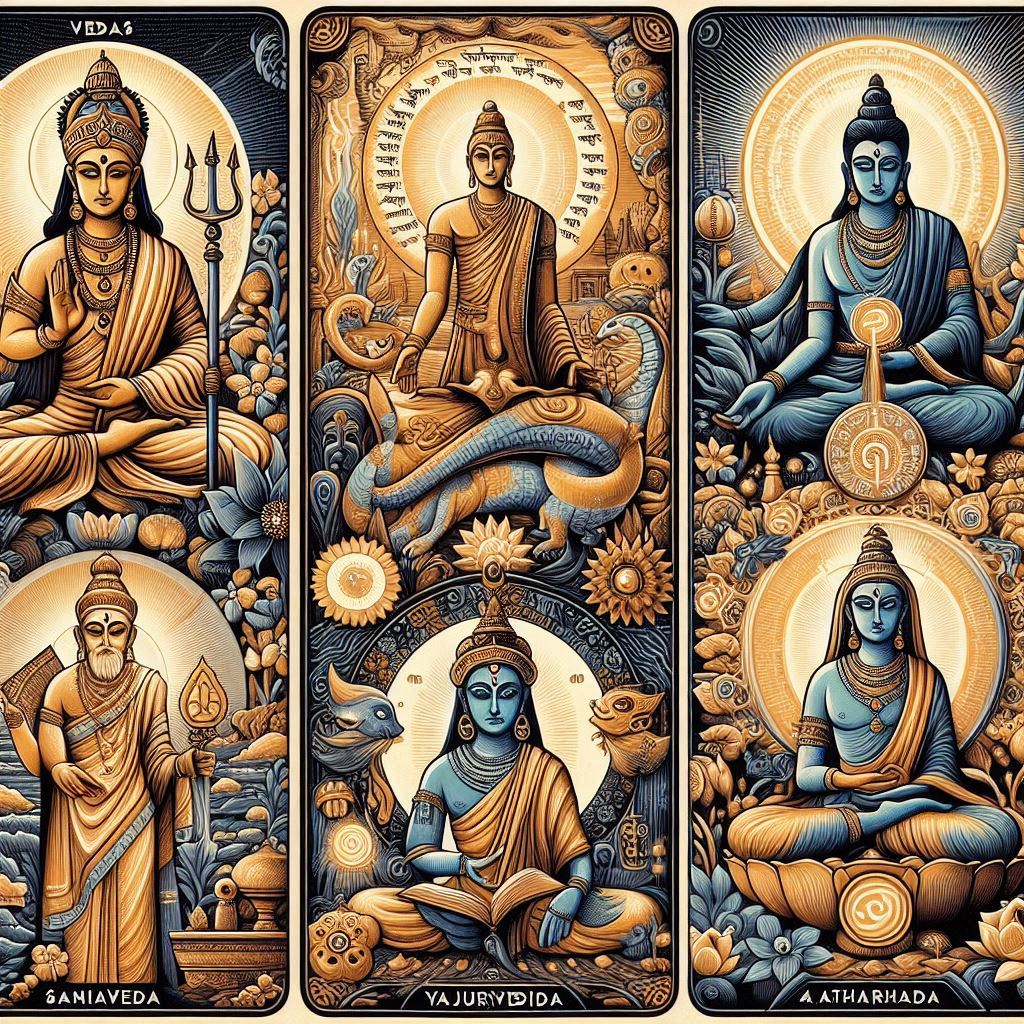
There are four Vedas and 108 Upanishads in Sanatan Dharma. The Vedas are considered to be the oldest religious texts. The four Vedas are as follows:
1. Rigveda
2. Yajurveda
3. Samaveda
4. Atharvaveda
These Vedas, as well as the Upanishads, are considered an important part of the Vedic literature. Profound philosophical and spiritual topics have been discussed in the Upanishads. Vedas and Upanishads are profound and ancient texts of Sanatan Dharma, in which the philosophical and religious principles related to life, universe, and ultimate truth have been described in detail
VEDAS (1,00,000 verses)
Divided & Organized into 4 Vedas by Krsna Dvaipayana (Vedavyasa)
Whya Vedas .
1. Vedas:
The Vedas are considered as the most ancient and main texts of Sanatan Dharma. The Vedas are considered by the sages as “shruti” (knowledge gained by hearing. These were compiled by Maharishi Ved Vyasa. The purpose of the Vedas is to guide the four major goals of human life (Dharma, Artha, Kama, Moksha. This is Sanatan meaning that which has been going on continuously since time immemorial is in the real form, this is eternal
The four Vedas are as follows:
Rig Veda:
This is the oldest Veda and consists mainly of a compilation of richas (mantras) in the form of praise of the gods. It has around 10,552 mantras, which are used in the worship of various deities, prayers, and yajnas.
🔸Rigveda (21+ Shakhas)
▪️Available 1 Shakha
▪️Lost 20+ Shakhas
▪️Samhita
▪️Brahmana
▪️Aranyaka
Yajurveda:
It describes mantras and methods for sacrifices and rituals. It is divided into two parts: Krishna Yajurveda and Shukla Yajurveda. It mainly deals with ritualistic and ritualistic activities
Yajurveda (101+ Shakhas)
▪️Available 3-4 Shakhas
▪️Lost 97+ Shakhas
▪️Samhita
▪️Brahmana
▪️Aranyaka
Samaveda:
In this Veda, some mantras of Rigveda have been presented in musical form. It is seen by linking it with devotion and music. The mantras of Samaveda are used to accompany music in sacrifices and rituals.
Samaveda (1000+ Shakhas)
▪️Available 3 Shakhas
▪️Lost 997+ Shakhas
▪️Samhita
▪️Brahmana
▪️Aranyaka
Atharvaveda:
This Veda is slightly different from the other three. It describes mantras and methods related to witchcraft, medicine, healing, and social life. There are many mantras in it that throw light on all aspects of a person’s life
Atharvaveda (9+ Shakhas)
▪️Available 2 Shakhas
▪️Lost 7+ Shakhas
▪️Samhita
▪️Brahmana
▪️Aranyaka
The 108 Upanishads:
The Upanishads are called the last part of the Vedas or “Vedanta”. Their purpose is to clarify the search for enlightenment, Brahman, Atma, and the ultimate truth. The Upanishads mainly describe spiritual, philosophical and meditative topics. The doctrines of Vedanta are based on the Upanishads. Although the number of Upanishads is considered to be 108, some of the major and ancient Upanishads are as follows:
1. Total Shakhas: 1180
▪️10-15 Available
▪️Brahmanas
▪️Available 19-20
▪️Lost 1,111+
2. Samhitas :
▪️Available 9-10
▪️Lost 1,121+
3. Upanishads : ▪️Available 108
▪️Lost 1,023+
4. Aranyakas
▪️Available 7
▪️Lost 1,124
1. Ishopanishad:
It mentions the unity of the universe and the soul and considers the impermanence of karma and life.
2. Kathopanishad:
It is based on the dialogue of Yama and Nachiketa, explaining the mysteries of soul, death and salvation.
3. Mandukya Upanishad:
It analyzes the forms of Om and its three sounds. This Upanishad is a major source of Advaita Vedanta.
4. Chandogya Upanishad:
This Upanishad is related to the Samaveda and discusses in detail the Atman, Brahman and the methods of meditation
5. Brihadaranyaka Upanishad:
This is the largest Upanishad and considers the importance of the soul, rebirth, Brahman and knowledge.
Importance of Vedas and Upanishads:
The Vedas and Upanishads are the foundation of Indian religious, philosophical and spiritual traditions. These texts provide guidance on every aspect of human life, such as:
Spirituality: The ultimate purpose of life is the union of the soul with Brahman (moksha), which is explained in depth in the Upanishads
Religion: Duties and religious conduct have been described in the Vedas.
Yoga: The path to purification and salvation of the soul is shown through meditation and yoga.
Karma: The principle of karma and its consequences have been explained in detail in the Vedas and Upanishads. Vedas and Upanishads are not only religious texts but also show the philosophical and spiritual path to understand and find solutions to the complexities of human life
You must be logged in to post a comment.