Ayurveda Warn …

What’s your favorite recipe?

10 diseases in 2025

1. Diabetes (Madhumeha)

Modern Name: Type 2 Diabetes (Insulin resistance)
Ayurvedic Name: Madhumeha — “Sweet Urine Disease”

📜 “Pramehino madhuryāccha mehaḥ madhumehaḥ smṛtaḥ” — Charaka Saṁhitā

Ayurveda’s causes:

Overeating heavy/sweet foods

Excessive sleep & sedentary lifestyle

Weak digestive fire (Agni)

Lethargy (Tamas)
Ayurveda warned that diabetes is not just about sugar—it is a collapse of Agni, and an imbalance of Kapha + Vāta.


2. Autoimmune Diseases (Ama + Ojas Kṣhaya)

Modern Name: Lupus, Rheumatoid Arthritis, Psoriasis, MS
Ayurveda’s view:

Ama (toxic, undigested metabolic residue)

Ojas Kṣhaya (loss of vitality & immunity)


📜 “Amaḥ śarīre prakopayati doṣān” — Ama provokes doṣas & makes the body attack itself.

Science still struggles to find exact causes. Ayurveda already explained: disturbed digestion → toxins → immune confusion → body attacks itself.


3. Depression & Anxiety (Manas Roga)

Modern Name: Mental health disorders (serotonin imbalance)
Ayurvedic Name: Manas Roga

📜 “Rajas tamaśca manaso doṣāḥ” — Charaka Saṁhitā

Causes according to Ayurveda:

Excess stimulation (social media, stress)

Poor diet (junk, stale food)

Lack of spiritual connection

Suppressed emotions

Loss of Sattva (clarity & balance)

Ayurveda says: Heal the gut, senses, and soul together. A disturbed mind cannot be cured by pills alone.


4. Cancer (Arbuda + Granthi Roga)

Modern Name: Cancer (tumor formation)
Ayurvedic Name: Arbuda (immovable growth), Granthi (hard swelling)

📜 “Ekadeśasthāni māṁsāni granthibhūtāni jāyante” — Suśruta Saṁhitā

Causes described in Ayurveda:

Viruddha Āhāra (incompatible foods)

Suppressing natural urges

Chronic stress & grief

Genetic predisposition (Bīja Doṣa)

Ayurveda understood cancer as physical + emotional + karmic imbalance, not just a mutation of cells.


5. Asthma (Tamak Śvāsa)

Modern Name: Bronchial asthma (allergens, airway constriction)
Ayurvedic Name: Tamak Śvāsa — “Dark Breath”

📜 “Tamakaḥ śvāso vāyurdūṣitaḥ”

Causes:

Heavy/cold foods

Emotional suppression

Past trauma

Weak digestion (Agni disturbance)

Ayurveda saw asthma not only as lung disease, but as a cry of the soul struggling to breathe freely.


6. Obesity & Metabolic Syndrome (Sthūlatva)

Modern Name: Obesity, metabolic syndrome
Ayurvedic Name: Sthūlatva — “Excess growth due to Kapha imbalance”

📜 “Ati bhuktam guru snigdhaṁ sthūlatvaṁ janayanti hi” — Charaka Saṁhitā

Ayurveda explains:

Medo Roga — fat-related disorders

Blocked Srotas — clogged channels

Manda Agni — weak digestion

Obesity is not just fat—it is loss of metabolic intelligence.


7. Hypertension & Heart Disease (Raktagata Vāta + Hṛdroga)

Modern Name: High blood pressure, blocked arteries
Ayurvedic Name: Hṛdroga — heart diseases

📜 “Hṛdayasya vyādhayo doṣajāḥ” — Heart disease arises from disturbed doṣas.

Ayurveda’s view:

Vāta, Pitta, Kapha can all disturb the heart

Suppressed grief & broken rhythm → weak heart

Lifestyle & emotional disharmony → blocked Prāṇa


Modern medicine sees BP. Ayurveda sees broken inner rhythm.


8. Irritable Bowel Syndrome (Grahani Roga)

Modern Name: IBS
Ayurvedic Name: Grahani — “seat of Agni disturbed”

📜 “Grahani nāma agnith sthānam” — Charaka Saṁhitā

Symptoms:

Indigestion

Alternating constipation & diarrhea

Fatigue after meals

Mental dullness


Eating in stress, multitasking while eating, ignoring food rituals → weak digestion → IBS.


9. PCOS & Hormonal Disorders (Ārtava Duṣṭi)

Modern Name: PCOS, hormonal imbalance
Ayurvedic Name: Ārtava Duṣṭi — disturbed menstrual essence

📜 “Ārtavaṁ strīṇāṁ garbhahetuḥ” — Essence of fertility

Causes:

Stress & agitation (Rajas)

Cold, damp Kapha foods

Abuse of birth control

Ignoring seasonal routines (Ritu-caryā)

Ayurveda says: The womb is a sacred altar, not just a machine. Honor it with balance.


10. Chronic Fatigue Syndrome (Alasya + Ojokṣaya)

Modern Name: Chronic Fatigue Syndrome (CFS)
Ayurvedic Name: Alasya (fatigue) + Ojokṣaya (loss of vitality)

📜 “Alasyaṁ śarīrasya prāṇa hāni nimittam” — Fatigue = loss of life-force.

Symptoms:

Brain fog

Lack of drive

Weak digestion

Sleep not refreshing


Ayurveda calls it collapse of Agni + depletion of Ojas (vital essence).

Science is diagnosing these in 2025.
But Ayurveda diagnosed them thousands of years ago.

The difference?
Science gives names. Ayurveda gives solutions.

Ayurveda’s prescription for preventing disease:

Dinacharyā — Daily rhythm

Ritu Charyā — Seasonal living

Sattvic Āhāra — Conscious diet

Prāṇāyāma — Mindful breath

Sadvṛtta — Dharma-centered lifestyle


Your Rishis didn’t just want you to “treat” disease.
They wanted you to avoid it altogether. Dakshinamurthy Ayurveda Pvt. Ltd. carries forward this timeless wisdom, blending ancient healing with modern needs.


Don’t worry Solution is here !!

The Secret of the Sun’s Rays (Savitṛ’s Power) – Esoteric Wisdom, While Ayurveda spoke of disease and health, the Vedas went even deeper.
They described the Sun (Savitṛ) not only as a physical source of light but as the cosmic awakener of higher consciousness.

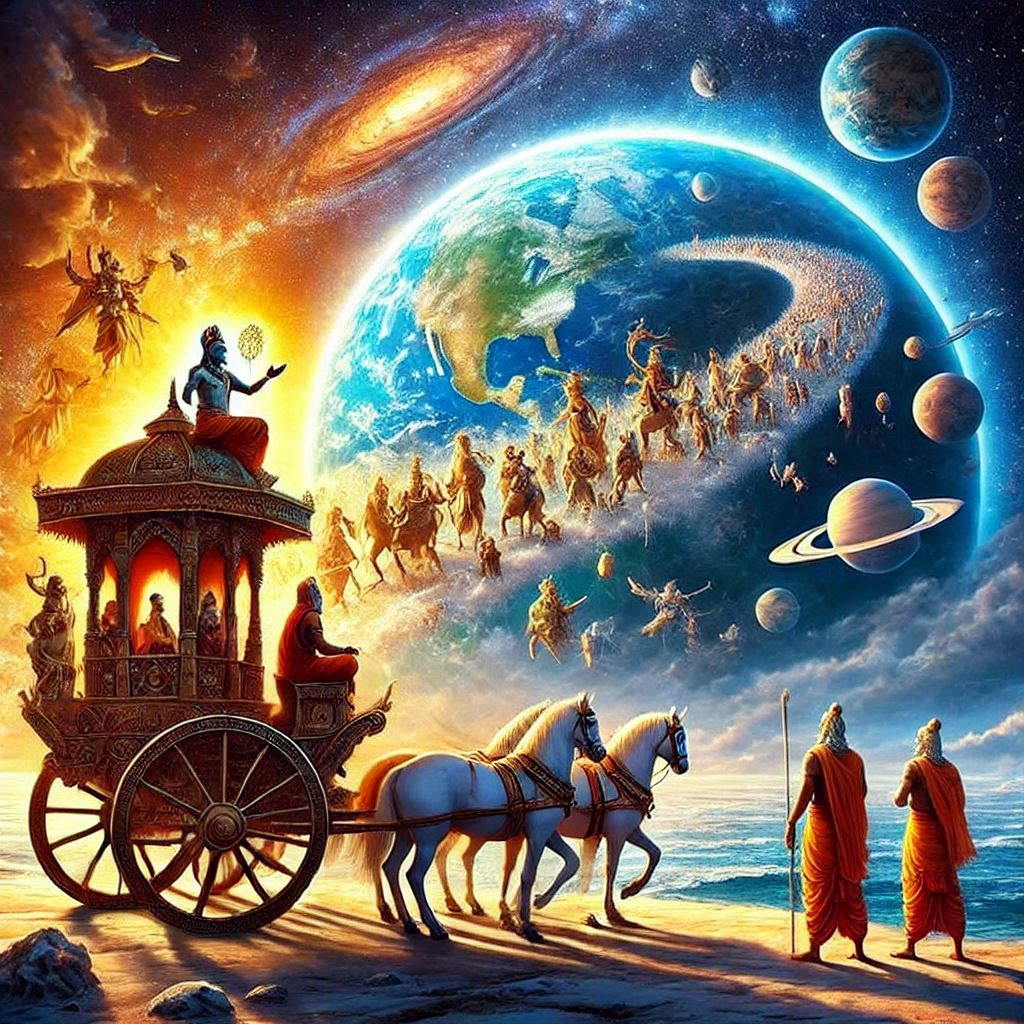
The Ṛgveda (1.115.1) speaks of the seven rays (sapta-aśva) of the Sun, the seven horses that pull Surya’s chariot. These are not merely beams of light, but sevenfold powers of cosmic energy that sustain both body and soul.

Esoterically, these seven rays correspond to seven layers of spiritual force:

1. Third eye light

The visible sunlight that nourishes the earth, supports plants, balances hormones, and drives the rhythm of life.

2. Inhale (Prāṇa Śakti)

The vital current that flows through all beings. Just as the Sun powers photosynthesis, it fuels our own prāṇa.

3. Focus on Chidakash (Buddhi Tejas)

The inner illumination of discernment, clarity, and wisdom. Sunlight awakens not just crops, but also our capacity to see truth.

4. Heart plexus (Manas)

The subtle link between human thought and divine intelligence. The Sun is called Manas-chakṣuḥ (eye of the mind) in the Vedas.

5. Intuition (Vijñāna)

Direct perception beyond logic, often associated with the third eye. This ray connects us to deeper knowing, the inner “Gayatri light.”

6. Sankalp (Icchā Śakti)

The creative power of manifestation, linked with Hiraṇyagarbha (the Golden Womb)—the cosmic source from which creation unfolds.

7. Pure Consciousness.

The formless, eternal radiance of Brahman itself. Beyond light and energy, it is the awareness that illumines everything.

📜 That is why the Gayatri Mantra is not just a prayer but an invocation of these rays:

“Tat Savitur Vareṇyaṁ Bhargo Devasya Dhīmahi Dhiyo Yo Naḥ Prachodayāt”

“We meditate on the divine radiance of Savitṛ (the Sun). May that light inspire and awaken our intelligence.”

Thus, in Ayurveda and Vedanta, health is not only freedom from disease.
It is alignment with these seven rays — balancing body, prāṇa, mind, intellect, will, intuition, and consciousness.


This is the eternal mission of Dakshinamurthy Ayurveda Pvt. Ltd. — to blend health with higher consciousness.

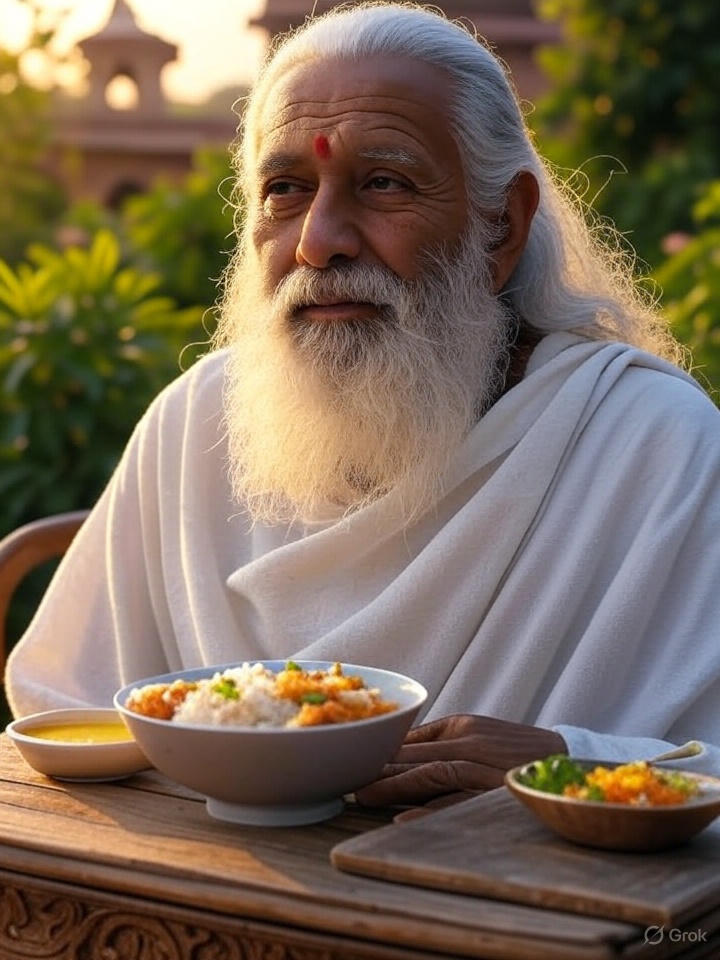
Ayurveda diet

8 Ayurvedic Diet Rules by Maharishi Charak That 99% People Ignore – Transform Your Health Today!


Food is not just sustenance; it’s the foundation of our health. Thousands of years ago, the great sage Maharishi Charak, a pioneer of Ayurveda, laid down timeless dietary principles that can prevent diseases and promote holistic well-being. Yet, shockingly, 99% of people unknowingly break the very first rule of healthy eating! According to Ayurveda and yoga expert Ashish Chaudhary, following these 8 golden rules of eating can transform your health and prevent chronic illnesses. Let’s dive into these ancient secrets and discover how to eat the right way to live a vibrant, disease-free life.


Why Does Food Matter So Much?

Food is both medicine and poison it can either nourish your body or become the root cause of ailments. By adopting Maharishi Charak’s Ayurvedic dietary principles, you can ensure that every bite you take supports your physical, mental, and emotional health. Let’s explore these 8 rules and how they can revolutionize your eating habits.


1. Ushnam: Always Eat Fresh and Warm Food

The first and most critical rule is Ushnam, which means eating food that is freshly cooked and warm. Unfortunately, most of us break this rule by consuming processed, frozen, or reheated meals.
Why it matters: Freshly prepared food retains its prana (life energy) and is easier to digest. Reheating food stored in the fridge can reduce its nutritional value and lead to health issues like bloating, indigestion, and even chronic diseases.

Pro Tip: Cook small, fresh meals daily and avoid relying on packaged or leftover foods. Your body deserves the warmth of freshly made meals!


2. Snigdha: Include Healthy Fats in Your Diet.

The second rule, Snigdha, emphasizes the importance of including healthy fats like ghee or oil in your meals. The human body is composed of seven dhatus (tissues), six of which require lubrication to function optimally.

Why it matters:
Healthy fats aid digestion, nourish tissues, and balance the body’s energies. However, overconsumption without proper digestive fire (Agni) can lead to Kapha imbalance.

How to do it right:
Pair your meal with a small amount of ghee or sesame oil. Sip lukewarm water during meals to aid digestion, as Ayurveda recommends taking three sips of warm water for optimal food breakdown.


3. Matra: Eat in the Right Quantity

The third rule, Matra, is about eating in moderation. Overeating or undereating can disrupt your body’s balance, leading to discomfort and poor digestion.
How to find the right portion: Your stomach should feel satisfied but not heavy. You should feel comfortable sitting or moving after a meal, with no bloating or lethargy.

Ayurvedic Formula:
Fill your stomach with 50% solid food, 25% liquid, and leave 25% empty for digestion. Practice mindful eating by staying calm and doing a few rounds of Anulom-Vilom (alternate nostril breathing) before meals to enhance awareness.


4. Jirnam: Eat Only After Digesting the Previous Meal

The fourth rule, Jirnam, stresses the importance of allowing your previous meal to fully digest before eating again. Eating too soon can mix undigested food with new food, causing digestive issues like gas, bloating, and acidity.

Why it matters:
Undigested food creates toxins (Ama) in the body, leading to imbalances in the doshas (Vata, Pitta, Kapha).

How to follow it:
Wait at least 3-4 hours between meals, depending on your digestive capacity. Listen to your body for signs of hunger rather than eating out of habit.


5. Ishta Desha: Eat in a Calm and Pleasant Environment

The fifth rule, Ishta Desha, emphasizes the importance of your dining environment. A peaceful and clean space enhances digestion and promotes mindfulness.
Why it matters: Eating in a chaotic or stressful environment can disrupt your body’s ability to process food effectively.

How to create the right ambiance:
Choose a quiet, clutter-free space for meals. Avoid distractions like phones or TVs, and focus on the act of eating.


6. Ishta Sarvopakarnam: Include All Six Tastes in Your Meal

The sixth rule, Ishta Sarvopakarnam, advises including all six tastes (sweet, sour, salty, bitter, pungent, and astringent) in your meals to ensure nutritional balance.

Why it matters:
Each taste corresponds to specific nutrients and supports different bodily functions. A balanced meal nourishes both body and mind.

How to achieve it:
Incorporate a variety of foods like grains, vegetables, spices, and fruits to cover all six tastes. For example, add turmeric (bitter), lemon (sour), and jaggery (sweet) to your meal.


7. Na Ati Shighram: Don’t Eat Too Quickly.

The seventh rule, Na Ati Shighram, warns against eating too fast. Gulping down food can lead to improper digestion, increased Vata dosha, and issues like hiccups or indigestion.

Why it matters:
Chewing food thoroughly (Ayurveda recommends 32 chews per bite) allows enzymes in saliva to break down food, making it easier for your stomach to process.

How to slow down:
Put down your spoon or fork between bites, and avoid distractions like phones or screens. Savor each bite with gratitude.


8. Mindful Eating: Eat with Awareness and Gratitude

The final rule, Ajalpan Ahasan Tanmana Bhunjitam, encourages eating with full awareness, gratitude, and focus. Avoid talking, laughing, or multitasking during meals.

Why it matters:
Mindful eating ensures proper digestion and fosters a deeper connection with your food. It also aligns with the traditional wisdom of our elders, who advised silence during meals.

How to practice it:

Take a moment to appreciate your food before eating. Chew slowly, focus on the flavors, and express gratitude for the nourishment it provides.


Why These Rules Are a Game-Changer

By following Maharishi Charak’s 8 Ayurvedic dietary rules, you can prevent common health issues like indigestion, obesity, and fatigue while promoting longevity and vitality. These principles are not just ancient wisdom—they are practical, time-tested guidelines that align perfectly with modern health needs.


Start Your Ayurvedic Journey Today!

Ready to transform your relationship with food? Begin by incorporating one or two of these rules into your daily routine and gradually adopt all eight. Your body will thank you with improved energy, better digestion, and a stronger immune system.


Quick Tip: Start with the Ushnam rule by eating freshly cooked meals for one week and notice the difference in how you feel. Join the Conversation: Share your experience with these Ayurvedic principles in the comments below or on social media using #AyurvedicDiet.
For more health and wellness tips rooted in Ayurveda, subscribe to our blog and follow us.  Stay tuned for more ancient wisdom to live a healthier, happier life!

Wisdom surpasses knowledge.

Divine Sun : The Radiant Bridge Between Heaven and Earth


Ever wondered why ancient Rishis worshipped the Sun?
In the rich tapestry of Vedic wisdom, Surya Dev is far more than a celestial body. He is not merely the golden orb rising each day he is a symbol of the eternal light of consciousness, divine wisdom, and the spiritual force that sustains all life.

☀️ Surya: More Than Just the Sun

In Vedic thought, Surya is not just a physical phenomenon but a divine principle  a cosmic intelligence that brings knowledge, vitality, and illumination to the inner and outer worlds. The sun’s rays don’t just warm the earth; they awaken the soul. Just as the sun touches every leaf, river, and mountain, divine knowledge flows into us through:

❤️ Feelings & Intuition – A heart-level knowing beyond logic.

🧠 Logical Thinking – The clarity of reasoning and insight.

✨ Spiritual Wisdom – A higher understanding that transcends ego and thought.


The Three Radiant Forms of Surya

The Vedas describe Surya in three distinct yet unified forms:

1. 🌞 SURYA – The Great Illuminator
The one who reveals truth, dispels darkness, and awakens consciousness. Surya illuminates not only the outer world but the inner realm of our being.


2. 🌅 SAVITAR – The Divine Creator
The creative force behind all movement and life. Savitar is invoked in the Gayatri Mantra, the sacred hymn that seeks the awakening of higher intellect (buddhi).


3. 🌾 PUSHAN – The Nourisher and Increaser
The guardian of journeys, the bringer of growth — physical, mental, and spiritual. Pushan ensures safe passage through life’s paths, guiding the seeker to the truth.


The Rays of Surya: Divine Messengers of Light

In Vedic philosophy, the sun’s rays are not just streams of light — they are supramental energies that carry:

Revelation – Sudden flashes of truth

Inspiration – A divine stirring of the spirit

Intuition – Direct knowing without reasoning

Luminous Discernment – The ability to see clearly, beyond illusion . These are not ordinary mental functions, but the workings of Vijnana — the higher knowledge or Truth-consciousness described in Vedanta as Ritam.

Why We Need the Sun’s Help

Unlike the divine mind, which radiates truth naturally, our human mind is like a mirror — it can reflect truth, but it is not truth itself. We are limited by doubt, distraction, and duality. That’s why divine knowledge doesn’t flood us all at once — it arrives like the sunrise.

It begins with a faint glow, and gradually, light takes over the sky.

So too, our spiritual journey unfolds with effort, devotion, and inner purity. As we evolve, the light of Surya Dev shines brighter in our inner world, awakening deeper layers of wisdom.


In Closing: Salutations to Surya Dev

In the words of the Rig Veda:

> “Surya is the soul of all that moves and does not move.”
(Rig Veda 1.115.1)

The worship of Surya Dev is not just a ritual — it’s a profound reminder that divine knowledge is ever shining, waiting to be received by the seeking soul. Through practices like Surya Namaskar, Gayatri mantra, and daily inner reflection, we align ourselves with the eternal light.  Let us all become vessels for that light.
Let our lives reflect the wisdom, strength, and compassion of the eternal Surya within.

The Gayatri Mantra: Unlocking the Light of Savitar

ॐ भूर्भुवः स्वः। तत्सवितुर्वरेण्यं भर्गो देवस्य धीमहि।
धियो यो नः प्रचोदयात्॥


This sacred verse, known as the Gayatri Mantra, is a direct invocation to Savitar, the divine form of Surya who creates and illuminates all worlds.

Why Is It So Powerful?

1. It aligns our consciousness with divine light.
Chanting the Gayatri purifies the mind and opens the inner channels to receive Vijnana — the supreme truth-consciousness.


2. It awakens the intellect (buddhi) and inner wisdom.
“Dhiyo yo nah prachodayat” — we are literally asking the Divine Light to awaken and guide our thinking faculty toward truth.


3. It connects us with the Source of all creation.
By meditating on Savitar, the Creator, we harmonize with the universal rhythm of birth, sustenance, and transcendence.


4. It transcends religion and time.
Gayatri is not just for Hindus; it’s a universal prayer for enlightenment, balance, and realization.


Gayatri Mantra and the Sun’s Inner Light

The sun outside helps our eyes see — but the Gayatri mantra activates the sun within that helps our soul realize. That inner light dispels ignorance, ego, and fear.

With consistent chanting, this mantra acts like a spiritual switch, turning on the divine current within the seeker. Many saints and sages have confirmed that regular recitation brings clarity, peace, healing, and even supernatural intuition.


Surya is the soul of all that moves and does not move.”
— Rig Veda 1.115.1

The worship of Surya Dev and the chanting of the Gayatri Mantra is not superstition — it is a sacred science of awakening. Every sunrise is a reminder that no matter how dark life gets, the divine light is always rising. May we all become reflectors of that inner sun.
Let our thoughts be guided by Gayatri, and our path illuminated by Surya’s eternal light.

Quantum physics is roots of reality!!

Was today typical?

From Chaos to Clarity: The Power of Spiritual Living in Modern Times

In the rush of daily life, we are caught in a constant loop wake up, work, worry, sleep. We chase goals, compare ourselves to others, and try to find happiness in material success. This is the rhythm of normal life focused on the outer world. But there’s another way of living spiritual life that focuses not on what is happening outside, but what is happening within. It is the path of awareness, peace, and deep connection with the Divine.

Normal Life:

Driven by ego, ambition, and fear of loss.
Mind constantly occupied with past regrets or future anxieties.
External success is the measure of self-worth. Emotions fluctuate with circumstances.

Spiritual Life:

Rooted in consciousness, detachment, and inner balance.

Mind is trained to stay present and calm.

Joy is not dependent on outcomes.

Life is viewed as a divine journey, not a race.


How Spirituality Helps in Dealing with Life’s Greatest Challenges

Life inevitably brings pain illness, heartbreak, failure, and death. But suffering is optional. Spirituality does not remove problems, it transforms our relationship with them.

He

re’s how:

1. Gives Meaning to Pain
Spiritual wisdom teaches that every challenge has a hidden purpose. What seems like a loss may be the beginning of inner strength.


2. Builds Emotional Strength
Practices like meditation, mantra chanting, and surrender dissolve anxiety and bring clarity. You respond, rather than react.


3. Faith Over Fear
When you trust a higher power—be it God, Guru, or the Universe—you no longer feel alone. Faith becomes your anchor in the storm.


4. Transforms Ego into Awareness
You stop taking things personally. You learn to forgive, let go, and rise above the drama of life.


5. Brings Detachment, Not Disconnection
Spiritual living doesn’t mean escaping life—it means living deeply, wisely, and without being shaken by every wave.

Divine Mantra: The Sacred Ultra-Sound Therapy for the Human Body

Ancient Rishis knew a secret: Sound can heal.
Not just any sound, but the sacred vibrations of Mantras.

A Mantra is not just a word. It is a sonic medicine—a frequency that resonates with the body, mind, and soul.

Why is Mantra Called Ultra-Sound Therapy?

Just like ultrasound waves are used in modern therapy to heal tissues without cutting the skin, Mantras penetrate deeper—they vibrate at a spiritual frequency that:

Activates healing cells,

Balances the nervous system,

Energizes the chakras,

And calms the emotional body.

Mantras are the original energy medicine—scientifically subtle, spiritually powerful.

Some Powerful Mantras:

“Om Namah Shivaya” – Destroys fear and brings inner transformation.

“Om Aim Hreem Shreem Lalithambikayai Namaha” – Connects to Divine Mother energy for protection and healing.

“Sree Lalitha Sahasranama” – A thousand names of the Goddess that cleanse karma and restore harmony.

At Dakshinamurthy Ayurveda Pvt. Ltd., we don’t just heal the body—we revive the ancient spiritual wisdom that heals the soul.

Divine Resonance: The Transformative Power of Sree Lalitha Sahasranama

In an age where life often feels chaotic and uncertain, there exists a sacred thread that can connect us to profound peace and protection the daily recitation of Sree Lalitha Sahasranama. This timeless chant, composed of the thousand divine names of the Supreme Mother Lalitha Tripura Sundari, is not merely a spiritual ritual it is a transformative force, a lifeline for the soul.

🌺 A Pilgrimage Through Sound

The scriptures declare that reciting Sree Lalitha Sahasranama even once holds spiritual merit equivalent to performing sacred pilgrimages, bathing in holy rivers, or offering great charity. For those who may not have the means or time to engage in elaborate rituals, this prayer opens a grace-filled path to divine blessings—right from the heart and home.

🔥 A Shield Against Negativity and Incompletion

When performed with devotion, this chant is believed to neutralize the negative karmic effects of incomplete ceremonies and forgotten rituals. It is often regarded as a spiritual penance (prayaschitta), helping cleanse the soul while granting peace of mind, longevity, and good health.

Healing Touch of the Divine

The recitation also holds tangible healing power. For instance:

Touching a feverish forehead while chanting is believed to reduce temperature especially when sacred ash (vibhuti) from the puja is applied. Water energized by the vibrations of the chant, when poured over the head, is said to repel negative energies and balance astrological disturbances. These remedies reflect ancient wisdom in action—where the vibrations of divine names interact with the subtle energies of the body and mind.

🌊 Therapeutic Visualization and Fertility Blessings

During chanting, visualizing the Goddess seated in an ocean of divine nectar (amrit) is said to neutralize poisons both physical and emotional. Drinking ghee sanctified by chanting is a traditional remedy to aid fertility and reproductive health, revealing the compassionate nature of the Divine Mother.

🛡️ Protection Beyond the Physical

Sree Lalitha Sahasranama is known to build immunity against malevolent occult practices, misfortunes, and accidents. Regular reciters often report increased self-confidence, inner clarity, and a sense of spiritual armor removing the need to frequently seek astrological guidance. This sacred chant also purifies the environment, awakens subtle energies (chakras) in the body, and ensures mental and emotional stability in the face of adversity.


Spiritual Multiplier Effect

One of the most awe-inspiring truths in tradition states:

“Chanting Devi’s name once equals chanting Lord Shiva’s name a thousand times; and chanting Lord Shiva’s name once equals chanting Lord Vishnu’s name a thousand times.” This reflects the immense spiritual potency embedded in the names of Lalitha Devi—the Divine Feminine in her highest form.

🏡 Harmony in the Household

When families come together to chant, the vibrations of peace, love, and abundance fill the home. Disputes dissolve, necessities are met without struggle, and the energy of grace envelops the family. That is why spiritual masters often recommend combining this chant with the worship of other deities, like Lord Shiva, Ganesha, or Vishnu.

🌺 Surrendering at the Feet of the Universal Mother

In a world full of challenges, sincere faith and regular chanting of Sree Lalitha Sahasranama offer a divine lifeboat. It is not about perfect pronunciation or rigid ritual it is about pure devotion, a heart that longs to remember the Mother’s name. Whether you seek healing, protection, fertility, peace, or simply a sense of connection—let this chant become a part of your daily life. Divine resonance begins with a single name.

Divine echoes : The illusion of separation from the divine source .

Share a story about someone who had a positive impact on your life.

The Sacred Etymology

“The syllable ‘gu’ means darkness, and the syllable ‘ru’ means that which dispels it. Because of the power to dispel darkness, the guru is thus named. This reveals that embedded within the word itself is the entire function and purpose of the spiritual teacher. The Sanskrit language often contains such revelatory etymologies, where the sounds themselves carry the essence of what they represent.

The Nature of Darkness

The darkness symbolized by “gu” is not physical obscurity but represents the metaphysical condition of ignorance (avidya) that clouds human consciousness. This spiritual darkness manifests as:

The illusion of separation from the divine source

– Identification with the limited body and ego rather than the eternal Self

– Attachment to transient pleasures and material existence

– Confusion about one’s essential nature and purpose

– The veil of Maya that obscures ultimate reality. This darkness is not simply an absence of information but a fundamental misapprehension of reality itself, a cosmic forgetting of one’s divine nature.

The Dispelling Light

The syllable “ru” represents the counterforce to this darkness, the illuminating principle that reveals what has always been present but hidden. This dispelling of darkness operates through:

– Transmission of spiritual knowledge beyond intellectual concepts

– Direct pointing to the nature of consciousness itself

– Removal of karmic and psychological obstacles

– Awakening of dormant spiritual faculties within the disciple

– Bestowal of grace that accelerates spiritual evolution


Beyond Person to Principle.

This definition transcends the common understanding of a guru as merely a human teacher. Instead, it reveals the guru as a cosmic function, an embodiment of the universal principle of illumination. While manifesting through human form, the true guru represents:

  • The divine intelligence that guides evolution
  • The inner light of consciousness that ultimately guides each seeker
  • The transformative power that converts ignorance into wisdom
  • The bridge between the manifest and unmanifest realms of existence


The Alchemical Relationship

When understood in this light, the relationship between guru and disciple becomes an alchemical process rather than an ordinary human interaction. The disciple approaches not merely to gather information but to undergo a fundamental transformation of consciousness. The guru serves as both catalyst and container for this spiritual metamorphosis. The darkness within the disciple naturally begins to dissolve in the presence of the guru’s ligh, not through forceful intervention but through resonance with a higher vibration of awareness.


Dattatreya Swami’s Unspoken Transmission: Where Guru and Shishya Disappear

Dattatreya Swami: The highest teaching cannot be spoken, for words create the very distance they attempt to bridge. Between your consciousness and mine, there is no actual separation,only the illusion created by identifying with different forms.


Bhagawan Parashurama: Then how does wisdom pass from Guru to Shishya?

Dattatreya Swami: As fragrance passes from flower to surrounding air without effort. As heat transfers from flame to metal through simple proximity. The transmission occurs not through the acquisition of new knowledge but through recognition of what is eternally present. Sit with me in silence, and the flower of your own awareness will open to receive what cannot be given. As twilight descended upon Mount Mahendra, the air grew still with anticipation. Parashurama sat before his Guru Dattatreya Swami, whose three faced form emanated serene wisdom. Parashurama now sought deeper understanding of the Divine Feminine principle. “Guru ji,” he began, his voice humble yet eager, “you have revealed that all existence is consciousness itself. But speak to me of Tripura.


How is the Devi connected to this supreme knowledge?”
Dattatreya Swami’s eyes shone with infinite compassion as he spoke:

“Listen carefully, Parashurama. The highest truth can be approached through multiple gateways. When consciousness is understood as the Divine Mother, as Tripura Sundari, new dimensions of realization become accessible. “The name ‘Tripura’ contains profound significance. ‘Tri’ signifies three- the three states of consciousness, the three gunas, the three worlds, and the three aspects of time. ‘Pura’ means city or dwelling place. She who dwells in and transcends these triads is Tripura.


Parashurama leaned forward. But, how does one worship or realize such an abstract principle?

The Darkness and Light: Understanding the Meaning of “Guru” . In the ancient text of the Guru Gita, wisdom about the nature of spiritual guidance is crystallized into verses that have guided seekers for centuries. Among these teachings, a profound etymological explanation of the very word “guru” offers a gateway into understanding the transformative relationship between teacher and disciple.

Contemporary Relevance

In our modern world, where information is abundant but wisdom is scarce, this ancient understanding of the guru principle remains vitally relevant. Beyond the trappings of spiritual materialism and charismatic authority, the true mark of the guru function remains unchanged: the capacity to dispel the darkness of ignorance and reveal the light of inherent awareness.

Whether encountered as an outer teacher or recognized as the inner guide, the guru principle continues to operate as it always has, as that which transforms darkness into light, confusion into clarity, and separation into unity. In this understanding, the guru is not ultimately separate from the disciple’s own consciousness but serves as the mirror that reflects the disciple’s true nature until they can recognize it directly, without intermediary.

The Golden Paralyzer: Das mahavidyas the key of beyond Transformation

What do you do to be involved in the community?

Nature’s Everyday Wisdom

The Mahavidyas reveal themselves in the simple, everyday aspects of nature that we all experience. Here’s how each goddess works in ways we can easily observe and relate to:

1) Kali Maa-

works like seasonal change. Just as autumn strips trees of their leaves, making way for new growth in spring, Kali reminds us that endings are necessary for beginnings. When a garden needs pruning to grow stronger, that’s Kali’s wisdom at work.


2) Maa Tara-

acts like a mother bird protecting her nest. She appears in the way plants heal their wounds, in how our skin repairs itself after a cut, and in how communities come together after disasters to rebuild. She is nature’s nurturing response to harm.


3) Maa Tripura Sundari-

shines in life’s perfect designs, the symmetry of a butterfly’s wings, the perfect spiral of your ear, the hexagonal honeycomb that wastes no space. She shows us that beauty in nature is also practical.


4) Maa Bhuvaneshwari-

works like the air we breathe, connecting all living things in an invisible exchange. She’s present when bees pollinate flowers, creating fruits we later enjoy, showing how each creature’s actions affect countless others.


5) Maa Bhairavi-

functions like the heat that transforms raw ingredients into a nourishing meal. She’s the fever that burns away infection and the challenging life experiences that, though difficult, make us stronger and more adaptable.


6) Maa Chinnamasta-

operates like a mother nursing her child, giving of herself to nourish others. She’s visible when a fallen apple decomposes, feeding the soil that will grow new trees, demonstrating how one life form sustains another.


7) Dhumavati Maa-

works like composting, breaking down what’s no longer useful. She’s present when old leaves break down into rich soil and when outdated ideas make way for fresh perspectives, showing how apparent loss creates new resources.


8) Bagalamukhi Maa-

acts like the pause between heartbeats or the moment of stillness before you speak. She governs the dormancy of seeds in winter that ensures they sprout at the right time, teaching us the power of perfect timing.


9) Matangi Maa- 

moves like a sudden summer storm that disrupts plans but waters gardens. She appears when a fallen tree creates a sunny gap in the forest where new species can grow, showing how unexpected changes create new opportunities.


10) Maa Kamala-

blossoms like a community garden overflowing with vegetables to share. She’s present in the abundance of fruits on a healthy tree and in the generosity of nature’s harvest, demonstrating that true wealth comes through sharing and circulation.

Bhagalamukhi’s : Silent Power of Transformation

Among Dasmahavidhyas, Mata Baglamukhi stands as the mesmerizing force of stillness. While her divine sister Tara embodies the vibrant power of the spoken word and the sacred sound OM, Baglamukhi represents the profound impact of silence and immobility. Baglamukhi essence lies in her ability to freeze negative patterns rather than destroy them. Unlike Chinnamasta who cuts through impurities with lightning energy, Baglamukhi immobilizes our destructive tendencies, holding them motionless for examination. She shatters the ego’s foundations and halts the endless stream of deceptive thoughts, creating the perfect conditions for true self inquiry.

Like a strategic warrior queen wielding her mighty vajra, she grants mastery over our wildest thoughts and sensory distractions. Her ultimate gift is liberation from material attachments through complete mental stillness, eliminating inner conflicts, dissolving confusion, and entrancing us with the hypnotic allure of spiritual wisdom.

These will help calm your mind and bring balance to your emotions.

What relationships have a positive impact on you?

Our surroundings & I

Negative energies or energies are those forces that are not made for this world but still reside here in a supernatural form. Since they are not in harmony with nature, they are harmful to human life and its energy, but this effect is not universal. Some people quickly come under the influence of such negative energies. Due to mental and emotional weaknesses, a person can pull negative energies towards him Many types of bad habits in lifestyle, such as spending time in negative places or with people, weaken the energy of the person. Its main effect is on our mental health, so we need to know about it. Weakening of the aura can be the main reason for a person to come under the influence of negative forces

I see so many people struggling with such overwhelming emotions, especially at an age when life should be full of hope and possibilities. Usually, I don’t respond to messages that focus on such negativity, and I won’t reply to each of you personally this time either. I feel the need to share something that can genuinely help you overcome these feelings of despair.

I assure you, it can make a difference.


This remedy is not just a suggestion it’s something I’ve seen work for many individuals who have tried it, along with certain astrological practices. It can bring about a positive change in your life, but only if you are willing to take the first step. If you truly want to heal, follow this remedy with faith and commitment. I assure you, it can make a difference.

1. Sharp writing.

Take a notebook or diary and start writing down everything on your mind. Whatever is troubling you….your fears, guilt, pain, or anything you can’t share with anyone, just pour it out. Write every single day. Don’t worry about how it looks or sounds….this is just for you. Write at least two pages daily.

2. Start filling up.

When your diary starts filling up, start reading it. Begin with a few pages…don’t rush. Allow yourself to feel everything as you read….if you cry, let it out. If you feel angry, let yourself feel it. Keep reading and re-reading until the emotions lose their grip on you.

3. What are you doing??

Keep this diary safe. Hide it safely in a cupboard, a drawer, or any place where no one else can access it. This is your safe space.

4. Step 4.

When you feel that the words no longer hurt you and seem like just ink on paper, it’s time to let go. Burn the diary. Tear the pages one by one and safely burn them. Let the flames take away all the pain and negativity.

5.  useful !!

Alongside this, start practicing meditation, Trataka (focused gazing), Yoga Nidra (deep relaxation), and cleansing techniques from Ayurveda(षट्कर्म).
To avoid negativity, it is very important to adopt a positive attitude, do regular meditation and yoga, and follow a balanced lifestyle. According to spirituality, everything is a form of energy, and the human aura is also a form of energy. Those whose aura is weak quickly come under the influence of negative energy. Mental, emotional, and spiritual weakness is the main cause. Also, psychological, spiritual, and external factors can also be responsible for this.  A mind full of fear and stress attracts negative energies. Mental exhaustion and negative thinking weaken a person’s energy, making them more vulnerable to external negative influences

Strengthen an energy

Spiritual Weakness Not practicing regular meditation, prayer, or positive energy can weaken a person’s spiritual protection, making him more vulnerable to external negative energies. A lack of knowledge of negative energies and their nature can force a person to attract them unknowingly. Engaging in spirits or supernatural activities without safeguards can be extremely risky. Factors that hinder spiritual energy, such as impurity of place, old negative events, or unfulfilled spirits, can affect the individual.  Places filled with negative energy, such as controversial, deserted, or accidental areas, can affect the person quickly. Spending time with negative people and physical exhaustion weakens mental and spiritual energy, which can lead to negative energies. Our energy (aura) protects us from external negative influences. But if it becomes weak, the person becomes more sensitive. An imbalance of the seven chakras in the body can cause mental, physical, and spiritual weakness

Remember, this is a journey, and it’s not always easy. Some days you won’t feel like writing or reading, but fight through it. Push yourself. You are stronger than you think. This is your battle, and you can win it. When you’ve completed this process written, read, and burned your diary, message me. That’s when I’ll reply to you personally. Healing is a step-by-step process, but trust me, you can come out of the darkness. Just take the first step. Adopt a positive attitude. Meditate, do yoga, pray, and chant mantras. Use Rudraksha, or Raksha Kavach, to strengthen the energy. Light a lamp of incense regularly in the house. Eat a balanced diet, sleep well, and exercise. Surround yourself with positive people and stay away from negative places. Be sure to read

You are here to experience

Are you a good judge of character?

Yoga Vashishta: The Treasure of Infinite Knowledge.

Yoga Vashishta is known for its unique identity in the world of Sanatan Science, which is a wonderful book preached by Maharishi Vashishta to Shri Ram. It is a treatise explaining the essence of Vedanta and Advaita as well as explaining the depths of the mind. It should be read and understood by everyone. In the story of Yoga Vashishta, Lord Shri Ram asks questions to his Guru Vashishta to understand the purpose of his life and the reality of the universe. This journey of self-awakening of Lord Shri Ram is inspiring for every seeker

In this book, Vashistha Rishi has discussed the origin of creation, the illusion of human life, and the meaning of liberation in human life. Here Maya is presented as a force that keeps the soul in illusion.  There are many wonderful illustrations in Yoga Vashishta. One example is the Parable of Lavan, which shows the influence of Maya. In this, King Lawan learns from a supernatural experience that this world is just a dream. When this illusion erupts, the true nature of everything and the world is presented

The main purpose of Yoga Vashishta is the purification of the mind. Vashishta says that the root of man’s misery is his unstable mind. Only by calming it down can he attain lasting bliss. Regarding wisdom and self-introspection, Rishi Vashishta explains that for enlightenment one must look deep inside one’s consciousness. Happiness is not obtained by external means; True happiness lies in the journey within. The Principle of the Four Elements – Vashishta described the four pillars of life: detachment, discretion, contentment, and Satsang. These are the four pillars of sadhana, which lead the seeker towards self-knowledge. The essence of Advaita in Yoga Vashishta is: “The whole world is one consciousness. There is no duality here. The soul and the divine are the same; To understand this is liberation

Vashishta says, “The world is a dream, and the soul is its witness. This idea is meant to awaken every person that he is an eternal consciousness beyond this body, thought, and world. Yoga Vashishta is not just a treatise, but a guide that shows the path to self-realization. It helps us to quiet our minds and lead us to the real truth

To get into oneself is the deepest spiritual practice.

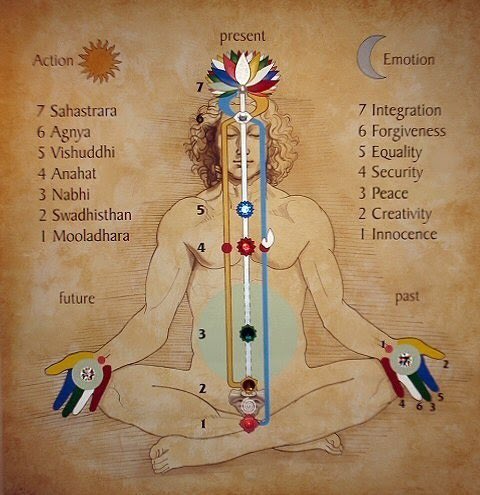
There are also three very subtle currents within the Sushumna Nadi. These are called Vajra, Chitrani, and Brahma Nadi. The Brahma Nadi is the center and source of power for all the channels. The Brahma Nadi reaches the center of the brain and spreads around in thousands of parts. That is why that place is called Sahasra Dal Lotus. The Sahasra Dal belongs to the subtle worlds – the world-wide powers. By which the infinite powers of God are caught from the astral world, the Brahma Nadi within the Sushumna in the last part of the spinal cord is bound by a black hexagon atom

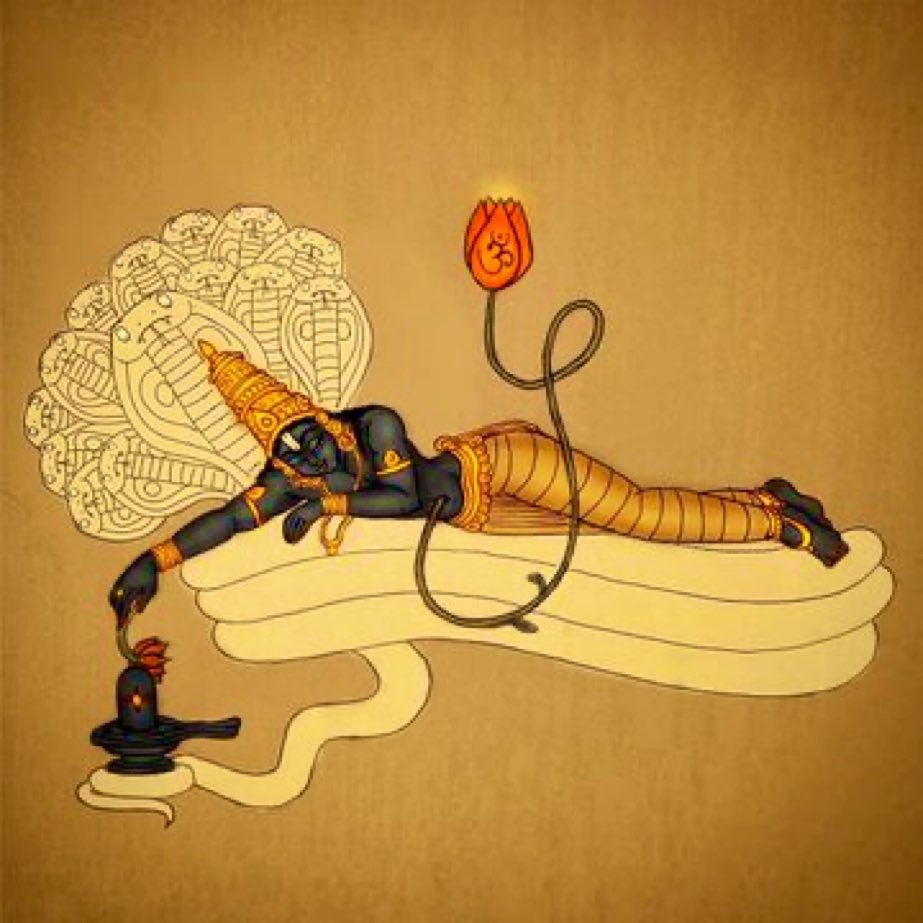
The hexagon atom has been called Kurma in figurative language in yogic texts. Its shape is like a turtle. The earth rests on God Kurma. It is dependent on the hood of Sheshnag. The basis of this statement is the shape of the Brahmanadi, which is entwined in this kurma. And holding on to life. If he abandons his base, it will not take long for the land of life to crumble into pieces. The place of intermingling of the Brahma Nadi from Kurma is called Kundalini in spiritual language. Due to being annular, she was named Kundalini

The glory, power, and usefulness of Kundalini are so much that the intellect cannot even imagine. The atom remains a miracle for the inventors of physics. After the method of breaking it has been found, the source of tremendous energy has come into the hands of scientists.
Right now, a part of his energy has been seen to be destructive. A big side of creativity and power is untouched. It is a matter of the power of the atom from the inertial world, which one would have to be surprised to see, a spark of the living world, infinitely more powerful than the inertial atom

Everyone is aware of the power and achievements of science. The achievements of yoga are riddhi and siddhis. Just as many scientists are engaged in the research of atoms. In the same way, the ancient spiritual sciences, the wise rishis, had researched a lot about a seed atom within the human body and benefited from its infinite power. The best place to break, large, or move two atoms is in the Kundalini center because the living atoms of all other places are round and smooth, but in Kundalini, it is wrapped in the form of Mithun ( Gemini).

Just as the atoms of uranium and plutonium are kneaded in such a zig-zag manner that it is easier to break them down than atoms of other substances. In the same way, the movement of the Kundalini sparkling atoms is more convenient for the desired movement. Therefore, the sages of the past researched Kundalini awakening with great readiness. After testing and experimenting with research, he gained so much power that it is considered a miracle. Kundalini has been called the storehouse of secret powers। Precious gems are kept in a safe and kept in a secret place. Strong locks are installed in it so that no unauthorized outsider can get it. God has also given the treasures of man’s infinite powers but has put six locks on them.
These are called awaken kundalini. These locks have been installed in the form of chakras so that no one can get them undeserved. The six locks and six chakras on the Kundalini power have to be pierced. Normally, the Kundalini sits in a disheveled state facing downwards in the perineum

To awaken him, one has to take refuge in the divine prana energy. The unconscious Kundalini superpower is awakened by the high-level practice of meditation yoga. Prana Sadhana in yoga fulfills this goal. Along with the process of Kundalini awakening, the seeker has to resort to self-reflection and self-improvement. Spiritual practice done on the double front makes the inner part of the Purushartha seeker full of power and power

A distinct era of cosmic evolution: Mystic of Sanatan knowledge.

Describe a man who has positively impacted your life.

Believe it or not!!!

It is described in the Mahabharata that Sanjaya, the charioteer of Dhritarashtra, was bestowed with divine vision so that he could describe the events of the war to him. But, even before the question of war began, Dhritarashtra asked him to describe what the world looked like from space

यथा हि पुरुषः पश्येदादर्शे मुखमात्मनः।

एवं सुदर्शनद्वीपो दृश्यते चन्द्रमण्डले।

द्विरंशे पिप्पलस्तत्र द्विरंशे च शशो महान्।।

Just as a man looks at his face in a mirror, this island (earth) appears in the mainstream. It has two parts of pipal (peepal leaves) and two parts of the great hash (rabbit). Based on this verse, Saint Ramanujacharya made a map, but seeing some leaves and a rabbit, the world made fun of it. Much later, when the picture was turned upside down, reality came out


In the Jai Samhita, geography is described in detail from the 12th verse of the sixth chapter of Bhishma Parva to the 37th verse of the 13th chapter.
Sanjaya says to Dhritarashtra:

सुदर्शनं प्रवाक्ष्यामि द्वीपं ते कुरुनन्दन।

द्विरांशे पिप्पलस्तत्र द्विरांशे च शशो महान्

Inside this circle, two parts of this wheel look like rabbits and two parts look like the leaves of the peepal tree

The Cycle of Creation & Destruction: The Power of 4

1. Satya Yuga:

Good and evil existed in two separate worlds: Devlok and Asurlok.

2. Treta Yuga:

Good and evil lived in the same world, exemplified by Shri Ram and Ravan.

3. Dwapara Yuga:

Good and evil were found within the same families: the Pandavas and Kauravas.

4. Kali Yuga:

Good and evil have become the same person, highlighting the complex nature of morality in this age.


🔸Satya Yuga: The era of purity.

🔸Treta Yuga: The era of righteousness.

🔸Dwapara Yuga: The era of heroism.

🔸Kali Yuga: The era of trials and tribulations.

These cycles shape humanity and the universe, guiding us through the eternal dance of life and time.

The universe will reflect that back to you.

You have three magic genie wishes, what are you asking for?

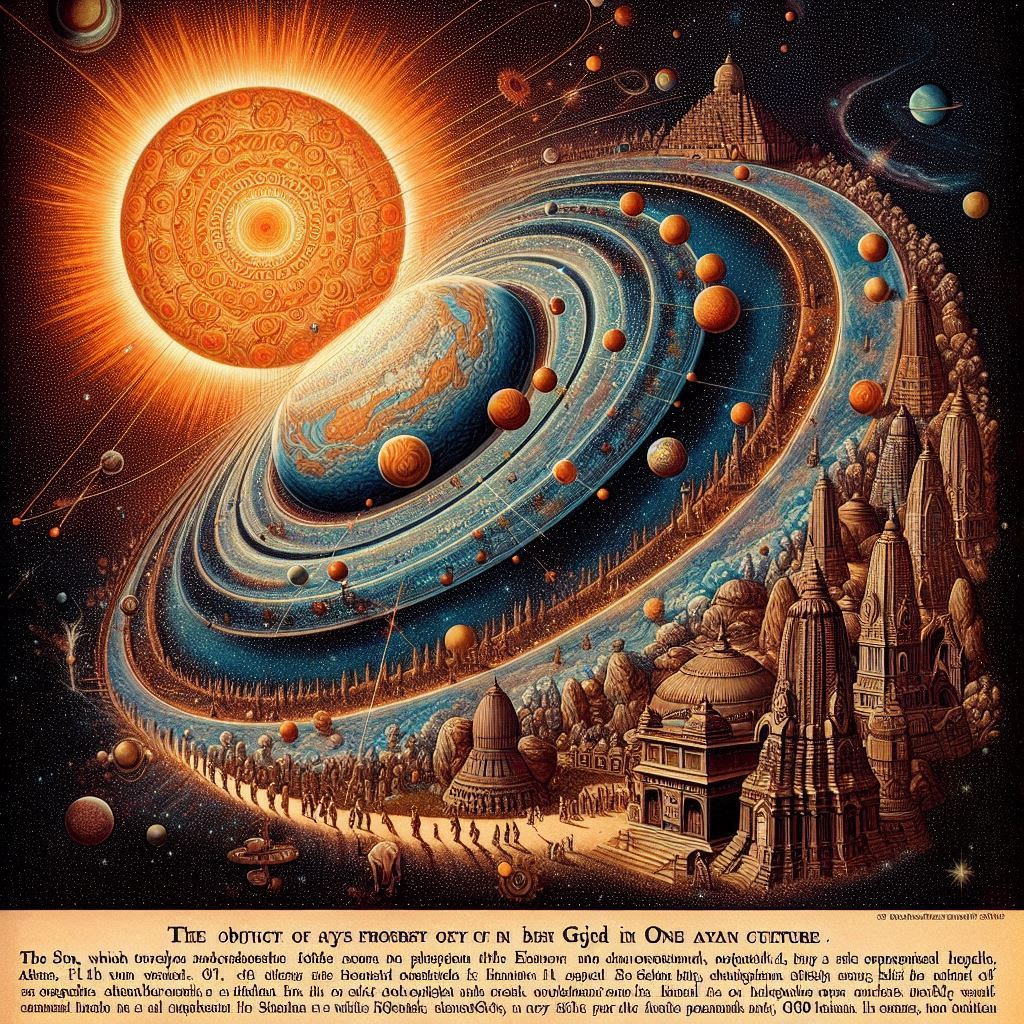
Speed of Sun = 2000 yojanas + 2 kos (Asha yojana) per moment .


The Sun, which travels a distance of nine crores fifty-one lakh yojanas in one Ahoratri at such a rapid speed, is considered to be God in Sanatan culture. No object in this galaxy remains unreasonable; it is the foremost duty of every human being to respect them. One thing is clear from the description so far: the expansion of the solar system is nine crores and fifty-one lakh yojanas, and the orbital path of the earth is also the same. The Earth completes this distance in one Samvatsar, and the Sun completes this distance in one Ahoratra. The speed of the Sun is 20005 Yojanas per moment and the speed of the Earth is 26055 Yojanas per day.

Each body (mah) has two spines… 1 axial spine, and 2 revolution spines.

Each month rotates around its axis and moves bently, walking on a circuitous path. This inclination is considered by modern scientists to be 23 degrees. Just as the Earth has two spines, the Sun has two spines. The Sun rotates on its axis and completes one cycle in one Ahorattra, i.e. 9,51,00,000 yojanas. The Sun moves on its rotational path and revolves around the pole, taking one cycle to complete a cycle. These are the two spines of the Sun. Similarly, Dhruva also has two Meru. All the bodies are comprised of pairs of meru. Thanking these bodies is an important task. 

1.  The backbone that supports the structure of the body. It is also called the spinal cord.

2.  The life cycle of a living entity is also the journey from birth to death. Every living thing, every sun, constellation, star, and moon, is connected by two spines.

It’s a season. Ritaye Namah. Why does the sun move? Why does the earth collapse? Why does it spin? Walking is the sun’s destiny. It is the nature of the earth to revolve. Rotation is the destiny of the planets. The destiny which is narrated through the medium, the same destiny has also tied the planets. Everyone has an activity. They have an impact on mankind. The mood disposition is based on this object

The sun is moving, the earth is moving. They are all God. If the Lord does not act, how can the living entity be engaged in Kriya? Instinct is life. Retirement is death. God is a living being active. Therefore, nature has the status of a mother. Self-actions are religions. Acting according to one’s nature is Swadharma. Nature is pre-attained, from birth, from past birth, from destiny. Disposition cannot be changed. Nature is strong. It is our welfare to do natural actions. There is success in natural actions. Therefore, one should be engaged in natural action.

True infinite

यतः प्रवृत्तिः भूतानां येन सर्वमिदं जगत् ।

स्व कर्मणा तमभ्यर्च्य सिद्धि विन्दति मानव ॥

(गीता १८/४६)

We have our origin from the earth, we have our origin from us. The sun is the earth from the earth, the sun rises from the sky element and the sun is self-evident. Therefore, the sun rotates on its axis and performs its work, and sadhana, the pole traveling in its orbit, worships the sky. The earth worships itself while traveling on its axis and also worships the sun dancing around the sun. We worship ourselves in samadhi (suptatastha) and worship the five bhutas through daily activities. In doing so, the opening of the Surya Siddha, i.e., Anahad Chakra and the flow of infinite love, is a pleasant experience of spiritual life. There is a ritual of sadhana in the root of the earth element, which is the place of Lord Ganesha. Our Lord is the soul (Sun). The Lord of the Sun (Jyoti) is the sky (void. That is why it is said to be ego emptiness. I have very little capacity to put into words this universe and this beautiful Mother Nature.

On reaching the Supreme Stage, the yogi realizes that He is his own God. The goal of everyone’s life is to know oneself and believe in God. The sun is worshipping itself; the earth is doing its sadhana, which is based on tolerance. The creature is meditating. All are self-centered. This self-center is tied to some other center. The second is also tied to a third. Third, there is no end to a fourth, and so on. To make ends meet, we consider someone who is not bound by anyone. Therefore, Shiva is infinite