Your belief always playing with you .

The Secret of the Sun’s Rays (Savitṛ’s Power) – An Esoteric Explanation


In the Vedas, Savitr – the stimulating, life-giving aspect of the Sun – is revered as the source of higher consciousness. The famous Gayatri Mantra is an invocation to Savitr, awakening inner awareness and divine illumination. In the Rgveda (1.115.1), Surya’s rays are described as sevenfold (sapta asva), representing not only physical light but also seven layers of cosmic and spiritual energy.

The Seven Rays of the Sun – Esoteric Correspondences

1. Physical Light (Rupa Jyoti)

The visible sunlight that nourishes the physical world. It sustains nature, provides warmth, and enables life on Earth.

2. Life Force (Prana Śakti)

Beyond physical light, the Sun radiates the vital energy (prana) that animates every living being. Without this life force, existence is impossible.

3. Intellect (Buddhi Tejas)

The Sun’s rays symbolize illumination of the mind, bestowing clarity, intelligence, and the ability to discern truth from falsehood.

4. Higher Mind (Manas)

The ray that acts as a bridge between ordinary human thought and divine intelligence. It uplifts consciousness toward universal awareness.

5. Intuition (Vijnana)

Direct inner perception beyond logic and reason. This is often linked with the awakening of the “third eye,” guiding seekers toward subtle truths.

6. Divine Will (Iccha Śakti)

The Sun as Hiranyagarbha (the golden womb) represents the creative impulse of the cosmos. This ray channels the power of divine intention and manifestation.

7. Pure Consciousness (Cit Śakti)

The highest and subtlest ray – the formless, eternal radiance of Brahman. It transcends all dualities and reveals the unity of existence.

The seven rays of the Sun are not merely physical phenomena but deep esoteric symbols. They represent layers of energy that sustain life, awaken the mind, and connect human beings to the cosmic order. Through the practice of the Gayatri Mantra and contemplation on Savitr, one can gradually align with these rays – moving from the outer light of the Sun to the inner radiance of pure consciousness.

Thus, the Sun is not only the physical source of life but also the eternal teacher (guru) that illuminates the path of spiritual awakening.

Ring Finger and the Sun Planet in Palmistry


In palmistry, every finger is believed to be connected with a specific planet. The ring finger (Anamika) is associated with the Sun planet (Surya). The Sun symbolizes self-expression, creativity, fame, and honor. In this blog, we will explore how the shape and size of the ring finger reflect different aspects of a person’s personality and life.


1. Influence of the Sun Planet

The ring finger is linked with the Sun, which represents fame, creativity, and self-expression. Those who have a long and straight ring finger are believed to possess the ability to make a special mark in society and stand out from the crowd.


2. Artistic and Creative Abilities

A long and strong ring finger is considered a sign of creativity and artistic talent. Such individuals are often successful in fields like art, music, writing, and performance. On the other hand, a bent or weak ring finger may indicate a lack of creativity or struggles in expressing oneself.


3. Inclination Toward Fame and Recognition

A strong ring finger reflects the desire for fame and recognition. People with long ring fingers usually aspire to earn name and respect in society. In contrast, a short ring finger often indicates shyness, hesitation, or lack of confidence.


4. Courage and Risk-Taking Attitude

Those who are courageous and willing to take risks usually have a long ring finger. They are not afraid of trying new experiments and have the potential to achieve great heights in their career. A weak ring finger, however, may suggest hesitation or fear of taking risks.


5. Importance of the Ring Finger’s Shape

Long Ring Finger – Sign of confidence, creativity, and inclination toward fame.

Short Ring Finger – Suggests hesitation and lack of self-expression.

Thick Ring Finger – Represents a bold and courageous personality.

Thin Ring Finger – Indicates lack of confidence and weaker energy.


6. Relationship with Other Fingers

Distance between Ring Finger and Index Finger – Shows independent thinking and unique perspectives.

Ring Finger and Middle Finger of Equal Height – Represents balanced and mature thinking.

In palmistry, the ring finger provides insights into a person’s creativity, fame, and self-expression. Its length, thickness, and position reveal not only personal strengths but also the inclination toward recognition and courage. A balanced ring finger is considered a blessing of the Sun, symbolizing radiance, confidence, and success in life.

Sun Worship: The Importance of Aditya Hridaya Stotra and Solar Eclipse


In Hinduism and Vedic astrology, the Sun is regarded as the symbol of energy, life, and success. There are two significant ways of worshiping the Sun – through the Aditya Hridaya Stotra and the traditions associated with the Solar Eclipse. This blog explores the importance of both.

✨ Importance of Aditya Hridaya Stotra

Mythological Origin

The Aditya Hridaya Stotra is found in the Yuddha Kanda of the Valmiki Ramayana. During the battle between Lord Rama and Ravana, Sage Agastya revealed this hymn to Rama. By reciting it, Rama gained new strength and confidence, ultimately leading to his victory.

Key Benefits

Confidence and Courage – Strengthens willpower and bravery.

Energy and Health – Provides both mental and physical vitality.

Victory and Success – Blesses one with triumph over obstacles and success in endeavors.

Healing Power – Helps overcome diseases and suffering.

Spiritual Growth – Brings peace, focus, and higher consciousness. Reciting the Aditya Hridaya Stotra at sunrise while offering water to the Sun is considered especially powerful.

Importance of the Solar Eclipse

Astrological Perspective

A solar eclipse occurs when the Moon comes between the Sun and Earth. In astrology, it is considered a powerful celestial event that can influence life and destiny.

Spiritual Beliefs

Chanting and Meditation – Prayers and mantras recited during an eclipse are believed to have multiplied benefits.

Bathing and Charity – Taking a ritual bath and performing charity after the eclipse is considered auspicious.

Precautions – Pregnant women are advised to take extra care during this period.

Negative Energy – Many traditions hold that negative energies become active during an eclipse, which is why spiritual practices are emphasized.

A solar eclipse is a fascinating astronomical event that demonstrates the movements and alignments of the Sun, Moon, and Earth. From a scientific point of view, it offers an opportunity to explore the mysteries of the cosmos.

Aditya Hridaya Stotra is a powerful source of courage, energy, and victory in life.

Solar Eclipse holds significance both spiritually and scientifically. When we combine Sun worship through the chanting of Aditya Hridaya Stotra with the spiritual practices of the solar eclipse, we gain strength, wisdom, and self-confidence in life.

Vishnu Sahasranamam: A Divine Blend of Spirituality and Science

What personality trait in people raises a red flag with you?

How spirituality Raises pain barrier ??

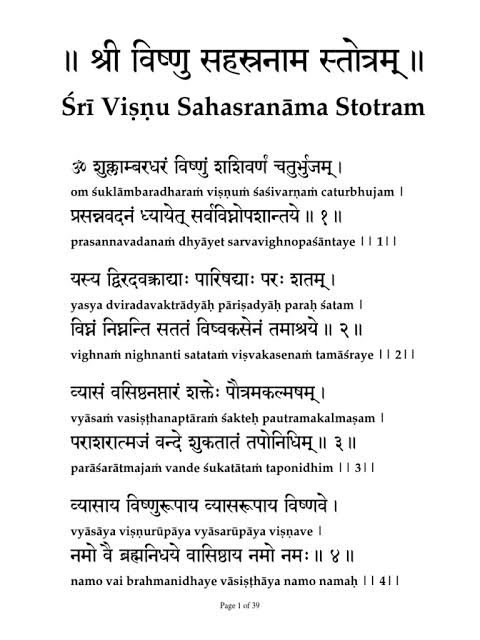
The Vishnu Sahasranamam contains 1,000 names of Lord Vishnu, describing His infinite forms, qualities, and cosmic functions.
Each name carries deep philosophical and spiritual meaning.

Traditionally, it is recited in the morning or evening for maximum benefit.

Opening Meditation Verse.

Before beginning the recitation, this shloka is chanted to meditate upon Lord Vishnu:


Shantaakaaram Bhujagashayanam Padmanaabham Suresham
Vishvaadhaaram Gaganasadrisham Meghavarnam Shubhaangam ||
Lakshmikaantam Kamalanayanam Yogibhirdhyaanagamyam
Vande Vishnum Bhavabhayaharam Sarvalokaikanatham ||

The Scientific Importance of Vishnu Sahasranamam

1. Sound & Vibrations :
Every syllable in Sanskrit produces a unique vibration. Continuous chanting of these thousand names creates healing frequencies that affect the mind and body. Studies show chanting activates Alpha & Theta brain waves, linked to deep relaxation and meditation.


2. Mental Health :
Regular recitation reduces Cortisol (stress hormone), eases anxiety, and brings emotional stability—working like powerful positive affirmations for the subconscious mind.


3. Heart & Breathing :
The rhythmic pace of chanting regulates breathing, calms the heartbeat, and stabilizes blood pressure, improving cardiovascular health.


4. Neuroscience & Memory :
Chanting engages both hemispheres of the brain—left (logic) and right (creativity). This improves memory, focus, and learning abilities.


5. Collective Chanting Effect :
When chanted in a group, it creates a field of resonance energy. This positive vibration uplifts the environment, promoting unity, harmony, and peace.

Vishnu Sahasranamam : Mantra for Complete Healing

Sanskrit mantras harmonize the body, mind, and soul. One of the most powerful is the Mahamrityunjaya Mantra:

Om|| Tryambakam Yajaamahe Sugandhim Pushtivardhanam
Urvaarukamiva Bandhanaan Mrityor Mukshiya Maamritaat ||

This mantra resonates with healing frequencies, boosting immunity, calming the nervous system, and accelerating physical and emotional recovery.


🧠 Today’s Challenge: Mental Health 🧠

In today’s fast-paced digital world, the biggest challenge is stress, anxiety, and digital overload.

✅ Just 10 minutes of Vishnu Sahasranamam chanting daily brings calmness, focus, and positive energy.


💪 Upcoming Challenge: Health Issues 💪

Modern lifestyles give rise to chronic health issues like:

Lifestyle Disorders: BP, Diabetes, Obesity

Sleep Problems: Insomnia, stress-induced restlessness

Low Immunity: Frequent infections, fatigue
A blend of Ayurveda, chanting, and meditation can prevent and heal these issues effectively.

The Impact of Spirituality

Spirituality is not just ritual—it’s a bridge between psychology and neuroscience.

✨ Benefits of spiritual practice:

Increases mindfulness and awareness

Strengthens emotional balance

Enhances harmony in relationships

Accelerates natural healing and immunity

The Vishnu Sahasranamam is not only a sacred hymn—it is a perfect synergy of Sound Therapy, Meditation, Neuroscience, and Ayurveda.
Incorporating it into daily life leads to mental clarity, emotional stability, physical wellness, and spiritual growth.

Cosmic Medicine & Mantra Healing: The Science of Inner Transformation


What is Cosmic Medicine?

Cosmic Medicine is the ancient wisdom that recognizes the universe (cosmos) and the human body as reflections of each other.
Just like the cosmos is made of vibrations, energies, and elements, the human body is also composed of the same five elements (Panchamahabhutas – Earth, Water, Fire, Air, and Space).

When the body and mind fall out of harmony, diseases arise.

Mantras act as cosmic codes that realign us with universal vibrations, restoring health and balance.


In simple terms: Cosmic Medicine = Healing through universal energy + sound vibrations + consciousness.


How Do Mantras Heal Every Organ of the Body?

Mantras are not just words—they are vibrational frequencies. When chanted with devotion and rhythm, each syllable resonates with specific parts of the body.

✨ Mechanism of Mantra Healing ✨

1. Vibration Resonance

Every organ has a natural frequency.

Mantra vibrations entrain (synchronize) these frequencies, helping restore balance.


2. Nervous System Activation

Chanting stimulates the vagus nerve, regulating heartbeat, breath, digestion, and emotional balance.


3. Hormonal Balance

Mantras calm the hypothalamus and pituitary glands, reducing stress hormones and promoting healing hormones like oxytocin, melatonin, and serotonin.


4. Cellular Healing

Modern research shows sound waves can influence DNA repair and cellular regeneration. Sanskrit mantras work as “sonic medicine.”


Impact of Chanting on the Body

1. Brain 🧠 – Activates alpha and theta waves → peace, creativity, deep focus.


2. Heart ❤️ – Regulates heartbeat, blood pressure, strengthens cardiovascular health.


3. Lungs 🌬️ – Deep rhythmic chanting improves lung capacity and oxygen supply.


4. Digestive System 🔥 – Activates the parasympathetic nervous system → better digestion.


5. Immune System 🛡️ – Reduces inflammation, strengthens natural immunity.


6. Emotional Body 🌸 – Releases fear, anxiety, anger → replaces with positivity and compassion

Daily Routine for Spiritual Practice (Practical Solution)


Here’s a balanced daily routine that integrates cosmic medicine, mantra healing, and spiritual discipline:

🌅 Morning (Start the Day with Light & Energy)

1. Wake up during Brahma Muhurta (4–6 am) – best time for meditation.


2. Hydrate – drink warm water with lemon or tulsi.


3. Mantra Practice:

Gayatri Mantra for clarity & energy.

Om chanting (11 or 21 times) for cosmic alignment.


4. Yoga & Pranayama – 20 minutes for breath, balance, and energy.


🕛 Midday (Balance Work & Life)

1. Eat Sattvic food – light, nourishing meals.


2. 5-minute mindful breathing or chanting “So-Ham” mantra during break.


3. Gratitude pause – mentally repeat “Thank You” for 3 things.


🌇 Evening (Transition from Work to Inner Peace)

1. Sunset Meditation – light a lamp, chant Vishnu Sahasranamam or Mahamrityunjaya Mantra.


2. Family Prayer/Chanting – collective vibration strengthens harmony at home.


🌙 Night (Healing & Deep Rest)

1. Light chanting of Om Shanti Shanti Shanti before bed.


2. Silent meditation (5 minutes) focusing on breath.


3. Sleep early for natural circadian rhythm.


Cosmic Medicine teaches that the body is healed when it vibrates in harmony with the universe.

Mantras act as vibrational tools that heal every organ, regulate the nervous system, and strengthen immunity.

A daily spiritual routine of chanting, meditation, and mindful living is the ultimate preventive and curative medicine—balancing body, mind, and soul.

Damru – The Pulse of Creation, Destruction, and Balance

Are you holding a grudge? About?

Shiva damru: perfect embodiment of this universal law.


Damru – The Pulse of Creation, Destruction, and Balance

Between creation and destruction lies the most powerful truth of existence: Balance.
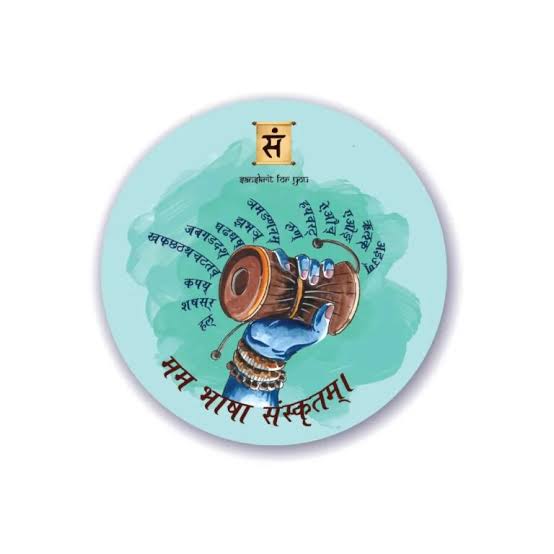
And the Damru, the sacred drum of Lord Shiva, is the perfect embodiment of this universal law.


The Symbolism of the Damru

The Damru is no ordinary instrument—it is Shiva’s favorite companion and a timeless spiritual symbol. Its two ends reflect the dualities of life:

One end: Creation, expansion, birth.

The other end: Dissolution, destruction, return to the source.


At the center lies the knot, the present moment, reminding us that life is about balance in the now.

It is believed that from the Damru’s vibrations, the sacred sound “Om” was born—the very first sound that set the cosmos into motion.


Shiva, Nataraja, and the Dance of the Damru

Shiva is known as Nataraja—the Cosmic Dancer. His dance, the Tandava, is the eternal rhythm of the universe, where creation and destruction flow seamlessly.

With every beat of the Damru, the cycle of life spins—birth, growth, death, and rebirth.


Maheshwara Sutras – The Divine Blueprint of Language

When Lord Shiva played the Damru during the cosmic dance, 14 sound patterns (sutras) emerged. These are known as the Maheshwara Sutras, considered the foundation of Sanskrit grammar (Panini’s Ashtadhyayi).

The 14 Maheshwara Sutras

1. अ इ उ ण (a i u ṇ)


2. ऋ ऌ क (ṛ ḷ k)


3. ए ओ ङ (e o ṅ)


4. ऐ औ च (ai au c)


5. ह य व र ट (ha ya va ra ṭ)


6. ल ण (la ṇ)


7. ञ म ङ ण न म (ña ma ṅa ṇa na ma)


8. झ भ ञ (jha bha ña)


9. घ ढ ध ष (gha ḍha dha ṣa)


10. ज ब ग ड द श (ja ba ga ḍa da śa)


11. ख फ छ ठ थ च ट त व (kha pha cha ṭha tha ca ṭa ta va)


12. क प य (ka pa ya)


13. श ष स र (śa ṣa sa ra)


14. ह ल (ha la)

Spiritual Essence


These Sutras are not just linguistic sounds—they are cosmic vibrations.

They carry the energetic blueprint of speech, mantra, and sound.

Each sutra resonates with a different aspect of creation, consciousness, and energy flow.


Just as Beej Mantras unlock hidden powers, the Maheshwara Sutras form the DNA of all Sanskrit mantras and Vedic chants.


The Power of Beej Mantras

Every vibration of the Damru is a seed of sound—what the Vedas call Beej Mantras.

Om – the seed of creation, ultimate vibration of existence.

Hreem – the seed of divine energy, Shakti.

Shreem – the seed of abundance and prosperity.

Kleem – the seed of attraction, love, and harmony.


When combined, these Beej sounds awaken higher consciousness, cleanse negative energies, and channel divine power into daily life.

Thus, the Damru is the source of all mantra-shakti.


Damru in Scriptures and Traditions

The Shiva Purana and Natya Shastra describe the Damru as Nada Brahma—the Sound of the Divine.
In Yoga and Tantra, its vibrations are revered as tools for awakening, energy flow, and inner balance.
It is consciousness in motion, guiding us from the ordinary to the cosmic.


Lifestyle & Vedic Wisdom – Living the Damru

In today’s fast-paced world, the Damru offers timeless wisdom:

Time Keeping – Honor life’s natural cycles. Rest when needed, act when inspired.

Energy Flow – Align with nature’s rhythm to stay vital and balanced.

Mindfulness – Live in the knot—the present moment.


By tuning into the Damru’s message, we embrace a balanced lifestyle rooted in Vedic wisdom. It teaches us that real power is not in extremes but in living harmoniously between them.


The Eternal Message

The Damru is more than a musical instrument—it is:

The heartbeat of the cosmos

The rhythm of our breath

The source of mantras and language

The reminder that beyond chaos and calm, balance is life’s ultimate truth


Next time you see Shiva holding the Damru, remember
It is not just sound.
It is creation, destruction, mantra, and the cosmic balance within you.

Trikatu Churna: A Natural Ayurvedic Remedy for Digestion, Cough & Throat Problems

Share a story about the furthest you’ve ever traveled from home.

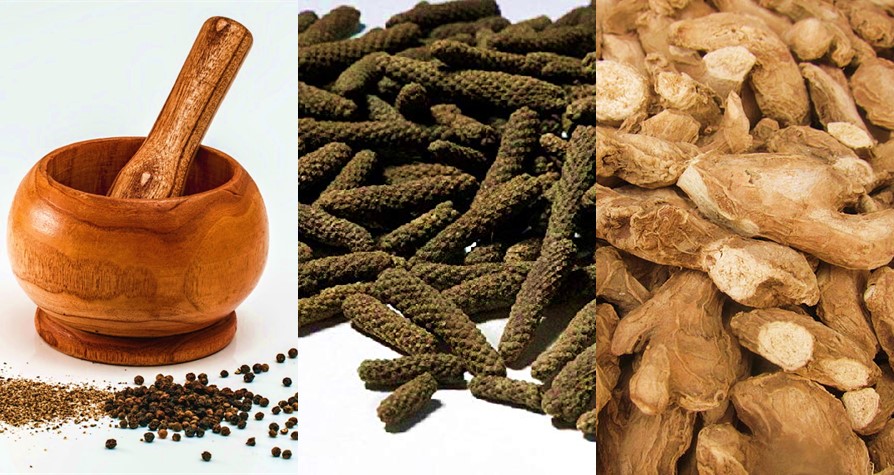
At Dakshinamurthy Ayurveda Pvt. Ltd., we believe in the timeless wisdom of Ayurveda and its ability to heal naturally. One such classical formulation is Trikatu Churna, a powerful blend of three herbs – Dry Ginger (Saunth), Long Pepper (Pippali), and Black Pepper (Kali Mirch). Together, these three create a synergy that supports digestion, immunity, and respiratory health.


🌿 Key Benefits of Trikatu Churna

✔️ Boosts Digestion – Enhances appetite, relieves gas, bloating, and indigestion.
✔️ Relieves Respiratory Issues – Effective in cough, phlegm, sore throat, and cold.
✔️ Aids Weight Management – Improves metabolism and supports healthy fat burning.
✔️ Natural Detoxification – Helps expel toxins (Ama) from the body.
✔️ Balances Doshas – Especially helpful in Kapha and Vata disorders.
✔️ Increases Medicine Efficacy – Enhances the absorption and action of other Ayurvedic formulations.


Trikatu Churna for Throat Problems

Throat irritation, hoarseness, and seasonal congestion are common health challenges. Instead of chemical syrups or antibiotics, Trikatu Churna with honey works as a safe natural remedy.

Its warming properties soothe the throat.

Helps reduce phlegm and clear airways.

Provides natural relief from sore throat and cough.


Dosage: Take 1–2 grams of Trikatu Churna with honey twice a day for throat comfort and respiratory relief.

🚫 Side Effects of Antibiotics in Cough & Cold


Many people immediately take antibiotics for mild cough, sore throat, or cold. But most of these are viral infections, where antibiotics do not work. Instead, their misuse may lead to:

Weakening of natural immunity

Gut imbalance and digestive issues

Antibiotic resistance (making future infections difficult to treat)

Side effects like diarrhea, nausea, or skin allergies


This is why Ayurveda offers a safe alternative – herbs like Trikatu Churna that strengthen the body without harmful effects.


✅ How to Use

👉 1–2 grams of Trikatu Churna with honey or lukewarm water after meals.
👉 For cough and throat irritation, prefer mixing it with honey for better relief.

In a world where antibiotics are often misused, Trikatu Churna emerges as a safe, natural, and effective alternative. At Dakshinamurthy Ayurveda Pvt. Ltd., we are committed to reviving such classical formulations that not only heal but also empower the body’s natural defense system.
Embrace Ayurveda, choose wellness the natural way.

Work with tradition of YOG : Kalaripayattu

Interview someone — a friend, another blogger, your mother, the mailman — and write a post based on their responses.

Kalaripayattu – The World’s Oldest Martial Art .


In the history of human civilization, self-defense and combat skills have always played a vital role. India has not only given the world timeless treasures like Yoga and Ayurveda, but also the world’s oldest martial art – Kalaripayattu. Today, it is often called the “Mother of Martial Arts.”


🌿 Mythological Origins

According to ancient texts, the roots of Kalaripayattu can be traced back to two great sages –

Sage Agastya – who developed unarmed Kalaripayattu (combat without weapons).

Lord Parashurama – who introduced armed Kalaripayattu (combat with weapons).


Thus, this art was not limited to warfare alone; it also became a path of spiritual, mental, and physical balance.


⚔️ Lord Krishna and Kalaripayattu

Lord Krishna is considered the very first master of this discipline.

At the age of 16, he used this knowledge to defeat wrestlers like Chanur and Mushtik.

In Mathura, he struck down a wicked washerman with just the blow of his palm.


Later, Sage Agastya widely propagated this art, making it an integral part of society.


🏹 Meaning of Kalaripayattu

The term is made up of two words –

“Kalari” – meaning school or training ground.

“Payattu” – meaning combat or practice.


In essence, Kalaripayattu = The school of martial training. It is not just a martial art but also a symbol of discipline, dedication, and spiritual practice.


From India to China – The Journey of Bodhidharma

The global spread of this martial art is credited to Bodhidharma.

He was born into the royal Pallava dynasty in Kanchipuram, South India.

At a young age, he renounced his kingdom and became a monk.

Bodhidharma carried Kalaripayattu to China, where it evolved into the world-renowned Shaolin martial arts.


Why Kalaripayattu is Unique

Balances both the body and the mind.

Combines self-defense with meditation, breathing techniques, and yoga.

Teaches discipline, restraint, and spiritual growth.

Served as the foundation for modern martial arts like Karate, Kung Fu, and Judo.

Kalaripayattu is not just a method of combat, but a priceless gift of India’s cultural and spiritual heritage. It blends strength with compassion, warfare with balance, and discipline with self-realization.

At a time when the world is searching for new forms of fitness and self-defense, this ancient art reminds us that India has long held the wisdom that connects body, mind, and soul.

Bh

Ashwagandha as the Plant of Ketu

What TV shows did you watch as a kid?

Ketu and Ashwagandha

In Ayurveda, it is said that on this Earth, the only plant or herb considered “useless” is the one about which we lack knowledge. Ayurveda itself is regarded as an Upaveda of the Atharvaveda.

The Atharvaveda gives detailed descriptions of plants, their medicinal as well as astrological applications. Unfortunately, many plants are no longer correctly identified, but those that are known have proven and precise uses. While the proper therapeutic applications should always be guided by a qualified Ayurvedic physician, today, on Dakshinamurthy Ayurveda’s blog – Spirituality is Beyond Science, let’s explore the astrological and medicinal significance of Ashwagandha.

Ashwagandha is associated with Ketu, the planet that represents action and detachment. I often write that Rahu symbolizes illusion, thoughts, and desires, while Ketu represents the execution or manifestation of those thoughts into reality. In other words, Rahu is thought, Ketu is action.

So, when stress or other factors cause insomnia or restlessness, Ashwagandha helps calm Rahu’s confusion and supports Ketu’s grounding effect.


Traditional Practices with Ashwagandha

For insomnia and stress: Crush two fresh Ashwagandha leaves with your fingers, roll them into a small ball, and swallow with water.

For weight gain or general vitality: Those without weight concerns can take Ashwagandha root powder with milk, or consume Ashwagandha Pak. This is usually taken for 7 days, then paused for 7 days, and repeated as needed.


In Skin Diseases and Delayed Healing

The spread and complexity of disease cannot be assessed without understanding Rahu’s role. Rapidly growing or irregular cell behavior (such as in cancer), or wounds that resist healing, also fall under Rahu’s domain.

In such conditions, Ashwagandha leaf paste applied externally has shown benefit, especially in cases like skin disorders or diabetic foot wounds that heal slowly.


Other Classical Uses

Chronic fevers: A combination of Giloy (Guduchi) juice and Ashwagandha juice is traditionally used to bring down persistent fevers.

Insomnia & stress: When taken in appropriate amounts, Ashwagandha is one of the safest remedies, with no side effects.

Reproductive health:

In women, Ashwagandha is used in cases of Leucorrhea and irregular menstruation, often linked to the disturbed influence of Chandra (Moon) and Rahu.

In men, it helps with infertility, low sperm count, and poor sperm motility.


Spiritual and Astrological Note

Rahu’s illusions and expansions can only be balanced by Ketu’s wisdom. Therefore, during Ketu’s Mahadasha, Antardasha, or challenging transits, it is recommended to plant an Ashwagandha herb at home and nurture it. This act itself brings spiritual harmony.

At Dakshinamurthy Ayurveda Pvt. Ltd., we believe Ayurveda is not just a system of medicine but a living tradition that connects health, nature, and cosmic energies. As we often emphasize through our blog “Spirituality is Beyond Science”, true wellness is achieved when body, mind, and spirit are aligned.

⚠️ Disclaimer: The information above is meant for educational and cultural discussion. Always consult a qualified Ayurvedic practitioner before using Ashwagandha or any herbal medicine for health purposes.

🌿 Today’s Common Illnesses


In modern life, most people suffer from lifestyle-related illnesses:

Stress, anxiety & insomnia (caused by overthinking, work pressure, screen exposure)

Diabetes & hypertension (due to irregular diet, lack of exercise)

Low immunity (frequent infections, weakness)

Fertility issues in both men and women

Chronic fatigue & low energy


Ayurveda looks at these problems as imbalances in doshas (Vata, Pitta, Kapha) and weak immunity (Ojas).


🌱 Healing with Ashwagandha

Ashwagandha (Withania somnifera), also called Indian ginseng, is one of Ayurveda’s most powerful herbs.

How it helps today’s illnesses:

1. Stress & Insomnia → Ashwagandha calms the nervous system, reduces cortisol (stress hormone), and improves sleep quality.


2. Low Immunity → It strengthens Ojas (vital energy), helping the body fight infections.


3. Diabetes & Weak Healing → Supports better metabolism and faster wound healing.


4. Weakness & Fatigue → Acts as a natural rejuvenator (Rasayana), increasing strength and stamina.


5. Fertility Issues → Improves sperm count in men, balances hormones in women.


Ways to use (with Ayurvedic guidance):

Ashwagandha powder (Churna): 3–5 grams with warm milk before bed.

Ashwagandha tablets/capsules: Safer for daily use in measured doses.

Ashwagandha root decoction or leaf paste: For specific conditions (like wounds or skin problems).


⚠️ Always take under the guidance of a qualified Ayurvedic practitioner, since dosage and form vary depending on your health condition.


💊 The Challenge with Antibiotic Treatment

Modern antibiotics are lifesaving, but there are serious challenges today:

1. Antibiotic Resistance – Overuse and misuse of antibiotics cause bacteria to adapt, making infections harder to treat.


2. Side Effects – Antibiotics can disturb gut health, leading to acidity, diarrhea, and reduced immunity.


3. Short-term Relief, Not Root Cause – They kill bacteria but don’t strengthen the body’s natural defense system.


This is where Ayurveda offers a complementary path. Instead of just fighting microbes, herbs like Ashwagandha, Giloy, and Tulsi build inner strength (immunity), making the body less dependent on repeated antibiotic use.

Today’s illnesses mostly come from stress, poor lifestyle, and low immunity.

Ashwagandha is a powerful healer for stress, sleep, energy, immunity, and reproductive health.

The big challenge with antibiotics is resistance and side effects, while Ayurveda focuses on root cause + immunity building.

🌿 Ayurveda’s Approach vs Antibiotics


While antibiotics fight disease directly, Ayurveda builds internal defense and balance. Herbs like Ashwagandha, Giloy, and Tulsi support the immune system, reduce stress, and strengthen the body so it naturally resists illness.

This doesn’t mean Ayurveda replaces antibiotics in emergencies – but it offers a sustainable path to prevention and healing.

✨ Spiritual Insight

In Jyotish (Vedic astrology), Ashwagandha is linked with Ketu, the planet of grounding and wisdom. Just as Ketu stabilizes Rahu’s illusions, Ashwagandha stabilizes the restless modern mind. Planting an Ashwagandha at home and caring for it during Ketu’s Mahadasha or difficult transits is believed to bring spiritual harmony.

In today’s world of rising stress, lifestyle disorders, and antibiotic resistance, Ashwagandha stands as a timeless healer. At Dakshinamurthy Ayurveda Pvt. Ltd., we believe true wellness is achieved when body, mind, and spirit are in balance – a principle we share through our blog, “Spirituality is Beyond Science”.

👉 Explore Ayurveda, embrace Ashwagandha, and let nature restore your health.

⚠️ Disclaimer: This article is for educational purposes only. Please consult a qualified Ayurvedic doctor before using Ashwagandha or any herbal medicine.

Ayurveda Warn …

What’s your favorite recipe?

10 diseases in 2025

1. Diabetes (Madhumeha)

Modern Name: Type 2 Diabetes (Insulin resistance)
Ayurvedic Name: Madhumeha — “Sweet Urine Disease”

📜 “Pramehino madhuryāccha mehaḥ madhumehaḥ smṛtaḥ” — Charaka Saṁhitā

Ayurveda’s causes:

Overeating heavy/sweet foods

Excessive sleep & sedentary lifestyle

Weak digestive fire (Agni)

Lethargy (Tamas)
Ayurveda warned that diabetes is not just about sugar—it is a collapse of Agni, and an imbalance of Kapha + Vāta.


2. Autoimmune Diseases (Ama + Ojas Kṣhaya)

Modern Name: Lupus, Rheumatoid Arthritis, Psoriasis, MS
Ayurveda’s view:

Ama (toxic, undigested metabolic residue)

Ojas Kṣhaya (loss of vitality & immunity)


📜 “Amaḥ śarīre prakopayati doṣān” — Ama provokes doṣas & makes the body attack itself.

Science still struggles to find exact causes. Ayurveda already explained: disturbed digestion → toxins → immune confusion → body attacks itself.


3. Depression & Anxiety (Manas Roga)

Modern Name: Mental health disorders (serotonin imbalance)
Ayurvedic Name: Manas Roga

📜 “Rajas tamaśca manaso doṣāḥ” — Charaka Saṁhitā

Causes according to Ayurveda:

Excess stimulation (social media, stress)

Poor diet (junk, stale food)

Lack of spiritual connection

Suppressed emotions

Loss of Sattva (clarity & balance)

Ayurveda says: Heal the gut, senses, and soul together. A disturbed mind cannot be cured by pills alone.


4. Cancer (Arbuda + Granthi Roga)

Modern Name: Cancer (tumor formation)
Ayurvedic Name: Arbuda (immovable growth), Granthi (hard swelling)

📜 “Ekadeśasthāni māṁsāni granthibhūtāni jāyante” — Suśruta Saṁhitā

Causes described in Ayurveda:

Viruddha Āhāra (incompatible foods)

Suppressing natural urges

Chronic stress & grief

Genetic predisposition (Bīja Doṣa)

Ayurveda understood cancer as physical + emotional + karmic imbalance, not just a mutation of cells.


5. Asthma (Tamak Śvāsa)

Modern Name: Bronchial asthma (allergens, airway constriction)
Ayurvedic Name: Tamak Śvāsa — “Dark Breath”

📜 “Tamakaḥ śvāso vāyurdūṣitaḥ”

Causes:

Heavy/cold foods

Emotional suppression

Past trauma

Weak digestion (Agni disturbance)

Ayurveda saw asthma not only as lung disease, but as a cry of the soul struggling to breathe freely.


6. Obesity & Metabolic Syndrome (Sthūlatva)

Modern Name: Obesity, metabolic syndrome
Ayurvedic Name: Sthūlatva — “Excess growth due to Kapha imbalance”

📜 “Ati bhuktam guru snigdhaṁ sthūlatvaṁ janayanti hi” — Charaka Saṁhitā

Ayurveda explains:

Medo Roga — fat-related disorders

Blocked Srotas — clogged channels

Manda Agni — weak digestion

Obesity is not just fat—it is loss of metabolic intelligence.


7. Hypertension & Heart Disease (Raktagata Vāta + Hṛdroga)

Modern Name: High blood pressure, blocked arteries
Ayurvedic Name: Hṛdroga — heart diseases

📜 “Hṛdayasya vyādhayo doṣajāḥ” — Heart disease arises from disturbed doṣas.

Ayurveda’s view:

Vāta, Pitta, Kapha can all disturb the heart

Suppressed grief & broken rhythm → weak heart

Lifestyle & emotional disharmony → blocked Prāṇa


Modern medicine sees BP. Ayurveda sees broken inner rhythm.


8. Irritable Bowel Syndrome (Grahani Roga)

Modern Name: IBS
Ayurvedic Name: Grahani — “seat of Agni disturbed”

📜 “Grahani nāma agnith sthānam” — Charaka Saṁhitā

Symptoms:

Indigestion

Alternating constipation & diarrhea

Fatigue after meals

Mental dullness


Eating in stress, multitasking while eating, ignoring food rituals → weak digestion → IBS.


9. PCOS & Hormonal Disorders (Ārtava Duṣṭi)

Modern Name: PCOS, hormonal imbalance
Ayurvedic Name: Ārtava Duṣṭi — disturbed menstrual essence

📜 “Ārtavaṁ strīṇāṁ garbhahetuḥ” — Essence of fertility

Causes:

Stress & agitation (Rajas)

Cold, damp Kapha foods

Abuse of birth control

Ignoring seasonal routines (Ritu-caryā)

Ayurveda says: The womb is a sacred altar, not just a machine. Honor it with balance.


10. Chronic Fatigue Syndrome (Alasya + Ojokṣaya)

Modern Name: Chronic Fatigue Syndrome (CFS)
Ayurvedic Name: Alasya (fatigue) + Ojokṣaya (loss of vitality)

📜 “Alasyaṁ śarīrasya prāṇa hāni nimittam” — Fatigue = loss of life-force.

Symptoms:

Brain fog

Lack of drive

Weak digestion

Sleep not refreshing


Ayurveda calls it collapse of Agni + depletion of Ojas (vital essence).

Science is diagnosing these in 2025.
But Ayurveda diagnosed them thousands of years ago.

The difference?
Science gives names. Ayurveda gives solutions.

Ayurveda’s prescription for preventing disease:

Dinacharyā — Daily rhythm

Ritu Charyā — Seasonal living

Sattvic Āhāra — Conscious diet

Prāṇāyāma — Mindful breath

Sadvṛtta — Dharma-centered lifestyle


Your Rishis didn’t just want you to “treat” disease.
They wanted you to avoid it altogether. Dakshinamurthy Ayurveda Pvt. Ltd. carries forward this timeless wisdom, blending ancient healing with modern needs.


Don’t worry Solution is here !!

The Secret of the Sun’s Rays (Savitṛ’s Power) – Esoteric Wisdom, While Ayurveda spoke of disease and health, the Vedas went even deeper.
They described the Sun (Savitṛ) not only as a physical source of light but as the cosmic awakener of higher consciousness.

The Ṛgveda (1.115.1) speaks of the seven rays (sapta-aśva) of the Sun, the seven horses that pull Surya’s chariot. These are not merely beams of light, but sevenfold powers of cosmic energy that sustain both body and soul.

Esoterically, these seven rays correspond to seven layers of spiritual force:

1. Third eye light

The visible sunlight that nourishes the earth, supports plants, balances hormones, and drives the rhythm of life.

2. Inhale (Prāṇa Śakti)

The vital current that flows through all beings. Just as the Sun powers photosynthesis, it fuels our own prāṇa.

3. Focus on Chidakash (Buddhi Tejas)

The inner illumination of discernment, clarity, and wisdom. Sunlight awakens not just crops, but also our capacity to see truth.

4. Heart plexus (Manas)

The subtle link between human thought and divine intelligence. The Sun is called Manas-chakṣuḥ (eye of the mind) in the Vedas.

5. Intuition (Vijñāna)

Direct perception beyond logic, often associated with the third eye. This ray connects us to deeper knowing, the inner “Gayatri light.”

6. Sankalp (Icchā Śakti)

The creative power of manifestation, linked with Hiraṇyagarbha (the Golden Womb)—the cosmic source from which creation unfolds.

7. Pure Consciousness.

The formless, eternal radiance of Brahman itself. Beyond light and energy, it is the awareness that illumines everything.

📜 That is why the Gayatri Mantra is not just a prayer but an invocation of these rays:

“Tat Savitur Vareṇyaṁ Bhargo Devasya Dhīmahi Dhiyo Yo Naḥ Prachodayāt”

“We meditate on the divine radiance of Savitṛ (the Sun). May that light inspire and awaken our intelligence.”

Thus, in Ayurveda and Vedanta, health is not only freedom from disease.
It is alignment with these seven rays — balancing body, prāṇa, mind, intellect, will, intuition, and consciousness.


This is the eternal mission of Dakshinamurthy Ayurveda Pvt. Ltd. — to blend health with higher consciousness.

How you create your own reality.

Where did your name come from?

Understand your Energy 💪

Nadi Vigyan (Pulse Diagnosis): An Ancient Science of Ayurveda

Spirituality is Beyond Science

Ayurveda is not just about herbs and medicines—it is a complete science of life, deeply connected with body, mind, and spirit. Among its most mystical and powerful diagnostic methods is Nadi Vigyan (Pulse Diagnosis). This ancient practice reveals the hidden secrets of health, energy, and consciousness through the subtle rhythm of the pulse. At Dakshinamurthy Ayurveda Pvt. Ltd., we honor and preserve this timeless knowledge for holistic healing.


1. What is Nadi Vigyan?

Nadi Vigyan is the art of analyzing the pulse at the wrist. The Ayurvedic practitioner (Vaidya) observes the speed, depth, quality, and rhythm of the pulse to identify the balance or imbalance of the three doshas—Vata, Pitta, and Kapha.

Index finger (Vata): Governs movement, air, and nervous system.

Middle finger (Pitta): Governs metabolism, heat, and digestion.

Ring finger (Kapha): Governs structure, water, and stability. This subtle reading goes far beyond modern medical diagnostics—it connects the physical body with the deeper layers of mind and spirit.


2. Why is Pulse Diagnosis Important?

Nadi Vigyan is not limited to disease detection. It can reveal:

Health predictions – Identifying possible future illnesses.

Mental state – Stress, anxiety, and emotional well-being.

Life energy (Prana Shakti) – The strength of vitality and immunity.


3. Time, Gender & Seasonal Variations

Morning: Vata pulse dominates.

Afternoon: Pitta pulse dominates.

Evening: Kapha pulse dominates.

Men: Right wrist pulse is stronger.

Women: Left wrist pulse is stronger.

Seasons: Pulse slows in winter, quickens in summer. Even meditation and yoga influence the pulse—creating a slow, steady, and deep rhythm in spiritual practitioners.


4. Nadi Vigyan in Ancient Texts

Classical Ayurvedic scriptures like Charaka Samhita and Ashtanga Hridayam mention pulse science as an essential diagnostic tool. They describe how pulse rhythms can even indicate lifespan, vitality, and spiritual progress.


5. Nadi Vigyan & Ayurveda in Today’s Lifestyle

In today’s fast-paced, stressful world, lifestyle-related disorders such as diabetes, hypertension, anxiety, and obesity are rising at an alarming rate. Modern medicine often focuses only on symptoms, while Ayurveda addresses the root cause.

Balanced lifestyle: Nadi Vigyan helps identify imbalances early, guiding diet, exercise, and lifestyle changes.

Preventive care: Ayurveda emphasizes prevention rather than cure, making it highly relevant in today’s health-conscious society.

Mind-body harmony: Stress, digital overexposure, and irregular routines disturb natural rhythms. Pulse diagnosis helps restore balance between body, mind, and spirit.

Natural healing: Through herbs, diet, yoga, and meditation, Ayurveda strengthens immunity and improves vitality without harmful side effects.
Ayurveda and Nadi Vigyan are not just ancient sciences—they are essential companions for a healthy, balanced, and peaceful modern life.


6. Nadi Vigyan Today

Although modern science overlooks this method, Nadi Vigyan is still practiced widely in Ayurveda. It remains a powerful, precise, and holistic diagnostic approach in India, Tibet, China, and South India.

At Dakshinamurthy Ayurveda Pvt. Ltd., we believe that Spirituality is Beyond Science, and through Nadi Vigyan, we carry forward this wisdom to serve humanity with authentic Ayurvedic healing.

Nadi Vigyan is more than pulse diagnosis—it is a bridge between the seen and the unseen, the physical and the spiritual. It reminds us that health is not just about curing disease but about balancing the body, mind, and spirit.

Dakshinamurthy Ayurveda Pvt. Ltd. continues to uphold this legacy, bringing the light of Ayurveda into modern lives and helping people achieve true wellness in today’s stressful times.

Nadi Vigyan (Pulse Diagnosis): A Guide for Today’s Healthy Living

Spirituality is Beyond Science | Dakshinamurthy Ayurveda Pvt. Ltd.

In today’s fast-moving lifestyle, most people are struggling with stress, lack of sleep, poor digestion, obesity, and lifestyle-related disorders. While modern medicine often focuses on treating the symptoms, Ayurveda offers us a deeper wisdom: to understand and heal our body before disease even appears.
At the heart of this wisdom lies Nadi Vigyan (Pulse Diagnosis)—an ancient science that connects us to our inner rhythm and helps us maintain balance.

🌿 Importance of Nadi Vigyan in Today’s Life


1. Early Detection of Imbalances

Before disease manifests physically, imbalances in the three doshas (Vata, Pitta, Kapha) can already be detected in the pulse.

This makes Nadi Vigyan a preventive tool for health.


2. Stress & Mental Health Awareness

Our fast lifestyle creates constant stress and anxiety.

The pulse reflects the state of the mind—helping us recognize when we need rest, meditation, or self-care.


3. Guidance for Healthy Lifestyle

By knowing your pulse nature, you can adapt your diet, exercise, and daily routine according to your body’s needs.

Example: If Pitta is high, one should avoid spicy foods and prefer cooling foods.


4. Restoring Mind-Body-Spirit Balance

Nadi Vigyan reminds us that health is not just physical, but also mental, emotional, and spiritual.

✋ How to Connect with Your Own Pulse (Self-Diagnosis)


While true Nadi Vigyan requires years of practice and guidance from a trained Vaidya, you can still begin to listen to your own body through pulse awareness:

1. Sit Calmly – Rest for 5 minutes in a quiet place.


2. Place Your Fingers – Gently place the index, middle, and ring finger of your right hand on the left wrist (for women, right wrist; for men, left wrist).


3. Feel the Rhythm – Observe the speed, depth, and flow of the pulse.

Fast & sharp pulse → Indicates Pitta dominance (heat, acidity, irritability).

Slow & steady pulse → Indicates Kapha dominance (heaviness, lethargy, coldness).

Light & irregular pulse → Indicates Vata dominance (anxiety, dryness, weakness).


4. Observe Daily Changes – Notice how your pulse feels in the morning, afternoon, and evening. This builds awareness of your body’s natural rhythms.


5. Match with Lifestyle – If pulse shows imbalance, correct it with diet (Ahara), routine (Dinacharya), yoga, pranayama, or meditation.


🌏 Why It Matters Today

With rising cases of diabetes, hypertension, depression, obesity, and autoimmune disorders, learning to understand our body is more important than ever.

Nadi Vigyan + Ayurveda give us the tools to not just treat illness, but to prevent disease and create a balanced lifestyle.


At Dakshinamurthy Ayurveda Pvt. Ltd., we believe Spirituality is Beyond Science—and by practicing Nadi Vigyan, each person can take the first step in knowing their body and living a healthier, more conscious life. Nadi Vigyan is not just for doctors and vaidyas—it is for everyone who wishes to live in harmony with their own body. By learning to read the signs of your pulse, you can understand your doshas, energy, stress levels, and lifestyle needs—and take control of your health naturally through Ayurveda.

Ayurveda diet

8 Ayurvedic Diet Rules by Maharishi Charak That 99% People Ignore – Transform Your Health Today!


Food is not just sustenance; it’s the foundation of our health. Thousands of years ago, the great sage Maharishi Charak, a pioneer of Ayurveda, laid down timeless dietary principles that can prevent diseases and promote holistic well-being. Yet, shockingly, 99% of people unknowingly break the very first rule of healthy eating! According to Ayurveda and yoga expert Ashish Chaudhary, following these 8 golden rules of eating can transform your health and prevent chronic illnesses. Let’s dive into these ancient secrets and discover how to eat the right way to live a vibrant, disease-free life.


Why Does Food Matter So Much?

Food is both medicine and poison it can either nourish your body or become the root cause of ailments. By adopting Maharishi Charak’s Ayurvedic dietary principles, you can ensure that every bite you take supports your physical, mental, and emotional health. Let’s explore these 8 rules and how they can revolutionize your eating habits.


1. Ushnam: Always Eat Fresh and Warm Food

The first and most critical rule is Ushnam, which means eating food that is freshly cooked and warm. Unfortunately, most of us break this rule by consuming processed, frozen, or reheated meals.
Why it matters: Freshly prepared food retains its prana (life energy) and is easier to digest. Reheating food stored in the fridge can reduce its nutritional value and lead to health issues like bloating, indigestion, and even chronic diseases.

Pro Tip: Cook small, fresh meals daily and avoid relying on packaged or leftover foods. Your body deserves the warmth of freshly made meals!


2. Snigdha: Include Healthy Fats in Your Diet.

The second rule, Snigdha, emphasizes the importance of including healthy fats like ghee or oil in your meals. The human body is composed of seven dhatus (tissues), six of which require lubrication to function optimally.

Why it matters:
Healthy fats aid digestion, nourish tissues, and balance the body’s energies. However, overconsumption without proper digestive fire (Agni) can lead to Kapha imbalance.

How to do it right:
Pair your meal with a small amount of ghee or sesame oil. Sip lukewarm water during meals to aid digestion, as Ayurveda recommends taking three sips of warm water for optimal food breakdown.


3. Matra: Eat in the Right Quantity

The third rule, Matra, is about eating in moderation. Overeating or undereating can disrupt your body’s balance, leading to discomfort and poor digestion.
How to find the right portion: Your stomach should feel satisfied but not heavy. You should feel comfortable sitting or moving after a meal, with no bloating or lethargy.

Ayurvedic Formula:
Fill your stomach with 50% solid food, 25% liquid, and leave 25% empty for digestion. Practice mindful eating by staying calm and doing a few rounds of Anulom-Vilom (alternate nostril breathing) before meals to enhance awareness.


4. Jirnam: Eat Only After Digesting the Previous Meal

The fourth rule, Jirnam, stresses the importance of allowing your previous meal to fully digest before eating again. Eating too soon can mix undigested food with new food, causing digestive issues like gas, bloating, and acidity.

Why it matters:
Undigested food creates toxins (Ama) in the body, leading to imbalances in the doshas (Vata, Pitta, Kapha).

How to follow it:
Wait at least 3-4 hours between meals, depending on your digestive capacity. Listen to your body for signs of hunger rather than eating out of habit.


5. Ishta Desha: Eat in a Calm and Pleasant Environment

The fifth rule, Ishta Desha, emphasizes the importance of your dining environment. A peaceful and clean space enhances digestion and promotes mindfulness.
Why it matters: Eating in a chaotic or stressful environment can disrupt your body’s ability to process food effectively.

How to create the right ambiance:
Choose a quiet, clutter-free space for meals. Avoid distractions like phones or TVs, and focus on the act of eating.


6. Ishta Sarvopakarnam: Include All Six Tastes in Your Meal

The sixth rule, Ishta Sarvopakarnam, advises including all six tastes (sweet, sour, salty, bitter, pungent, and astringent) in your meals to ensure nutritional balance.

Why it matters:
Each taste corresponds to specific nutrients and supports different bodily functions. A balanced meal nourishes both body and mind.

How to achieve it:
Incorporate a variety of foods like grains, vegetables, spices, and fruits to cover all six tastes. For example, add turmeric (bitter), lemon (sour), and jaggery (sweet) to your meal.


7. Na Ati Shighram: Don’t Eat Too Quickly.

The seventh rule, Na Ati Shighram, warns against eating too fast. Gulping down food can lead to improper digestion, increased Vata dosha, and issues like hiccups or indigestion.

Why it matters:
Chewing food thoroughly (Ayurveda recommends 32 chews per bite) allows enzymes in saliva to break down food, making it easier for your stomach to process.

How to slow down:
Put down your spoon or fork between bites, and avoid distractions like phones or screens. Savor each bite with gratitude.


8. Mindful Eating: Eat with Awareness and Gratitude

The final rule, Ajalpan Ahasan Tanmana Bhunjitam, encourages eating with full awareness, gratitude, and focus. Avoid talking, laughing, or multitasking during meals.

Why it matters:
Mindful eating ensures proper digestion and fosters a deeper connection with your food. It also aligns with the traditional wisdom of our elders, who advised silence during meals.

How to practice it:

Take a moment to appreciate your food before eating. Chew slowly, focus on the flavors, and express gratitude for the nourishment it provides.


Why These Rules Are a Game-Changer

By following Maharishi Charak’s 8 Ayurvedic dietary rules, you can prevent common health issues like indigestion, obesity, and fatigue while promoting longevity and vitality. These principles are not just ancient wisdom—they are practical, time-tested guidelines that align perfectly with modern health needs.


Start Your Ayurvedic Journey Today!

Ready to transform your relationship with food? Begin by incorporating one or two of these rules into your daily routine and gradually adopt all eight. Your body will thank you with improved energy, better digestion, and a stronger immune system.


Quick Tip: Start with the Ushnam rule by eating freshly cooked meals for one week and notice the difference in how you feel. Join the Conversation: Share your experience with these Ayurvedic principles in the comments below or on social media using #AyurvedicDiet.
For more health and wellness tips rooted in Ayurveda, subscribe to our blog and follow us.  Stay tuned for more ancient wisdom to live a healthier, happier life!

Wisdom surpasses knowledge.

Divine Sun : The Radiant Bridge Between Heaven and Earth


Ever wondered why ancient Rishis worshipped the Sun?
In the rich tapestry of Vedic wisdom, Surya Dev is far more than a celestial body. He is not merely the golden orb rising each day he is a symbol of the eternal light of consciousness, divine wisdom, and the spiritual force that sustains all life.

☀️ Surya: More Than Just the Sun

In Vedic thought, Surya is not just a physical phenomenon but a divine principle  a cosmic intelligence that brings knowledge, vitality, and illumination to the inner and outer worlds. The sun’s rays don’t just warm the earth; they awaken the soul. Just as the sun touches every leaf, river, and mountain, divine knowledge flows into us through:

❤️ Feelings & Intuition – A heart-level knowing beyond logic.

🧠 Logical Thinking – The clarity of reasoning and insight.

✨ Spiritual Wisdom – A higher understanding that transcends ego and thought.


The Three Radiant Forms of Surya

The Vedas describe Surya in three distinct yet unified forms:

1. 🌞 SURYA – The Great Illuminator
The one who reveals truth, dispels darkness, and awakens consciousness. Surya illuminates not only the outer world but the inner realm of our being.


2. 🌅 SAVITAR – The Divine Creator
The creative force behind all movement and life. Savitar is invoked in the Gayatri Mantra, the sacred hymn that seeks the awakening of higher intellect (buddhi).


3. 🌾 PUSHAN – The Nourisher and Increaser
The guardian of journeys, the bringer of growth — physical, mental, and spiritual. Pushan ensures safe passage through life’s paths, guiding the seeker to the truth.


The Rays of Surya: Divine Messengers of Light

In Vedic philosophy, the sun’s rays are not just streams of light — they are supramental energies that carry:

Revelation – Sudden flashes of truth

Inspiration – A divine stirring of the spirit

Intuition – Direct knowing without reasoning

Luminous Discernment – The ability to see clearly, beyond illusion . These are not ordinary mental functions, but the workings of Vijnana — the higher knowledge or Truth-consciousness described in Vedanta as Ritam.

Why We Need the Sun’s Help

Unlike the divine mind, which radiates truth naturally, our human mind is like a mirror — it can reflect truth, but it is not truth itself. We are limited by doubt, distraction, and duality. That’s why divine knowledge doesn’t flood us all at once — it arrives like the sunrise.

It begins with a faint glow, and gradually, light takes over the sky.

So too, our spiritual journey unfolds with effort, devotion, and inner purity. As we evolve, the light of Surya Dev shines brighter in our inner world, awakening deeper layers of wisdom.


In Closing: Salutations to Surya Dev

In the words of the Rig Veda:

> “Surya is the soul of all that moves and does not move.”
(Rig Veda 1.115.1)

The worship of Surya Dev is not just a ritual — it’s a profound reminder that divine knowledge is ever shining, waiting to be received by the seeking soul. Through practices like Surya Namaskar, Gayatri mantra, and daily inner reflection, we align ourselves with the eternal light.  Let us all become vessels for that light.
Let our lives reflect the wisdom, strength, and compassion of the eternal Surya within.

The Gayatri Mantra: Unlocking the Light of Savitar

ॐ भूर्भुवः स्वः। तत्सवितुर्वरेण्यं भर्गो देवस्य धीमहि।
धियो यो नः प्रचोदयात्॥


This sacred verse, known as the Gayatri Mantra, is a direct invocation to Savitar, the divine form of Surya who creates and illuminates all worlds.

Why Is It So Powerful?

1. It aligns our consciousness with divine light.
Chanting the Gayatri purifies the mind and opens the inner channels to receive Vijnana — the supreme truth-consciousness.


2. It awakens the intellect (buddhi) and inner wisdom.
“Dhiyo yo nah prachodayat” — we are literally asking the Divine Light to awaken and guide our thinking faculty toward truth.


3. It connects us with the Source of all creation.
By meditating on Savitar, the Creator, we harmonize with the universal rhythm of birth, sustenance, and transcendence.


4. It transcends religion and time.
Gayatri is not just for Hindus; it’s a universal prayer for enlightenment, balance, and realization.


Gayatri Mantra and the Sun’s Inner Light

The sun outside helps our eyes see — but the Gayatri mantra activates the sun within that helps our soul realize. That inner light dispels ignorance, ego, and fear.

With consistent chanting, this mantra acts like a spiritual switch, turning on the divine current within the seeker. Many saints and sages have confirmed that regular recitation brings clarity, peace, healing, and even supernatural intuition.


Surya is the soul of all that moves and does not move.”
— Rig Veda 1.115.1

The worship of Surya Dev and the chanting of the Gayatri Mantra is not superstition — it is a sacred science of awakening. Every sunrise is a reminder that no matter how dark life gets, the divine light is always rising. May we all become reflectors of that inner sun.
Let our thoughts be guided by Gayatri, and our path illuminated by Surya’s eternal light.