Spirituality is Beyond Science
Spirituality is Beyond Science Where Research, Ayurveda, Integrative Healing, Cosmic Therapy and Vedic Wisdom Come Together.
Category: healthy water, Life coaching, inspirational
-
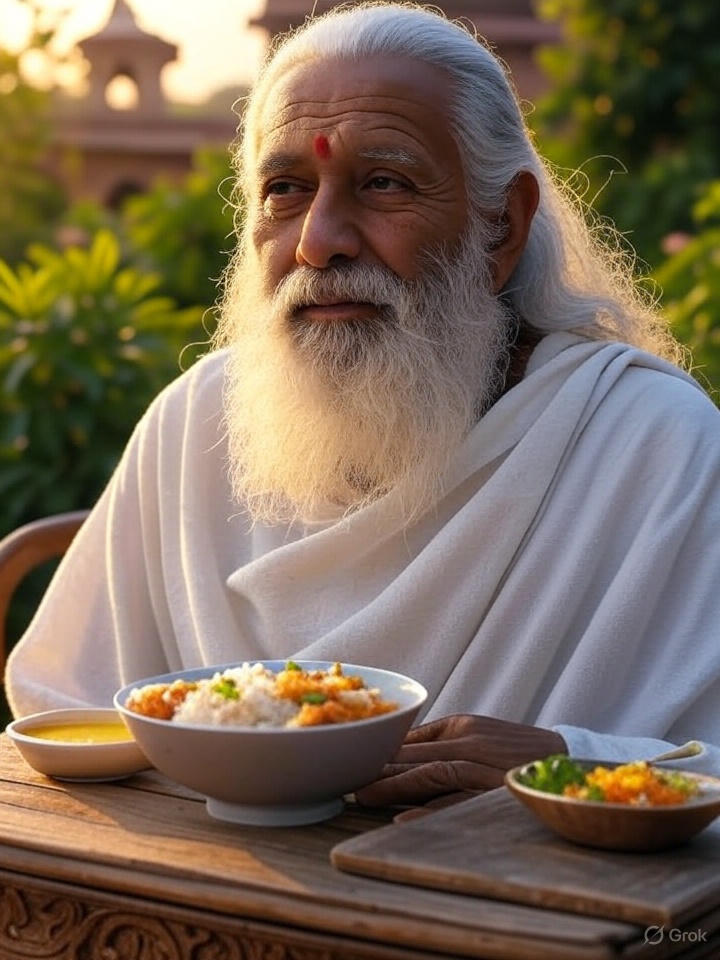
8 Ayurvedic Diet Rules by Maharishi Charak That 99% People Ignore – Transform Your Health Today! Food is not just sustenance; it’s the foundation of our health. Thousands of years ago, the great sage Maharishi Charak, a pioneer of Ayurveda, laid down timeless dietary principles that can prevent diseases and promote holistic well-being. Yet, shockingly,…
-
Observe the peace of turiya stage. In a world flooded with noise, one sound transcends time, culture, and consciousness—AUM (or OM). This sacred syllable isn’t just a chant—it’s the vibration of existence, the essence of the universe, and the gateway to inner awakening. Let’s explore the spiritual breakdown of AUM, step by step. 🧵 A…
-
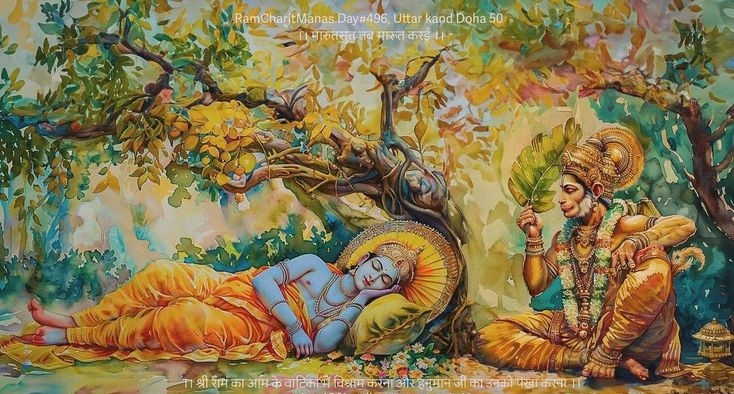
Do lazy days make you feel rested or unproductive? Why the tradition of getting up in Brahma Muhurat? ब्रह्ममुहूर्ते या निद्रा सा पुण्यक्षयकारिणी”। The last prahar of the night is called Brahma Muhurat. Our sages have given special significance to this Muhurat. According to him, this is the best time to quit sleeping. This is…
-

What are you good at? Water is energy. Water is not only the most soluble substance, but it also contains everything. Whatever vessel you put it in, it happens. But, have you thought that water also contains our thoughts, emotions and energy? Water and Energy: Water absorbs the energy of the person with whom it…
-

Who is the most confident person you know? Lord Hanuman ji Our daily routine starts with reading Shri Hanuman Chalisa. But do you know that there are 40 chaupaiyas in Shri Hanuman Chalisa, they are written in the order which is the order of life of a normal human being. The sequence begins with thoughts.…
-
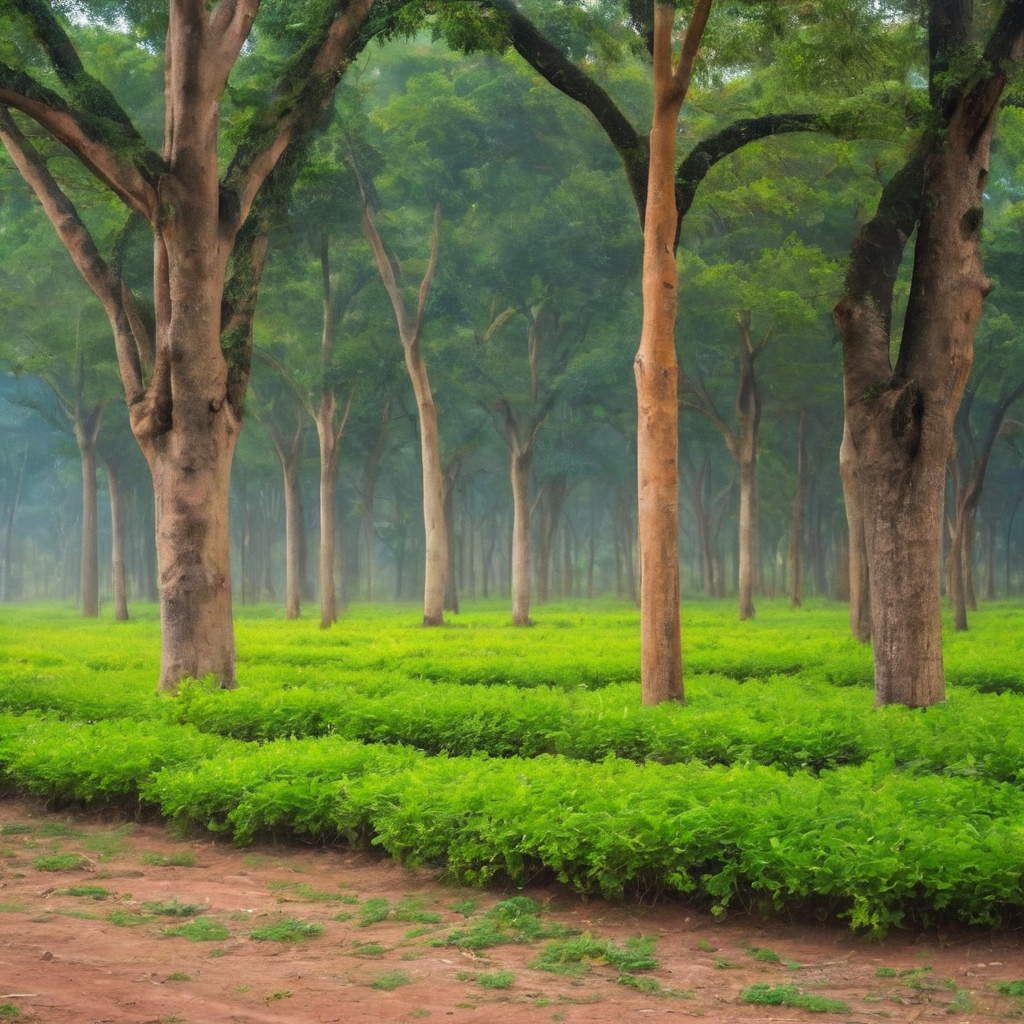
Come up with a crazy business idea. There is a beautiful verse in the Skanda Purana. Ashvatthamekam pichumandamekamNyagrodhamekama dasa chinchinikaan.kapitthabilvā’malakatrayānchapañcā’mramuptvā nārakāṇa paśyet|| AshvatthaH = Peepal (absorbs 100% carbon dioxide) Pichumandah = Neem (absorbs 80% carbon dioxide) NygrodhaH = Banyan tree (absorbs 80% carbon dioxide) Chinchini = Tamarind (absorbs 80% carbon dioxide) KapitthaH = Kavit (absorbs…
-

What is one thing you would change about yourself? Our human body is a science in itself, the research that happens outside is first made in our own body, so it is important to understand the science of the human body. The science of the human body is far ahead of the education we study…
-

What are your favorite websites? Spirituality is beyond science. How does it help us reduce our worries, our fears, and our anger?And it’s very healing. We let our natural capacity for healing work. A positive attitude and meditation awaken thoughts. When we meditate, what we do penetrates the deeper part of our being. At that…
-

What alternative career paths have you considered or are interested in? If take a look at some of our great men, scientists, and philosophers, we will know that many who were born in very difficult and adverse circumstances did not accept that situation and do what they wanted to do, without any thought that they…
-

What positive emotion do you feel most often? Energize your body help of music. It has been proved by the research work done in this world of research that along with calming the mind through music, it is also effective in curing many diseases. This is the reason why virtuous and best doctors also consider…
 Spirituality is Beyond Science