“गतिस्त्वं गतिस्त्वं त्वमेका भवानी।”

Tell us about a time when you felt out of place.

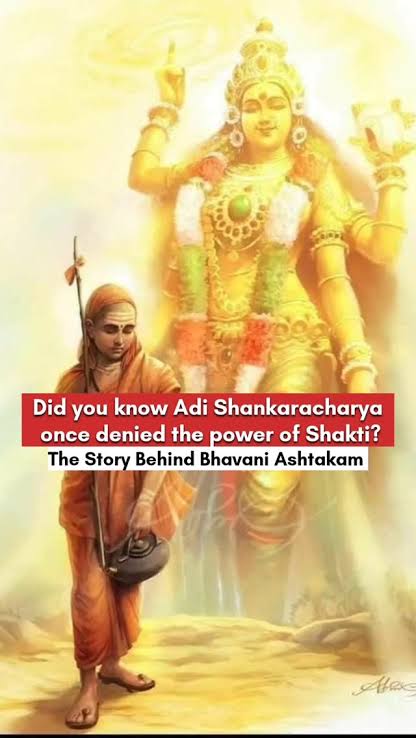
When Shankaracharya Discovered the Power of Shakti

Adi Shankaracharya is known as the master of Advaita Vedanta. But there’s a story from his life that shows us true wisdom is only complete when it embraces Shakti, the divine energy.

During his travels in Kashmir, Shankaracharya set out to refute the Shakta tradition. But soon his health broke down. With no strength left, he lay beneath a tree. At that moment, a cowherd woman passed by, carrying a pot of curd.

Thirsty and weak, Shankaracharya asked her for some curd. She replied:
“Come and take it yourself.”

He answered:
“I have no strength left to walk to you.”

Smiling, the woman said:
“Without Shakti, you cannot even move a single step. And yet you came here to deny Her?”

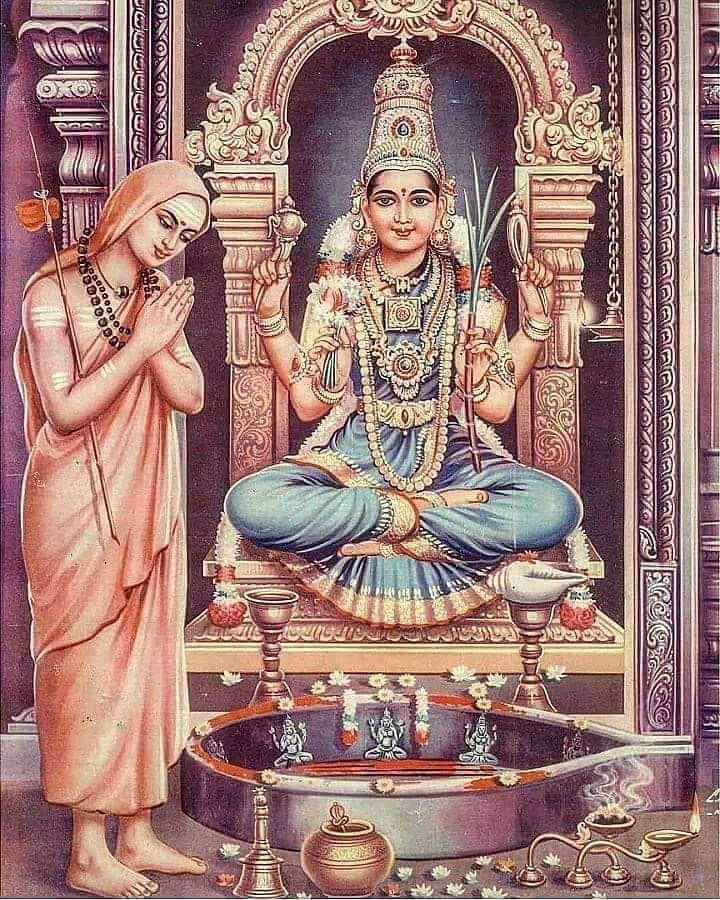
In that instant, Shankaracharya realized that this was not an ordinary woman—it was the Divine Mother Herself. His pride melted away, and with deep devotion he cried:
“Gatistvam gatistvam tvameka Bhavani”
(“O Mother, You alone are my refuge, my only path.”)

From this moment came the beautiful hymn Bhavani Ashtakam.

Shiva and Shakti are not separate.

Shiva is stillness; Shakti is movement.

The sun is nothing without its rays; the moon is nothing without its light.

Shiva is incomplete without Shakti.


This is the essence of Advaita—the oneness of Shiva and Shakti.

Work with tradition of YOG : Kalaripayattu

Interview someone — a friend, another blogger, your mother, the mailman — and write a post based on their responses.

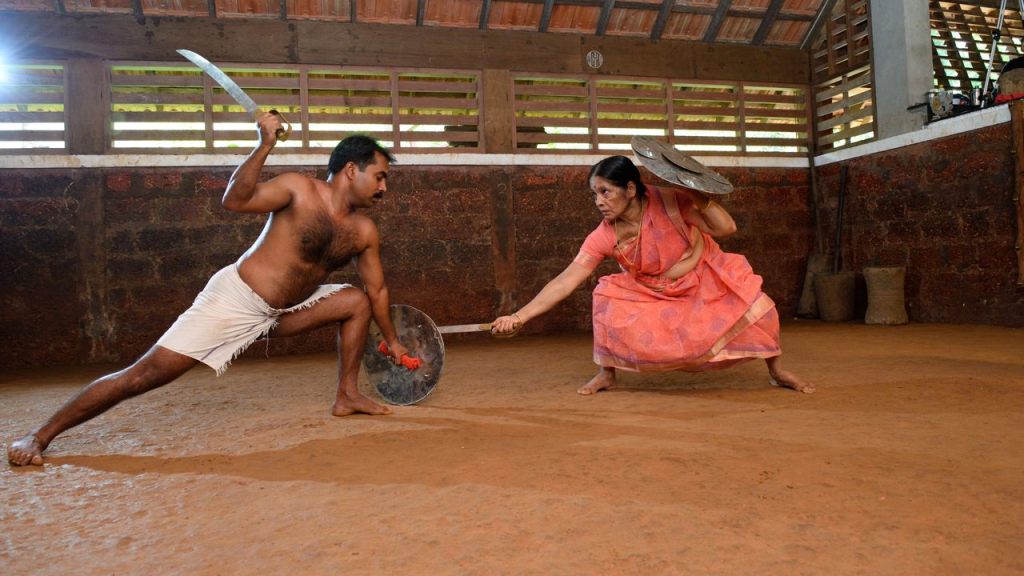
Kalaripayattu – The World’s Oldest Martial Art .


In the history of human civilization, self-defense and combat skills have always played a vital role. India has not only given the world timeless treasures like Yoga and Ayurveda, but also the world’s oldest martial art – Kalaripayattu. Today, it is often called the “Mother of Martial Arts.”


🌿 Mythological Origins

According to ancient texts, the roots of Kalaripayattu can be traced back to two great sages –

Sage Agastya – who developed unarmed Kalaripayattu (combat without weapons).

Lord Parashurama – who introduced armed Kalaripayattu (combat with weapons).


Thus, this art was not limited to warfare alone; it also became a path of spiritual, mental, and physical balance.


⚔️ Lord Krishna and Kalaripayattu

Lord Krishna is considered the very first master of this discipline.

At the age of 16, he used this knowledge to defeat wrestlers like Chanur and Mushtik.

In Mathura, he struck down a wicked washerman with just the blow of his palm.


Later, Sage Agastya widely propagated this art, making it an integral part of society.


🏹 Meaning of Kalaripayattu

The term is made up of two words –

“Kalari” – meaning school or training ground.

“Payattu” – meaning combat or practice.


In essence, Kalaripayattu = The school of martial training. It is not just a martial art but also a symbol of discipline, dedication, and spiritual practice.


From India to China – The Journey of Bodhidharma

The global spread of this martial art is credited to Bodhidharma.

He was born into the royal Pallava dynasty in Kanchipuram, South India.

At a young age, he renounced his kingdom and became a monk.

Bodhidharma carried Kalaripayattu to China, where it evolved into the world-renowned Shaolin martial arts.


Why Kalaripayattu is Unique

Balances both the body and the mind.

Combines self-defense with meditation, breathing techniques, and yoga.

Teaches discipline, restraint, and spiritual growth.

Served as the foundation for modern martial arts like Karate, Kung Fu, and Judo.

Kalaripayattu is not just a method of combat, but a priceless gift of India’s cultural and spiritual heritage. It blends strength with compassion, warfare with balance, and discipline with self-realization.

At a time when the world is searching for new forms of fitness and self-defense, this ancient art reminds us that India has long held the wisdom that connects body, mind, and soul.

Bh

Ayurveda diet

8 Ayurvedic Diet Rules by Maharishi Charak That 99% People Ignore – Transform Your Health Today!


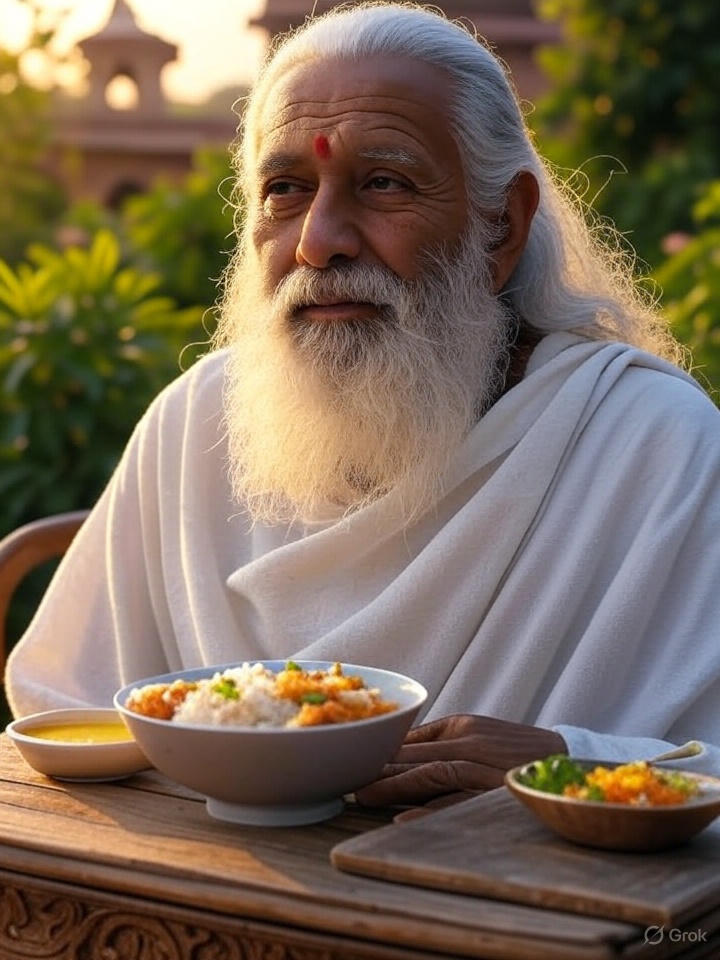
Food is not just sustenance; it’s the foundation of our health. Thousands of years ago, the great sage Maharishi Charak, a pioneer of Ayurveda, laid down timeless dietary principles that can prevent diseases and promote holistic well-being. Yet, shockingly, 99% of people unknowingly break the very first rule of healthy eating! According to Ayurveda and yoga expert Ashish Chaudhary, following these 8 golden rules of eating can transform your health and prevent chronic illnesses. Let’s dive into these ancient secrets and discover how to eat the right way to live a vibrant, disease-free life.


Why Does Food Matter So Much?

Food is both medicine and poison it can either nourish your body or become the root cause of ailments. By adopting Maharishi Charak’s Ayurvedic dietary principles, you can ensure that every bite you take supports your physical, mental, and emotional health. Let’s explore these 8 rules and how they can revolutionize your eating habits.


1. Ushnam: Always Eat Fresh and Warm Food

The first and most critical rule is Ushnam, which means eating food that is freshly cooked and warm. Unfortunately, most of us break this rule by consuming processed, frozen, or reheated meals.
Why it matters: Freshly prepared food retains its prana (life energy) and is easier to digest. Reheating food stored in the fridge can reduce its nutritional value and lead to health issues like bloating, indigestion, and even chronic diseases.

Pro Tip: Cook small, fresh meals daily and avoid relying on packaged or leftover foods. Your body deserves the warmth of freshly made meals!


2. Snigdha: Include Healthy Fats in Your Diet.

The second rule, Snigdha, emphasizes the importance of including healthy fats like ghee or oil in your meals. The human body is composed of seven dhatus (tissues), six of which require lubrication to function optimally.

Why it matters:
Healthy fats aid digestion, nourish tissues, and balance the body’s energies. However, overconsumption without proper digestive fire (Agni) can lead to Kapha imbalance.

How to do it right:
Pair your meal with a small amount of ghee or sesame oil. Sip lukewarm water during meals to aid digestion, as Ayurveda recommends taking three sips of warm water for optimal food breakdown.


3. Matra: Eat in the Right Quantity

The third rule, Matra, is about eating in moderation. Overeating or undereating can disrupt your body’s balance, leading to discomfort and poor digestion.
How to find the right portion: Your stomach should feel satisfied but not heavy. You should feel comfortable sitting or moving after a meal, with no bloating or lethargy.

Ayurvedic Formula:
Fill your stomach with 50% solid food, 25% liquid, and leave 25% empty for digestion. Practice mindful eating by staying calm and doing a few rounds of Anulom-Vilom (alternate nostril breathing) before meals to enhance awareness.


4. Jirnam: Eat Only After Digesting the Previous Meal

The fourth rule, Jirnam, stresses the importance of allowing your previous meal to fully digest before eating again. Eating too soon can mix undigested food with new food, causing digestive issues like gas, bloating, and acidity.

Why it matters:
Undigested food creates toxins (Ama) in the body, leading to imbalances in the doshas (Vata, Pitta, Kapha).

How to follow it:
Wait at least 3-4 hours between meals, depending on your digestive capacity. Listen to your body for signs of hunger rather than eating out of habit.


5. Ishta Desha: Eat in a Calm and Pleasant Environment

The fifth rule, Ishta Desha, emphasizes the importance of your dining environment. A peaceful and clean space enhances digestion and promotes mindfulness.
Why it matters: Eating in a chaotic or stressful environment can disrupt your body’s ability to process food effectively.

How to create the right ambiance:
Choose a quiet, clutter-free space for meals. Avoid distractions like phones or TVs, and focus on the act of eating.


6. Ishta Sarvopakarnam: Include All Six Tastes in Your Meal

The sixth rule, Ishta Sarvopakarnam, advises including all six tastes (sweet, sour, salty, bitter, pungent, and astringent) in your meals to ensure nutritional balance.

Why it matters:
Each taste corresponds to specific nutrients and supports different bodily functions. A balanced meal nourishes both body and mind.

How to achieve it:
Incorporate a variety of foods like grains, vegetables, spices, and fruits to cover all six tastes. For example, add turmeric (bitter), lemon (sour), and jaggery (sweet) to your meal.


7. Na Ati Shighram: Don’t Eat Too Quickly.

The seventh rule, Na Ati Shighram, warns against eating too fast. Gulping down food can lead to improper digestion, increased Vata dosha, and issues like hiccups or indigestion.

Why it matters:
Chewing food thoroughly (Ayurveda recommends 32 chews per bite) allows enzymes in saliva to break down food, making it easier for your stomach to process.

How to slow down:
Put down your spoon or fork between bites, and avoid distractions like phones or screens. Savor each bite with gratitude.


8. Mindful Eating: Eat with Awareness and Gratitude

The final rule, Ajalpan Ahasan Tanmana Bhunjitam, encourages eating with full awareness, gratitude, and focus. Avoid talking, laughing, or multitasking during meals.

Why it matters:
Mindful eating ensures proper digestion and fosters a deeper connection with your food. It also aligns with the traditional wisdom of our elders, who advised silence during meals.

How to practice it:

Take a moment to appreciate your food before eating. Chew slowly, focus on the flavors, and express gratitude for the nourishment it provides.


Why These Rules Are a Game-Changer

By following Maharishi Charak’s 8 Ayurvedic dietary rules, you can prevent common health issues like indigestion, obesity, and fatigue while promoting longevity and vitality. These principles are not just ancient wisdom—they are practical, time-tested guidelines that align perfectly with modern health needs.


Start Your Ayurvedic Journey Today!

Ready to transform your relationship with food? Begin by incorporating one or two of these rules into your daily routine and gradually adopt all eight. Your body will thank you with improved energy, better digestion, and a stronger immune system.


Quick Tip: Start with the Ushnam rule by eating freshly cooked meals for one week and notice the difference in how you feel. Join the Conversation: Share your experience with these Ayurvedic principles in the comments below or on social media using #AyurvedicDiet.
For more health and wellness tips rooted in Ayurveda, subscribe to our blog and follow us.  Stay tuned for more ancient wisdom to live a healthier, happier life!

A Divine Architectural Metaphor.

Write about a time when you didn’t take action but wish you had. What would you do differently?

The concept of Samayachara worship:


Core Concept:

Samaya chara worship is fundamentally about the fusion of chit Shakti (divine consciousness) with Brahman (ultimate reality).
In this tradition, Shiva and Sridevi are viewed as complementary forces – Shiva as Samaya and Sridevi as Samayaa.

The Five-Fold Unity of Shiva and Shakti

1. Adhishthana Samya (Unity of Abode)

They share the same divine dwelling place or domain.


2. Anushthana Samya (Unity of Action)

Both engage in identical cosmic activities, particularly in the act of creation.


3. Avastha Samya (Unity of State)

They mirror each other in divine states and expressions, such as the dances of Lasya and Tandava.


4. Nama Samya (Unity of Names)

Their names reflect their inherent connection:

– Shiva and Shivaa
– Samaya and Samayaa


5. Rupa Samya (Unity of Form)

They share identical physical characteristics:

– Both have three eyes
– Both are associated with the color red
– Other physical attributes are matched

The Sacred Palace of Sricakra: A Divine Architectural Metaphor

In the illustrious city of Sri pattana, a remarkable palace stands, constructed entirely from luminous Cintamani gems. The palace features three distinctive towers named Iccha Sikhara, Kriya Sikhara, and Jnana Sikhara, symbolizing desire, action, and knowledge. With four cardinal doors called Amnaya devas representing the Vedas: Purva, Dakshina, Paschim, and Uttara

The palace embodies sacred geometric precision. At its center, the Bindu Peetha, a powerful seat with four-sided steps, represents multiple divine aspects: Sri Peetha (prosperity), Maha Peetha (greatness), Vidya Peetha (knowledge), and Ananda Peetha (bliss). The entire structure follows the intricate design of Sri chakra, housing all male and female deities of this mystical configuration.

The central cot, resting on four divine legs: Brahma, Vishnu, Mahesana, and Iswara, which is supported by Sadasiva. Leading to this sacred space are 36 steps representing spiritual dimensions, with a foot rest positioned before the cot. A swan like bed adorns the cot, accompanied by two head pillows and one leg pillow, covered by a light red blanket. Upon this sacred throne, Lord Kameswara sits facing east, eternally manifested as a sixteen year old boy with four hands and three eyes, wearing elaborate ceremonial attire. On his lap resides Lalitha Devi, also perpetually sixteen, with a rosy complexion, four hands, and adorned with the moon, her name derived from her ability to please Sadasiva, embodying the principle of divine feminine grace.

Major Stories of Hayagriva Avatar: Restoration of the Vedas

What are your favorite physical activities or exercises?

।। सूर्य आत्मा जगतस्तस्थुषश्च।।

The month of Margashirsh: The Era of Bhagavad Gita Revelation

Margashirsh is the ninth month of the Hindu lunar calendar, falling between November and December. It is also known as Agrahayana and holds immense spiritual significance in Sanatan Dharma. Margashirsh is the month when Bhagwan Shree Krishna imparted the eternal wisdom of the Bhagavad Gita to Arjun on the battlefield of Kurukshetra during the Mahabharat.

In the Bhagavad Gita (10.35), Shree Krishn says,

“मासानां मार्गशीर्षोऽहमृतूनां कुसुमाकरः ”

“Among months, I am Margashirsh.” This emphasizes the month’s supreme importance as a time for Dharmik’s growth and reflection. Historically, Margashirsh marked the beginning of the harvest cycle in the Ancient Bharatvarsh, making it a time of gratitude and prayer for abundance.

Grant victory Aditya Hridaya Stotram: the power to eliminate all enemies.

आदित्य हृदयं पुण्यं सर्वशत्रु विनाशनम्
जयावहं जपेन्नित्यम् अक्षय्यं परमं शिवम्

Aditya Hridaya Strotram is advised by Agastya Muni to Shri Rama to defeat Ravana. Stotra is mentioned in Yudha Kandam of Srimad Ramayanam. Shri Rama was very fatigued before the war & Agastya Muni gave Aditya Hridayam as Updesham, dedicated to Surya Deva, who granted victory to all. Agastya Muni enlightens Rama saying Stotra has the power to eliminate all enemies &. And will be victorious. Rama prayed to Surya and felt energetic to fight with Ravana. Evil vanishes from life who keeps Sun in Heart. Sun is the soul of all that is dynamic & static.

Hayagriva Avatar: The worshiped as the god of knowledge and wisdom


Devi Bhagavata Purana (Book 1, Chapter 9)


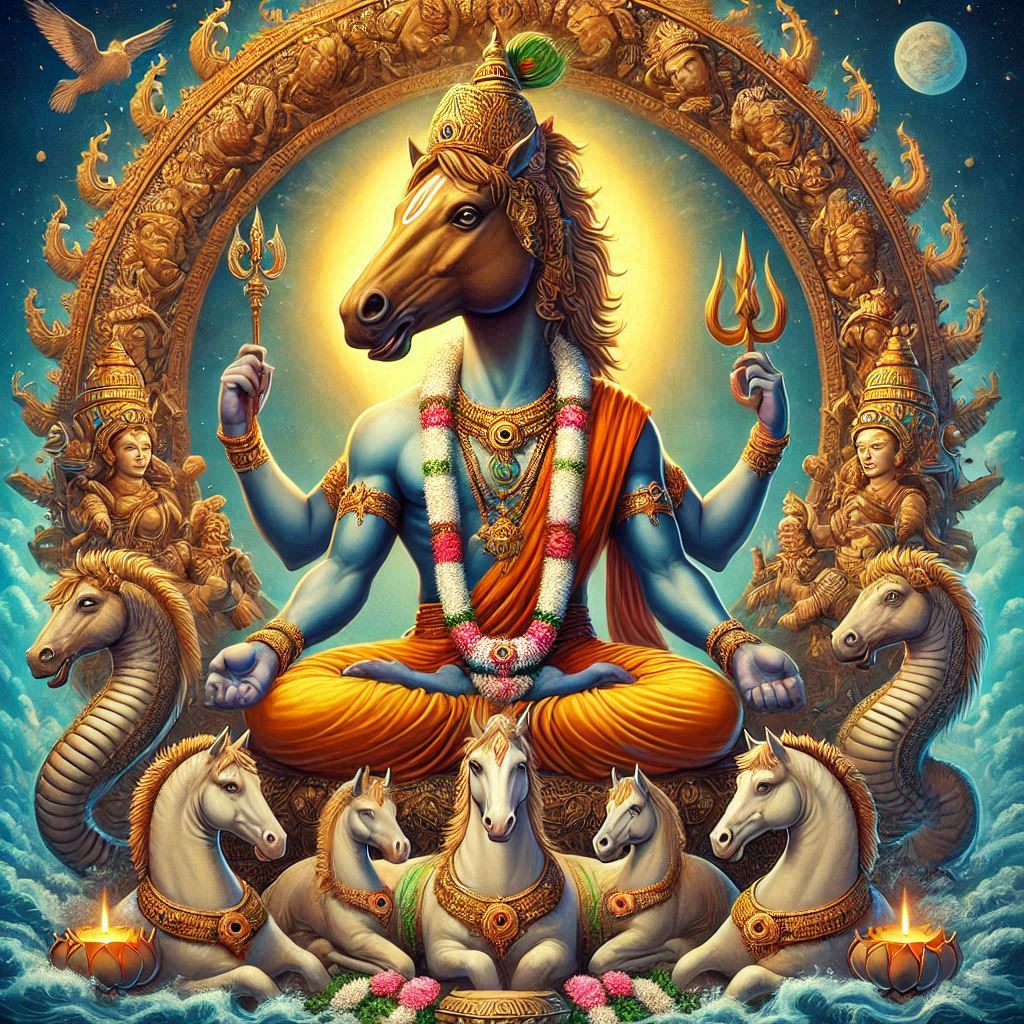
The Hayagriva Avatar of Lord Vishnu is a lesser-known yet significant incarnation. Hayagriva is depicted as a horse-headed deity, with the body of a human, representing wisdom, knowledge, and the preservation of the Vedas. Significance of the Hayagriva Avatar:The Hayagriva incarnation is often worshiped as the god of knowledge and wisdom, as his form represents clarity of thought and intellect. In various traditions, Hayagriva is revered for restoring the sacred Vedas that had been stolen, symbolizing the protection of spiritual knowledge. The demons Madhu and Kaitabha steal the Vedas from Brahma while he is asleep, causing chaos in the universe. Brahma prays to Lord Vishnu for help. In response, Vishnu assumes the form of Hayagriva, the horse-headed avatar, battles the demons, and restores the stolen Vedas to Brahma. Purana Reference:  Mahabharata (Shanti Parva, Chapter 348) In both sources, Vishnu’s Hayagriva form is highlighted as the protector of the Vedas, symbolizing the triumph of wisdom over ignorance and chaos. The Story of Hayagriva and Vishnu’s Meditation (Skanda Purana)In this story, Vishnu assumes the Hayagriva form to perform severe penance. During the end of the Kali Yuga. When darkness and ignorance dominate, the gods pray for Vishnu’s intervention. Vishnu, as Hayagriva, meditates to restore cosmic order, and his energy and wisdom ensure the continuation of dharma.

Immerse in your infinite knowledge.

What alternative career paths have you considered or are interested in?

Spirituality is beyond science.

Mother Nature has created this world 432 million years ago. There is a catastrophe of the same number of years. It has been 1,96,08,53,125 years since the creation was created. This is the time it has been since the Vedas were born. All the religious texts of the world are within 5000 years but the Vedas are the oldest. Other opinions also believe this. This is Sanatan’s unique heritage. Therefore, Sanatan is considered eternal

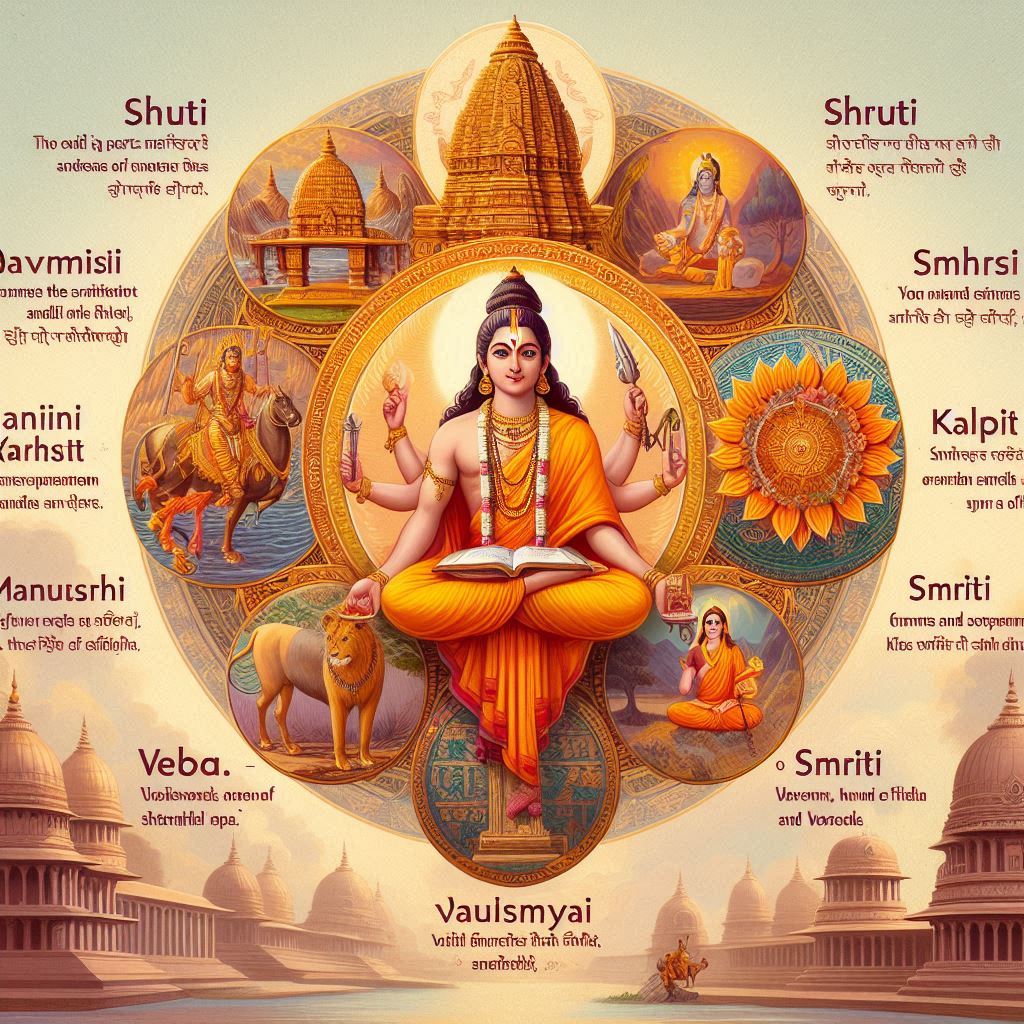
To understand Indian scriptures and Vedic knowledge, the scriptures are divided into two parts: Shruti and Smriti. Shruti includes the scriptures Vedas and Smriti includes books of history and interpretation of the Vedas, Manusmriti, Yajnavalkya Smriti, etc. The Vedas are the symbols of eternal and eternal truth. The Vedas have 6 अंग and 6 उपांग . Which helps in knowing the Vedas. The 6 limbs of the Vedas are Varna Shiksha, Panini Krita व्याकरण (Ashtadhyayi), Kalpa, Maharishi Yaska Krita Nirukta, Maharishi Pingal Krit Chhanda and Jyotish etc. This is explained to you in just a few words. This is to be understood

6 उपांग Philosophy:

(1) Yoga Darshan (Maharishi Patanjali)

(2) Sankhya Darshan (Maharishi Kapil)

(3) Nyaya Darshan (Maharishi Gautam)

(4) Vaisheshikadarshan (Maharishi Kanada)

(5) Mimamsa Darshan (Maharishi Jaimini)

(6) Vedanta Darshan (Maharishi Vyasa)

Although more than 100 Upanishads are found in the spiritual field of Indian culture, it is necessary to read 11 Upanishads before studying Vedanta philosophy. Those Upanishads are as follows –

1. ईशोपनिषद
2. केनोपनिषद
3. कठोपनिषद
4. प्रश्नोपनिषद
5. माण्डूक्योपनिषद
6. मुण्डकोपनिषद
7. ऐतरेयोपनिषद
8.  तैत्तिरीयोपनिषद
9.  बृहदारण्यकोपनिषद
10. छांदोग्योपनिषद
11. श्वेताश्वतरोपनिषद .

There are only 4 interpretation books of the Vedas – (Brahmin texts)

(1) Aitareya Brahmins

(2) Shatapatha Brahmins

(3) Tandya Brahmins

(4) Gopatha Brahmins.

Case-ending showing possession or relation

Is complete knowledge hidden in the Vedas?

The Vedas are full of knowledge related to almost all subjects, like God, the universe, astrology, mathematics, chemistry, medicine, nature, astronomy, geography, religious rules, history, rites, customs, etc. The four Vedas are Rigveda, Yajurveda, Samaveda and Atharvaveda. There are only 4 upavedas. Ayurveda of Rigveda, Dhanurveda of Yajurveda, Gandharva Veda of Sama Veda and Atharva Veda

Rigveda:

ऋक means status and knowledge. It has a lot to do with geographical location and mantras invoking the deities. The hymns of the Rig Veda contain prayers, praise of the gods and descriptions of their position in Devlok. It also provides information on water therapy, air therapy, solar medicine, psychiatry and healing by Havan. The description of substances ranging from nature’s smallest atom to God is found in the Rigveda. It has 10522 mantras. The knowledge of Rigveda was received in the soul of Maharishi Agni

Yajurveda –

यजु means moving sky and action. Yajurveda contains the methods of sacrifice and the mantras used in sacrifices. We can understand the 16 rituals properly from Yajurveda. Apart from sacrifice, philosophy is described. Element knowledge means mystical knowledge. Knowledge of the universe, soul, God and matter. There are two branches of this Veda, Shukla and Krishna. There are 1075 mantras in Yajurveda. The knowledge of Yajurveda was received in the soul of Maharishi Vayu


Samaveda:

साम means transformation and music. Gentleness and worship. This Veda has a musical form of many hymns of the Rig Veda. It mentions about the gods Savita, Agni and Indra. It also makes references to classical music and dance. This Veda is considered to be the origin of music science. It has 1875 mantras. The knowledge of Samaveda was received in the soul of Maharishi Aditya

Atharva Veda:

अथर्व means vibration and Atharva means vibration. This Veda mentions mystical sciences, herbs, miracles and medicines of Ayurveda etc. It also provides knowledge of Indian tradition and astrology. By studying it, all doubts are solved and the vibration of the mind ends. It has 5977 mantras. The knowledge of Atharva Veda was received in the soul of Maharishi Angira.

6 limb of Sanatan.

To know the Indian Sanatan culture, it is very important to study 6 scriptures with the knowledge of the four Vedas.  So these 6 scriptures are also called the Upavedas of the Vedas i.e. philosophy . Our sages have created these 6 philosophies by incorporating the doctrines scattered everywhere in the Vedas, on the basis of which we can understand this divine knowledge accurately. These 6 Vedic philosophies are called theistic philosophies. These are our logics, by reading which the intellect of every human being opens and he never confuses and doubts about God, religion, unrighteousness, truth, falsehood etc. By reading these philosophical scriptures, all kinds of doubts are resolved automatically. These 6 philosophies are as follows:

(1) Nyayashastra: –

It has been composed by Gautam Muni. The subject of this scripture is mainly logic. This philosophy has been created with the purpose of separating truth and falsehood from the world spread around him through four types of evidence (direct, inference, simile and word.

(2) Vaisheshika Shastra: –

It has been composed by Kanad Muni. This scripture is about material knowledge. How to know the qualities and karma of the substances that God has created for us and use them? This is the subject of this scripture. (This is physics.)

3) Sankhya Shastra: –

It has been composed by Kapil Muni. Its main theme is how the creation originates from the most subtle particles of nature (Word, Touch, Form, Taste and Smell) from Sat, Raja, and Tama. How are all substances similar and characteristic? This scripture completely explains the difference between nature and soul.

(4) Yoga Shastra: –

It has been composed by Patanjali Muni. Its main topic is to tell the method of attaining salvation by following the eight limits (Yama, Niyama, Asana, Pranayama, Pratyahara, Dharana, Dhyana, Samadhi) by getting rid of all sorrows

5) Mimamsa:

It has been composed by Jaimini Muni. Its subject is that by following what kind of Vedic rituals and limitations, a person can become completely happy and can attain salvation, the goal of his life?

(6) Vedanta (Brahmasutra):

It has been composed by Ved Vyasa Muni. Its main theme is to describe the nature of God, his qualities, knowing which man should get rid of all doubts about him and start worshiping him and attain them by practicing yoga.

Praying with Spiritual Emotion (Bhāv) :

◆ God Principle:

The divine essence flows through spiritual practices.


◆ Transmission of Frequencies:
N
5% of frequencies of Divine Consciousness (Chaitanya) are transmitted outside the body. Seekers can access up to 20% of frequencies of Divine Consciousness (Chaitanya).


◆ Protective Sheath:

A protective layer surrounds the seeker.


◆ Spreading of Divine Consciousness:
15% of the accessed Divine Consciousness spreads into the body of the seeker.

Learn to utilize the tools that God offers to you

How do you balance work and home life?

The path of the mystic.

Spinal cord – The spinal cord is a part of the human body that is one to one and a half feet long. There are holes in the entire spinal cord, and 31 groups of nerves come out of it, the outer part is made of gray-colored material and the inner part is made of white matter. In the middle is the path of Sushumna Nadi. The spinal cord is the main function in keeping the human body upright. These nodes are located in our backside. There are 24 casseroles prominently in this backbone. These casseroles have holes from the inside. There are two ladies on either side of it. The left pulse is related to the nostril from the left side, it is called the lunar (ida) nadi. The second pulse remains on the right side, which is related to the nostril (hole) on the right side, it is called the Sun (Pingala) nadi. In between these two is the subtle Sushumna nadi. It involves subtle life. Physical vitality circulates in it.

The main centers of the body are connected to this spinal cord by nerves. Some are vital vessels, some are blood vessels. Similarly, something is going to give a sense of consciousness. To protect the 24 vertebrates from rubbing, a grease-like substance is filled in the middle of each vertebra. In which, due to disorder, there is pain in the waist or the uselessness of the lower part, etc

Similarly, by keeping feet in the lower and higher levels, the distance between these glands decreases or increases. So the body starts aching and the breathing process also starts getting interrupted. If the breath moves through the Ida nadi, then there is an effect of coolness in the body. Due to excessive movement of Pingala nadi, the body is affected by heat. According to pulse experts, it takes 1 hour to change one vowel or pulse from another to another. When both the nadis breathe equally, Sushumna comes from the nadi. When the Kaseru of Sushumna gets immobilized for some reason, there is a difference in breathing. For this reason, there is a difference in the subtle fibers of the body and the body becomes a victim of many diseases

Prevention of the spinal cord by rubbing the spinal cord – If there is a decrease in the spinal cord, the patient should do yoga of the spinal cord. Apart from this, the patient should lie down on the stomach and apply oil to the spine while on an empty stomach in the morning and massage it slowly. Do this sequence for 8-10 minutes, doing this for 4-5 days calms the disorders in the body. This action of yogis which keeps the spine straight and restraint on prana in the prana duct pulse makes them yogis, so calling the spine healthy is very helpful in the path of yoga.

Modern medical science is appreciated in many ways. Some of its things are commendable. But there is a huge incompleteness in its structure, in its entire system. If we consider the fact, then the truth is understood, the students of modern medicine acquire all their knowledge based on the dead body, but they try this acquired knowledge on the living body. The dead body is devoid of various barriers of bio-energy, life energy, electromagnetic energy, psycho-energy, and emotional energy, diseases occurring in the body, and mental diseases arise from the deviation in the variety of these energy flows. If the doctor lacks proper knowledge of all these, then his treatment will be said to be incomplete

In the science of yoga, the stars and constellations are different centers of life and diversity of energy. By knowing them, not only can life be known correctly, but it can also be properly utilized. For example, if those who have nurtured the center of life in their eyes look at someone, it will seem as if happiness is pouring in. The sight of such a person fills the person in front of you with joy In the science of inter-travel, knowledge of these body structures is found based on the spinal cord in the course of yoga practice. The structure of the body is as complex as it is enigmatic. The human body is very delicate and delicate. It contains millions of cells and thousands of nerves. All these have a very correct, strange, and automated system. The scientific community of the modern age has created very complex mechanical systems. But if you compare it with the body, they are nothing

Are We Living In A Computer Program?

How has technology changed your job?

Simulation Hypothesis.

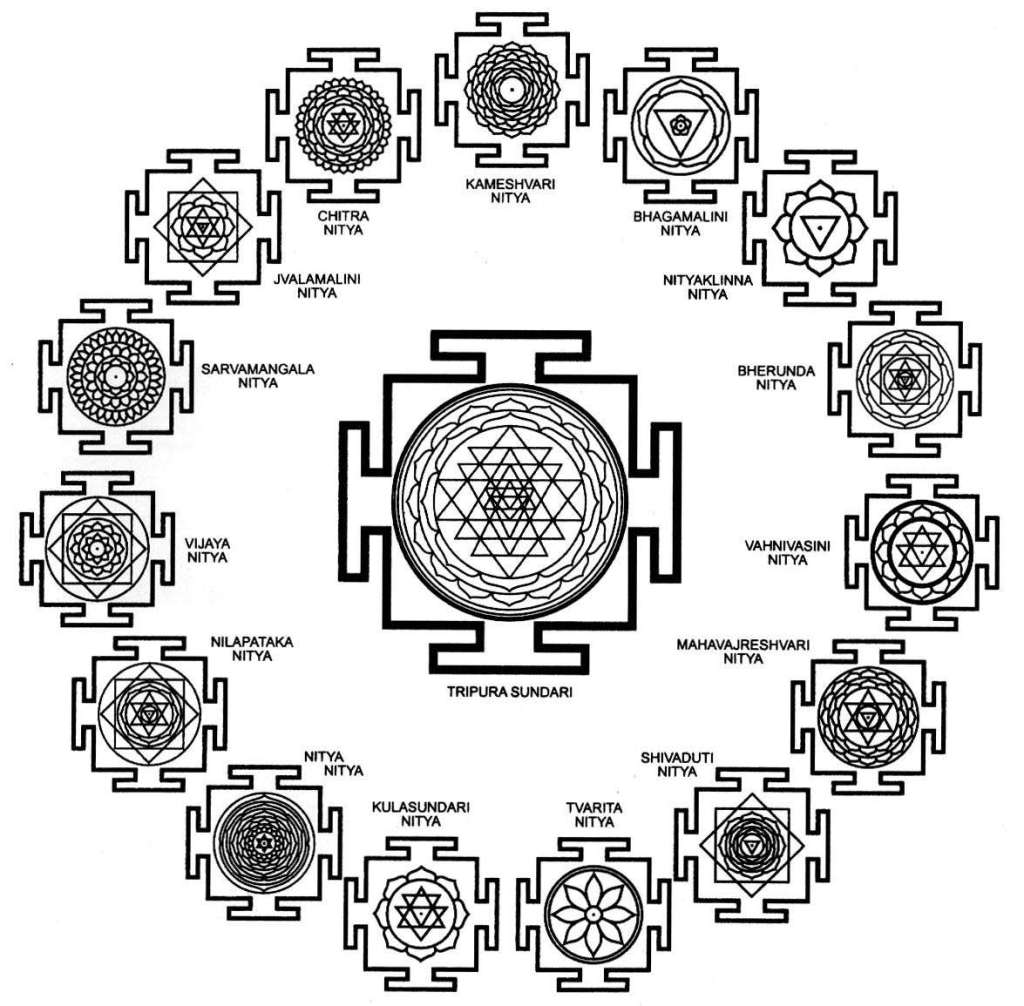
Man-made the image of the deity based on his imagination. For this reason, the picture of the form of the deities is different at each place. There are thousands of types of pictures of Ganesh, Lakshmi, Kali, Shiva, and Vishnu, there are thousands of types of idols. In Sanatan culture, tantra has special importance i.e. technology. Therefore, it has been clearly stated in Tantra Sadhana and Tantra Science that the literal form of any deity is the mantra and its form is the yantra.

Each instrument has some special lines, triangles, points, and circles. These three are present in every instrument and they are composed according to geometrical science. No line is crooked, nor are the sides of a triangle separated, and dots

Therefore, you can draw a picture of a deity based on your imagination, but the yantra is constructed only based on definite principles and calculations. After this, life is consecrated in it by special mantras, then that yantra is not a normal sketch but becomes a manifestation of power and divine energy. What is the secret behind this tantrokta creation?  This is necessary to understand. Each point, triangle, and circle have an important place in tantra science.

The point is a drop but it is given a special place in the system because the sound is produced from the point and the sound symbolizes the sky element. If we look at our vision, everything in space appears to be a dot. Therefore, according to tantra science, the point is an indicator of entry, an indicator of a beginning. When a point is moved forward, a line is formed when it moves with a simple speed. The straight line represents the desireless sense of the point and in the desired state this line curves, forming a triangle.

Our Sanatan Tantra science believes in the truth that when there was nothing before the emergence of this world, then from where did the creation begin? Of course, it started from the point. The point is that when there was nothing, there was a point in the universe and when everything also dissolves into a point, the point is also the form of emergence and also the form of merger. From the starting point to the endpoint. That is why there was a lot of thought in the tantra texts whether the point is Shiva or the point is power. The conclusion was that the points are a form of power, and there is also a solid basis behind it


What is Simulation Theory?

Simulation theory says that we are all likely living in an extremely powerful computer program, directed by an entity outside of our physical comprehension and controlled by a superior being. It also means that humans are not real beings, but instead predetermined constructs of the digital world. The theory also suggests that the physical laws affecting our reality are algorithms, and what we experience, is created by the computational processes.

What does Sanatan’s Philosophy say about the Simulation theory?

Well, Sanatan philosophy gives many theories regarding the creation, out of which the two major theories are-

1. Nasadiya suktam- a creation that came out from formless, nirgun Brahman. (Already explained).


2. Purusha suktam- a creation which is created by the god (Swagun Brahman). If we go by the Purusha suktam it gives us a detailed idea about the simulation.

But it is just one aspect of Purusha suktam.

According to the Rig Veda 6.47.18-

रूपं-रूपं परतिरूपो बभूव तदस्य रूपं परतिचक्षणाय |

न्द्रो मायाभिः पुरुरूप ईयते युक्ता हयस्य हरयःशता दश ||

Meaning- In every figure he has been the mode: this is his only form for us to look at. Indra assumes many form by his Maya.

Maya is something that doesn’t exist in reality but we all are bound to it, just like the simulation which we cannot see but our life is bound to it.

As per the Bhagavad Gita, 7.14-

दैवी ह्येषा गुणमयी मम माया दुरत्यया |
मामेव ये प्रपद्यन्ते मायामेतां तरन्ति ते ||

Meaning – “My lord  ( bhagavan shree maha Vishnu) divine energy Maya, consisting of the three modes of nature, is very difficult to overcome. But those who surrender unto Me cross over it easily.”

According to the Atharva Veda 19.53.3, it states the universe, being a projection in space-time-

पूर्ण कुम्भोदिः काल आहितस्तं वै पश्यामो बहुदा नु सन्तः ।

A full pot has been placed in time and it is that which we see manifoldly.

Also, Brahma Samhita states that Bhagawan Maha-Vishnu reclines in the water of the ocean in a state called yoga-nidra. Thus, it is said that the universal creation is nothing but the dream of Maha-Vishnu. He is said to create and destroy innumerable universes in his dream.  But, as we know creation and destruction are the two aspects of this universe. After the destruction, it is very difficult for any programmer to rewrite such a complex and huge program again and again. Hence, to prevent that one needs to have backup and the following mantra of Rig Veda gives us a clue regarding the backup-

सूरय्याचन्द्रमसौ धाता यथा पूर्वमकल्पयत् I
दिवं च पृथ्वीं  च अंतरिक्षमथो स्वः   II  10.190.3  II

Meaning- “The Ordainer created the sun and moon like those of previous cycles. He formed in order Heaven and Earth, the regions of the air, and light.”  Going by scientific research, It was Nick Bostrom who is a Faculty of Philosophy, at Oxford University, published a research paper, “ARE YOU LIVING IN A COMPUTER SIMULATION?”, in 2003 and coined this whole simulation hypothesis.

His theory was also backed by elonmusk, @NASA when in a podcast with Joe Rogan, Musk said “If you assume any rate of improvement at all, games will eventually be indistinguishable from reality” before concluding “that it’s most likely we’re in a simulation. The biggest question here is whether every program is a set of codes and have we found any such codes that can back this hypothesis?
Interestingly, James Gates, an MIT graduate who has dedicated his life researching on string theory and simulation theory, claims that he has found such code. He claims that he has identified what appears to be actual computer code embedded in the equations of string theory that describe the fundamental particles of our universe. 

The Guru

Who was your most influential teacher? Why?

Shri Panchadashnam Juna Akhara: An Important Tapassthan |

In ancient times, Akhara was a group of saints and saints of India who worked for the protection of the nation and the protection of religion in situations against Raj Dharma in times of crisis. The sadhus of the Akhara also used to use their weapons to protect both the nation and religion from this type of crisis. That is why there was a ground for the wrestlers under the akhara, in which all the members of the arena used to practice more than one trick in terms of keeping the body strong and protecting themselves in times of crisis. He also used to learn weapons. Even in the present time, some Akharas are still ready to bring people on the right path with knowledge, etc. when the nation is in crisis. They are ready at all times to serve the country and humanity

In Kumbh, the largest fair in India, these Akharas still participate with full dedication and take a royal bath. These Akharas would have a president whose election is subject to a complex process. The Akhara system occupies an important place in Indian culture, whose main purpose is to conduct religious and social functions. Shri Panchdashnam Juna Akhara is one of the major Akharas of India, which plays an important role during the Maha Kumbh Mela. This Akhara is located in Haridwar of Uttarakhand state and is famous for its religious and social programs. The history of Shri Panchadashnam Juna Akhara is very ancient. It finds a very prominent place during the Mahakumbh Mela, where millions of devotees consider it as their religious organization. The name of this akhara is “Juna”, as it is traditionally associated with the Juna sect, in which the company of ascetics and spiritual practice play an important role. These are the names of the Dashnami sect: Giri, Parvat, Sagar, Puri, Bharati, Saraswati, Van, Aranya, Tirtha and Ashram. Out of the 7 Akharas, Juna Akhara is their special arena. The rank of Mahamandaleshwar is the highest in any akhara

The main objective of Shri Panchadashnam Juna Akhara is to encourage public struggle and spiritual growth through meditation, penance, religious education, and service. The members of this akhara are devout in meditation and penance and study various religious texts.
Members of Sri Panchadashnam Juna Akhara regularly participate in religious programs, social service campaigns, and meditation houses. It organizes meditation and religious activities that help seekers towards spiritual growth and understanding the spiritual message The importance of this akhara is special in Indian culture, as it provides a path of spiritual growth to seekers along with conducting religious and social functions. Shri Panchdashnam Juna Akhara enjoys deep reverence and respect in society for its religious message and service efforts. Earlier it was known as Bhairav Akhara because at that time his presiding deity was Bhairav, which is a form of Shiva. At present, the presiding deity of this akhara is Lord Dattatreya, who is Rudravatara. There are also Avahanas, Alkhiya, and Brahmacharis under this akhara. It is said that Juna Akhara is the largest among the 7 Akharas of the Shiva Sanyasi sect, which has about 5 lakh Naga Sadhus and Mahamandaleshwar Sanyasis Most of these sadhus are Naga Sadhus. There are mahants according to different regions. Juna Akhara was established in 1145 when the first monastery was established at Karnaprayag in Uttarakhand. It is also called Bhairav Akhara. Its presiding deity is Shiva and Rudravatar is Guru Dattatreya God. Their center is believed to be at Hanuman Ghat in Varanasi and their ashram is near the Maya temple of Haridwar. The headquarters of Shri Panchdashnam Juna Akhara is located in Varanasi

Through this Akhara, seekers awaken their spiritual sensibility and do the work of service for society. In this form, Shri Panchadashnam Juna Akhara is an important part of Indian culture, which plays an active role in developing society through spirituality and service. At present, the Acharya of the Akhara is Mahamandaleshwar Swami Avdheshanand Giri Maharaj and the International Patron Shrimahant Harigiri Acharya Swami Parmatmanand of Shri Panch Dashnam Juna Akhara established Mrityunjaya Ashram in Tedinim in Kashi and Kankhal in 1921. According to the tradition of Juna Akhara, the Akhara is run by a 17-member committee. The presiding deity of the Akhara is Lord Dattatreya. Maa Mayadevi Temple, Anand Bhairav Temple, Shri Harihar Mahadev Parad Shivling Mahadev Temple are under this akhara

It is also described in all historical and religious books. The rules of the Akhara are very strict and the Akhara loves discipline about them. Sadhus who do not follow the rules are shown the way out. At present, there are more than five lakh sadhus in the Akhara, with the largest number of Naga monks. There are more than 120 Mahamandaleshwars in the arena at present. Whose splendor is the pride of Yatra Kumbh Mela and gives it grandeur and divinity Shri Panch Dashnam Juna Akhara does a lot of work for social reform. After the recognition of transgenders as a third gender by the Supreme Court, the Akhara not only gave the Kinnar Akhara a place in its akhara to bring them into the mainstream of society but also allowed them to put the religious flag and take a royal bath with them. In Haridwar Kumbh, Shripanch Dashnam Juna Akhara along with Agni and Ahvaan Akhara also take out their Peshwai and also take a royal bath with the same. Shri Panch Dashnam Juna Akhara was the first to take a bath while taking a Mahashivratri bath at Haridwar Kumbh. In which the saint Mahatmas of Agni and Ahvaan Akhara bathed with him and the members of Kinnar Akhara also shahi snshan with them.


Shri Panch Dashnam Juna Akhara was established in Samvat 1202 (Year-1145) Kartik Sudi 10 Tuesday in Karnaprayag of Devbhoomi Uttarakhand by Sundar Giri Maharaj, Dalpat Giri Maharaj, Laxman Giri Maharaj, Raghunath Giri Maharaj, Baikunth Giri Maharaj, Shankar Puri Maharaj Avadhuta, Veni Puri Avadhuta, Swami Dayavan, Swami Raghunath Van, Swami Prayag Bharti and Swami Neelkanth Bharti. It is also called Shri Panchayati Dashnam Junadatta Akhara or Bhairav Akhara. Their headquarters center is at Bada Hanuman Ghat in Varanasi Shri Panch Dashnam Juna Akhara has a special system of arrangement. This Akhara is a complete society where a committee of all the elder members of 52 families of sadhus is formed. All these people elect the chairman for the akhara. Once an election is held, the post belongs to the elected persons for life. These elections are held during the Kumbh Mela. In the Maharshi of the akhadas, from Mahant to Ashtakaushal Mahant and Kotwal are appointed.
The name of “Juna Akhara” is known as “Panch Dashnam Juna Akhara” because it belongs to the Panchdashnam sect. The Panchdashnam sect is a major saint sect in which the traditional number of saints is 15.

Hence, it is known as “Panch Dashnam Juna Akhara”, which signifies the 15 nomenclatures of this sect. “The 15 nomenclatures of the sect” means that the sect consists of 15 main saints, who are called by different names. These saints impart spiritual teachings, guide people, and contribute to the service of society during their lives. The initiation of the names of these 15 saints is accompanied by a specific Sanskrit word that represents their spiritual tradition This group of saints organizes various sects and saint sects and assimilates them as a social and spiritual community. Through the spiritual education and guidance of these saints, people gain religious knowledge and confidence

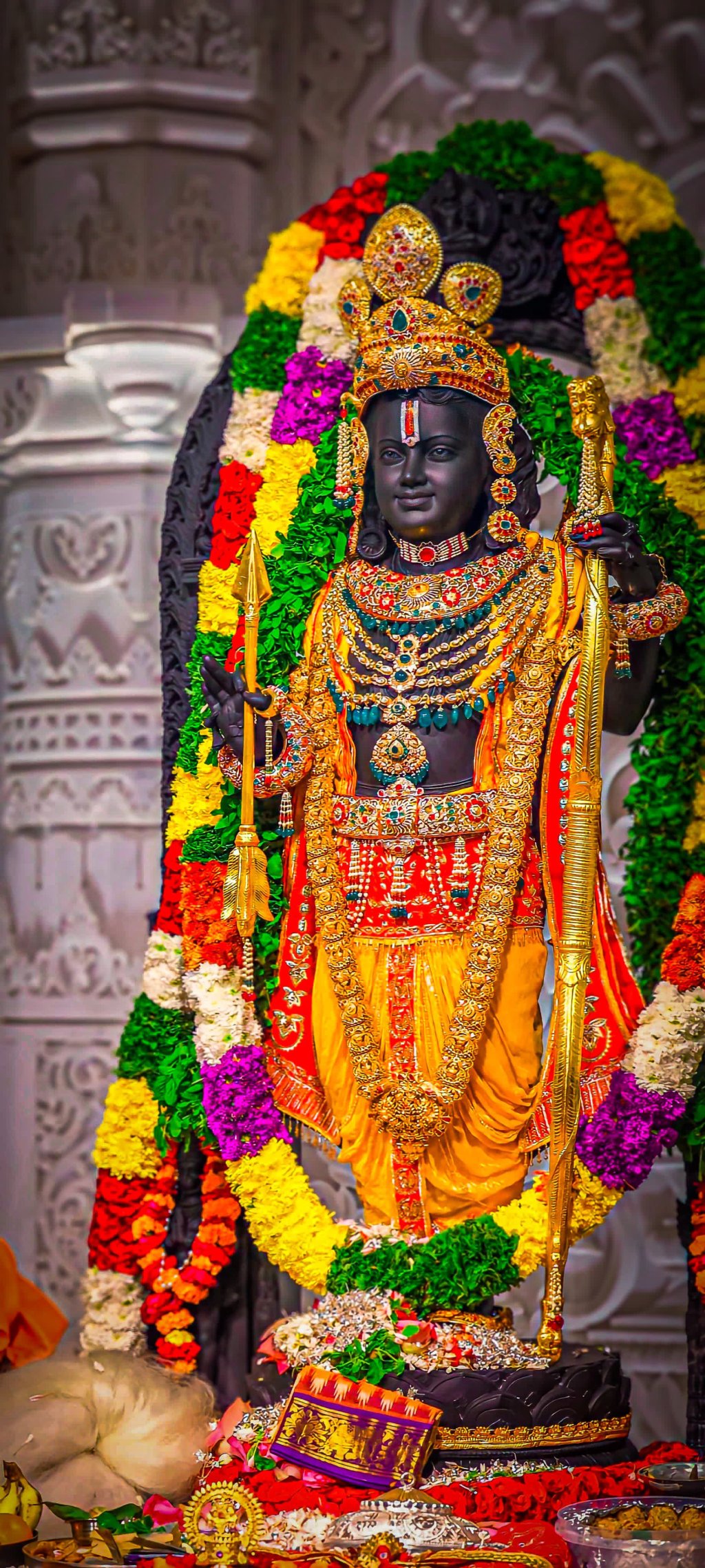
THE DIVINE LEGACY: THE PRAN PRATISHTHA CEREMONY OF SHREE RAM IN AAYODHYA.

What books do you want to read?

The chapter of 22 January 2024.

Lord Shri Ram is unattributed, formless, infinite, unborn, constant, limitless, and omnipresent. Omnipresent God… Omnipresent God… Omnipresent God… Just repeat this one word in your mind with love and feel what you feel inside. Some people feel deep peace and joy within themselves as soon as they take this name and in the minds of some people, the great character of Shri Ram, the stories related to him and his pastimes emerge, which fill them with positive energy. This is the praise of the name Rama. What magic there is in this little two-letter name. Someone was taught to have patience and faith in God even in sorrow, while someone reached self-realization by chanting the name Rama is the name of the ultimate state of supreme consciousness.

Who resides in every human being in his heart. The human body is ‘Dasaratha’. That is the chariot of horses in the form of ten senses. This chariot has ten horses – two ears, two eyes, one nose, one tongue, one skin, one mind, one intellect, and one soul. The driver of this body, Dasaratha, is ‘Rama’. Ram is the sun of the senses. The body and all its senses are running by the radiance and life energy of the same. When Rama, the form of consciousness, mounted on the chariot of the body, takes over it in his hands, only then does it operate alive Dasharatha’s existence ceases as soon as he is separated from Rama. The union of these two is the union of experience and expression, of root and consciousness, of the supernatural and nature. Dasharatha is aimless without his charioteer Rama and Ram is incomplete without Dasaratha. Lord Shri Ram has immense and infinite life energy. As soon as Rama’s name is taken, his entire character comes in front of the eyes.

Due to this, the people present around also start feeling positive energy, peace, and joy. When a person comes to know the importance of Rama in his life and feels his lack then efforts begin for the return of Rama in that person’s life. With the guidance of the Guru, he increases the power of truth within himself and defeats Ravana’s ego. As soon as Rama comes into the life of a person, there is celebration, gaiety, enthusiasm, love, joy, and silence in his life.

Lord Shri Ram is a symbol of positive powers


Lord Shri Ram is a personality who gives direction to the whole world. Lord Rama may have suffered a lot in his life but he did not see the suffering of others. Sorrow gives momentum to life by awakening manliness and Shri Ram gave this message to the whole world from his life. Lord Shri Ram is not just an example of humanity but also the Triveni of work, sacrifice, and devotion. He is a personality who gives direction to the world. Lord Shri Ram is the spiritual practice of divinity is greater than divinity. Lord Ram elevates your life from the highest to the highest level and makes it the most beautiful from the most beautiful. Shri Ram’s life is relevant even today. The conditions in the world are the same. Lord Rama was born to eradicate negative forces. The life of Lord Shri Ram is a message of morality and harmony to us in the present context.

Rama’s ideal is the exaltation of human consciousness. The pearls of life are hidden in many episodes of Ram Katha. It is easily stated that the root cause of all virtues is only truth. There is no religion greater than the benevolence of another. Due to opposing discrimination and injustice, untruth, Rama is embedded in every particle of India. He is Narottam because of his virtues. Suffering many, Shri Ram is the epitome of modesty, love, morality, compassion, and forgiveness. The creation of Rama, steeped in life values, always wishes for the good of the world. The birth of Rama is the source of all happiness. #sprituality_ is_beyond_science also describes the originality and relevance of Lord Shri Ram’s life as the basis of sadhana. In the form of this living incarnation, Lord Shri Ram is sitting in the form of child Ram Ji in Shri Ayodhya Dham today.

Prabhu Shree Rama and supreme power.

We all know that Shree Ram was born as a normal man but, he achieved a supreme level due to his Purusharth. But, was it Purusarth alone which helped him to reach the supreme level? Well, according to the Rama Rahasya Upanishad, Shri Rama also practiced Tantra. Rama Rahasya is one of the 31 Upanishads attached to the Atharvaveda. This Upanishad is believed to be written by Bhagawan Hanuman himself in which he also mentioned a pooja yantra developed by Prabhu Rama, which is like a Talisman and is used for invoking divine intercession to help the worshipper to accomplish astounding feats & acquire supernatural powers which would have been impossible otherwise. Quoting the Rama Rahasya in the book ’21 Upanishads dedicated to Prabhu Ram, it has been mentioned that,


a. Yogini Swamprabha.

While searching Sita, Hanuman along with other vanara went to a place that looked like a cave from the outside but inside it, some buildings were mounted with golden peaks and the windows were covered with silver linings, the lakes were full of water and pearl beads. There were Vimanas too. There, Hanuman & his troops met a yogini named Swamprabha. She was a friend of Hema, the mother of Mandodari, & wife of Mayasura, the famous architect. Swayamprabha using her power of yoga helped Vanaras to reach the shore of the Sea, which Hanuman crossed to reach the Lanka, within seconds, like a time travel. But, after that, there is no mention of her.

b. Mount Rishabha.

Before going in search of Maa Sita, Sughreeva told Angadh that in the south there is a mountain filled with jewels and gemstones, named, “Mount Rishabha.”Sughreeva asked Vanaras who were going south in search of Sita, to cross Bhogavati Puri (Puri City) & go to the mountain Rishabha & gave its description as a mountain rich in high-quality Jewel, gemstone & sandalwood, such as Gosirshaka, Padmaka, & Harisyama which were in the protection of Gandharvas called Rohita. This was the same mountain that was brought by Hanuman in search of Sanjeevani & later he placed it back. In Mahabharata, Great Sage Pulastya has mentioned Rishabha parvata as a sacred tīrtha, situated in the south.